
 English
  Polski
  Deutsch
  Nederlands
  Svenska
  Norsk
Norsk  Dansk
Dansk  Français
  Italiano
  Español
  Português
  Slovenčina
  Suomi
Suomi  Gaeilge
 Why Your Hibiscus Barely Blooms and How to Get Huge Flowers
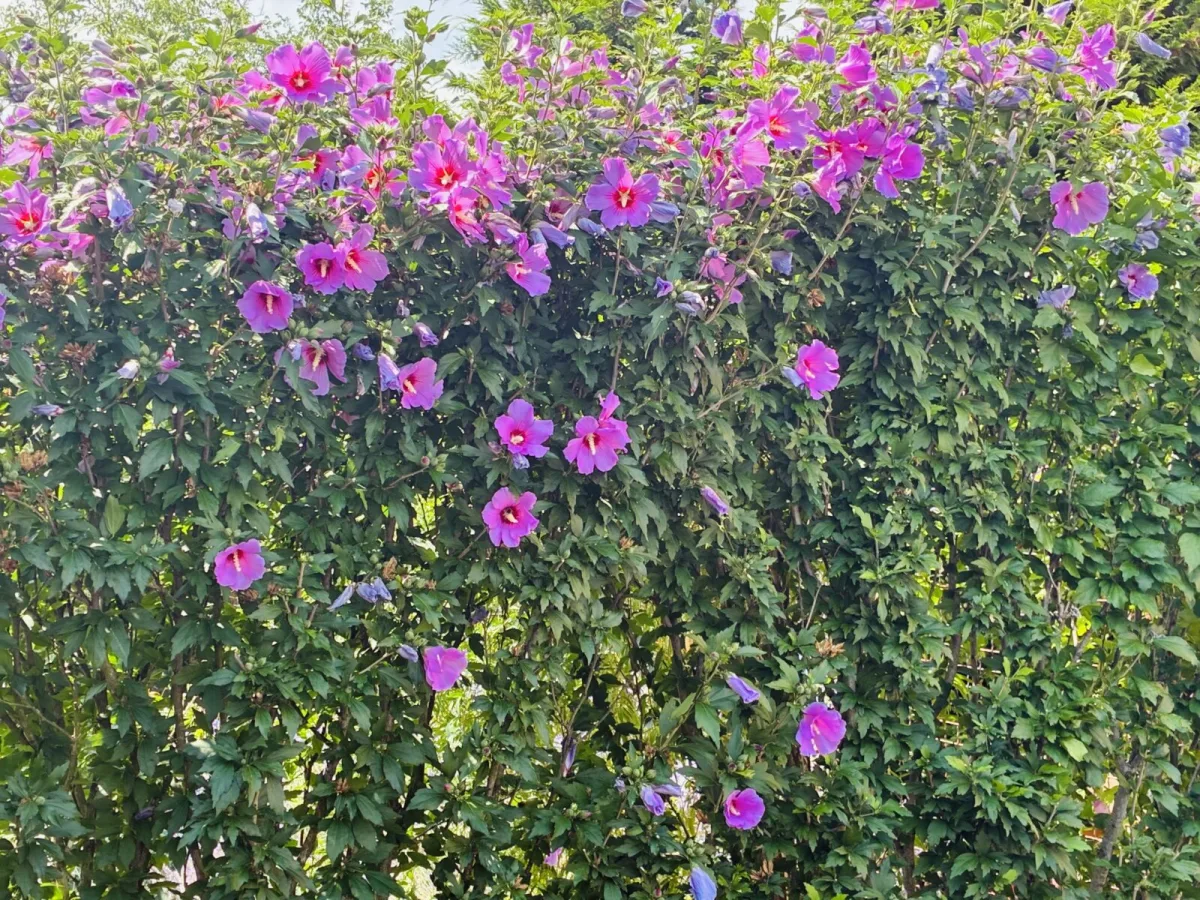
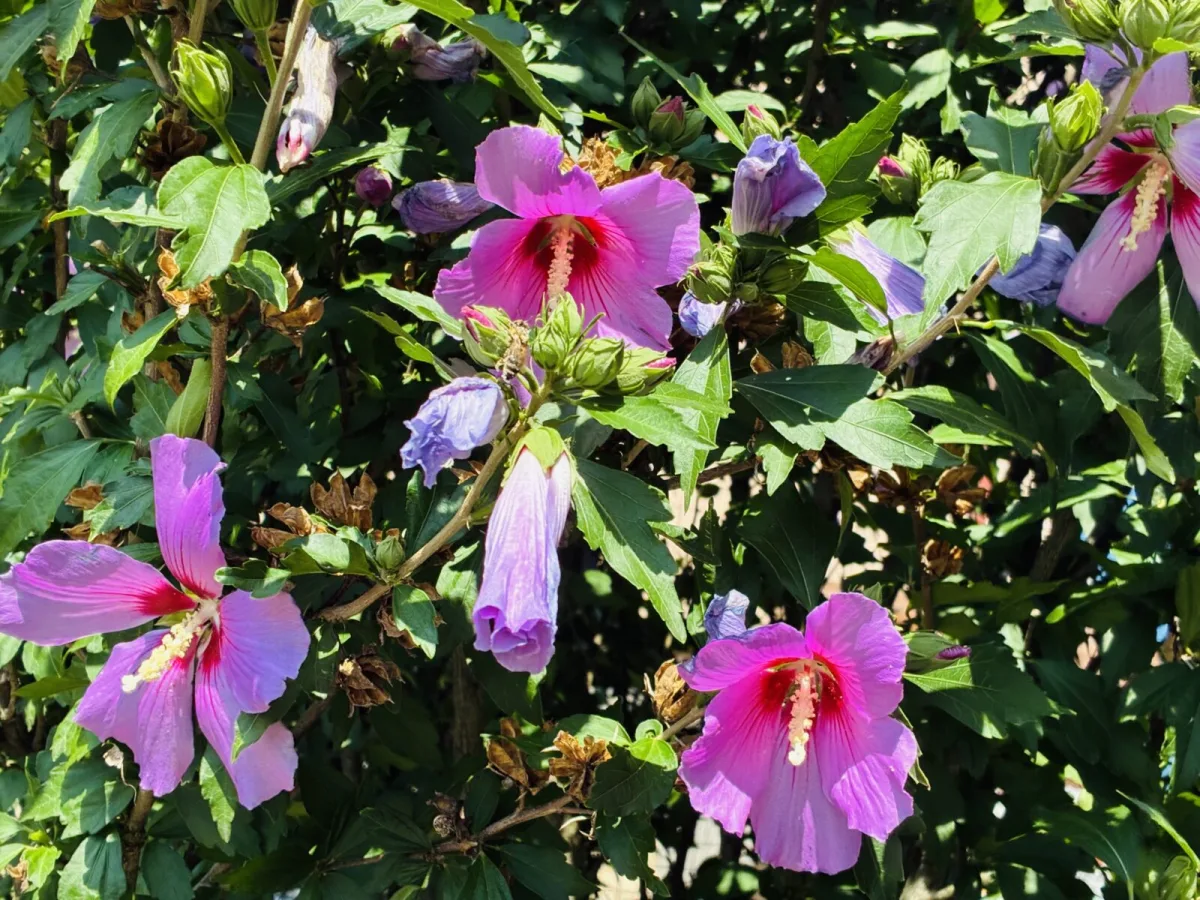
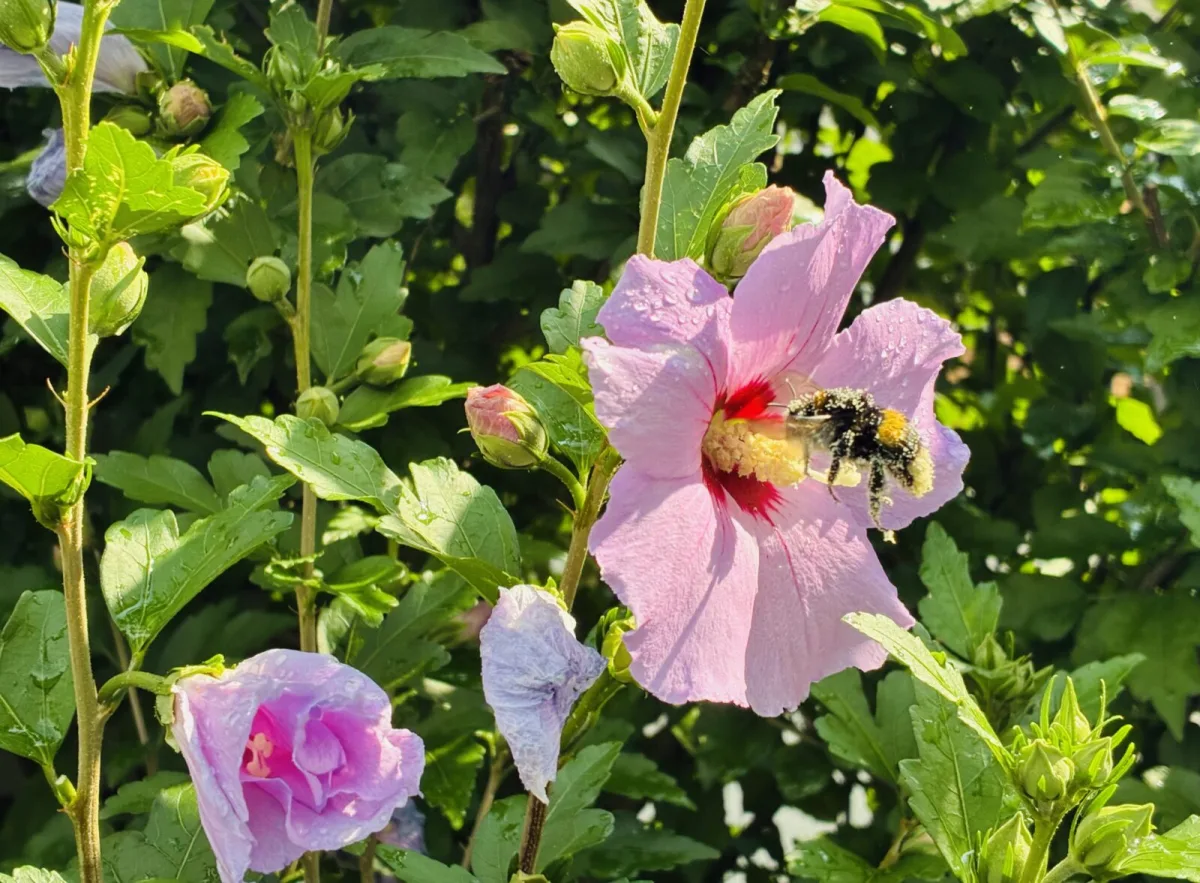
Hardy hibiscus ranks among the most striking flowering perennials because it can produce enormous, richly coloured blooms that look like dinner plates. In the garden it feels exotic, yet many types cope well with typical temperate-climate conditions. Beyond their showy appearance, they also have practical value: the flowers draw in butterflies and, where they occur, often hummingbirds too. By “hardy hibiscus” gardeners usually mean the types grown for large, flat, mallow-like flowers that, in ideal conditions, can reach roughly 30 cm across.
Depending on species and cultivar, plants can be compact or truly substantial. Some varieties stay around 60–90 cm, while others can reach several metres in a season and form sturdy stems with plenty of foliage. Hibiscus belongs to the mallow family, which includes hundreds of other ornamental and useful plants, from annuals and perennials to shrubs and trees.
When it’s best to plant and propagate hibiscus
The simplest route is to buy a young plant from a nursery and plant it in spring, when it has time to establish strong roots before the surge of summer growth. Spring is also ideal for propagation from cuttings, as young shoots root readily. If you want to grow hardy hibiscus from seed, allow extra time: sow indoors about three months before the last expected spring frost.
Soaking the seed for about an hour in very warm water before sowing helps speed up germination. Indoors, warmth, steady moisture and plenty of light are essential. Direct sowing outdoors is only possible once the risk of frost has passed and the soil is no longer cold.
Site and soil determine how many flowers you get
Hardy hibiscus performs best in full sun. It will survive and grow in partial shade, but flowering is usually weaker and the blooms can be smaller. The ideal spot has abundant light for most of the day and good air circulation so leaves dry quickly after rain. Protection from strong wind also matters, because the long stems can snap in gusts, especially when loaded with blooms.
Soil should be free-draining yet able to hold even moisture. Hibiscus appreciates plenty of organic matter, such as compost, and does best in neutral to slightly acidic conditions. In heavy, consistently waterlogged soils the roots can suffer; in soils that are too dry and poor, flowering tends to be brief and the plant recovers more slowly after heat.
How to plant hibiscus correctly and what spacing to keep
Plant container-grown hibiscus so the base of the stems sits roughly level with the surrounding soil. After planting, water thoroughly so the soil settles around the roots and no air pockets remain. For types that die back in winter and reshoot each year, spacing of around 60–90 cm is commonly recommended, but always consider the plant’s eventual mature size. Some hardy hibiscus spreads quite wide over time and can also gain significant height.
When propagating from cuttings in spring, take a piece of young stem about 12–15 cm long. Remove the lower leaves and insert the cutting into an airy mix, typically a sandy compost amended with peat. With even moisture it will root in a few weeks, after which it can be hardened off gradually and planted into its permanent position.
Watering, mulch and in-season care
Hibiscus loves moisture, especially in its first year after planting and while buds are forming. Water less often but deeply, so moisture reaches down to the roots. Light surface watering does little and dries out quickly in hot weather. Mulch helps retain moisture and also protects the root system in winter from temperature swings. Don’t pack mulch directly against the stems, though, as it reduces airflow and increases the risk of rot and disease.
If you want to extend the bloom period, you can deadhead regularly before the flowers set seed. Another option is to cut the plant back by about one third after the main flush, which encourages fresh shoots and a follow-up round of blooms. In practice it depends on the species, the weather and the length of the season, but this approach works very well for many hardy hibiscus.
Pruning and overwintering hardy hibiscus
Many hardy hibiscus die back for winter, with the above-ground growth freezing back to the ground. It’s best to cut the old stems down close to the soil after winter or at the end of the season so they don’t get in the way of new growth. It’s important to know that hibiscus blooms on new wood, meaning the fresh shoots produced in the current season. That’s why the safest time for the main prune is spring, when it’s clear what’s alive and what has been damaged by frost.
In early spring, remove the remains of dry stems from older clumps and you can apply a balanced fertiliser. During the growing season, the plant benefits from feeding with a blend higher in potassium, with a moderate to moderately higher nitrogen level and low phosphorus, as some hibiscus can be more sensitive to phosphorus. If the plant eventually becomes too large, it can be divided, but spring is again the best time rather than autumn, so it has enough time to re-establish roots.
Most common pests and disease prevention
Typical hibiscus pests include aphids, whiteflies and also Japanese beetles, which can damage both leaves and flowers. At the first signs of trouble, regular inspection, encouraging beneficial predators and timely hand removal can help. With fungal diseases, which often show as leaf spotting, bed hygiene is crucial. Remove infected plant debris and don’t leave old leaves lying under the plant.
Prevention also comes down to correct spacing. When plants are crowded, they stay wet longer and infections spread faster. It also helps if mulch isn’t touching the stems, because excess moisture and poor airflow can damage the crown and cause shoots to die back.
Species and cultivars with the biggest ornamental impact
One standout is the scarlet rose mallow, also known by the nickname Texas Star. It produces eye-catching, bright red five-petalled blooms and grows to about 2 m in a single season. Each winter the top growth dies back, but it resprouts in spring and quickly puts on new growth.
A classic representative of so-called “dinner-plate hibiscus” is the swamp rose mallow, prized precisely for its exceptionally large flowers. These plants grow quickly and often bloom from late summer into autumn, with several flowers around 25–30 cm across opening at once on a single clump. Among popular varieties are a pink-flowering cultivar with large blooms on plants roughly 1–1.5 m tall, a type with pale pink to white flowers with a wine-red centre and striking copper-toned foliage, and older, classic cultivars with pink flowers and a red eye or with fully red blooms, often grown for their reliability and intense colour.
Interesting facts and traditional uses of hibiscus
In folk traditions, different hibiscus plants have been associated with easing headaches, sore limbs, coughs or inflammatory conditions, though specific uses varied by region and by species. However, “hibiscus tea” is typically made from a different species than the common hardy ornamental hibiscus. Most often it’s Hibiscus sabdariffa, also known as roselle, native to West Africa and now grown in warmer parts of the Americas and the Caribbean.
In the Victorian language of flowers, the hibiscus bloom was seen as a gentle expression of admiration for delicate beauty. And as a botanical curiosity, the yellow hibiscus is the state flower of Hawaii, where it has become one of the most recognisable symbols of the local flora.
Source: Almanac, The Spruce , Pestrazahrada.cz
Related articles
The Christmas Amaryllis That Can Bloom for Years but Most People Throw It Away After Flowering
Hippeastrum is a spectacular winter-blooming bulb that, with the right care, will flower again year after year. Learn how to plant it correctly, look after it after flowering, and bring it into dormancy so it reliably reblooms.
How to Grow Winter Garlic for a Much Bigger Harvest
Autumn planting is the key to strong, healthy winter garlic, but the details make all the difference. With the right timing, bed choice, seed-clove treatment and a simple bicarbonate trick, you can noticeably boost yield.
A tree or shrub planted properly in autumn can outpace spring stock and improve fruiting
Many fruit trees and soft-fruit shrubs establish better when planted in autumn, because roots keep growing while the top is dormant. Done well, this head start means stronger spring growth, less watering, and a healthier first year.
Comments (0)
Be the first to comment.