
 English
  Polski
  Deutsch
  Nederlands
  Svenska
  Norsk
Norsk  Dansk
Dansk  Français
  Italiano
  Español
  Português
  Slovenčina
  Suomi
Suomi  Gaeilge
 A hibiscus flower lasts only one day but it can bloom all summer if you know how
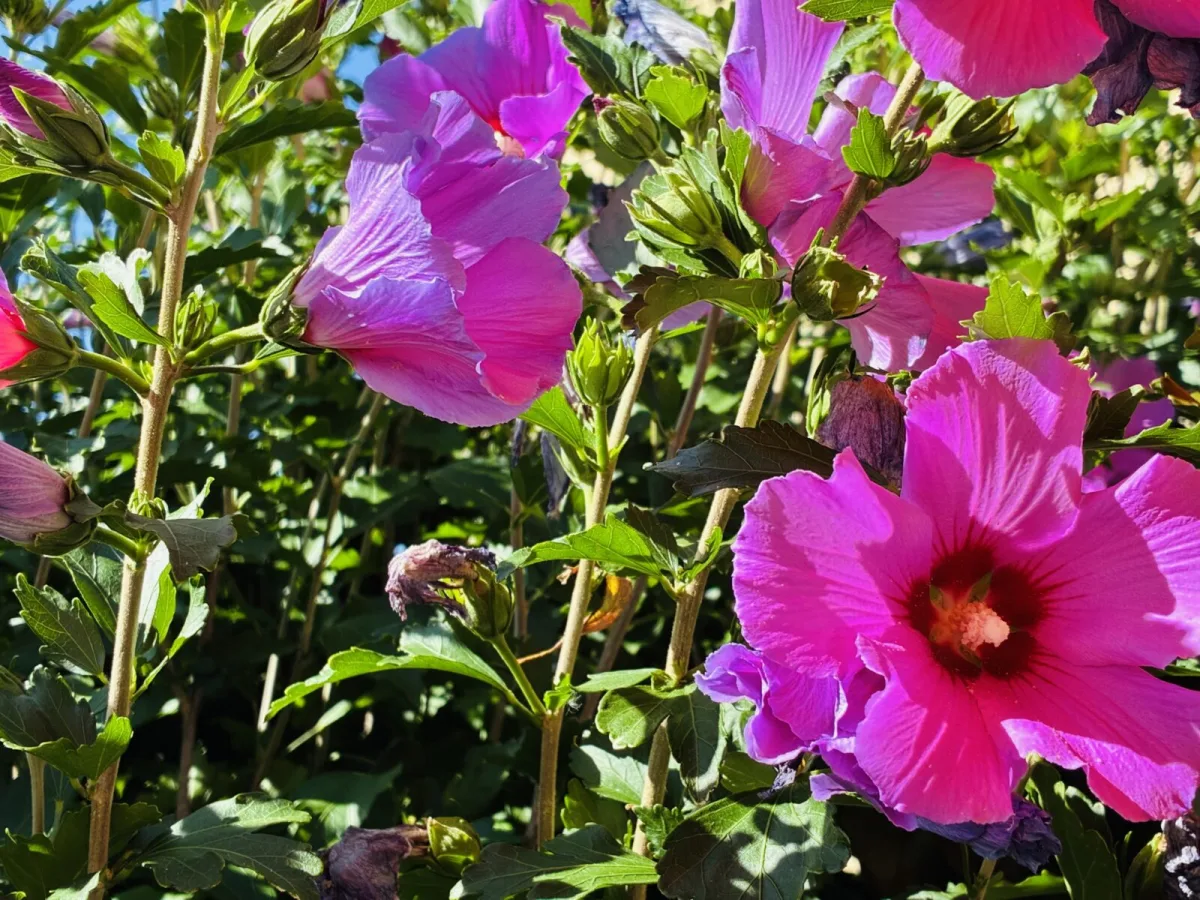
Hibiscus is one of those shrubs that can produce truly bold, oversized flowers. In some types, the blooms can be dinner-plate sized, and with good care the plant can be studded with buds for many weeks to months. Even so, it’s common for flowers to drop quickly, buds to dry up, or flowering to be disappointing. Most often it comes down to a combination of the wrong position, poor watering, exhausted compost, or neglected pest control. But once you line up a few basic conditions, hibiscus will reward you with longer, steadier blooming.
Position matters more than you might think
Choose a spot with good drainage
The first step to long-lasting hibiscus bloom is choosing the right place. The plant can survive in less-than-ideal conditions, but to flower heavily it needs to thrive. The foundation is soil that drains excess water well, yet stays evenly moist with regular watering. For most hibiscus, the best balance is consistent moisture without ongoing waterlogging.
There are exceptions that tolerate wetter ground better, but with commonly grown types, a long-term boggy root zone tends to hold flowering back.
Aim for a slightly acidic pH
Hibiscus generally prefers slightly acidic soil. A sensible target range is roughly pH 6.5 to 6.8. In that window, nutrients are released in a form the plant can access more easily. Iron is especially important because it’s tied to chlorophyll production. When hibiscus has enough chlorophyll, it grows more strongly, makes sturdier shoots, and then sets more buds.
Light is the engine that drives bud formation
Give it as much sun as possible, ideally morning sun
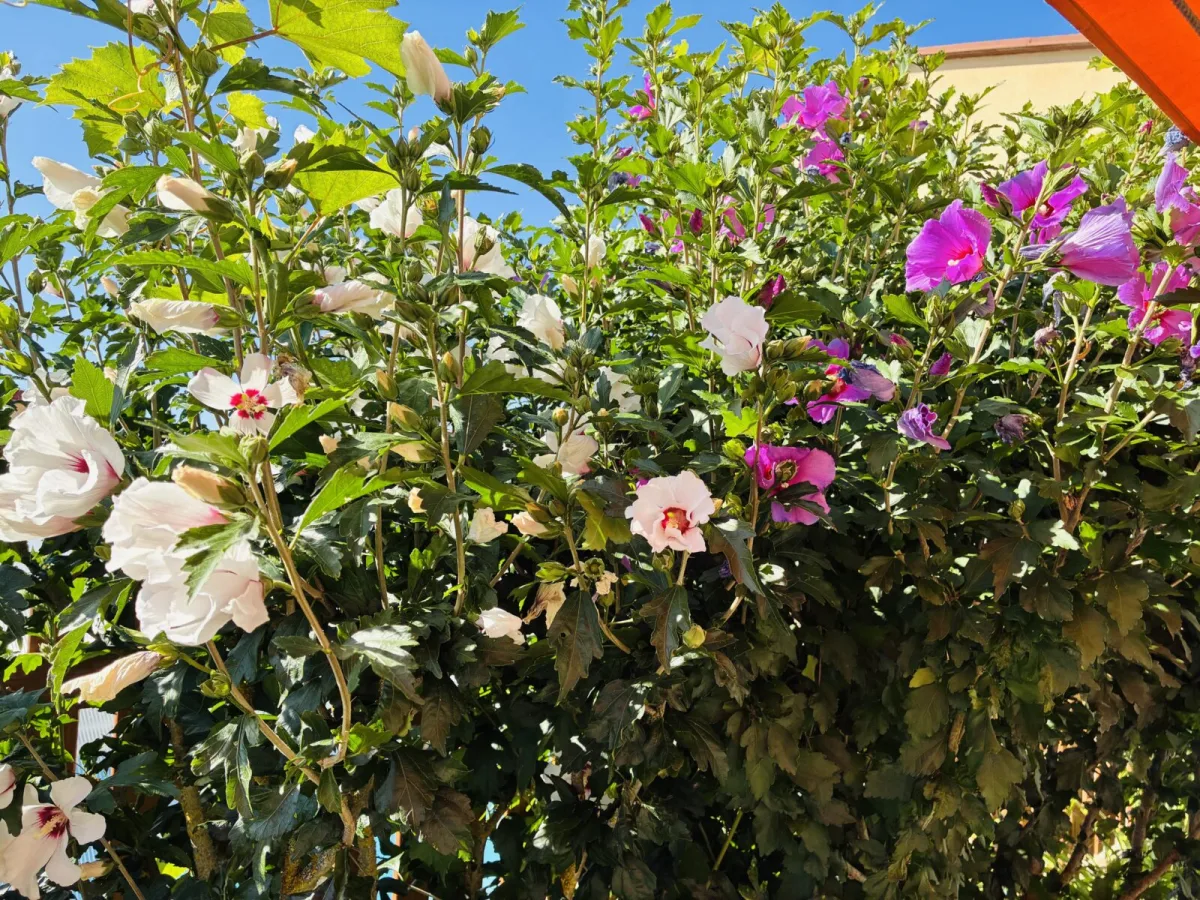
Hibiscus will grow in partial shade, but you’ll see a noticeable difference in the number of flowers. For really impressive blooming, full sun is worth it—often at least six hours of direct light per day, and for some types even more. For the plant’s overall condition, morning sun tends to be the kindest: it fuels photosynthesis but isn’t as drying as harsh afternoon rays.
If the only spot you have is exposed to intense afternoon heat, watch the leaves. As soon as hibiscus looks limp, it’s a sign it will need more frequent, deeper watering.
Watering that extends the flowering period
Plenty of water, but no constant saturation
Hibiscus is a classic thirsty plant, especially in a hot summer when it’s producing flowers and losing a lot of moisture through transpiration. Outdoors in a pot, watering can easily be a daily job—provided the container has adequate drainage holes. The goal is to keep the compost consistently slightly moist, not sodden and sour-smelling.
For plants in the ground, it depends on your climate and rainfall, but the principle is the same. The soil should stay evenly moist rather than so waterlogged that roots lose access to oxygen.
Watch out for overwatering and its subtle symptoms
Constantly wet compost dilutes nutrients, and then roots struggle to take up what the plant needs for growth and flowering. Typical warning signs are yellowing leaves and a droopy look even when the soil is wet. With potted hibiscus, repotting into fresh, airier compost can help—especially if you suspect moulds or fungal issues are developing.
Mulch is a simple trick for steady moisture
Mulching is one of the most practical habits for extending the time hibiscus stays fresh-looking and keeps setting flowers. A mulch layer slows evaporation, protects roots from overheating, and gradually improves the soil. Indoors, a thinner layer is enough; outside, a thicker layer is more useful because it helps prevent drying in hot weather.
Organic materials such as bark or wood chips also support soil life, and when the plant is less stressed by drought and temperature swings, flowering is usually more consistent.
Pruning that encourages new growth and more flowers
Hibiscus typically flowers on new wood, so well-timed pruning has a big effect on how many blooms you get. Toward the end of autumn it’s best to do only light tidying—remove damaged parts—but over winter it’s better not to stress the plant unnecessarily. The main prune is most often done in spring, so hibiscus has plenty of time to break into growth, bulk up, and form buds before the season.
Use clean, sharp tools because smooth cuts heal faster. Given its vigorous growth, you can shorten shoots by a third to a half. It also makes sense to refine the shape, remove crossing branches, and open up the centre of the shrub so air can move freely inside. Better air circulation often means a lower risk of diseases that can shorten flowering.
Feeding is the fuel for a long season of blooms
When to feed and what to focus on
Hibiscus can flower without feeding, but the number and strength of blooms are usually lower—especially in container-grown plants. To support flowering, a higher proportion of phosphorus is helpful, meaning a fertiliser with a higher middle number in the NPK ratio. Phosphorus is linked to flower and bud development, so at the right dose it helps flowering become more generous and the plant keep up the pace.
Topping up iron can also be useful. In the ground, soil often supplies it as long as the pH is right. In pots, though, nutrients are depleted more quickly, so it pays to feed roughly once or twice a month from spring until flowering finishes. In winter, feeding is usually unnecessary unless the plant shows clear signs of deficiency.
Deadheading extends the flowering display
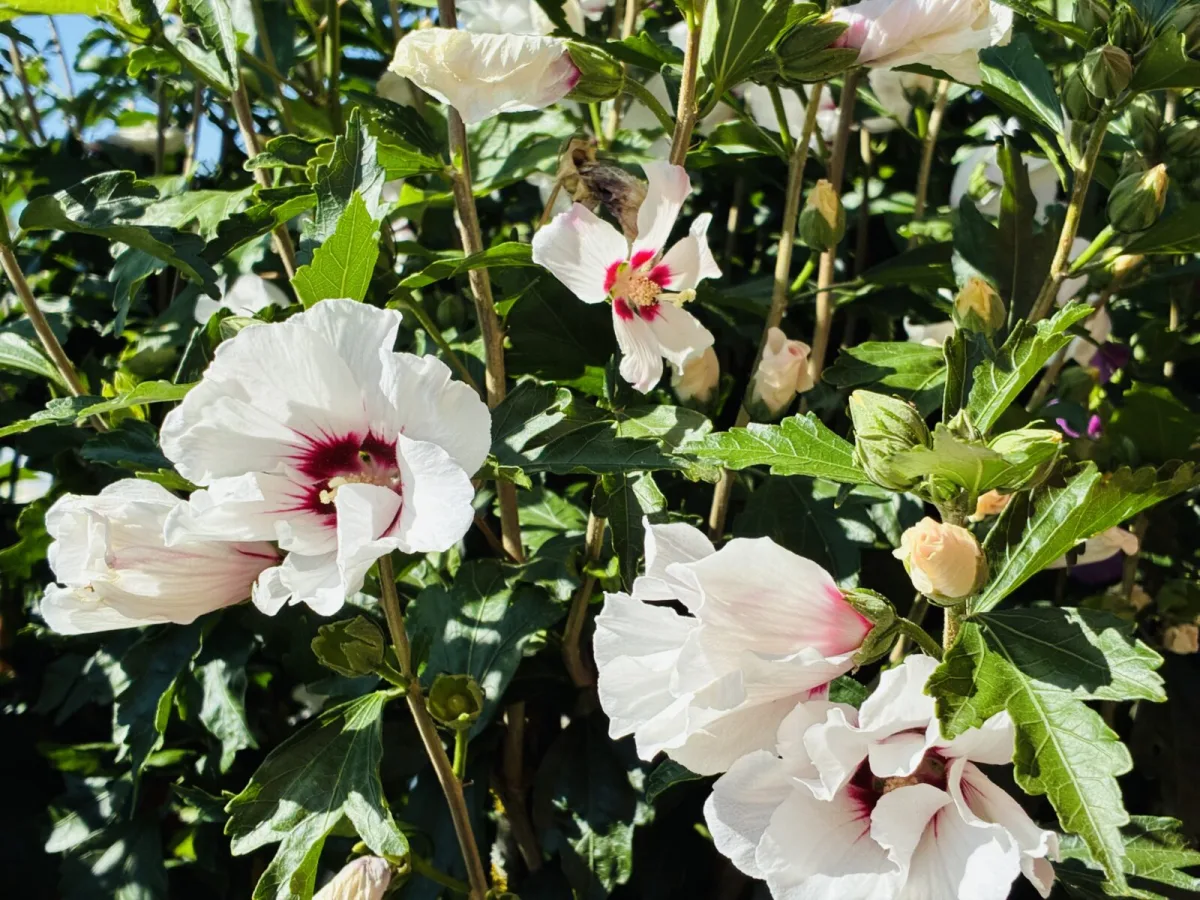
One of the most effective interventions is regularly pinching off spent blooms. Many hibiscus flowers are stunning but short-lived, often lasting just one day. At the same time, the plant forms clusters of buds that open in sequence, so with good care it can flower almost continuously all summer.
When you remove faded flowers, you make space, improve light reaching the buds, and the plant doesn’t have to waste energy on parts that have already done their job. The result is usually a longer period of attractive display and a smoother succession of new blooms.
Repotting and container size for potted hibiscus
Hibiscus often blooms better when it’s slightly snug in its pot, but it mustn’t tip into starvation. A container that’s too small leads to rapid nutrient depletion and the compost drying out faster than the plant can cope with. That shows up as weaker growth and shorter-lasting blooms.
With container hibiscus, repotting every one to two years into a pot only slightly larger than the root ball usually works well. Roots growing out of the drainage holes can be a clear sign. Just as important is good drainage, because permanently soggy compost will reliably reduce flowering.
Pests and diseases can bring flowering to a quick end
Hibiscus can be attacked by insects and various diseases during the season, and acting early often prevents bud drop and weakening of the whole plant. Watch for holes in leaves and flowers, powdery coatings, dark or yellow spots, or wilting that doesn’t match your watering.
Common pests include aphids, whitefly, mealybugs, and scale insects. Sometimes a thorough rinse with a strong jet of water is enough if the infestation is small. If the problem spreads, remove heavily affected leaves or shoots and choose a gentle control, such as neem oil-based products. With diseases such as powdery mildew, leaf spot, or root and crown rots, correct watering and a fast response are crucial, because a weakened hibiscus usually flowers for a shorter time and recovers more slowly.
The longest and most abundant hibiscus flowering usually comes when the plant has steady moisture, plenty of light, balanced feeding, and spent blooms are removed regularly.
Source: Epic Gardening, Rhs , Pestrazahrada.cz
Related articles
Drought tolerant fruit trees for Czech gardens that handle heat and winter frosts
Warmer summers and longer dry spells are changing what can be grown in Czech gardens. With the right variety and a sunny, sheltered spot, olives, pomegranates and figs can cope with heat, drought and even winter cold.
Thuja hedges are on the way out gardeners are choosing a shrub that shrugs off frost and drought and never looks dull
Thuja may be a long-standing classic, but today’s hedges are increasingly built from more varied shrubs that look better through the seasons. One standout choice is ninebark, prized for its toughness, colour and easy care.
Autumn planted grapevines bud earlier the most common mistake happens before they even go in the ground
Planting grapevines in November can give them a head start in spring, as roots can still establish in warm soil. Success depends mainly on proper planting depth and reliable winter protection.
Comments (0)
Be the first to comment.