
 English
  Polski
  Deutsch
  Nederlands
  Svenska
  Norsk
Norsk  Dansk
Dansk  Français
  Italiano
  Español
  Português
  Slovenčina
  Suomi
Suomi  Gaeilge
 Healthy Rhododendron All Year Round Care Mistakes That Stop It Flowering
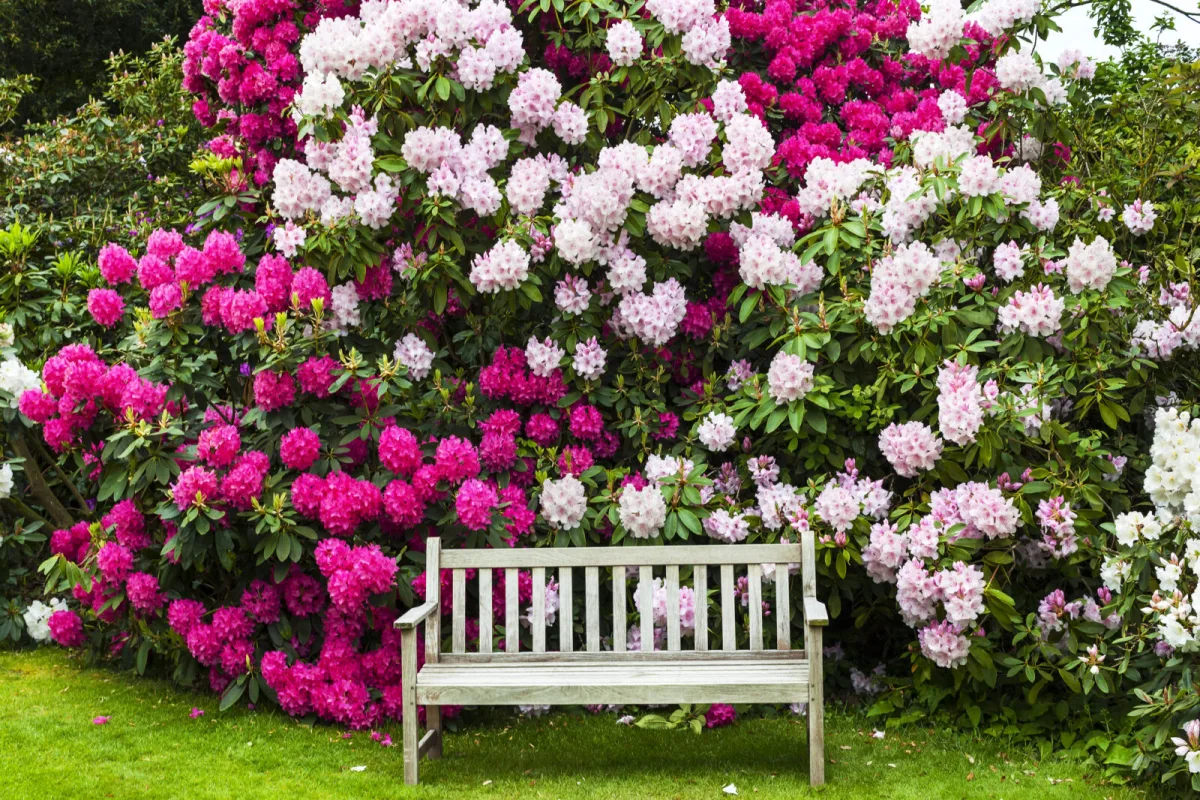
Rhododendron (Rhododendron spp.) belongs to a vast genus with more than a thousand species and tens of thousands of cultivars and hybrids. You’ll find both deciduous and evergreen shrubs among them, sometimes even small trees, differing in size, habit, and flower colour. They share one thing: when you give them the right conditions, they repay you with bold trusses that are among the most striking garden highlights of spring and early summer.
Flowering time varies by species and cultivar. Most peak in spring, but some rhododendrons can surprise you with later blooms. From a growing standpoint, it’s important to know rhododendrons have a shallow root system and dislike both waterlogging and prolonged drying out. It’s also true that all parts of the plant are poisonous to people and pets, so take extra care in gardens with small children and animals prone to chewing.
Rhododendron versus azalea: what’s what
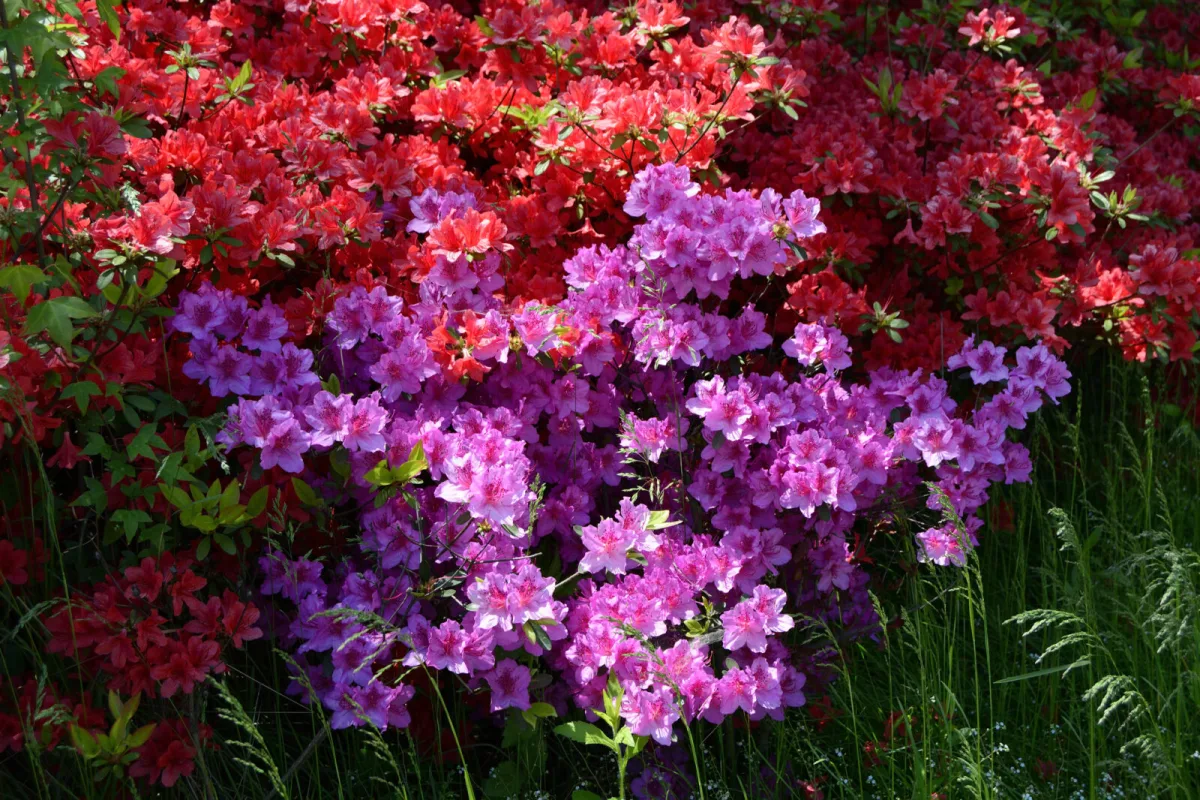
Azaleas are part of the rhododendron genus, so every azalea is a rhododendron, but not every rhododendron is an azalea. In practice, they’re distinguished by appearance and flowering. Azaleas often carry individual flowers at the ends of shoots and tend to have funnel- to tubular-shaped blooms, frequently flowering earlier in spring. Rhododendrons in the narrower horticultural sense usually produce larger, bell-shaped flowers arranged in showy clusters at the ends of branches, appearing from spring into early summer.
Site: light and protection from scorching sun and wind
In natural conditions, rhododendrons grow in light woodland shade, often beneath tree canopies where the light is dappled. The ideal is partial shade, or a spot with morning sun and afternoon shade. Hot afternoon sun can cause leaf scorch, drying, and faster fading of blooms. In warmer areas, protection from overheating is essential; in exposed gardens, they appreciate shelter because winter’s drying winds can damage leaves and buds.
Avoid planting right next to concrete, edging stones, paths, or house foundations. These materials can leach compounds that raise pH, and the rhododendron may then suffer chlorosis and overall decline.
Soil is decisive: acidic, open-textured, and well drained
The biggest mistake is unsuitable soil. Rhododendrons need an acidic environment, typically around pH 4.5 to 6.0, along with humus-rich, airy soil with good permeability. Heavy clays, compacted ground, or a permanently wet site increase the risk of root rot. It helps to work in organic matter such as good leaf mould, fine bark, or an ericaceous compost, and to make sure water doesn’t sit around the roots after rain.
Rhododendrons “prefer to grow on the surface” rather than deep in the ground. When planting, it’s best for the root ball to sit slightly higher than the surrounding soil level, with only a light layer of mulch over the top.
Watering: steady moisture without turning it to mud
Shallow roots mean rhododendrons react quickly to drought. In the first year after planting, it’s crucial to keep the soil evenly moist, ideally with a slow, deep watering so the moisture soaks into the root zone without creating a bog. During dry spells, even established shrubs benefit from topping up drying soil, even if they don’t look obviously wilted.
Mulch helps enormously. A layer of bark, pine needles, or leaf mould reduces evaporation, suppresses weeds, and protects fine surface roots. At the same time, mulch should not sit directly against the stem, to avoid creating conditions that favour fungal diseases.
Feeding: less is more
Rhododendrons are not heavy feeders if they’re growing in good, humus-rich soil. Overfeeding, especially with nitrogen, often leads to lush leafy growth at the expense of flowers and can increase susceptibility to disease. If your soil is poorer, use a fertiliser for acid-loving plants and follow the manufacturer’s rates. A good time is late winter to early spring so the plant has nutrients ready for the start of the season.
Pruning and after-flowering care
Rhododendrons are generally pruned sparingly. Remove mainly dead, damaged, or diseased branches, which can be done at almost any time. Shaping, thinning, and rejuvenating older shrubs is best done soon after flowering, no later than early summer. The reason is simple: rhododendrons set next year’s flower buds during summer, and late pruning would sacrifice the following season’s display.
If you want to encourage more abundant flowering, gently deadheading spent trusses also helps. Work carefully so you don’t snap off young shoots and buds beneath the flowers.
Growing in a container: when you don’t have ideal soil
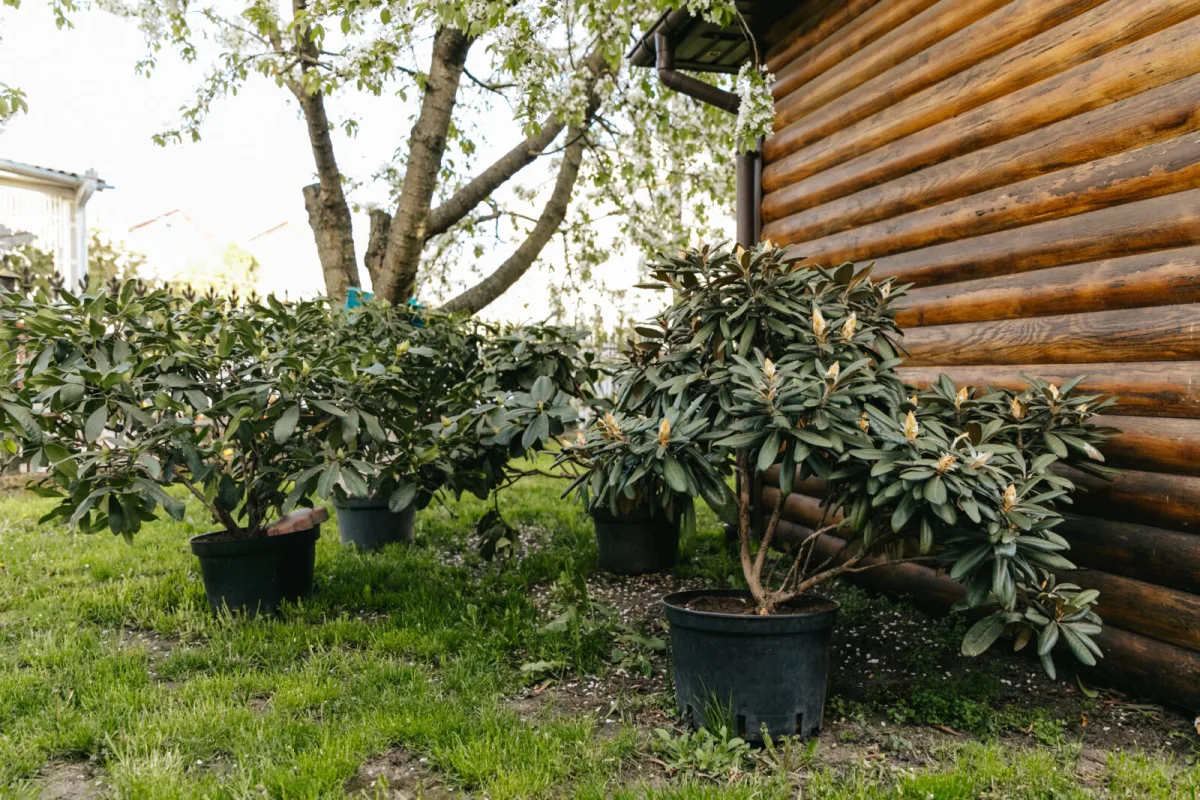
Compact varieties can be grown in a pot, which is a practical solution where the ground is alkaline or too heavy. The container must have large drainage holes and a quality ericaceous compost. Protection from midday and afternoon sun and regular watering are important, because pots dry out faster. Repotting is needed once roots fill the space and begin pressing against the sides or emerging from the drainage holes.
Overwintering and protecting flower buds
A cultivar chosen for your climate will usually cope with winter without special care, as long as it isn’t exposed to harsh winds. Problems tend to be severe frosts that can damage flower buds, or winter desiccation of leaves. For smaller shrubs, during the coldest spells you can temporarily cover with a light, breathable material and top up the mulch. Container plants are more vulnerable because roots freeze more quickly; it pays to move them into shelter and insulate the pot.
Pests and diseases: prevention starts with vigour
Rhododendrons can be attacked by aphids, spider mites, various sap-suckers, and caterpillars, while diseases include powdery mildew, leaf spots, rust, and root rots. The best defence is the right site, acidic free-draining soil, and even moisture. With light infestations, a jet of water may be enough; otherwise, insecticidal soap or horticultural oil can help when applied carefully and out of direct sun. With rots, it’s vital to address the cause—waterlogging and poor drainage.
Why leaves turn yellow and why the shrub doesn’t flower
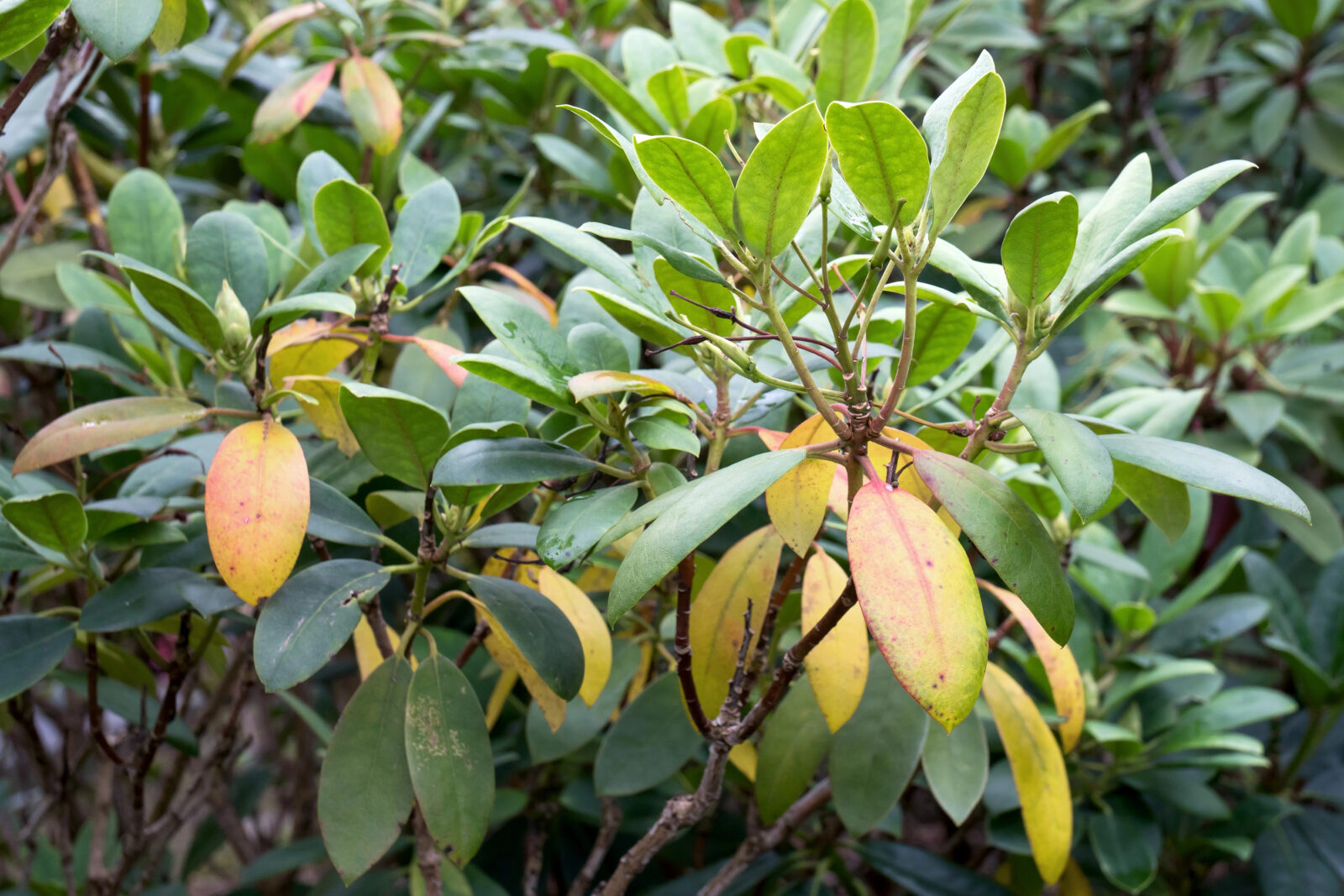
Yellowing leaves are often a sign that the pH is too high and the plant can’t take up certain nutrients. This happens especially near concrete or when watering with hard water without balancing it. Acidifying with suitable garden products can help, and in the long term an acidic mulch such as pine needles or fine bark also makes a difference. If a rhododendron doesn’t flower, the cause is often buds damaged by frost or insufficient light. In dense shade it may survive but produce few flowers; the ideal is dappled light and a sheltered position.
How to choose a rhododendron to suit your garden
When choosing, focus on the shrub’s eventual size, hardiness requirements, and flowering period. In the garden it looks fantastic to combine varieties that come into flower in succession, extending the seasonal display. Rhododendrons also pair well with other acid-loving plants and, in partial shade, provide structure that remains attractive even when not in bloom—especially evergreen types.
If you give a rhododendron acidic, humus-rich soil, consistent moisture, and partial shade, you’ll gain a long-lived shrub that improves year after year and can be a reliable focal point in the garden for decades.
Source: Garden Design, The Spruce , Pestrazahrada.cz
Related articles
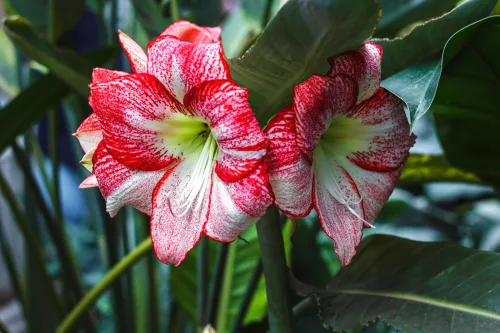
The Christmas Amaryllis That Can Bloom for Years but Most People Throw It Away After Flowering
Hippeastrum is a spectacular winter-blooming bulb that, with the right care, will flower again year after year. Learn how to plant it correctly, look after it after flowering, and bring it into dormancy so it reliably reblooms.
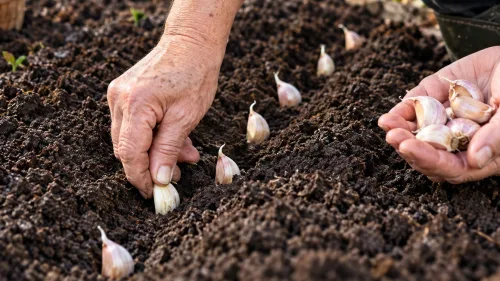
How to Grow Winter Garlic for a Much Bigger Harvest
Autumn planting is the key to strong, healthy winter garlic, but the details make all the difference. With the right timing, bed choice, seed-clove treatment and a simple bicarbonate trick, you can noticeably boost yield.
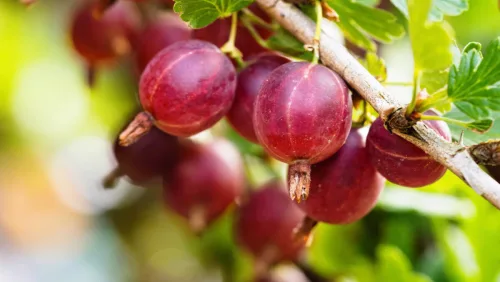
A tree or shrub planted properly in autumn can outpace spring stock and improve fruiting
Many fruit trees and soft-fruit shrubs establish better when planted in autumn, because roots keep growing while the top is dormant. Done well, this head start means stronger spring growth, less watering, and a healthier first year.
Comments (0)
Be the first to comment.