
 English
  Polski
  Deutsch
  Nederlands
  Svenska
  Norsk
Norsk  Dansk
Dansk  Français
  Italiano
  Español
  Português
  Slovenčina
  Suomi
Suomi  Gaeilge
 How to get peonies blooming again when they refuse to flower this year
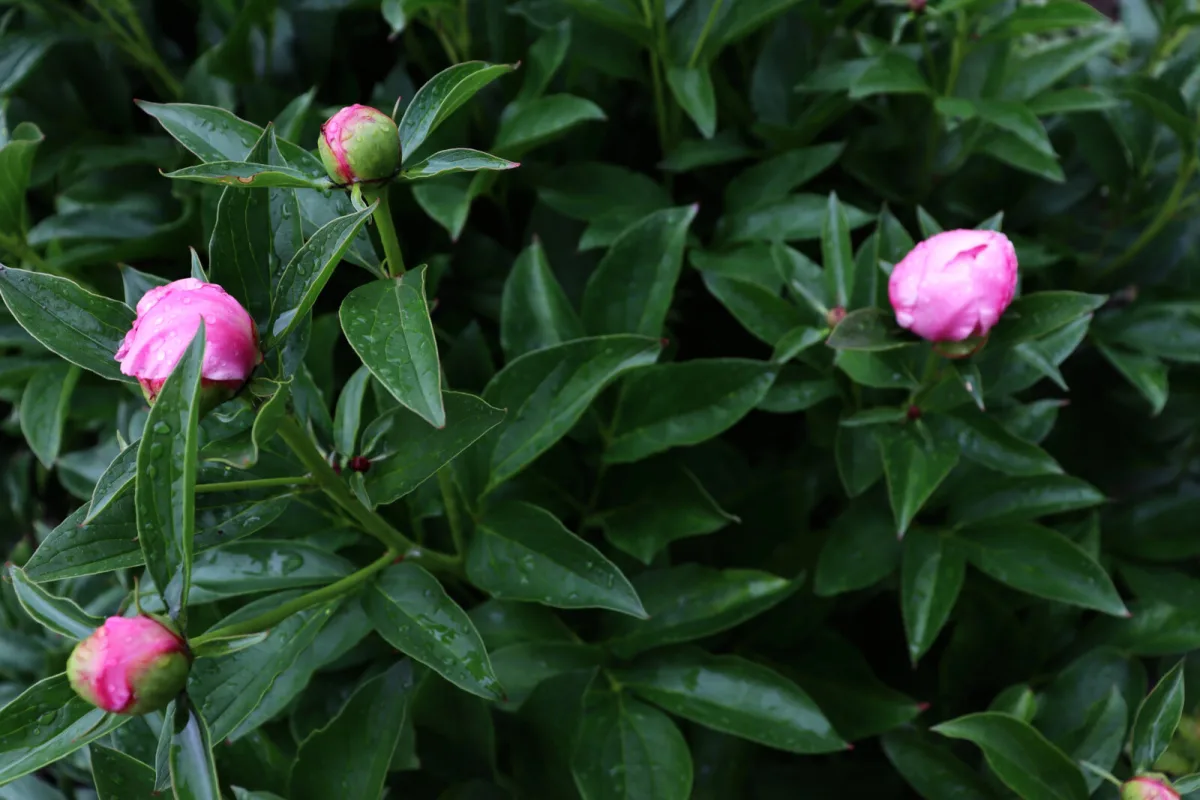
Peonies are among those perennials that look truly special in the border. They produce large flowers, a strong fragrance, and with good care they’ll stay in the same spot for many years. All the more disappointing it is when a plant looks healthy, breaks into growth every spring, gains strength and puts on more leaves, yet flowers never appear—even after several seasons.
In most cases, it’s not a disease or a poor variety. The cause is usually down to growing conditions, and it often starts quietly at planting time. The good news is that once you pinpoint the main mistake, peonies can usually work their way back to dependable flowering step by step.
The most common issue starts with planting too deep
Peonies are sensitive to how deeply the buds are set—the buds that produce new shoots. If those buds are covered by too thick a layer of soil, the plant will still make foliage and look vigorous, but it may fail to set flowers for a long time.
The usual recommendation is for the renewal buds to sit only just below the surface, roughly 3 to 5 centimetres deep. Once they’re lower than that, the peony pours its energy into leafy growth and root development, while flowering is pushed back. The tricky part is that it doesn’t show up straight away. For years a peony can look fantastic and still not bloom, so gardeners often look for the problem elsewhere.
Without enough sun, don’t expect flowers
Another common reason is insufficient light. Peonies need plenty of sun to form buds and bloom. In shade—or even long-term part shade—they’ll usually survive, but flowering will be weak, irregular, or may not happen at all.
A typical scenario happens in older gardens. The peony was planted in full sun, but over time trees have grown, shrubs have thickened, or the surrounding planting has changed. The plant then often responds by producing lots of leaves and longer stems, but it simply doesn’t have enough energy or the right conditions to flower.
Too much nitrogen promotes leaves, not flowers
If your peony is growing lushly, with dark green foliage and strong stems, but produces very few blooms, excess nitrogen may be to blame. Nitrogen is excellent for leafy growth, but in many ornamental flowering plants it often suppresses blooming.
This commonly happens when peonies grow close to a lawn. Lawn feeds are typically high in nitrogen, and some of those nutrients can reach peonies with watering or rainfall. Paradoxically, the plant may thrive almost too well—but the result is mostly foliage. In practice, slightly more modest feeding often helps peonies set more buds.
Cutting back foliage at the wrong time weakens next season
Peonies don’t require routine pruning during the growing season, yet their top growth is sometimes disturbed unnecessarily. A frequent mistake is removing foliage too early after flowering, or cutting the plant back to tidy a bed.
But the leaves keep working after bloom. They allow the plant to store reserves in the roots and prepare for next spring. If foliage is removed too soon, the peony may weaken and bloom less the following year—or not at all. The right time to remove the top growth is in autumn, when the leaves begin to dry down and die back naturally.
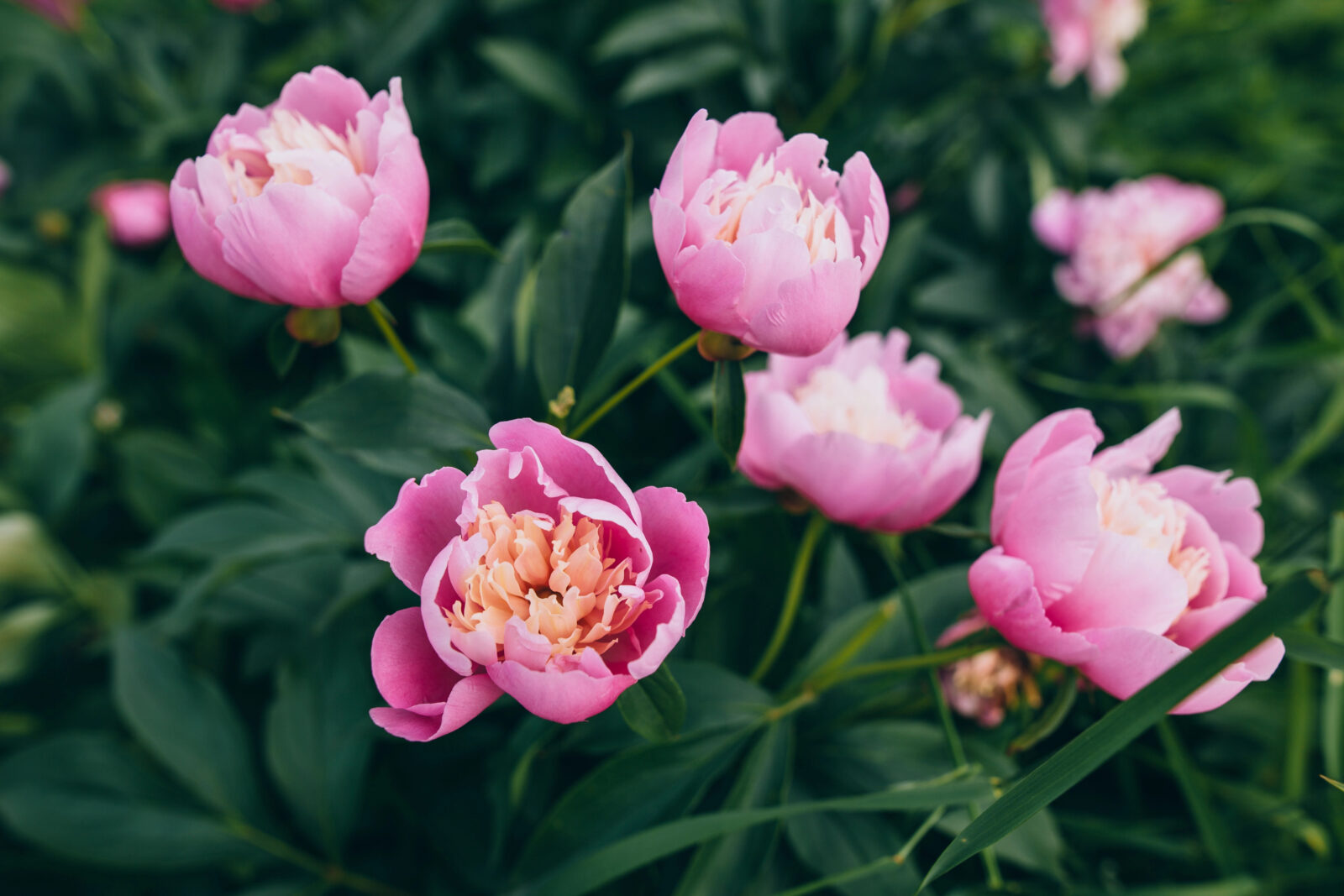
Peonies love peace and dislike frequent moving
Stability of the site matters with peonies, too. These perennials can thrive in one place for decades, and they often look better with age. By contrast, frequent transplanting, digging around them, or disturbing the roots can set them back.
It’s also normal for young peonies not to flower fully in the first few years. That doesn’t automatically mean your care is wrong. The plant is building its root system and strength first, so it can later carry a large number of buds. Patience is part of success here.
When conditions line up, the reward lasts for years
Peonies aren’t the kind of plant for instant results. They need the correct planting depth, plenty of sun, sensible feeding, and minimal disturbance. But once they have what they need, they can become an exceptionally reliable focal point in the border, flowering year after year for the long term.
The most common cause of a lack of flowers is planting too deep, followed closely by too little sun and excess nitrogen.
If you establish a peony properly and give it peace, it can become a plant that brings pleasure not only to you, but quite possibly to the next generation as well.
Source: Away to garden, Homes and Gardens, Pestrazahrada.cz

A lover of nature, gardens, and everything that moves, blooms, or grows. He literally grows everything, from herbs to rare species, and he enjoys caring for animals just as much. In his work, he connects modern technology with tried-and-tested grandmotherly methods and is happy when both paths lead to the same goal.
Related articles

Next year you can harvest better if you don’t sow carrots where they won’t thrive
Carrot root fly can ruin carrots, parsley and celery from the inside out, often without obvious warning until harvest. Better site choice, rotation, later sowing and simple physical barriers can dramatically cut damage next season.
How to Propagate Roses from Cuttings at Home and Fill Your Garden with Blooms Almost for Free
Want more roses without paying for new plants? With a few healthy cuttings and a simple plastic-bottle mini greenhouse, you can root new bushes at home in just a few weeks.
Heathers can cope where other plants won’t, but one soil detail decides everything
Heathers and heaths are tough evergreen shrubs that can flower across the seasons when you choose the right types. Success hinges on matching the plant to your soil pH and ensuring free drainage.
Comments (0)
Be the first to comment.