
 English
  Polski
  Deutsch
  Nederlands
  Svenska
  Norsk
Norsk  Dansk
Dansk  Français
  Italiano
  Español
  Português
  Slovenčina
  Suomi
Suomi  Gaeilge
 What to Plant in an Autumn Bed So You Can Harvest Until Frost
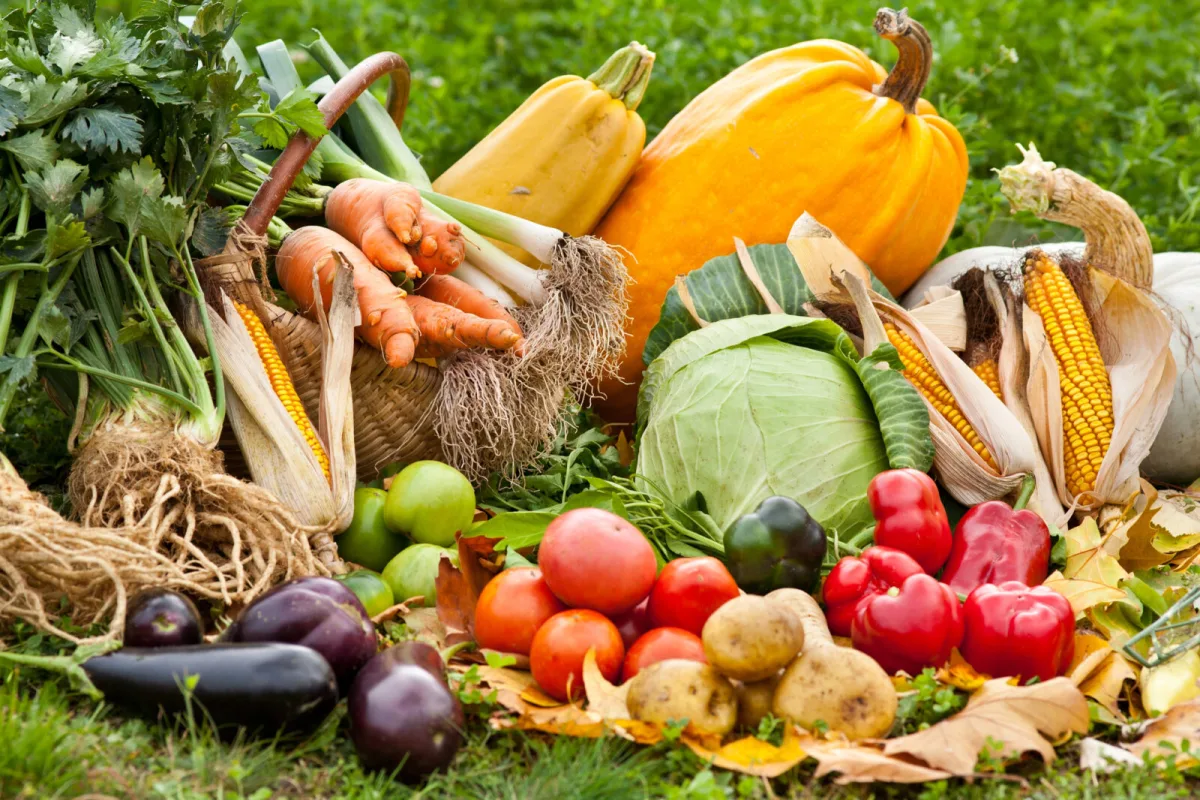
Autumn in the vegetable garden can still surprise you. Weeds don’t grow nearly as madly, the air is pleasantly cooler, and many pests gradually disappear. Meanwhile, the soil holds onto the heat it stored over summer for a long time, so seeds can germinate faster than they do in spring. If you want to use the open space left after summer crops, stick to a simple approach: time your sowing properly, choose the right crops, and think through where they’ll go in your beds.
When to sow and plant so autumn plantings have time to size up
Timing matters more in autumn than it does in spring. In spring, you’ve got long weeks of warming ahead; in autumn, you work backwards from the first expected frost. That first-frost date determines how much growing time your crops have left, and whether it makes sense to sow quick leafy greens only, or include slower crops too.
The most reliable method is to find the typical first-frost date for your area and plan around it. Then check the seed packet, usually given as days to harvest or technical maturity. Subtract that number of days from your first-frost date and you’ll get your latest safe sowing date.
In autumn, it pays to remember that plants grow more slowly because days are shorter and nights are cooler. Add a so-called autumn buffer of roughly one to two extra weeks. If you don’t want everything ready at once but prefer to harvest steadily, add another week to ten days so you can sow in several waves and spread the crop over time.
Warm soil at the end of summer is an advantage it’s a shame to waste: germination is often quick, but growth slows later on, so it’s better not to delay.
What to grow in autumn and which crops actually improve with cold
Autumn is ideal for fast-growing, cold-tolerant vegetables. For some crops, a light frost even improves flavour because sugars build up in the tissues. In practice, autumn is most rewarding for leafy greens, brassicas for the cool season, and root vegetables that sweeten in chilly weather.
Reliable choices for a leafy-greens bed
Lettuces are quick and generous, especially loose-leaf types you can harvest little by little. Spinach behaves more steadily in autumn than in spring, is less prone to bolting, and handles cooler soil well. Swiss chard grows briskly, is tough, and will take a light frost. Kale is almost an autumn symbol: cold suits it, and the leaves are often more tender and sweeter.
Brassicas that love autumn
In cooler weather, broccoli often forms firmer, more compact heads and is less troubled by pests. If you’re short on time, it’s more practical to plant started seedlings. Kohlrabi is an excellent autumn pick: it sizes up quickly, stays crisp and tender, and works both raw and roasted. In the cooler part of the season there’s usually less pressure from caterpillars and other classic summer brassica pests.
Root vegetables and other quick wins
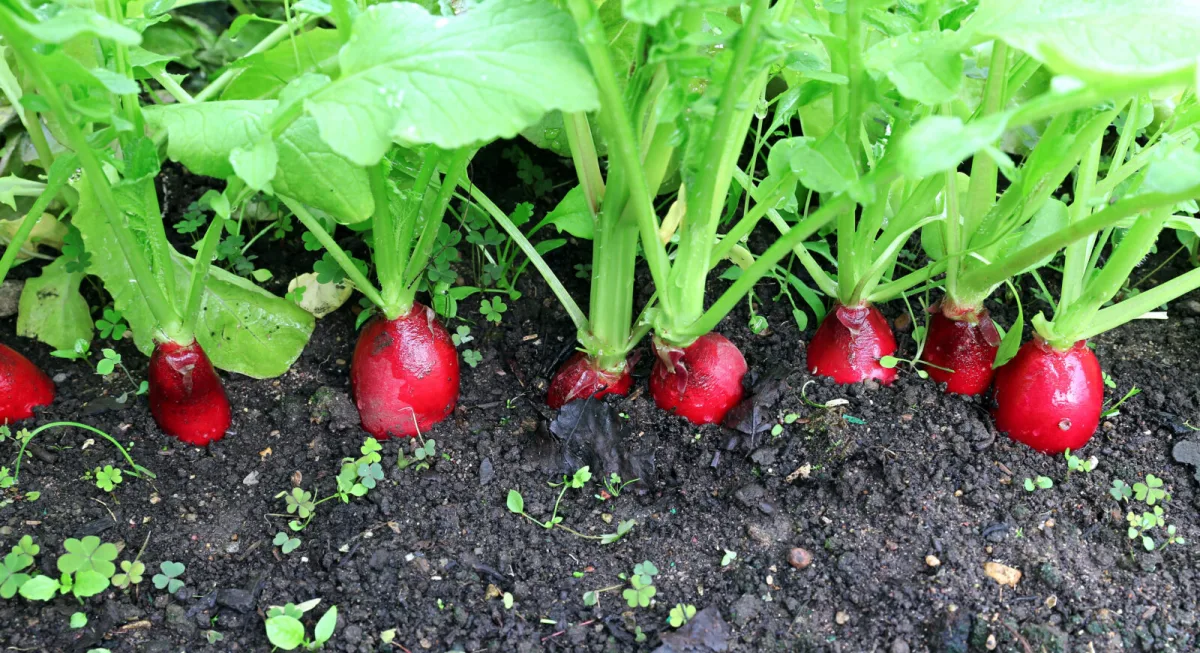
Radishes are among the fastest crops of all, and some varieties can be ready in just a few weeks. Carrots and beetroot need more time, but in cold weather they develop a sweeter taste. Bush beans only make sense in autumn where early frosts aren’t a risk, so they’re better for warmer areas or sheltered spots. Sugar snap peas and tender peas can be a pleasant surprise: they stay crisp and tolerate a degree of cold better than many growers expect.
Autumn stars among Asian greens
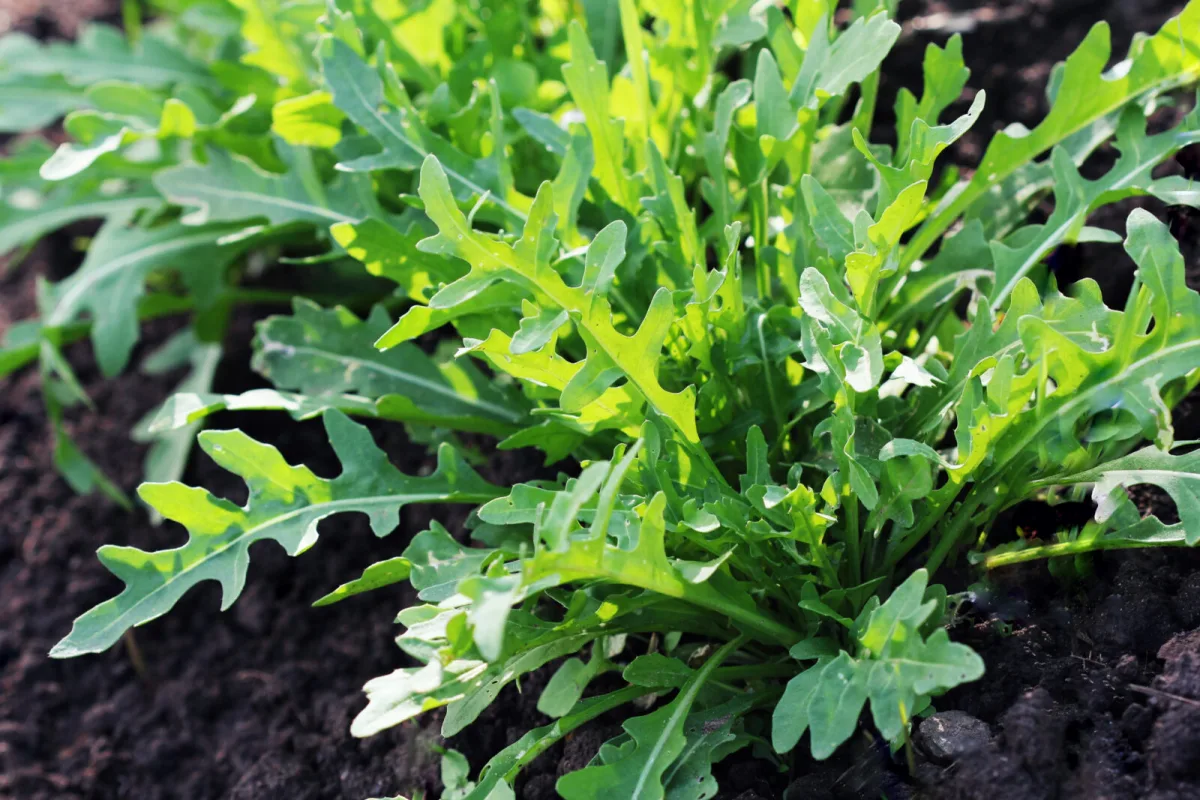
Asian leafy greens are exceptionally practical in autumn: they grow fast, have bold flavour, and cope well with low temperatures. Good options include tatsoi, pak choi, mizuna, and Chinese cabbage. Other candidates worth considering are rocket, lamb’s lettuce, various mustards, and other greens that keep producing when summer beds are winding down.
An autumn bed doesn’t have to be dull—add edible and ornamental flowers too
Vegetables in autumn don’t have to be limited to a plain utilitarian corner. Mixing edible crops with plants that look good in cooler weather can brighten the garden up. Ornamental kale, pansies, or some types of sage add colour at a time when skies are often grey and summer has already gone. Beyond the visual effect, flowers can attract pollinators and beneficial insects, which is useful even at the tail end of the season.
Where to plant in autumn when beds open up after summer crops
Autumn planning can feel like a game of musical chairs. Summer crops are finishing, and the cleared spaces can be filled immediately with new sowings. Autumn vegetables do brilliantly in beds where you’ve already harvested garlic or onions, in rows left after tomatoes or squash-family crops, in spots after beans, and anywhere courgettes or cucumbers have slowed down and are no longer producing. You can also use window boxes and containers, for example for young lettuces you want close to the kitchen.
Before you sow again, it’s important to refresh the soil. Work in compost or use an organic fertiliser so plants have something to grow on. If the bed previously held hungry crops that significantly depleted the soil, it’s worth topping up a little nitrogen too, because leafy greens respond with a fast start.
Autumn is also a good time for succession sowing. As soon as one row is finished, you can sow another crop in its place and get the maximum from a small space right into winter.
How to keep autumn plantings in good shape until harvest
Looking after autumn vegetables is often easier than in spring, mainly thanks to lower pressure from weeds and pests. Even so, a few basics are worth following. Water regularly, because even though days are cooler, the soil can still be warm and small seedlings dry out easily. Fleece and row covers are practical: they protect against cold nights and also help limit pest influx, especially on brassicas. Mulch will help hold moisture and slow new weeds.
For a longer harvest window, plant or sow in smaller batches. If you make a fresh sowing of lettuce, spinach, or radishes roughly every ten to fourteen days, you won’t end up with a one-off glut, but a steady supply of fresh vegetables until the weather finally stops further growth.
One extra season—autumn can be the most rewarding part of the year
Autumn feels calmer in the garden, but the payoff is often well worth it. With a bit of planning, you can harvest crisp leafy greens, sweeter root crops, and firm brassicas at a time when most people are already clearing beds. Before you put your tools away for winter, it’s worth walking the garden once more and looking for a free, warm spot in the soil. You’ll often find there’s still plenty of time, and that an autumn sowing can extend the pleasure of gardening by several weeks.
Source: Almanac, Ireceptar, , Pestrazahrada.cz
Related articles
Autumn planted grapevines bud earlier the most common mistake happens before they even go in the ground
Planting grapevines in November can give them a head start in spring, as roots can still establish in warm soil. Success depends mainly on proper planting depth and reliable winter protection.
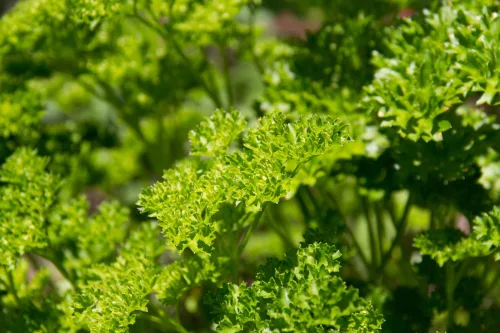
Ten Crops to Sow Before Winter for an Earlier Spring Harvest
Autumn sowing lets hardy vegetables and herbs root in before frosts, so they spring into growth as soon as temperatures rise. With the right timing and bed preparation, you can harvest noticeably earlier in the new season.
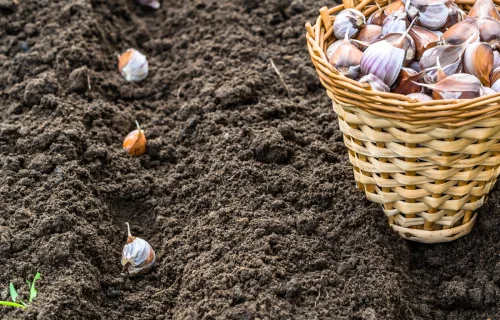
Planting Garlic Has One Rule Most Gardeners Break Right at the Start
Autumn is the ideal time to plant garlic, but timing it by soil and air temperature matters more than the calendar. Planting once temperatures stay below 9 °C and using good cloves in well-prepared soil sets you up for a strong spring start and a better harvest.
Comments (0)
Be the first to comment.