
 English
  Polski
  Deutsch
  Nederlands
  Svenska
  Norsk
Norsk  Dansk
Dansk  Français
  Italiano
  Español
  Português
  Slovenčina
  Suomi
Suomi  Gaeilge
 What you do after peonies finish flowering decides next year’s bloom
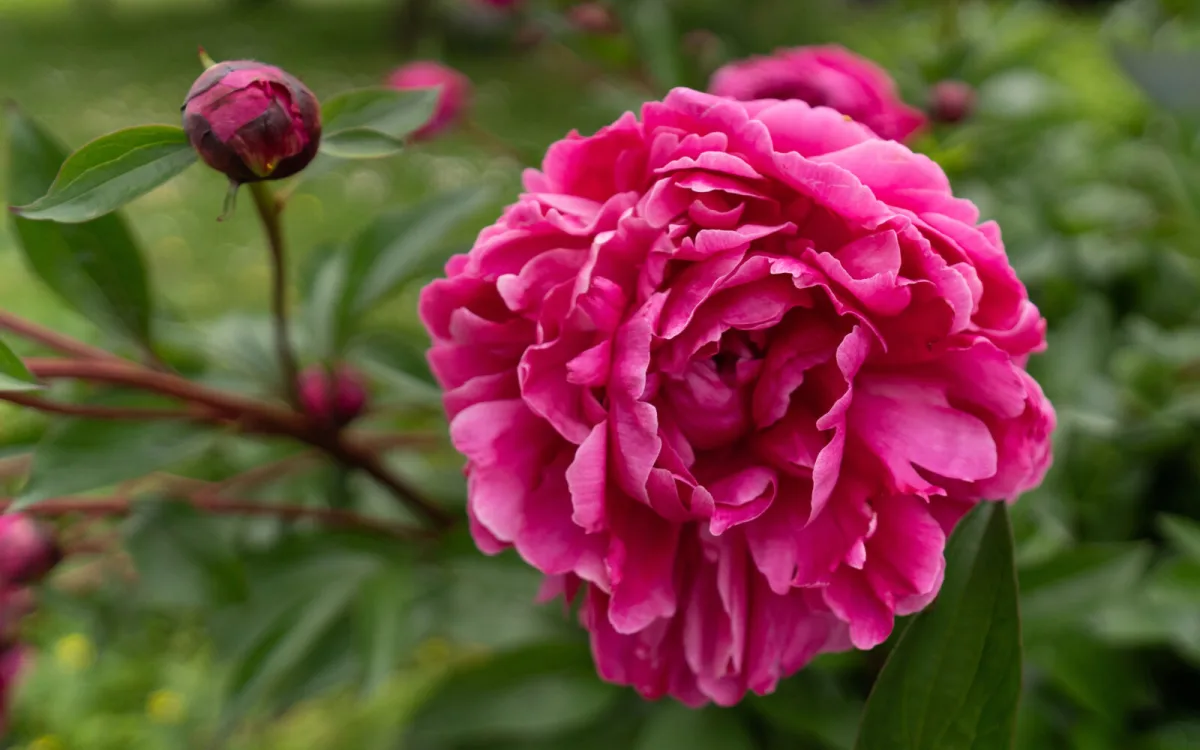
Peonies are among the most beloved highlights of early summer. Their large, often strongly fragrant blooms can hold their full beauty for a good 10 to 12 days, and when they open they turn a border into a colourful spectacle. After flowering, however, the petals drop and what remains at the top of the stems is a spent flower head that gradually turns into a firm green ball. It’s at exactly this moment that many growers decide whether to leave it on the plant or cut it off.
What the green balls are and why they weaken the plant
Those green “pom-poms” aren’t decorative at all, they’re seed pods. Inside them the peony starts producing seed, which is a very demanding stage. The plant invests a substantial share of its energy and nutrients into ripening seed, resources it would otherwise use to strengthen the roots and set buds for next year. The result is usually straightforward: leaving seed pods means a more exhausted clump, fewer future buds, and often smaller, less richly coloured flowers the following season.
How this affects flowering next year
After blooming, a peony needs to rebuild its reserves. Underground it stores energy for dormancy while also laying the foundations for the next flush of flowers. If we allow seed to mature, some of those reserves are quite literally burned up on a process that usually brings no benefit to the gardener, because we rarely sow the seed anyway. If you remove the seed heads in time, the plant can direct its strength where it shows most: into the clump’s vitality and into forming strong buds (eyes) that will produce new stems.
The correct way to cut back after flowering
Removing seed heads takes just a few minutes and anyone with sharp secateurs can do it. The key is to cut thoughtfully. The aim isn’t to shorten the whole stem, but to remove only the spent flower head with the seed pod. Make the cut just above the first healthy, fully developed leaf beneath the bloom. Leave the green foliage in place, because throughout summer it serves as the plant’s energy source. Through photosynthesis it feeds the roots and helps the peony build strength for next year.
Besides improving flowering, this step also has an aesthetic benefit. Once the tired, spent flower heads are removed, the clump looks tidier and cleaner in the border even after the main flowering display is over.
When it makes sense to leave the seed pods
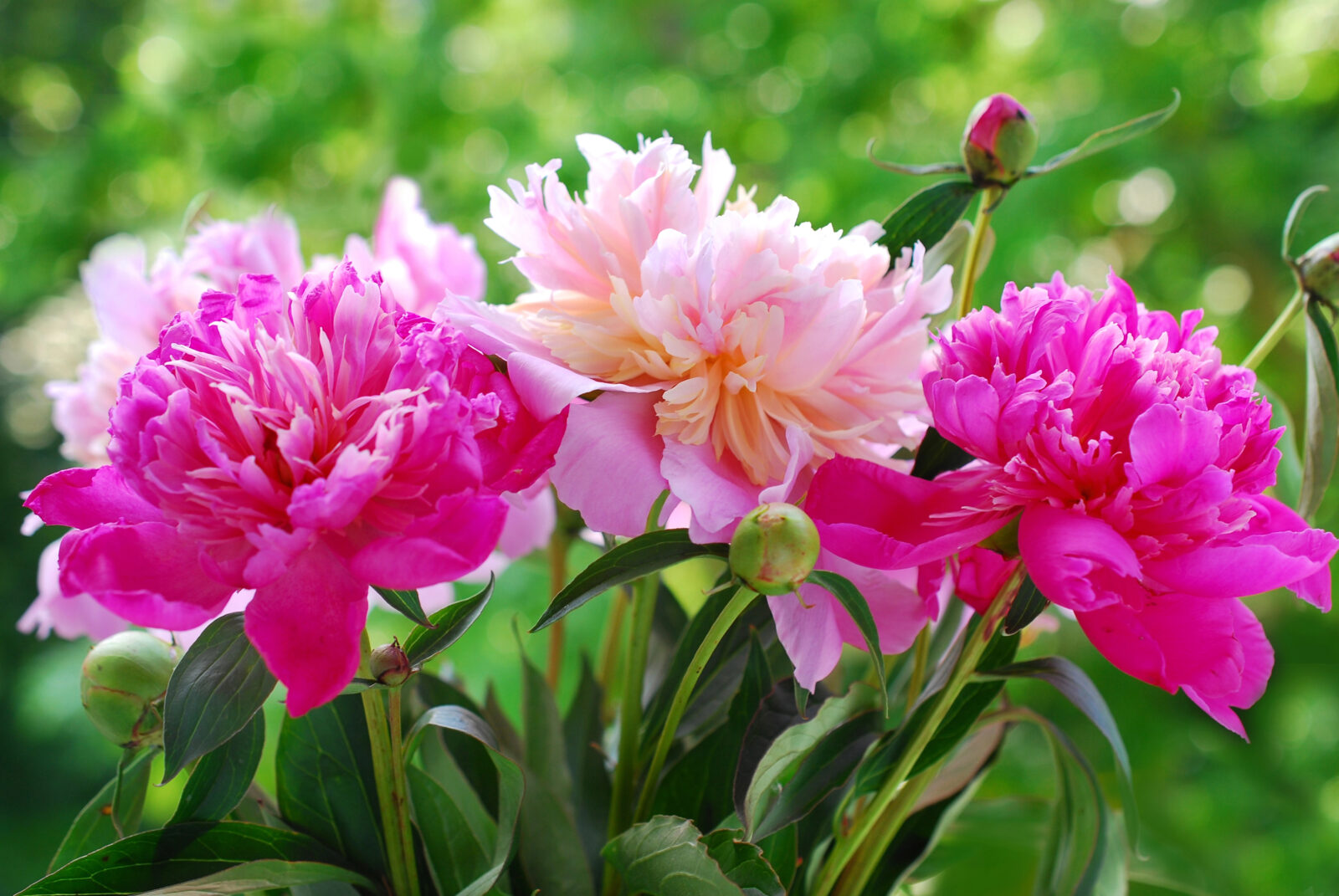
There is one sensible exception: when you specifically want to propagate peonies from seed. In that case, it’s best to leave only one or two of the biggest, strongest seed pods on the plant so the clump isn’t drained unnecessarily. In autumn the pods gradually turn brown and, once ripe, split open. That’s when you can collect the dark, glossy seeds.
Growing peonies from seed is a long game. You should expect the first flowers no earlier than four to five years later.
If your main goal is abundant flowering each year from an established clump, leaving seed pods is usually an unnecessary drain on the plant’s energy.
After deadheading, it’s time for feeding and soil care
Once you’ve removed the seed heads, the peony will appreciate a little follow-up care. Lightly loosen or rake over the soil around the clump and work in well-rotted compost. A fertiliser aimed at flowering is also suitable, one with a higher proportion of potassium and phosphorus. These nutrients encourage the formation of strong underground buds and overall tissue ripening, which shows in a better start next season.
The combination of timely removal of spent blooms and sensible feeding is a simple routine that greatly increases the chance that, in late May to early June, you’ll again enjoy abundant, large and vividly coloured flowers. All it takes is not burdening peonies with unnecessary seed-making after flowering, and instead supporting what they do best: spectacular blooms.
Source: Scott’s Miraclegro, Gardenia, Pestrazahrada.cz

A lover of nature, gardens, and everything that moves, blooms, or grows. He literally grows everything, from herbs to rare species, and he enjoys caring for animals just as much. In his work, he connects modern technology with tried-and-tested grandmotherly methods and is happy when both paths lead to the same goal.
Related articles
The More Often You Harvest, the Longer Plants Keep Cropping
With fruiting vegetables, frequent picking keeps plants flowering and producing for longer. A few crops, such as aubergines, are tastiest when harvested slightly earlier rather than fully mature.
Wasps Aren’t Just a Barbecue Menace They Can Ruin Your Garden Woodwork Too
Weathering isn’t always the main culprit behind damaged outdoor timber. Wasps can scrape fibres from boards and beams surprisingly fast, leaving grooves that soak up water and accelerate decay.
Why hydrangeas wilt in summer even when watered and how to save them fast
Hydrangeas can look limp in hot weather even if you’ve been watering faithfully. The key is to check what’s happening in the root zone, then adjust watering, shade and mulching so the plant can actually use the moisture available.
Comments (0)
Be the first to comment.