
 English
  Polski
  Deutsch
  Nederlands
  Svenska
  Norsk
Norsk  Dansk
Dansk  Français
  Italiano
  Español
  Português
  Slovenčina
  Suomi
Suomi  Gaeilge
 Pruning fruit trees in July Most people put it off for no reason
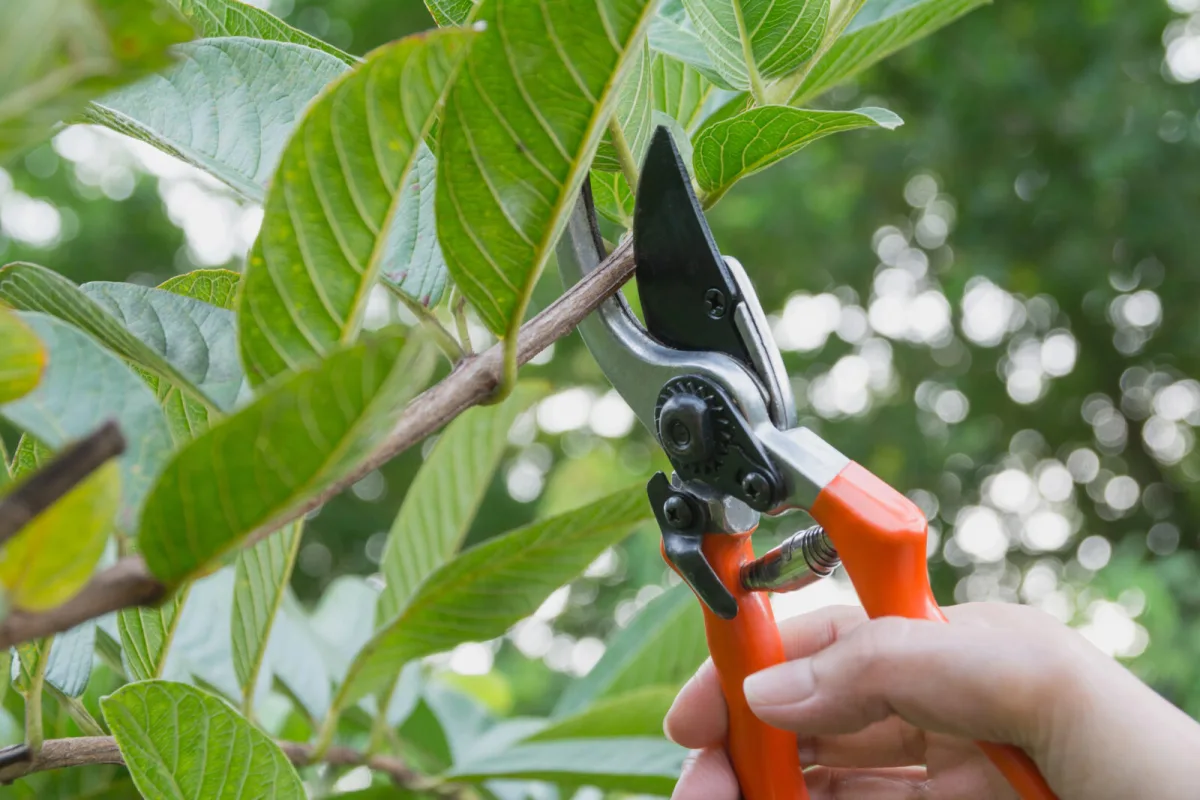
In the middle of summer, the garden is in full swing, fruit is swelling fast, and it’s easy to feel that any work around trees can wait until autumn. But July is actually a very suitable time for a summer prune on certain fruit trees. Unlike a spring prune, which is done mainly to shape the canopy and encourage growth, July pruning has a more practical aim. It helps keep the canopy open, well lit, and healthy over the long term, which shows up in better fruit quality and lower disease pressure.
Why prune in July
By July it’s clear which branches are genuinely carrying fruit and which are simply draining the tree’s energy and overcrowding the canopy. With earlier varieties, harvest is often close or already partly done, so it’s easier to decide what to keep and what to shorten. Summer pruning is often gentler on the tree, too, because wounds usually seal faster when sap flow is steadier than in spring. It also limits vigorous regrowth that would otherwise make the canopy even more congested by the end of the season.
Which fruit trees are most often pruned in summer
Summer pruning is especially useful where a tree grows too strongly, throws long new shoots, and the canopy thickens easily. In July, apple trees are commonly adjusted, particularly vigorous summer varieties. Pear trees are also often pruned, where better light penetration helps with colour development and ripening. With apricots and peaches, a summer cut is recommended mainly after harvest, because these stone fruits don’t usually respond well to spring pruning. Plums can be lightly thinned if growth is overly strong, to improve access to light and air.
Cherries and sour cherries are generally pruned as soon as possible after harvest, often around late June to early July. The point is to reduce the risk of infection and issues such as gummosis, so there’s little sense in delaying this timing unnecessarily.
What to remove in summer and why it matters
July pruning should not be drastic. It’s usually a targeted shortening or removal of shoots that shade the fruit and turn the canopy into a dense ball. Long new shoots that grow into the canopy or straight up are often shortened, because they simply “steal” energy. An important part is removing suckers and water sprouts, meaning fast-growing, upright shoots arising from the trunk or major branches. If these are left untouched, the tree channels nutrients into them at the expense of the fruit.
An open canopy brings other benefits as well. More sun reaches the fruit, so it ripens better and often develops a fuller flavour. At the same time, leaves dry more quickly after rain, which usually reduces fungal diseases. Fewer poorly placed branches also means the remaining fruit can be fed better and reach a better size.
Correct technique and clean tools are essential
For summer pruning, sharp secateurs are usually enough, with a pruning saw for thicker wood. The key is to make clean cuts without tearing, because a smooth wound heals best. Cut above a bud or above a side branch, ideally on a slight angle so water doesn’t run into the wound. If you remove an entire shoot, cut it back at its point of origin so you don’t leave a stub that will heal poorly and sprout badly.
Choose the timing with the weather in mind. Don’t prune in the rain, and avoid extreme heat when the tree is under stress. A dry day with milder temperatures is best. For branches thicker than about 2 cm, it’s worth treating the wound with tree wound sealant or grafting wax, especially on stone fruits, which are more sensitive to damage.
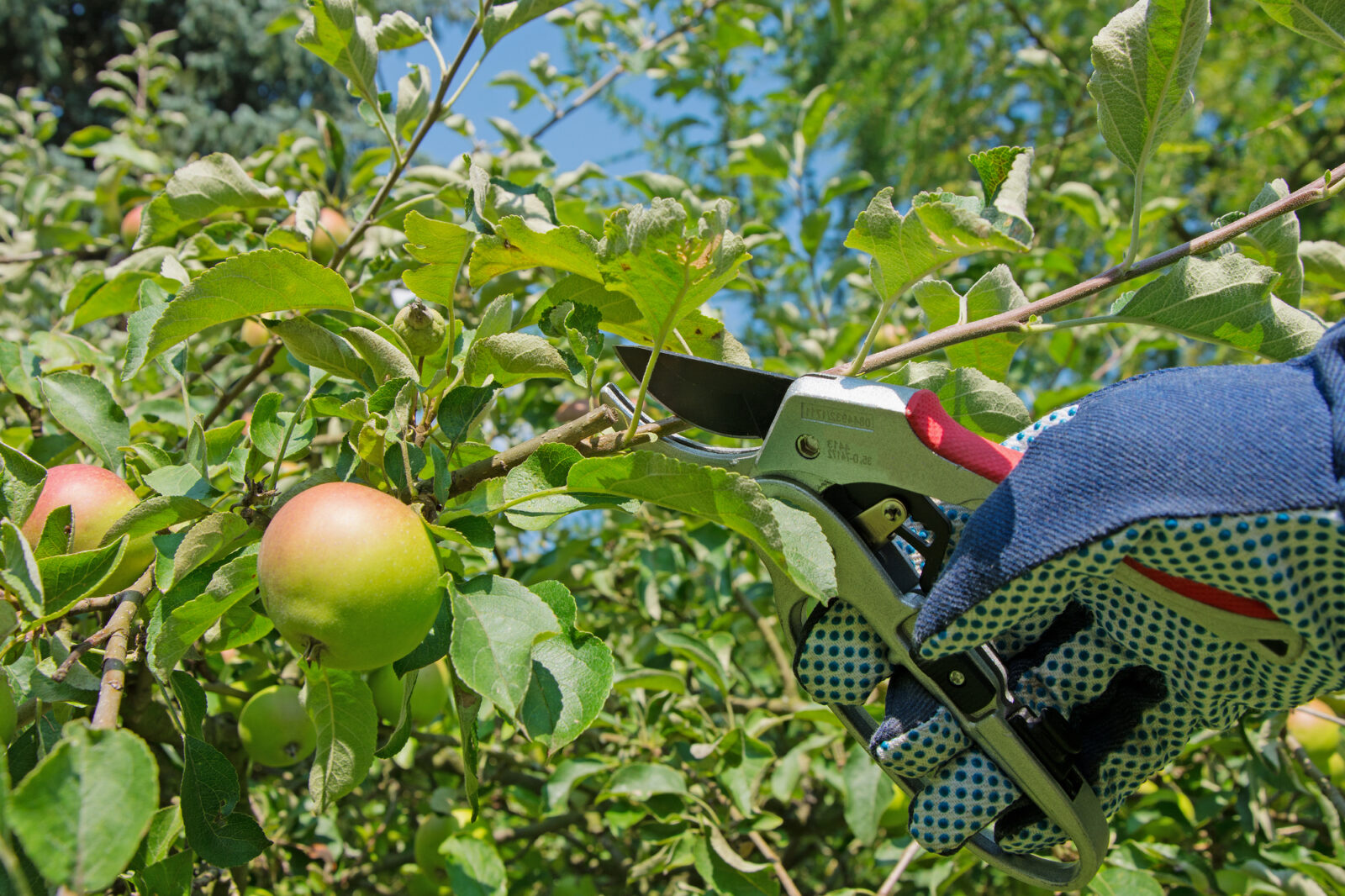
What benefits July pruning brings
A summer cut helps new shoots mature better before the end of the season, making them more resistant to winter frosts. The tree keeps a more open, sunlit canopy, an environment that’s less favourable for pests and diseases. Many gardeners also like that the canopy is gradually kept smaller and easier to manage at harvest and when spraying. In practice, fruit quality often improves as well, because the tree isn’t feeding unnecessary shoots and more energy goes where it’s actually needed.
When it’s better to skip pruning
If a tree is weakened, freshly affected by disease, or generally declining, summer pruning can be an extra strain. In that situation it’s wiser to wait for a more suitable time and focus on watering, feeding, overall health, and gradual recovery. It’s also best not to be too heavy-handed, because the goal of July pruning is gentle correction, not a major rebuild of the canopy.
A light touch that pays back in the crop
Pruning fruit trees in July isn’t complicated if it’s done moderately and with a clear purpose. Remove what shades, overcrowds, and grows in the wrong direction. The tree then lets in more light, fruit has better conditions to ripen, and the canopy stays in a tidy, manageable shape. A few thoughtful cuts in summer can mean a healthier tree and a tastier harvest this season and for years to come.
Source: RHS, Stark Bros, Pestrazahrada.cz

A lover of nature, gardens, and everything that moves, blooms, or grows. He literally grows everything, from herbs to rare species, and he enjoys caring for animals just as much. In his work, he connects modern technology with tried-and-tested grandmotherly methods and is happy when both paths lead to the same goal.
Related articles
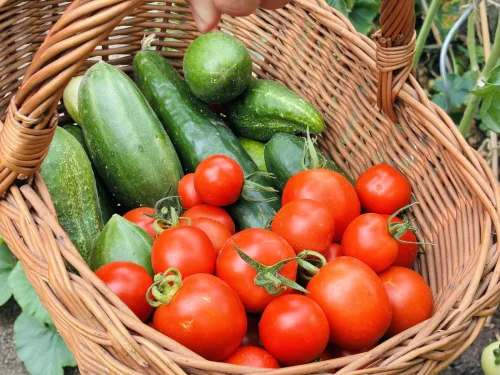
The More Often You Harvest, the Longer Plants Keep Cropping
With fruiting vegetables, frequent picking keeps plants flowering and producing for longer. A few crops, such as aubergines, are tastiest when harvested slightly earlier rather than fully mature.
Wasps Aren’t Just a Barbecue Menace They Can Ruin Your Garden Woodwork Too
Weathering isn’t always the main culprit behind damaged outdoor timber. Wasps can scrape fibres from boards and beams surprisingly fast, leaving grooves that soak up water and accelerate decay.
Why hydrangeas wilt in summer even when watered and how to save them fast
Hydrangeas can look limp in hot weather even if you’ve been watering faithfully. The key is to check what’s happening in the root zone, then adjust watering, shade and mulching so the plant can actually use the moisture available.
Comments (0)
Be the first to comment.