
 English
  Polski
  Deutsch
  Nederlands
  Svenska
  Norsk
Norsk  Dansk
Dansk  Français
  Italiano
  Español
  Português
  Slovenčina
  Suomi
Suomi  Gaeilge
 A Simple Summer Prune for Apple Trees That Determines Next Year’s Heavy Crop
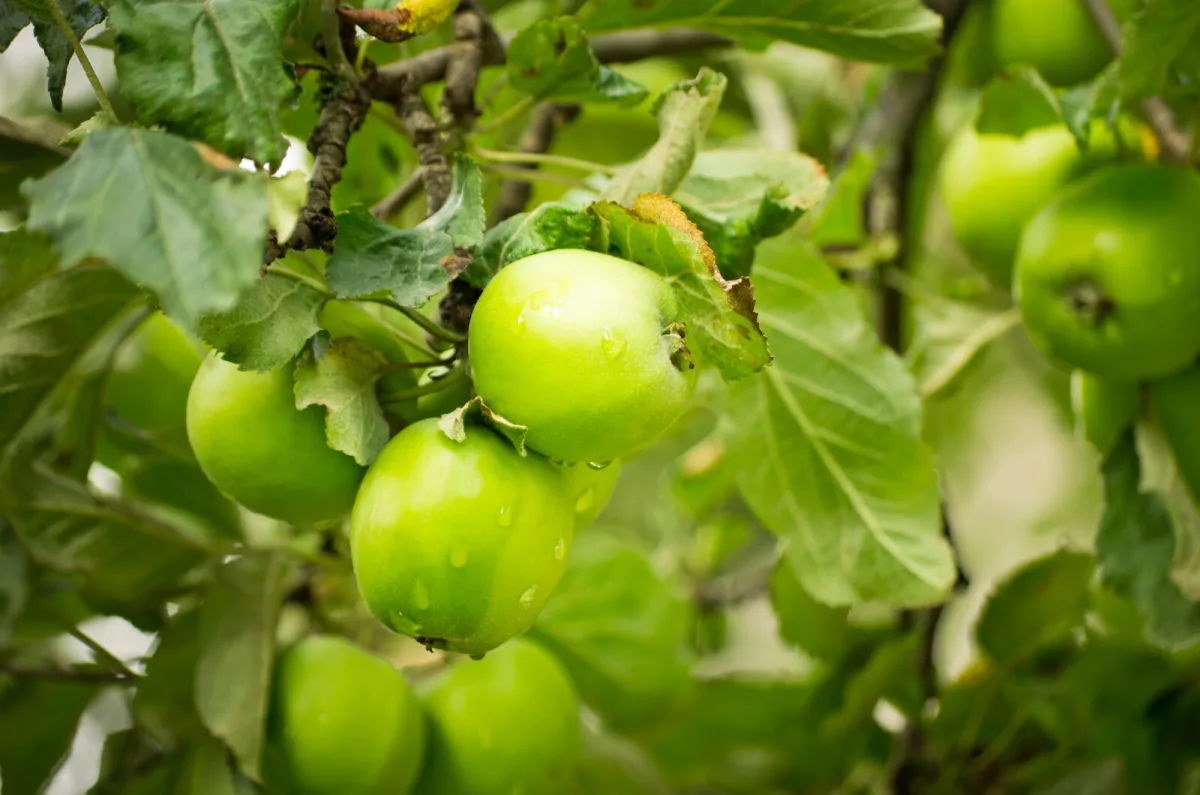
If you want a truly generous apple harvest next season, it’s important not to miss the summer prune. At this time of year, you can clearly show the tree where to direct its energy. The aim isn’t to grow the longest possible new branches, but to encourage the formation of flower buds that will later develop into the crop.
Many fruit trees form the most flower buds on shorter shoots. You’ll often find these short fruiting spurs mainly in the lower part of the canopy, where they grow steadily without unnecessary, lush extension.
What fruiting spurs are and why you should keep an eye on them
Short shoots on which a tree reliably sets flowers and fruit are known as fruiting spurs. They grow more slowly than long current-season shoots, and gardeners usually leave them in place because they’re valuable. Only parts that are diseased, dying back, in the way, or making the canopy too crowded are removed.
To encourage more of this spur growth, you need to shorten this year’s strong shoots. This curbs excessive extension growth and the tree starts investing more in bud initiation.
How to do a summer prune step by step
Get a pair of sharp, clean secateurs ready. With summer pruning, accuracy pays off, because a poorly placed cut can weaken a shoot unnecessarily. Stick to two simple rules used on trees with an already well-formed crown.
Shortening the main strong shoots
On each prominent main current-season shoot, shorten roughly two thirds of its length. Make the cut just above a chosen bud so it’s clean and the tree can recover well. This is the key cut that limits extension growth and steers the tree toward forming fruiting wood.
More severe shortening of side shoots
Side shoots are shortened even more than the main shoots. Leave only two to three buds from the point where they grow out of the parent branch. This helps lateral shoots quickly turn into short fruiting spurs, which are crucial for future yields.
The purpose of summer pruning is to prompt the tree to form flower buds and strengthen fruiting spurs instead of extending shoots.
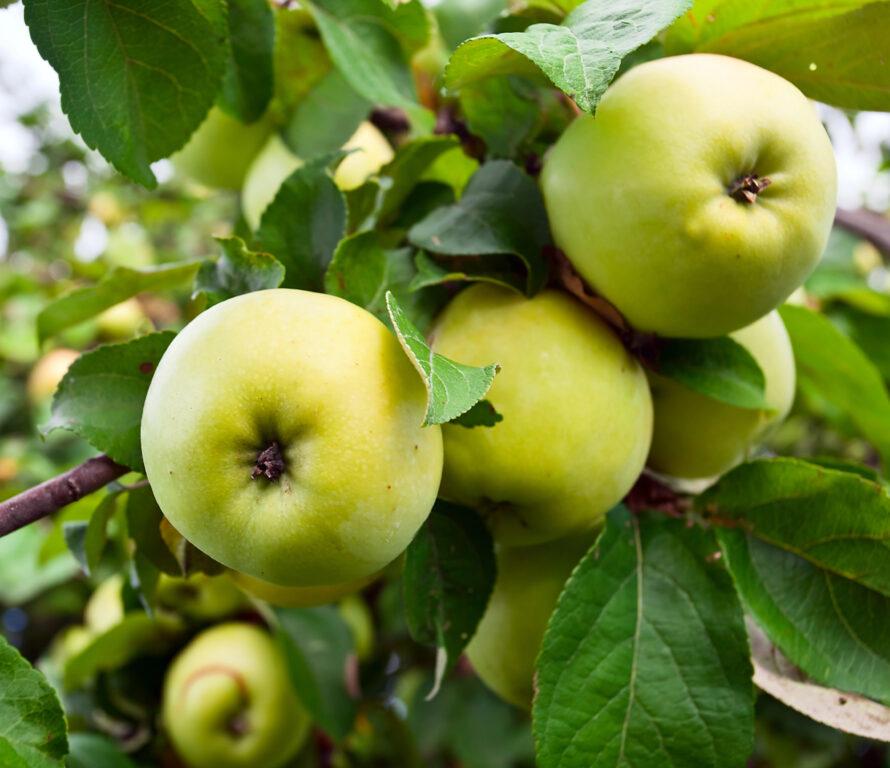
Repeating it every year brings the best results
This type of pruning has the greatest effect when it’s done regularly every year on trees that already have their canopy shape established. That way the crown stays balanced, doesn’t overgrow, and the tree maintains enough fruiting spurs in the right places.
It’s not just for apple trees
The advantage of this approach is how widely it can be used. Using the same principle, you can also encourage fruiting spur development on ornamental crabapples, pears, medlars, and mulberries. So if you grow several species, it’s worth learning this simple summer prune and applying the same logic to your other trees.
Source: Záhrada, Gardening Know How, Pestrazahrada.cz

A lover of nature, gardens, and everything that moves, blooms, or grows. He literally grows everything, from herbs to rare species, and he enjoys caring for animals just as much. In his work, he connects modern technology with tried-and-tested grandmotherly methods and is happy when both paths lead to the same goal.
Related articles
Ten Minutes in Autumn Decide Your Currant Crop
Currants crop best on younger wood, while old stems drain the plant and shade out productive new growth. A quick autumn prune keeps the bush open, healthy, and reliably fruitful next season.
White Painted Trunks in Orchards Protect Trees from a Hidden Winter Threat
Whitewashing tree trunks in winter isn’t decoration. It helps prevent bark cracking caused by sharp day-to-night temperature swings and reduces the risk of disease entering through wounds.
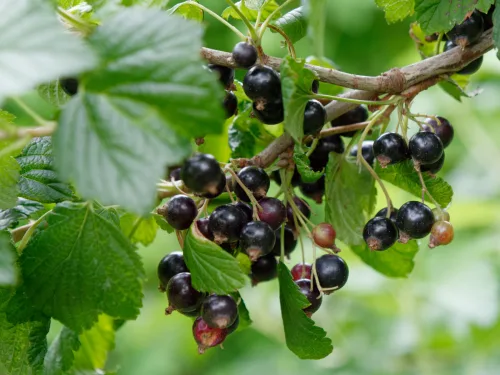
What to do for currant bushes in October so they’re loaded with fruit next year
October is the best time to set currant bushes up for a strong spring and a heavy crop. With the right pruning, protection and autumn feeding, you’ll encourage more flower buds and better winter hardiness.
Comments (0)
Be the first to comment.