
 English
  Polski
  Deutsch
  Nederlands
  Svenska
  Norsk
Norsk  Dansk
Dansk  Français
  Italiano
  Español
  Português
  Slovenčina
  Suomi
Suomi  Gaeilge
 July is Your Last Chance for These Crops
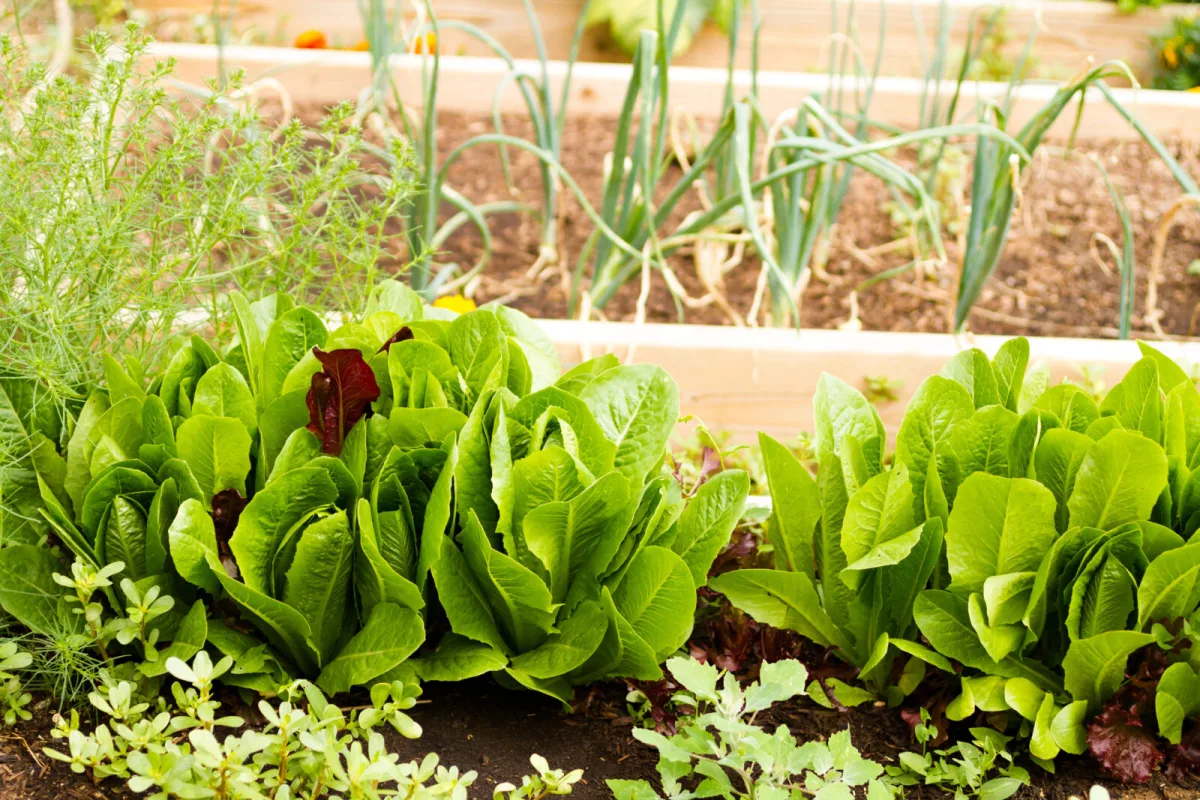
July is one of the most rewarding months for sowing. The soil is warm, the air temperatures are consistently higher, and long days with plenty of light speed up germination. That means you can extend the harvesting season in your beds and, at the same time, top up your stock of perennials, biennials, and even houseplant or greenhouse exotics grown from seed. Bear in mind, though, that summer soil is often drier and water levels are lower, so newly sown and freshly planted crops usually need more frequent and deeper watering.
In July it pays not only to sow quick-growing vegetables, but also to transplant seedlings raised in spring. With tender, warmth-loving types, it’s best to act early in the month so they have enough time to set a crop before the first autumn frosts.
Vegetables to sow and plant in July
Lettuces and leafy greens
Lettuce and mixed salad leaves are among the quickest crops you can sow successionally through the season. In July, sow into shallow drills or into pots. With hearting types it’s important to give plants enough space so they can form firm heads, while with cut-and-come-again leaves you can snip young foliage as needed.
Carrots for a late harvest
July is often seen as the last safe window for sowing carrots for an autumn harvest. Sow directly into the bed in finely prepared soil, ideally thinly, so you have as little thinning to do later as possible. Minimising thinning has a practical reason: bruised foliage and the scent can attract pests that home in on carrots.
Turnips that give more than one harvest
Turnips are unfairly overlooked in many gardens. From a single plant you can harvest both edible roots and tasty leaves. After lifting, it’s best to use them promptly, as they don’t usually store in perfect condition for long. Sow directly into shallow drills and, with regular watering, you can look forward to a good winter harvest.
Radishes as a quick, reliable crop
Radishes mature very quickly, are easy to grow, and usually suffer fewer problems than many other crops. They’re ideal for summer sowings because they quickly boost your harvest and add a punchier flavour to salads. In practice they’re also often used as a companion crop alongside slower-growing vegetables.
Dwarf French beans right up to the last sowing
With beans grown for pods, July is the last month when it still makes sense to sow them so they can crop before autumn cools down. Dwarf varieties can be sown into beds or into larger containers. The key is not to underestimate watering, especially during flowering and pod set.
Winter cabbage for transplanting
July is the right time to plant out winter cabbage from seedlings raised in spring. If planted in good time, it will have time to bulk up and form solid heads for the winter months. After planting, firm the soil well, water thoroughly, and protect the crop through the season from pests and birds, as cabbages are a common target in summer.
Swiss chard for autumn and early spring
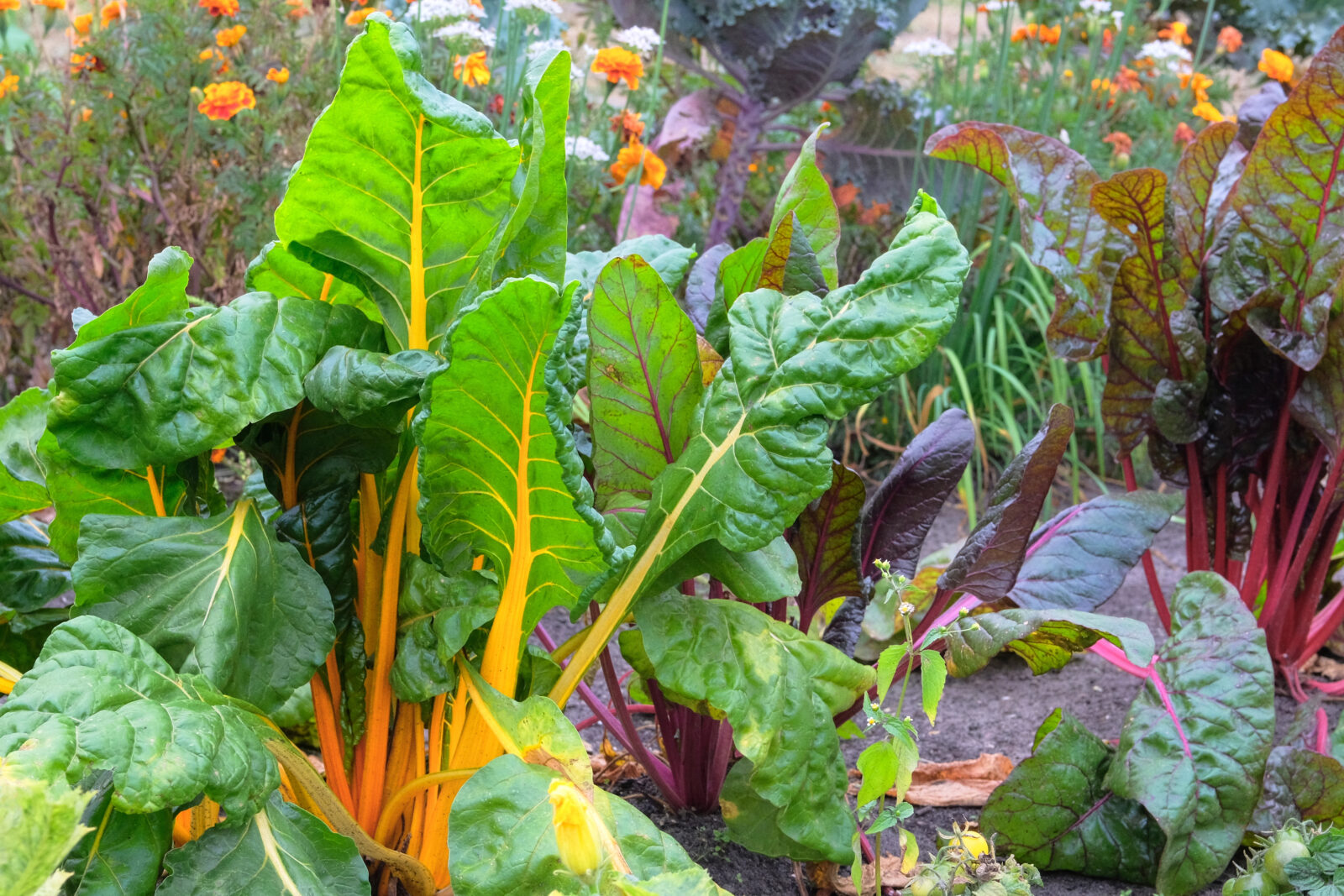
Swiss chard sown in July can give you a harvest in autumn and, in a mild winter, often overwinters outdoors, offering early leaves the following year too. Sow in rows to a depth of a few centimetres; once seedlings are up, thin them so they have room to grow into strong plants.
Coriander that appreciates partial shade
Coriander is sensitive to heat and drought in summer, as it can bolt easily. In July it does best where it’s protected from harsh midday sun, or in a container that can be moved. It’s best to sow it where it is to grow, because it develops a longer root and doesn’t take kindly to transplanting.
Fruit you can plant in July with caution
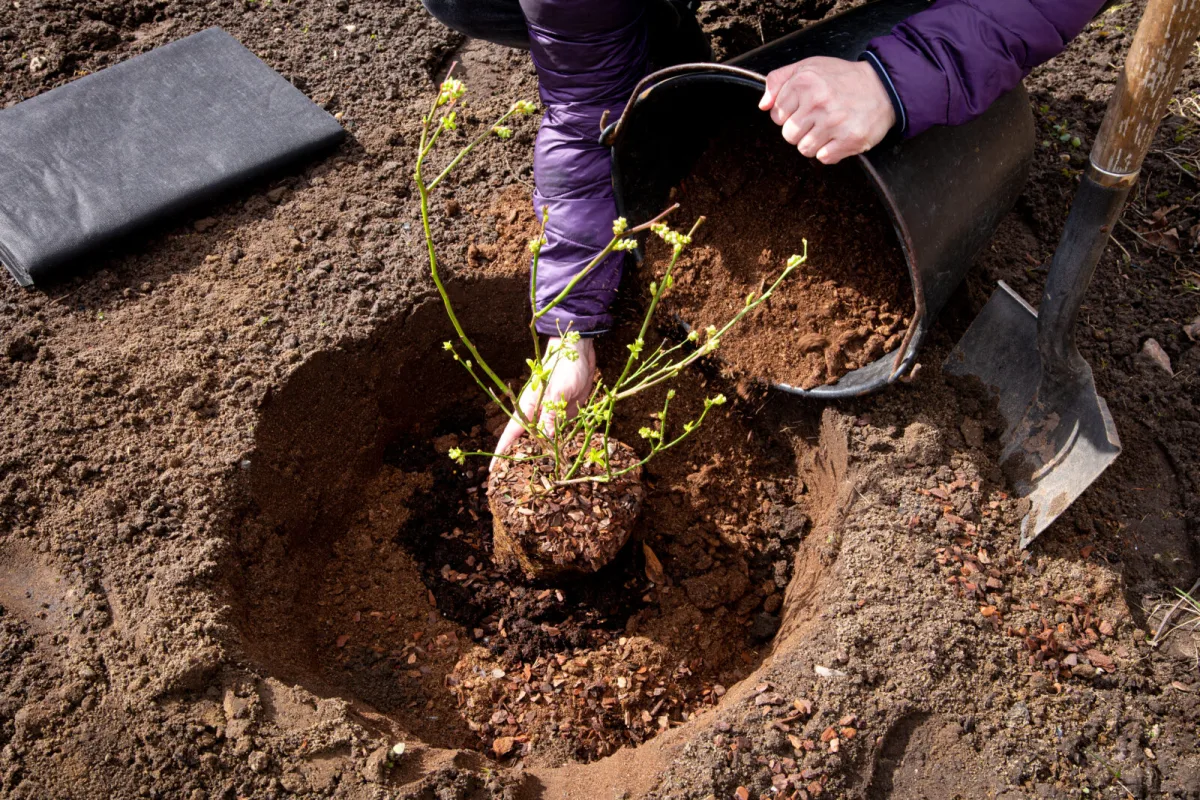
Container-grown fruit bushes and trees can, in theory, be planted year-round, but July is more challenging because of heat and drought. If you do decide to plant, success depends mainly on regular watering after planting and good mulching to stop the soil from drying out.
Highbush blueberries
They’re best planted from autumn to spring, but container-grown plants can also go in during summer if you keep them well watered. Blueberries need an acidic growing medium, so in many gardens it’s easier to grow them in large containers filled with ericaceous compost. During hot spells it’s important to make sure the pots never dry out completely.
Gooseberries
Gooseberries also establish best outside the hottest weather, but in July you can plant them if you choose a sheltered spot and water diligently after planting until they’ve rooted in. A sunny position or light partial shade suits them well, and the root ball should sit level with the surrounding soil once planted.
Flowers to sow and plant in July
Delphiniums for blooms next summer
July is often the last chance to sow delphiniums if you want them to flower next season. They bring a classic look to the garden, and many cultivars are valuable to pollinators because they offer plenty of nectar and pollen.
Bird of paradise as a summer sowing of something exotic
If you fancy trying something unusual, bird of paradise (Strelitzia) can be sown in summer as a striking perennial to grow indoors or in a greenhouse. It’s known for its dramatic flowers, which also make good cut blooms, but do be prepared for a longer wait for the first flowering.
Forget-me-nots for spring impact
Forget-me-nots can be sown from late spring through to early autumn. In July, you can scatter seed into gaps in the border to self-establish naturally, or sow into trays and transplant the seedlings later. This approach mirrors their natural cycle after spring flowering.
Pansies with a head start for winter and spring
Sowing pansies in July gives them time to strengthen before autumn planting out. If you start right at the beginning of the month, plants develop better and usually flower more generously the following season.
Horned violets and scented biennials including violets
Summer sowings of biennials are very practical in July. Alongside classic biennials sown in summer and flowering next spring, this also includes plants typical of cottage gardens. The key is to keep the seed compost evenly moist, as fine seeds dry out quickly.
Foxgloves and other biennials
Foxgloves sown in July have time to form strong rosettes and usually flower the following year. The tiny seeds are sown on the surface of moist seed compost and only lightly covered so they still receive light. Other biennials are sown in the same way in summer and then planted into their final positions in autumn.
Autumn crocuses for autumn flowers
If you’re thinking about bulbs that will flower in the same year, late July is the right time to plant autumn crocuses. Plant corms with the pointed end up, at an appropriate depth and spacing so they have room to form clumps. They do just as well in containers.
Dahlias as a quick way to fill gaps
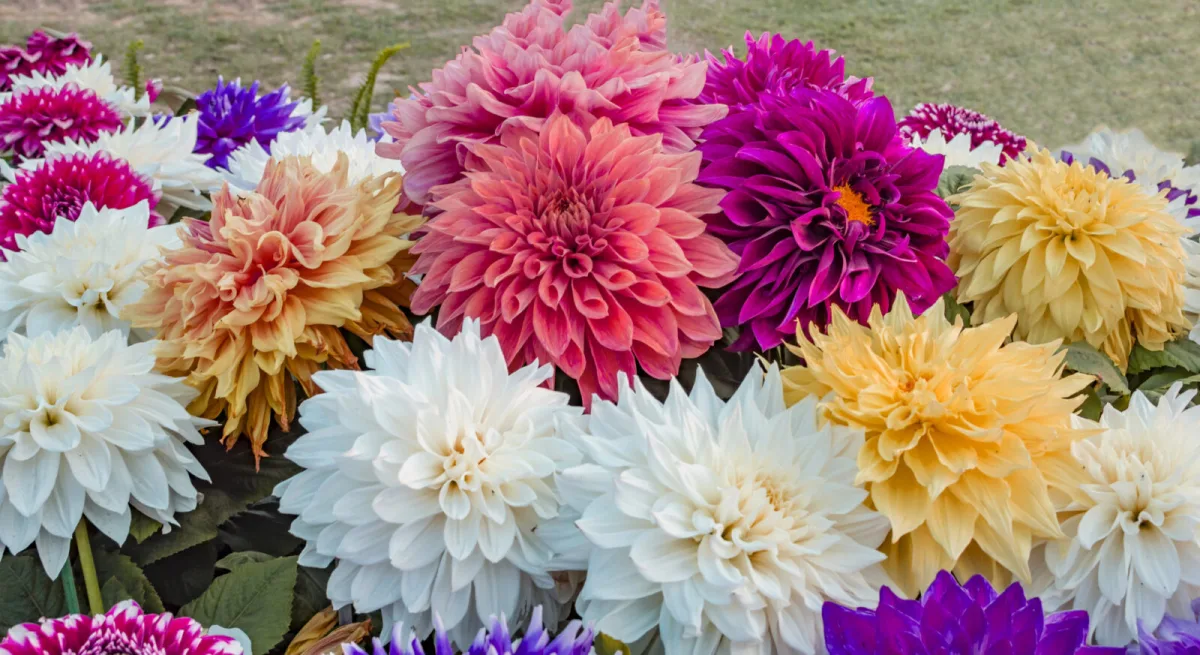
Dahlia tubers are usually started in spring, but in July you can plant ready-to-go, flowering container plants to fill empty spaces in beds quickly. It’s a more expensive option, but a practical one when you need instant colour. Lower-growing varieties also suit pots well, and with good care they’ll flower right through to autumn.
Shrubs and trees you can only plant in July with consistent watering
With woody plants, the rule is simple: you can plant container-grown stock in summer, but success depends on consistent aftercare. In hot weather, the biggest risk for new planting is the root ball drying out quickly.
Hydrangeas for instant impact
Hydrangeas can be planted in July too, and they’re often sold in full flower, so they make a quick statement in the garden. They do best in partial shade and in soil that holds moisture while still draining excess water. More compact cultivars can also be grown in large containers, but watering needs close attention throughout summer.
Buddleja as a reliable summer shrub
Buddleja is planted in a sunny spot in free-draining soil. It’s a tough, fast-growing shrub that can flower for a long time and produce masses of blooms. With summer planting, it’s crucial not to let a newly planted shrub dry out until it’s well established.
A practical note on July care
High temperatures speed up germination and growth, but they also increase water demand. Whatever you sow or plant in July needs steady moisture so it establishes quickly and doesn’t stall.
Source: Gardeners World, Rhs , Pestrazahrada.cz
Related articles
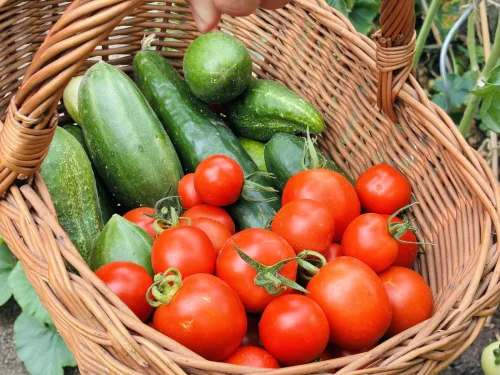
The More Often You Harvest, the Longer Plants Keep Cropping
With fruiting vegetables, frequent picking keeps plants flowering and producing for longer. A few crops, such as aubergines, are tastiest when harvested slightly earlier rather than fully mature.
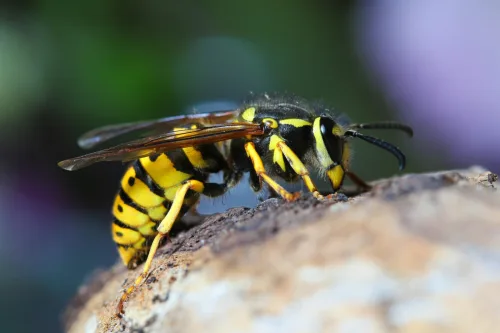
Wasps Aren’t Just a Barbecue Menace They Can Ruin Your Garden Woodwork Too
Weathering isn’t always the main culprit behind damaged outdoor timber. Wasps can scrape fibres from boards and beams surprisingly fast, leaving grooves that soak up water and accelerate decay.
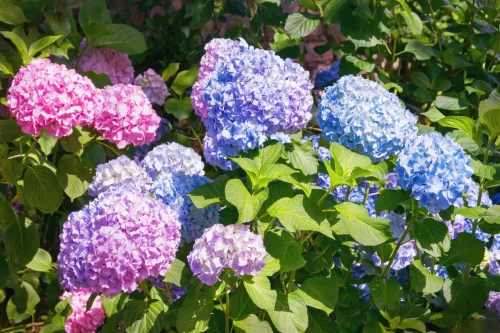
Why hydrangeas wilt in summer even when watered and how to save them fast
Hydrangeas can look limp in hot weather even if you’ve been watering faithfully. The key is to check what’s happening in the root zone, then adjust watering, shade and mulching so the plant can actually use the moisture available.
Comments (0)
Be the first to comment.