
 English
  Polski
  Deutsch
  Nederlands
  Svenska
  Norsk
Norsk  Dansk
Dansk  Français
  Italiano
  Español
  Português
  Slovenčina
  Suomi
Suomi  Gaeilge
 How to Tie Up Tomatoes and Other Vegetables to Supports Without Snapping Stems
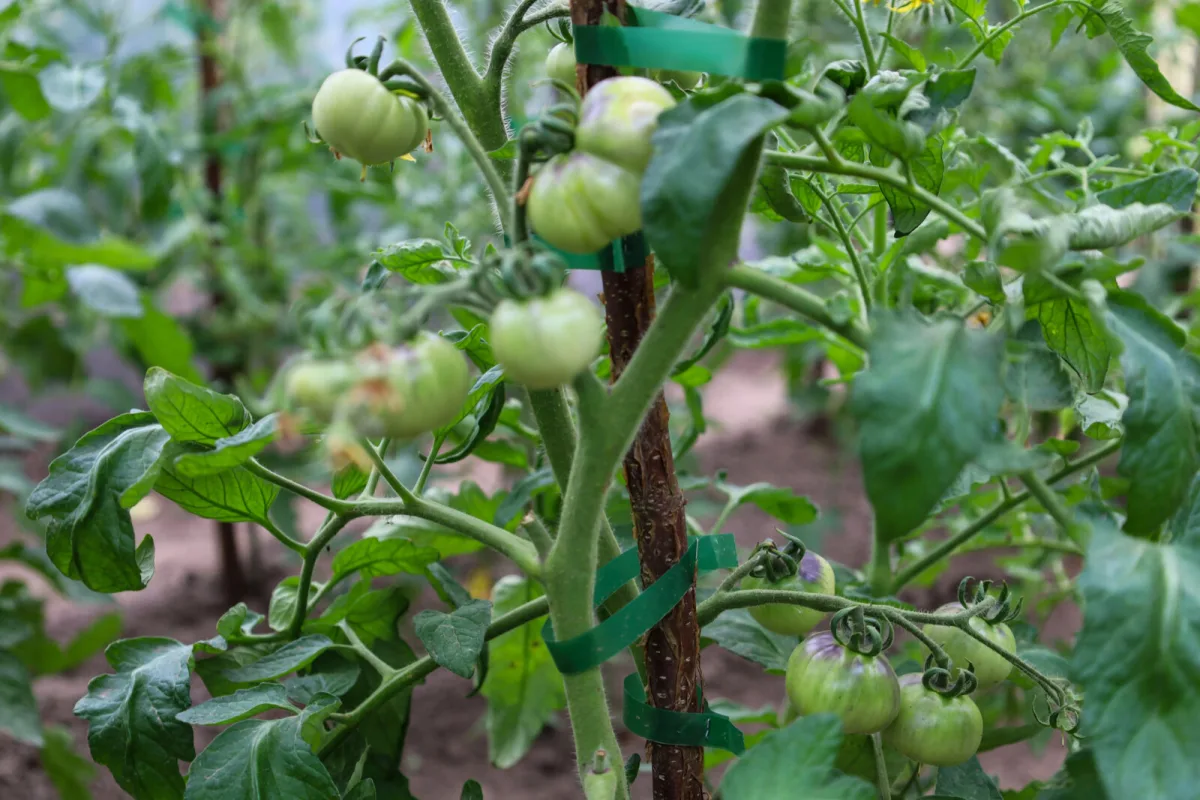
During periods of rapid growth, vegetables quickly put on bulk, set new leaves and fruit, and without being trained upward they easily flop over. Shoots then snap under the weight of the crop, fruit sits on wet soil, and plants take up space unnecessarily. Tying in isn’t just about keeping beds tidy. A proper support keeps the crop more open to air and light, and usually leads to better quality and higher yields.
Which crops need support the most
Most often, gardeners tie up tomatoes, cucumbers, peppers, beans and peas. With indeterminate (cordon) tomatoes, support is practically essential, because they commonly grow over two metres and can easily break without it. Training also makes it easier to pinch out side shoots and improves airflow between the leaves. Cucumbers can be left to sprawl on the ground, but on a net or string the fruit stays cleaner, rots less, and plants usually have fewer problems with powdery mildew and other fungal diseases. With peppers, support is most useful for taller, heavy-cropping varieties, where the weight of the fruit can lever and split side branches. Climbing beans and peas can hardly manage at all without a structure.
How tall the support should be
Choose the height according to the crop and the variety. Indeterminate tomatoes are often trained to roughly 150 to 250 cm, cucumbers to about 180 cm, and peppers usually manage with 100 to 150 cm. Climbing beans most often need around 200 to 250 cm so they have somewhere to climb and don’t collapse to the ground.
Healthier plants and cleaner fruit are the main bonus
Plants tied up and grown vertically get more light and air, so after rain or morning dew they dry faster. That reduces the risk of blight and other fungal infections. Fruit doesn’t sit on the soil, stays cleaner, rots less, and is often less damaged by slugs and soil pests. Harvesting is also more comfortable, and you save space because growing on supports reduces the footprint the crop takes up.
When to start and how often to check ties
It’s best to put supports in at planting time or shortly afterwards. If you drive them in later, you can easily damage the roots. Tie young plants in gradually as they grow, and in summer check at least once a week. Stems thicken quickly, and a tie that was loose not long ago can start to cut in. With tomatoes, new ties are typically added continually throughout the season. Cucumbers should be guided regularly onto the net or string until they start to grip on their own with tendrils.
Which materials are gentle on plants
When tying, use soft, flexible materials that won’t cut into the tissue and will accommodate a thickening stem. Jute twine, fabric strips, soft horticultural ties, or special tomato clips all work well. By contrast, thin wire, hard cord or nylon line can injure stems, create small wounds, and make it easier for diseases to enter.
Which type of support to choose for beds and greenhouses
The simplest choice is sturdy wooden or bamboo canes, which need to be strong enough and pushed in deep enough to stand up to wind and the weight of the plant. In greenhouses, string training from above is common, with the plant gradually wound around a taut twine. This saves space and makes care and harvesting easier. Metal cages are also popular: the plant grows up through them, so it needs tying less often. In recent years, metal spirals have become widespread; they’re easy to install and come in different heights and colours, from shorter ones for patio varieties to tall versions for vigorous tomatoes. For cucumbers, peas and beans, nets and trellises are ideal, as the plants naturally climb them.
Mistakes that show up during thunderstorms
A common problem is weak supports or poorly anchored canes. Trouble often doesn’t appear until summer storms, when wind and heavy, wet growth can damage whole shoots. Just as dangerous is tying too tightly, which combined with stem growth causes constriction and weakens the plant.
Tying with a gentle touch and why to be careful with spirals
The most important thing is not to injure the plant while you work. Never cinch a tie tight, because the stem noticeably thickens over summer. Always leave a little slack, and with tomatoes it’s better to tie just below a leaf or below a truss, where the stem is usually stronger. The figure-of-eight method is reliable: cross the twine between the support and the stem so the plant doesn’t rub on the cane. If you wind tomatoes around a spiral, do it slowly and gently, because with a rough twist more brittle stems can snap easily. It’s best to support heavy shoots before they start to bend, and handle plants especially carefully in hot weather, when tissues are more prone to cracking.
Regular tying in takes a few minutes a week, but the reward is healthier plants, cleaner fruit and a much easier harvest.
Source: BHG, The Spruce, Zahrádkár, Pestrazahrada.cz

A lover of nature, gardens, and everything that moves, blooms, or grows. He literally grows everything, from herbs to rare species, and he enjoys caring for animals just as much. In his work, he connects modern technology with tried-and-tested grandmotherly methods and is happy when both paths lead to the same goal.
Related articles
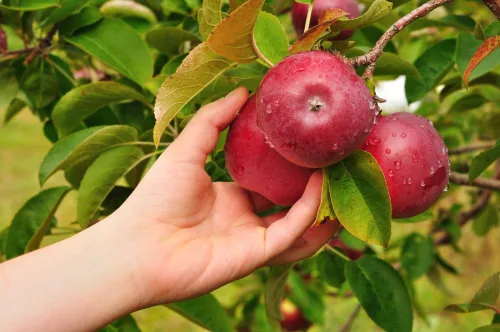
Picking Apples Without Mistakes Helps Keep Your Harvest Fresh and Rot-Free for Longer
How you handle apples at harvest has a huge impact on how long they keep. Gentle picking, careful sorting and the right storage conditions will help prevent rot and unnecessary losses.
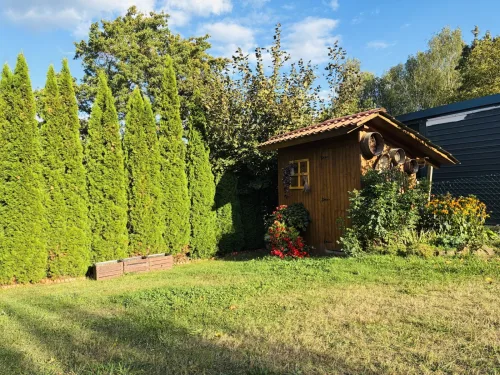
A Lawn Without Bare Patches Depends on Two Things People Rarely Mention
Sowing a lawn from seed is affordable and flexible, but success hinges on careful soil preparation, the right seed mix, and patient aftercare. Follow proven timing and sowing techniques to get a dense, even sward without bare patches.
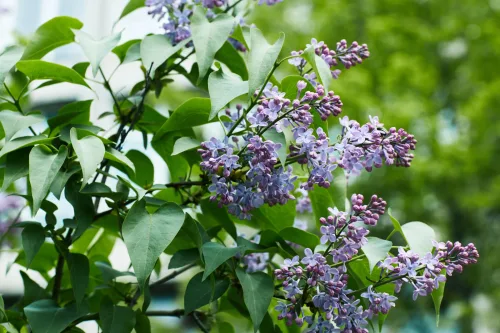
September Pruning Can Be Fatal for Shrubs Leave These Types Alone
Early autumn can tempt you to tidy shrubs with the secateurs, but September pruning can trigger soft new growth, weaken plants for winter, and cost you next spring’s flowers. For many shrubs, waiting until after flowering or until spring is the safer choice.
Comments (0)
Be the first to comment.