
 English
  Polski
  Deutsch
  Nederlands
  Svenska
  Norsk
Norsk  Dansk
Dansk  Français
  Italiano
  Español
  Português
  Slovenčina
  Suomi
Suomi  Gaeilge
 Stink Bugs Taint Tomatoes and Ruin the Harvest Get Rid of Them Before It’s Too Late
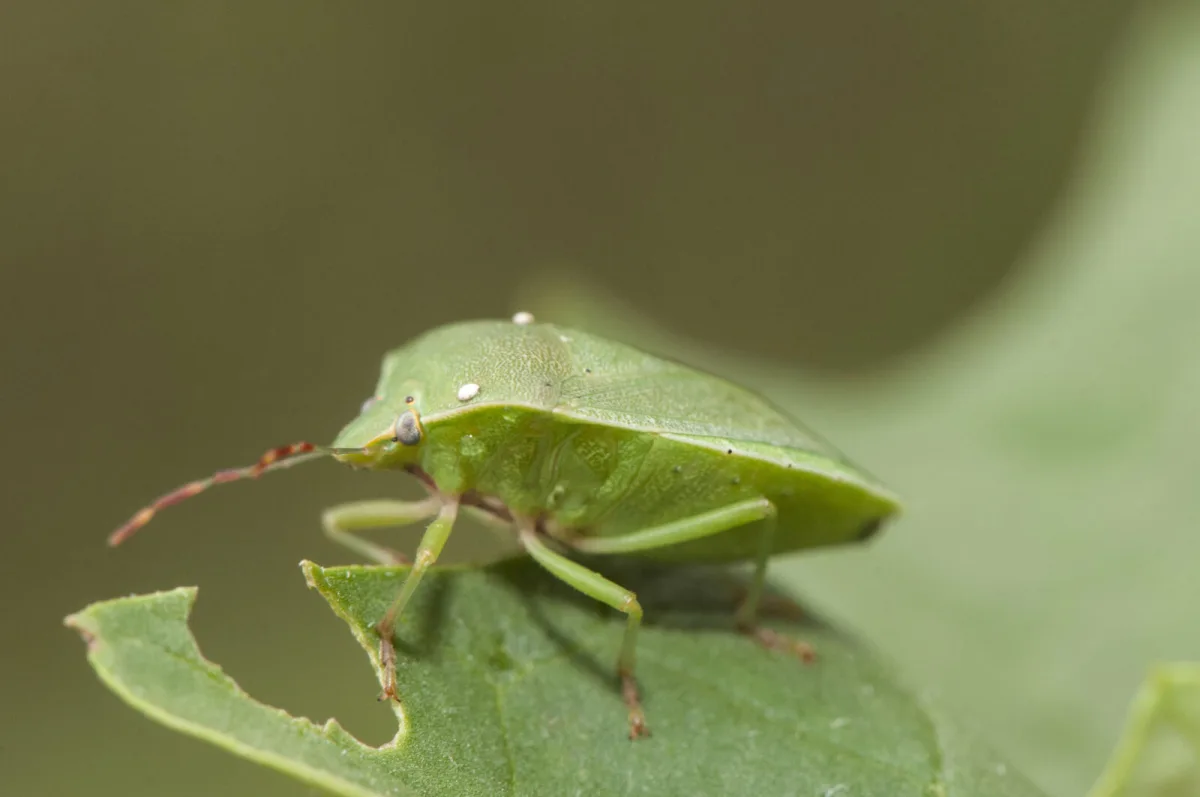
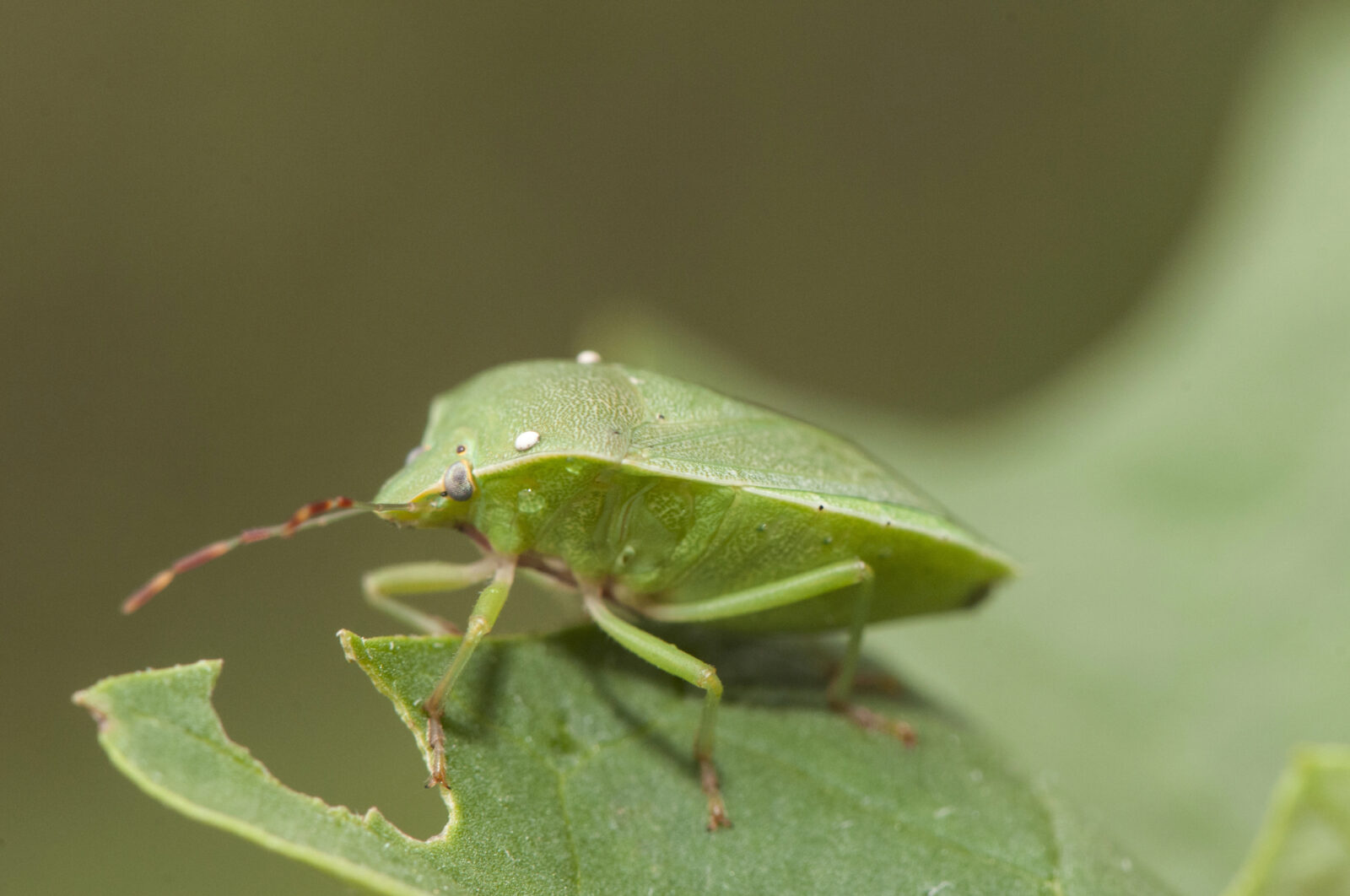
Stink bugs have become one of the most talked-about pests in gardens in recent years. It’s no longer just a handful of insects on veg; their numbers are increasing around homes and on ornamental plants too. Although they often go unnoticed, their excellent adaptability means they can colonise a wide range of host plants and, when populations surge, cause very real losses.
Which species cause the biggest problems
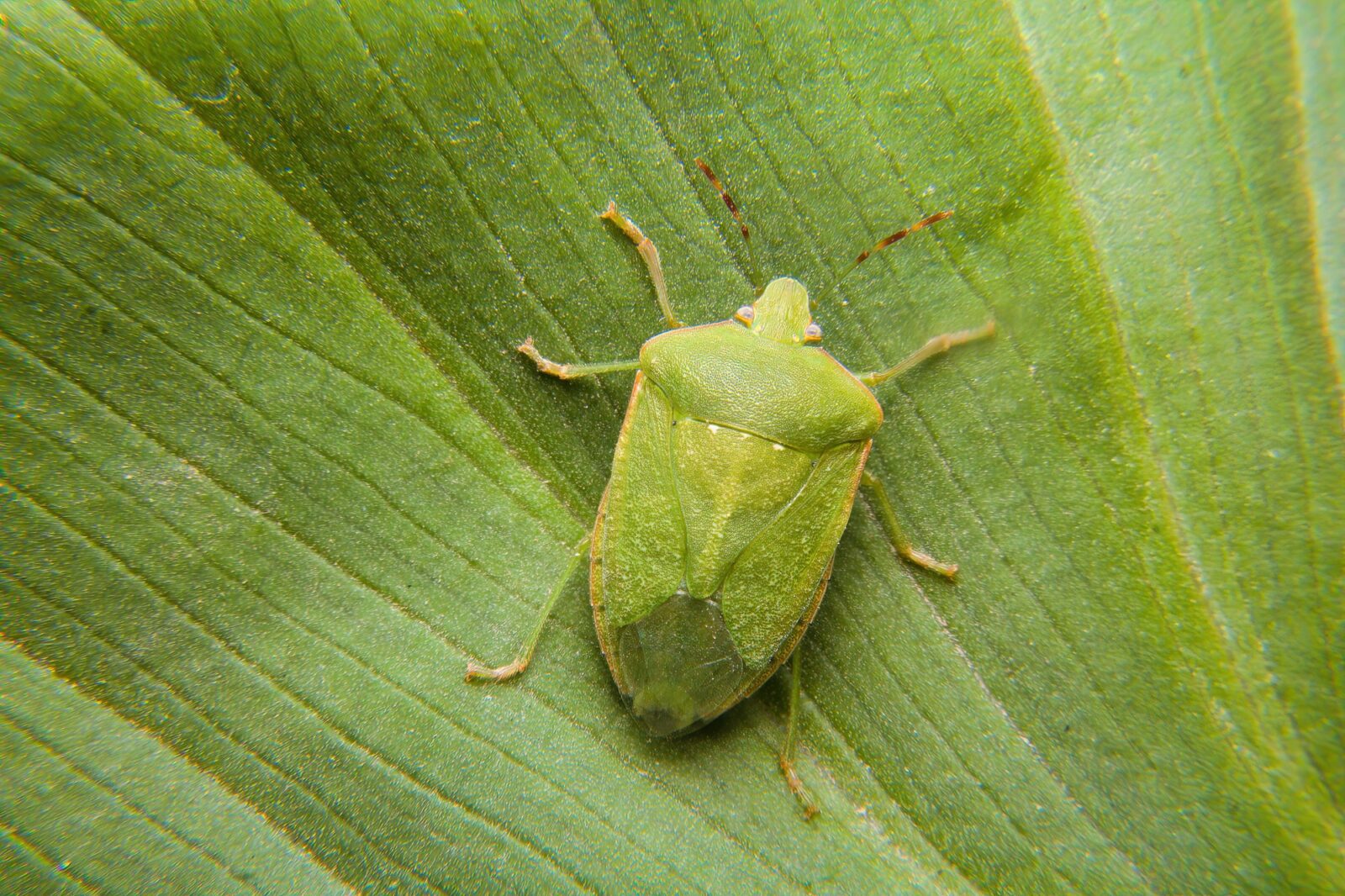
Among the best-known troublemakers is the southern green stink bug (Nezara viridula). It likely originates from the Mediterranean or eastern Africa and used to be associated mainly with warmer southern parts of Europe. With a warming climate, however, it has been moving north. In our conditions it has only been recorded in recent years, and it has settled in quickly.
The key to its success is its polyphagy, meaning it can feed on many different plants. Specialist sources report it can attack more than 150 species. Gardeners most often find it on tomatoes, peppers and brassicas, but it also turns up on squashes, fruit trees, herbs and ornamental plantings.
Another significant pest is the brown marmorated stink bug (Halyomorpha halys), which appeared in Europe in the new millennium and has gradually spread into Central Europe. In practice it’s troublesome not only in the garden, but also because it seeks shelter inside buildings.
How stink bugs damage leaves and fruit
Stink bugs have piercing-sucking mouthparts. They puncture plant tissues and suck out sap, weakening plants and reducing their vigour. The most obvious damage is usually on fruit, where you’ll see distortion, poorer flavour and dry, corky patches. Such produce loses not only its looks but often its usefulness in the kitchen. With heavy infestation, the whole plant can become exhausted, and fungal diseases can take hold more easily through the damaged areas.
Why you can’t eliminate them completely from the garden
Completely wiping out stink bugs in a garden setting is essentially unrealistic. They reproduce quickly, they’re mobile, and they can survive in a range of conditions. Adults can also fly in from further away and re-colonise places where you’ve already taken action. People can contribute to their spread too, by accidentally carrying them on crates, pots or other items brought in from the garden.
For the southern green stink bug, it’s reported that it can produce several generations in a season and overwinters as an adult, quickly moving onto host plants in spring. That’s exactly why their numbers can climb surprisingly fast.
Overwintering and turning up in the home
As soon as it cools down outside, stink bugs start looking for shelter. In nature they hide under tree bark, in fallen leaves, or in cracks and hollows. Increasingly, though, they head indoors where temperatures are more stable. They get into the house through gaps, ventilation openings, or hitchhike in on items brought in from outside. Their presence is mainly unpleasant because of the smell and the sheer number of individuals, but it usually isn’t a health risk.
Prevention indoors and around windows
The most effective defence is simple and comes down to being thorough. Make sure insect screens are in good condition, check that windows and doors fit properly, and seal any cracks they could squeeze through. Even a small gap can become a doorway, especially when stink bugs are searching for somewhere to overwinter.
A kitchen-made spray for lighter infestations
With a low to moderate presence, you can try a simple homemade spray. A soapy solution disrupts the insect’s protective outer layer that prevents it drying out, and the pests gradually die from dehydration. The effect is often more noticeable on younger stages. Adding vinegar shifts the pH and can irritate breathing openings, so combined with soap it makes conditions harder for stink bugs to survive.
You can mix the solution from 1 litre of water, 1 tablespoon of liquid soap and 1 tablespoon of vinegar. Apply with a hand sprayer, focusing mainly on the undersides of leaves. Repeating it makes sense about once a week, and also after heavy rain, which washes the active layer away.
Spray in the morning or evening, when stink bugs are less active and the risk of sun scorch to foliage is lower. It’s important to remember this isn’t a systemic treatment; it only works where you actually hit the insects.
What else helps in practice without harsh chemicals
Gentler control is being used more and more in gardens. Hand-picking is very effective, especially when numbers aren’t extreme. Check plants regularly and remove egg clusters too, because early intervention slows population growth significantly. Morning is best for collecting, when stink bugs are less mobile. It’s practical to drop what you collect into a container of soapy water, where they can’t escape.
As a supportive measure, products based on clay and soap are often mentioned. Biological methods may also play a role, for example using parasitic species that attack stink bug eggs and prevent further generations. With chemical control, gardeners often run into the problem that young nymphs are hard to spot, and adults tend to cause damage during fruit ripening, when using insecticides is already problematic.
Do stink bugs have a role in nature
Not all stink bugs are simply pests. Some species are predatory and feed on other insects such as aphids, mites or small larvae, which can actually help in the garden. Stink bugs also use defensive glands and pheromones not only to deter predators, but to communicate and gather together, which explains why you sometimes find them in larger groups.
When it’s worth saving tomatoes and when it isn’t
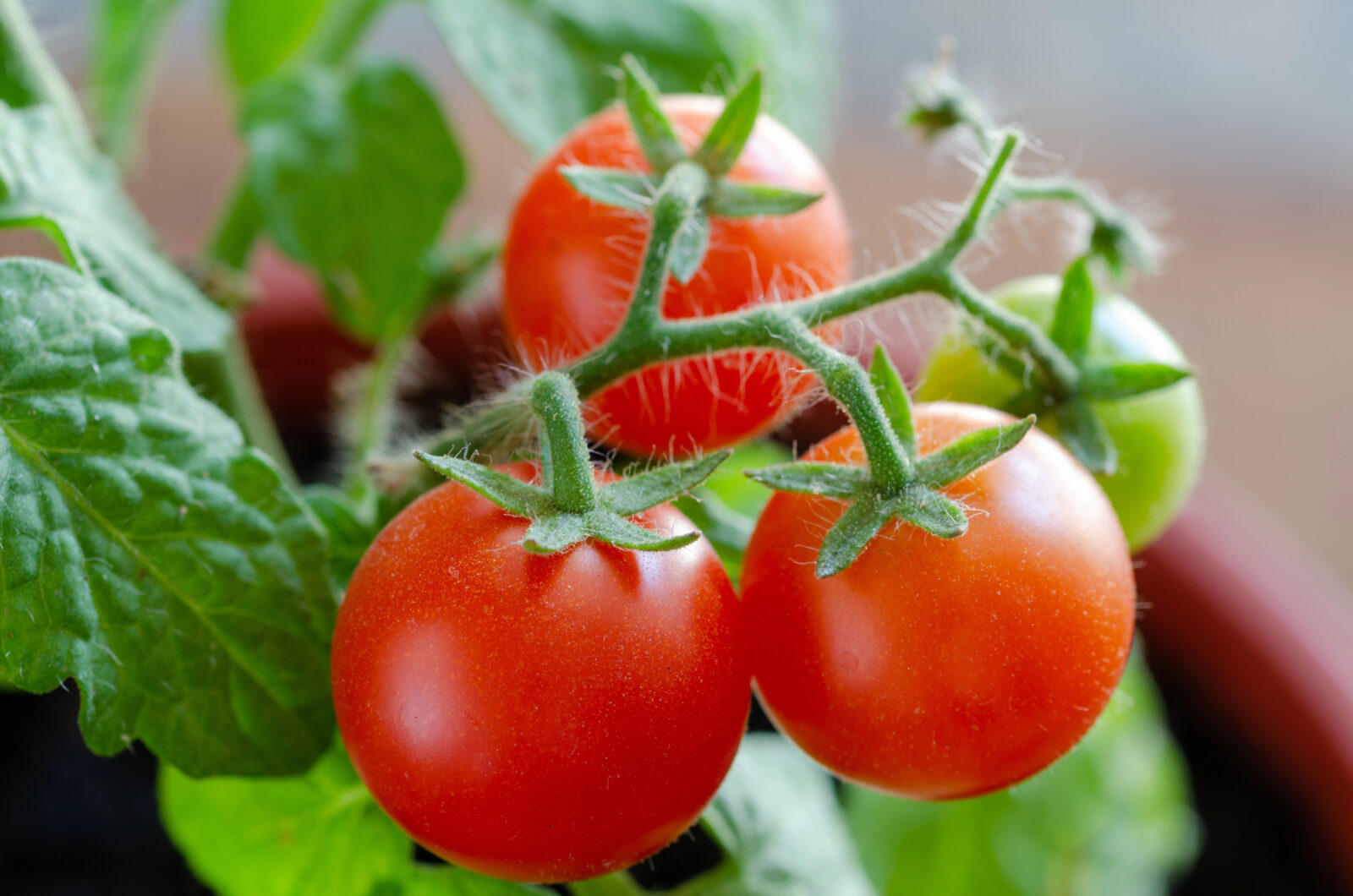
If plants are badly damaged, fruit is misshapen, dries out or starts to rot, and the plant itself is losing strength, keeping the crop going to the end of the season can be counterproductive. A weakened plant rarely produces a quality harvest, and in the meantime stink bugs will move on to other vegetables. It’s worth continuing when you have time for regular checks and interventions, because even in late summer and September control can be effective, especially as stink bug activity gradually declines.
Balance works better than trying to eradicate them completely
The best results usually don’t come from chasing total elimination, but from long-term management. A combination of prevention, ongoing monitoring, hand-picking, gentle sprays and supporting natural enemies can reduce damage significantly. Stink bugs won’t vanish from gardens altogether, but with the right approach they won’t become the dominant problem that destroys your tomatoes and other crops every year.
Source: Gardening Know How, RHS, Zahrádkár, Pestrazahrada.cz

A lover of nature, gardens, and everything that moves, blooms, or grows. He literally grows everything, from herbs to rare species, and he enjoys caring for animals just as much. In his work, he connects modern technology with tried-and-tested grandmotherly methods and is happy when both paths lead to the same goal.
Related articles
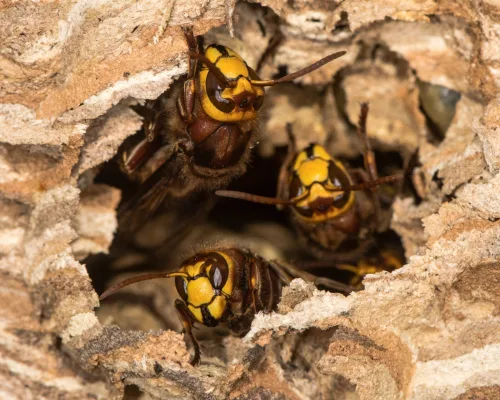
You Can Remove a Hornet Nest Without a Permit If You Meet Legal Conditions
Home and garden owners often worry whether removing a hornet nest could put them on the wrong side of the law. In the Czech Republic, the European hornet is generally protected, but it is not a specially protected species, so removal is usually possible when there is a genuine safety risk.
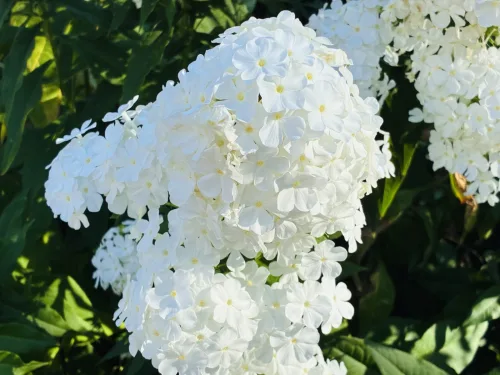
Grandma’s Favourite Flower Is Back and It’s Surprisingly Easy to Grow
Phlox is a classic cottage-garden perennial that brings rich colour, fragrance, and pollinators into the border with minimal fuss. Choose the right spot for the species, keep moisture even, and you’ll be rewarded with weeks of bloom.
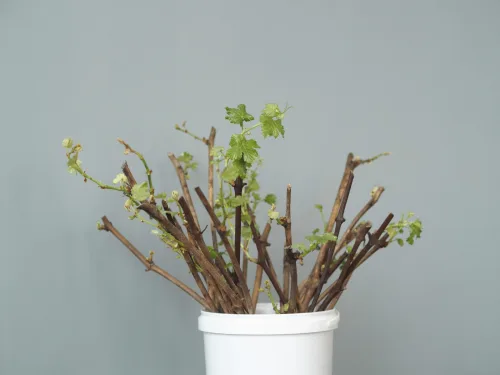
A Simple Plant Propagation Trick That Will Fill Your Garden With Cuttings
Propagating plants can be surprisingly easy when you keep cuttings consistently moist without letting them dry out. This simple plastic-bag method creates a humid microclimate that encourages fast rooting using everyday household items.
Comments (0)
Be the first to comment.