
 English
  Polski
  Deutsch
  Nederlands
  Svenska
  Norsk
Norsk  Dansk
Dansk  Français
  Italiano
  Español
  Português
  Slovenčina
  Suomi
Suomi  Gaeilge
 Once You Let This Weed Into Your Garden, You’ll Regret Hesitating
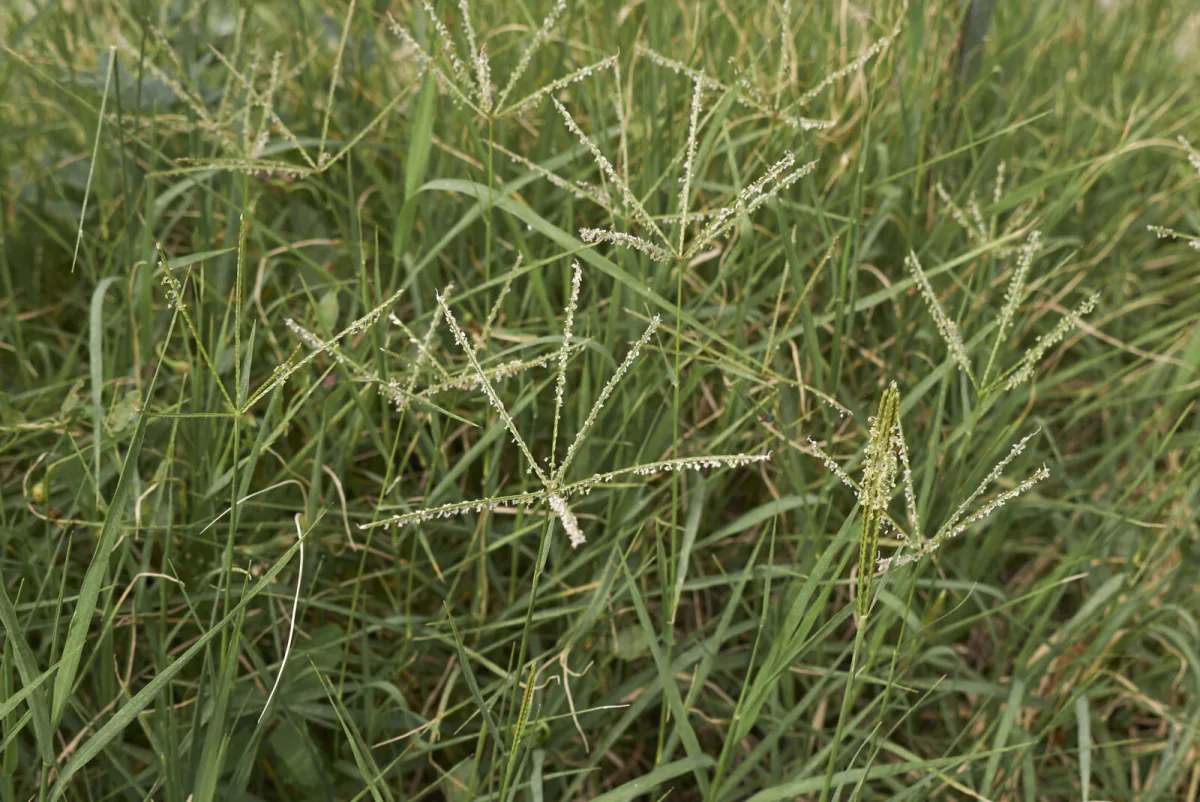
Crabgrass is one of the less well-known, but all the more insidious weeds. At first glance it can seem quite harmless, sometimes even neat and photogenic, but that’s exactly the trap. Once you give it time and space in the garden, it can spread rapidly and gradually take control of both beds and the lawn. Anyone who leaves it unchecked often ends up with a much bigger problem than if they had acted early.
Weeds in general serve no useful purpose in the garden from the perspective of cultivated plants. Crabgrass also forms clumps and runners that help it spread outward. That’s why it pays not to underestimate the first appearance and start removing it immediately, while the affected area is still small.
Why weeds are a long-term threat to the garden
Every weed, and crabgrass is no exception, takes what your garden plants need most. It robs moisture that you need to conserve for vegetables, ornamentals, and the lawn during dry spells, and it also uses up nutrients from the soil. As a result, cultivated plants are weakened, grow more poorly, and may produce fewer flowers and a smaller harvest.
Another issue is that weedy patches often act as shelter. Dense growth can harbour pests, and disease organisms also persist more easily there. When conditions are right, they can move from those weedy islands onto the plants you actually want to protect. Regular weeding and keeping areas clean is therefore one of the simplest forms of prevention.
How to identify crabgrass with confidence
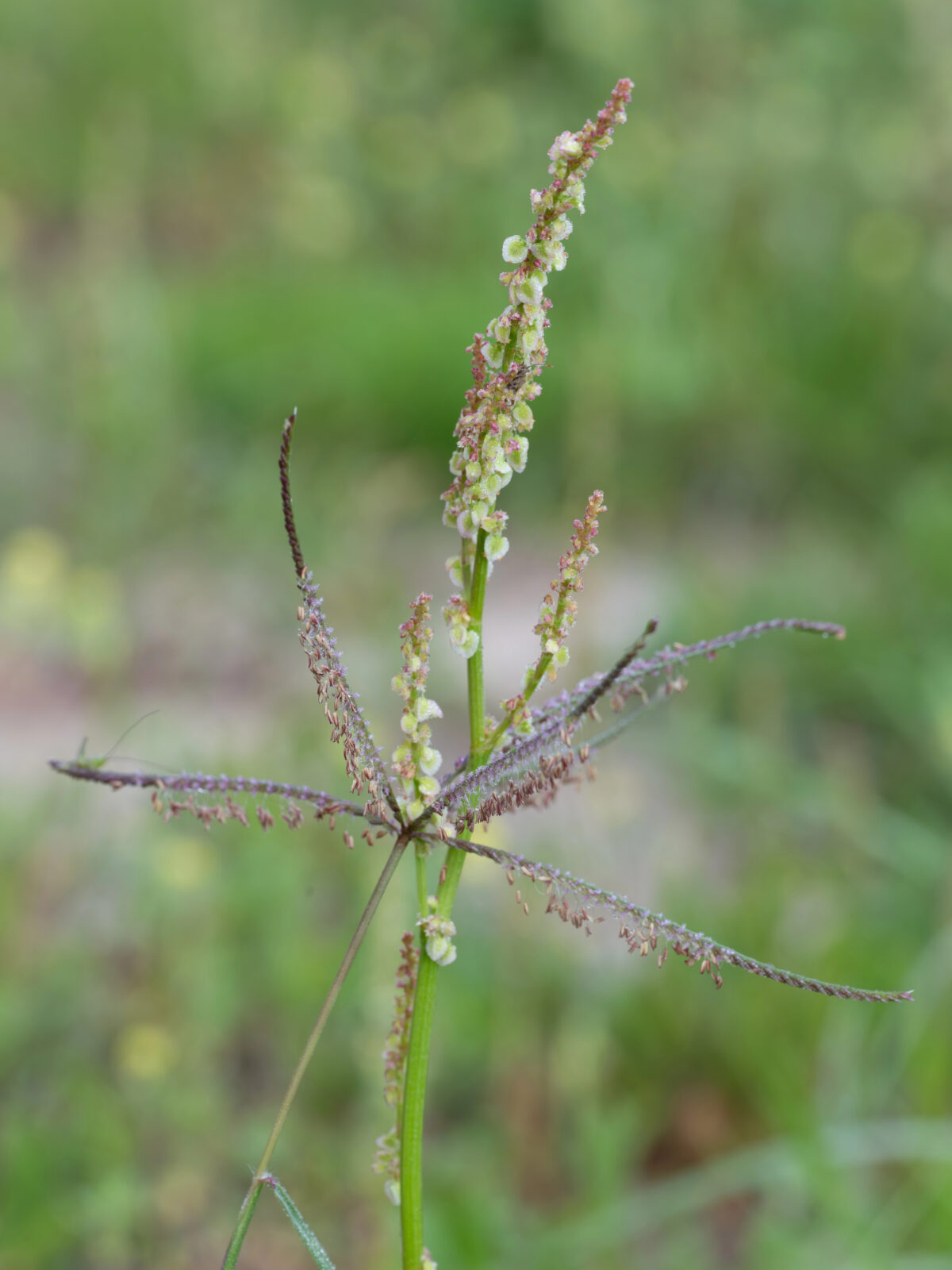
Crabgrass is a tuft-forming grass with numerous runners. In flower it grows to about 30 cm. The key identifying feature is the seed head. It consists of several spike-like branches arranged in a shape resembling spread fingers. Most commonly there are three to seven, and this distinctive look is where it gets its name.
It flowers roughly from June to September. The awns may have a slight purplish tinge, and the fruit is a tiny grain. This flowering and seed-setting period is when you need to be most vigilant, because once the seeds spread, the problem can multiply the following season.
Where crabgrass shows up most often
Like most weeds, crabgrass is adaptable and doesn’t stick to just one type of habitat. You’ll find it along paths, on waste ground, at field edges, and of course in gardens. It often thrives where other plants struggle, which can make it seem as though it grows almost anywhere.
It especially favours sites with heavier, clay-rich soil. In those conditions, ornamental and edible plants often have trouble rooting properly and getting enough air into the soil, while crabgrass can turn that to its advantage.
How to remove it
The best results usually come from mechanical removal, meaning pulling or hoeing it out in time, including the root portion, ideally before the plant flowers and sets seed. With a small infestation, this is often the quickest and also the gentlest approach for nearby plants.
However, if crabgrass spreads over a larger area and routine weeding is no longer enough, you can consider targeted use of herbicides. In that case, it’s essential to proceed carefully and choose a product based on whether you’re treating a lawn, paths, or areas near beds, so you don’t damage what you actually want to grow.
An interesting note on uses outside the garden
Crabgrass is seen as a troublesome weed in many countries, yet it also has a lesser-known side. In some places it is grown as forage. Its feed value can be decent, but yields are not usually high enough for large-scale cultivation to pay off long term.
One advantage is its ability to bind soil and help prevent erosion. That can be useful where the soil surface needs to be held together. In an ordinary garden, though, this trait rarely outweighs the risk of rapid spread, so it’s best to treat crabgrass primarily as a weed that needs to be kept under control.
Source: Scince Direct, Lakpura, NKZ, Pestrazahrada.cz

A lover of nature, gardens, and everything that moves, blooms, or grows. He literally grows everything, from herbs to rare species, and he enjoys caring for animals just as much. In his work, he connects modern technology with tried-and-tested grandmotherly methods and is happy when both paths lead to the same goal.
Related articles
Fighting moles tempts you into a quick fix that can put you on the wrong side of the law
Fresh molehills can ruin a lawn, but the common mole is a protected species and lethal control can be illegal. Learn how to tell a mole from a vole and which lawful, effective methods actually encourage it to move on.
Why the Tree That Feeds a Family for Generations Is Disappearing from Czech Gardens
The English walnut used to be a staple of larger gardens and farmyards, valued for its nutritious nuts and many practical uses. With the right site and variety, it remains one of the most rewarding long-lived trees you can plant.
How to Get Rid of Mice and Rats in the House, Loft and Garden Effectively
Mice and rats don’t leave quietly—scratching sounds, droppings and gnaw marks are clear warnings. A lasting solution comes down to three steps: block entry points, remove food sources, then use traps or professional control.
Comments (0)
Be the first to comment.