
 English
  Polski
  Deutsch
  Nederlands
  Svenska
  Norsk
Norsk  Dansk
Dansk  Français
  Italiano
  Español
  Português
  Slovenčina
  Suomi
Suomi  Gaeilge
 Egg Laying Drops in Autumn and Keepers Return to a Generations-Old Trick
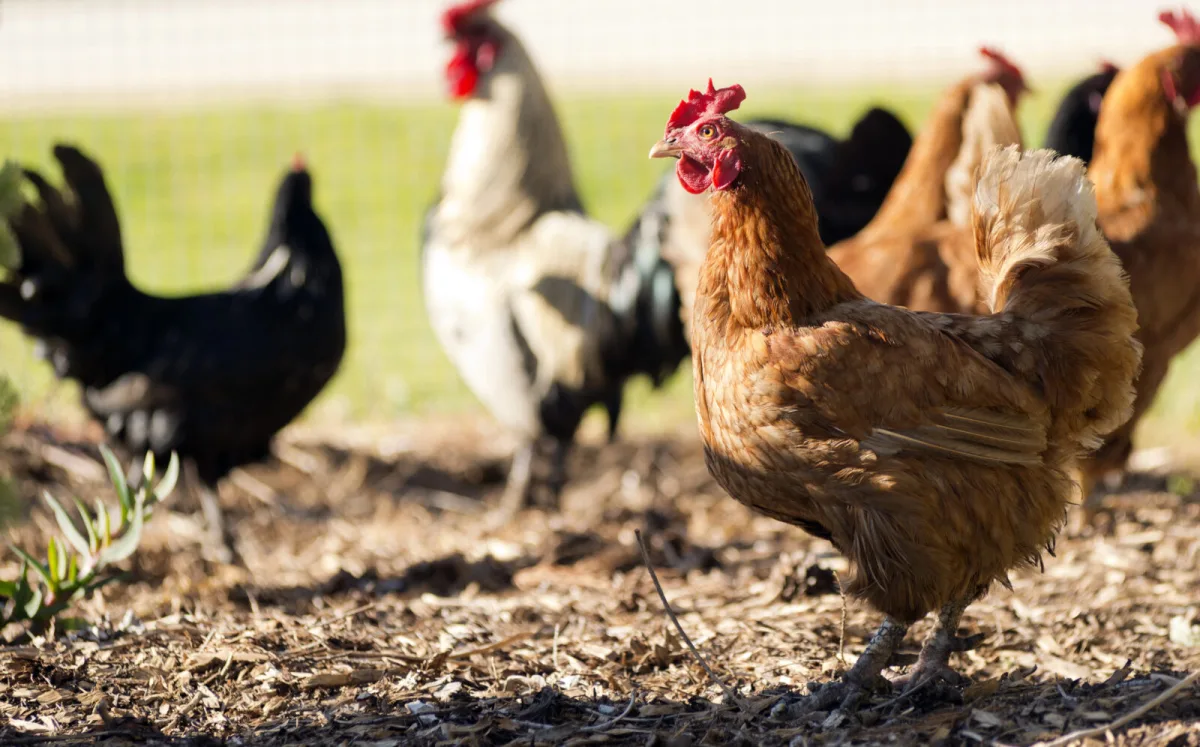
Autumn tends to be the season when poultry keepers start noticing poorer laying in their hens. The days get shorter, the chill sets in, and hens spend more time in the coop than outdoors. Compared with summer, they have less natural light and a less varied access to feed, which can show up in their condition as well as the number of eggs.
This is exactly the time of year when it pays to focus on the make-up of the ration. Alongside a good-quality complete feed, clean water, and plenty of minerals, smallholders often bring back old, proven add-ins. Among them, garlic stands out most of all, along with a small amount of ground black pepper.
A traditional homestead trick that never disappeared
In the countryside, a simple method was passed down for generations. Crushed garlic and only a tiny pinch of black pepper were mixed into mash or a small portion of feed. The mix was given mainly as the weather cooled, when it was useful to support the hens and keep them in good shape.
This habit hasn’t remained just an old-timers’ memory. Many keepers still use it today, especially at the start of autumn. The key is to treat this mix as a supplement, not a replacement for a properly balanced diet.
What garlic can do, according to experience and studies
Garlic is interesting not only as an everyday kitchen ingredient. It contains sulfur compounds, the best known of which is allicin. These are exactly the compounds that have also drawn attention in poultry nutrition.
Findings from professional observations suggest that adding garlic to feed may have a beneficial effect in laying hens on some measures of production and egg quality. In a broader summary of several controlled trials, diets including garlic were linked with higher daily egg output, greater egg weight, and improvements in certain shell parameters. Other trials also indicated better albumen quality. At the same time, it’s clear that excessive doses are not suitable, so sensible amounts are essential.
What role black pepper plays
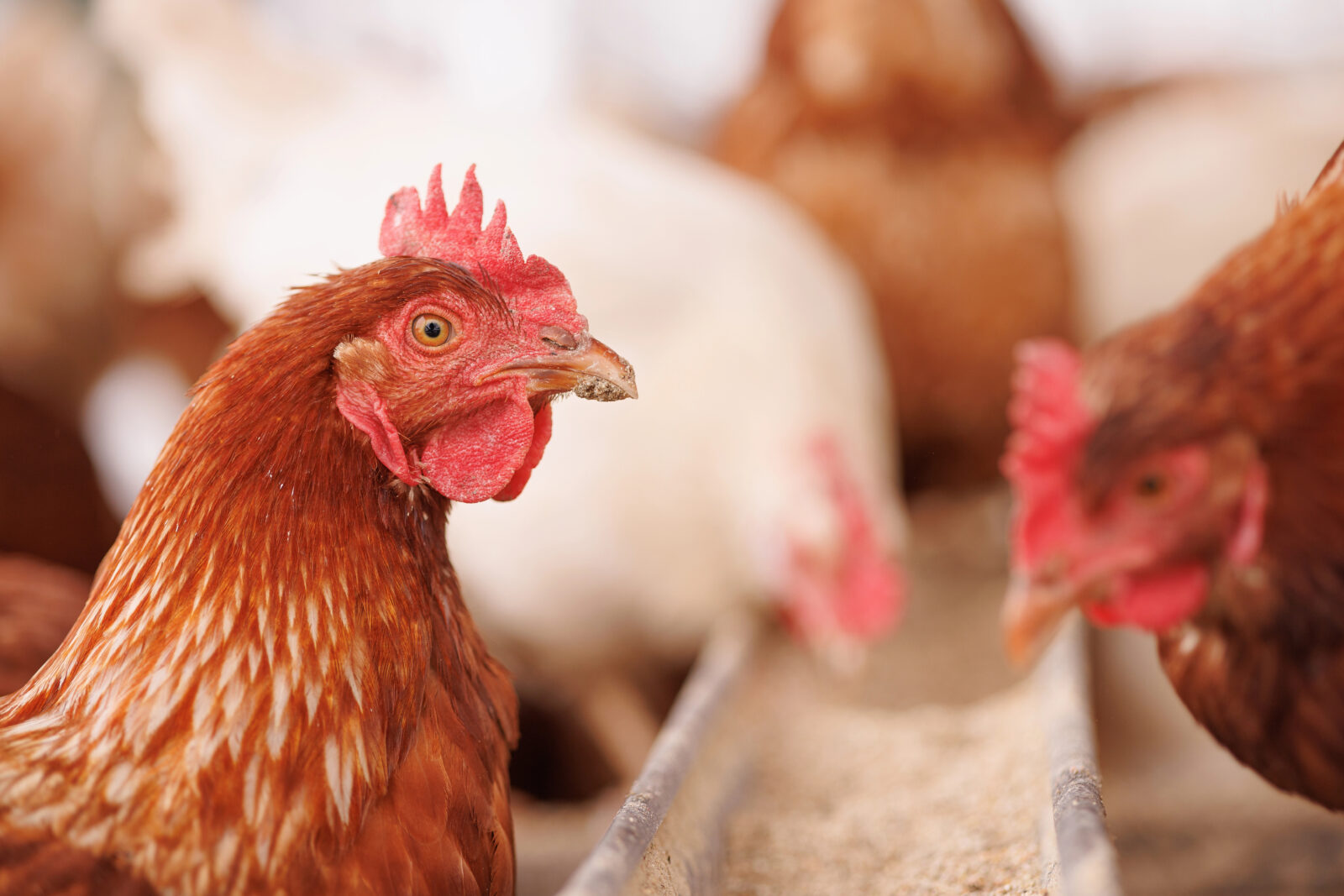
In traditional poultry keeping, black pepper is more of a supporting ingredient. It contains piperine and is added to feed only in a very small amount. Unlike garlic, it hasn’t been studied as thoroughly in laying hens, so it’s wise to separate folk practice from conclusions supported by research.
Even so, it remains part of the autumn mix that keepers have come to like. The point isn’t to turn the feed into something strongly spiced, but simply to give the normal ration a gentle boost. With pepper, that’s doubly true: moderation matters.
How to prepare the autumn mix
The basics are very straightforward. Take a small portion of quality layer feed, add crushed fresh garlic or a little dried garlic powder, and finish with only a trace amount of ground black pepper. Mix everything thoroughly and feed it fresh.
If you use fresh garlic, it’s best to make the mix right before feeding. Damp feed shouldn’t sit around for long. A smaller regular dose is far better than a one-off large amount. That way the hens get used to the supplement more easily, and the keeper can also monitor how well they’re taking it.
When to start and what to expect from the mix
You can introduce this mix as early as the beginning of autumn, as soon as the days start shortening and the mornings are cooler. There’s no need to wait until egg production drops sharply. Autumn is a good time for gradual adjustments to feeding and overall care.
But it’s important to have realistic expectations. Garlic and pepper on their own won’t offset the effect of shorter daylight, which is one of the main natural factors influencing laying. They can, however, nicely complement the feeding routine and support the flock’s overall condition.
What not to overlook in overall flock keeping
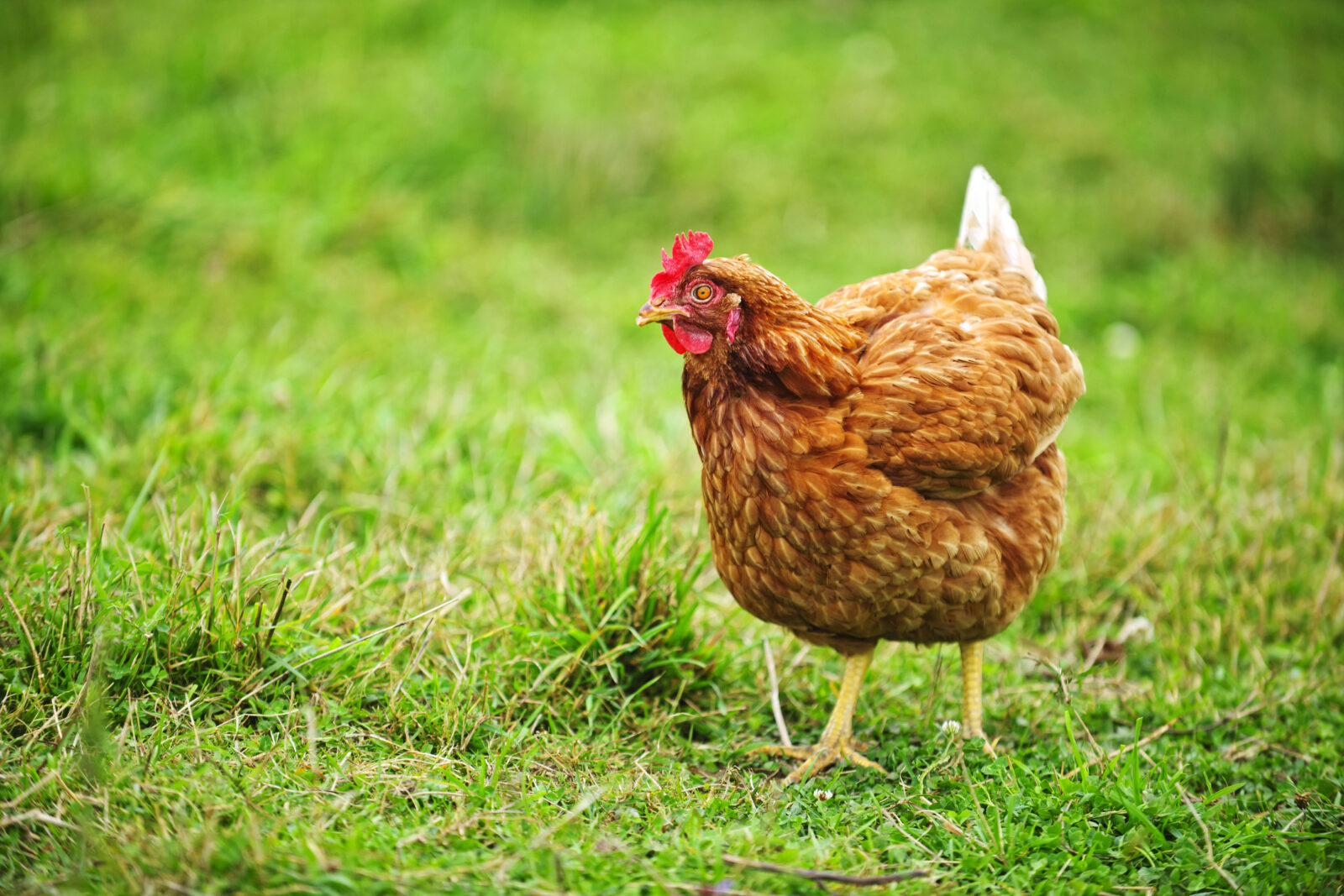
For hens to do well in autumn, it isn’t enough to rely on a single homestead trick. The foundation must remain a balanced feed with enough energy, protein, vitamins, and minerals. Calcium is especially important, because without it you can’t expect strong shells.
Just as essential are constant access to clean water, dry bedding, suitable housing, and space to move. If conditions allow, you can also offer hens a sensible amount of greens, pumpkin, carrots, or other suitable vegetables.
A simple recipe keepers keep coming back to
What’s most appealing about this autumn routine is its simplicity. There’s no need to buy complicated products. All you need is ordinary garlic, a touch of pepper, and a good basic feed. That’s exactly why smallholders still return to this advice today.
The best results usually don’t come from a miracle additive, but from consistent care, quality nutrition, and small sensible supplements given at the right time.
If you’d like to try the mix, start cautiously and watch how the hens respond. If they take to it well, it can become a useful part of an autumn routine that helps keep the flock in good condition during the period when nature gradually makes laying conditions less favorable.
Source: Chicken Guard, Backyard Chicken, To je nápad, Pestrazahrada.cz

A lover of nature, gardens, and everything that moves, blooms, or grows. He literally grows everything, from herbs to rare species, and he enjoys caring for animals just as much. In his work, he connects modern technology with tried-and-tested grandmotherly methods and is happy when both paths lead to the same goal.
Related articles
Late Feeding Weakens the Whole Colony and Beekeepers Know the Deadline They Must Not Miss
Successful overwintering depends on timely feeding and enough easily digestible stores. If you feed too late, you overburden winter bees and risk a weakened colony or starvation losses.
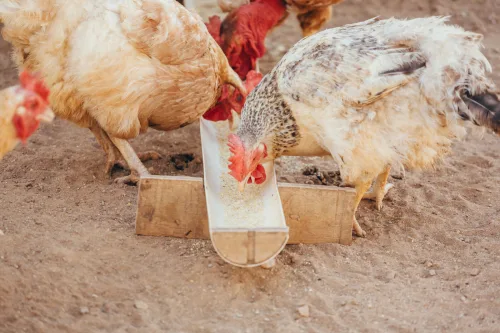
How to Choose a Chicken Feeder That Keeps Feed Dry, Clean and Pest-Free
A good chicken feeder should keep feed dry, reduce waste, and make access difficult for rats and wild birds. The right design and placement can save money and keep your coop cleaner year-round.
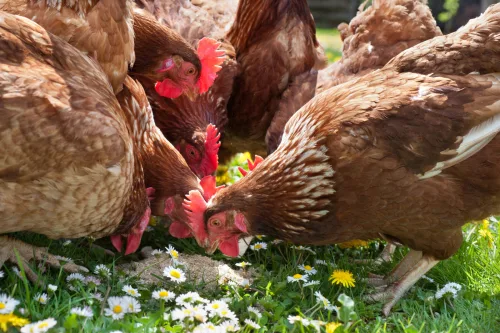
How to Feed Laying Hens So They Stay Healthy, Lay Steady All Year and Produce Strong Shells
A well-balanced diet is the key to healthy hens, strong eggshells and consistent laying. Learn what to feed, what to top up, and what to avoid through the seasons.
Comments (0)
Be the first to comment.