
 English
  Polski
  Deutsch
  Nederlands
  Svenska
  Norsk
Norsk  Dansk
Dansk  Français
  Italiano
  Español
  Português
  Slovenčina
  Suomi
Suomi  Gaeilge
 July Garden Care That Takes Minutes and Lasts All Summer
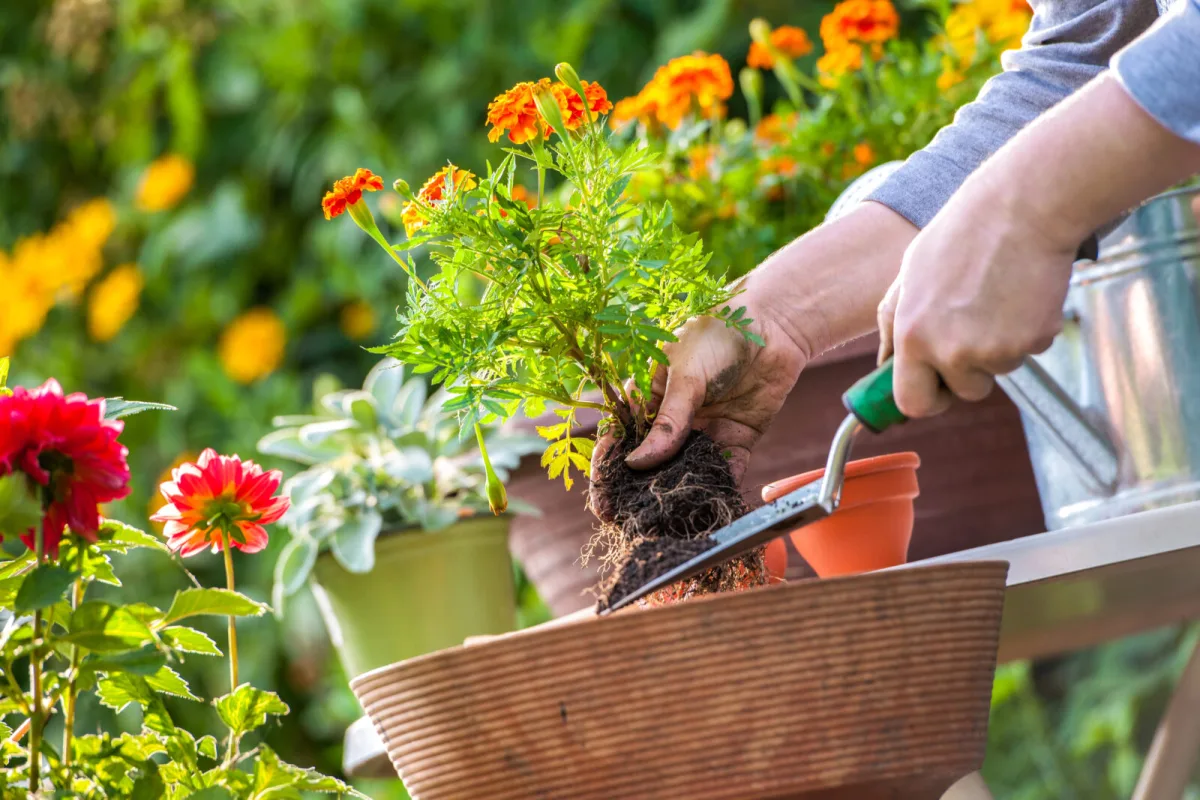
A summer garden can be full of colour, fragrance and insect life if you give it a few simple touches. July is the ideal time for small jobs that don’t take long, yet show up as longer, richer flowering, healthier shrubs and cleaner pond water. It’s enough to keep on top of deadheading, feed sensibly and prevent problems that get worse in hot weather.
Cutting flowers for the vase has its rules too. For example, lilac is best cut when around 70 percent of the florets are open. An interesting fact is that lilacs were once often planted in the corners of plots as symbolic protection of the homestead from evil forces.
An annual that truly shines in the border
Among the standout yet delicately charming annuals is sweet scabious. It flowers from summer right into autumn and comes in several colour options, from deep purple through pink and white to blue-violet shades. It suits mixed perennial borders as well as naturalistic planting, and it attracts butterflies and other pollinators, making the garden feel more alive.
It does best in a sunny spot in free-draining soil. Prolonged waterlogging doesn’t suit it, so it’s important not to overwater and to make sure excess water can drain away. It’s grown mainly from seed. You can sow from March to April under cover or in seed trays, or sow directly outdoors from April once hard frosts are no longer a risk. Plant young plants out only after the late frosts have passed.
The seeds only need a light covering, because they need light to germinate. At around 18 to 22 0C they usually sprout in two to three weeks. If you regularly remove spent blooms, you’ll encourage new buds and extend the flowering period.
Feeding in summer, yes, but do it wisely
With roses and other woody plants, it’s a good idea to ease off on nitrogen at this point in the season. Too much nitrogen pushes soft growth that doesn’t ripen properly before winter, and shoots are then more easily damaged by frost even in a milder winter. Instead of simple nitrogen-rich feeds, it’s better to choose a complete fertiliser with a higher proportion of potassium, which helps tissues mature and harden off.
Scatter granular fertiliser around the root zone and lightly work it into the soil. For the nutrients to actually reach the roots, watering after application is essential. In practice, what often decides the result is whether the soil is left dry after feeding.
Bouquets from annuals, how to cut them so they last
Many annuals with sturdy stems are ideal for the vase, flowering in succession and providing blooms all season. Favourites include zinnias, larkspur, salvias, coreopsis, snapdragons, asters, calendulas and blanket flowers. Dahlias and sunflowers work brilliantly too, as does sweet pea, which also has a lovely scent.
Cut flowers ideally early in the morning or in the evening, when plants aren’t overheated and their tissues hold more water. Shorten stems with a sharp knife or clean secateurs and put them straight into clean, lukewarm water. It’s practical to clean and disinfect the vase in advance with a chlorine-based product, because residue and grime speed up water spoilage.
Remove any leaves that would sit below the waterline. Decaying leaves are a common reason for bad smells and rapid wilting. In the vase, flowers last best in a cooler spot out of direct sun and away from draughts, because moving air dries them out.
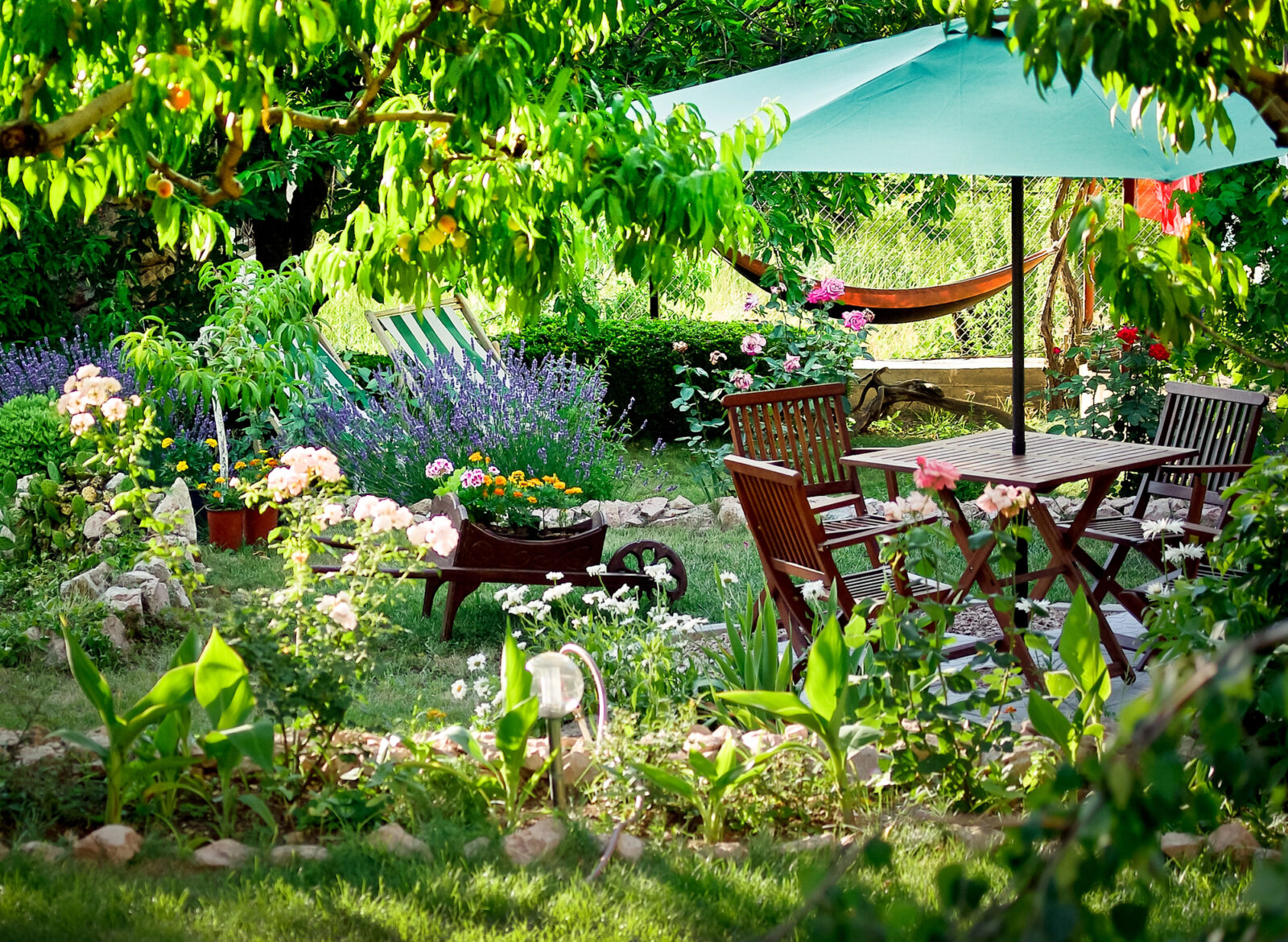
An algae-free pond is realistic if you don’t neglect maintenance
In hot weather, water quality declines faster and algae get ideal conditions. The basics are to regularly skim out fallen leaves, plant debris and other dirt that decomposes in the water and puts unnecessary strain on it. Cleaning sludge from the bottom is also useful, especially if you keep fish in the pond.
Aquatic plants do a lot of the work, because they take up excess nutrients from the water and naturally slow algae development. If you feed fish in summer, do so sparingly so uneaten food doesn’t remain in the water. In larger ponds, check filtration regularly and clean it as needed. During hot days, monitor the water level and top up evaporation ideally with rainwater.
Algae in a garden pond are common; the trouble starts only when they multiply excessively. The water then turns green, stringy mats form, the pond looks worse and oxygen levels can drop, which harms fish and other organisms.
Mosquito prevention without complicated measures
Mosquitoes most often breed in stagnant water, even in small containers. Risk spots include rainwater barrels, saucers, drinking bowls and various forgotten containers tucked away in a corner of the garden. Regularly changing water in smaller containers and keeping them clean helps, so larvae have nowhere to develop.
It’s a good idea to cover rainwater barrels, which prevents mosquitoes from accessing the water. If you have a pond with fish, they can be natural helpers, because they eat mosquito larvae and reduce their numbers without additional chemicals.
Source: Zahrádkár, Gardening Know How, RHS, Pestrazahrada.cz

A lover of nature, gardens, and everything that moves, blooms, or grows. He literally grows everything, from herbs to rare species, and he enjoys caring for animals just as much. In his work, he connects modern technology with tried-and-tested grandmotherly methods and is happy when both paths lead to the same goal.
Related articles
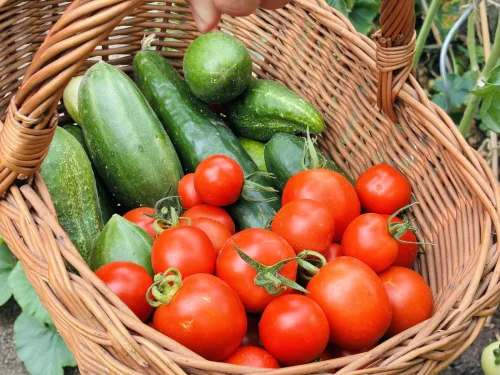
The More Often You Harvest, the Longer Plants Keep Cropping
With fruiting vegetables, frequent picking keeps plants flowering and producing for longer. A few crops, such as aubergines, are tastiest when harvested slightly earlier rather than fully mature.
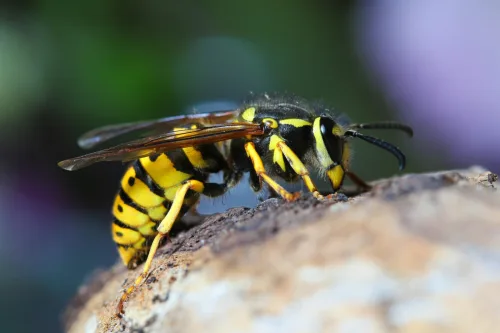
Wasps Aren’t Just a Barbecue Menace They Can Ruin Your Garden Woodwork Too
Weathering isn’t always the main culprit behind damaged outdoor timber. Wasps can scrape fibres from boards and beams surprisingly fast, leaving grooves that soak up water and accelerate decay.
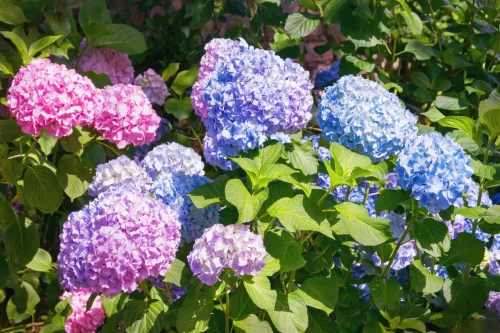
Why hydrangeas wilt in summer even when watered and how to save them fast
Hydrangeas can look limp in hot weather even if you’ve been watering faithfully. The key is to check what’s happening in the root zone, then adjust watering, shade and mulching so the plant can actually use the moisture available.
Comments (0)
Be the first to comment.