
 English
  Polski
  Deutsch
  Nederlands
  Svenska
  Norsk
Norsk  Dansk
Dansk  Français
  Italiano
  Español
  Português
  Slovenčina
  Suomi
Suomi  Gaeilge
 Insects Hate the Smell and Skin Glows Afterward Walnut Leaves Have Surprisingly Many Uses
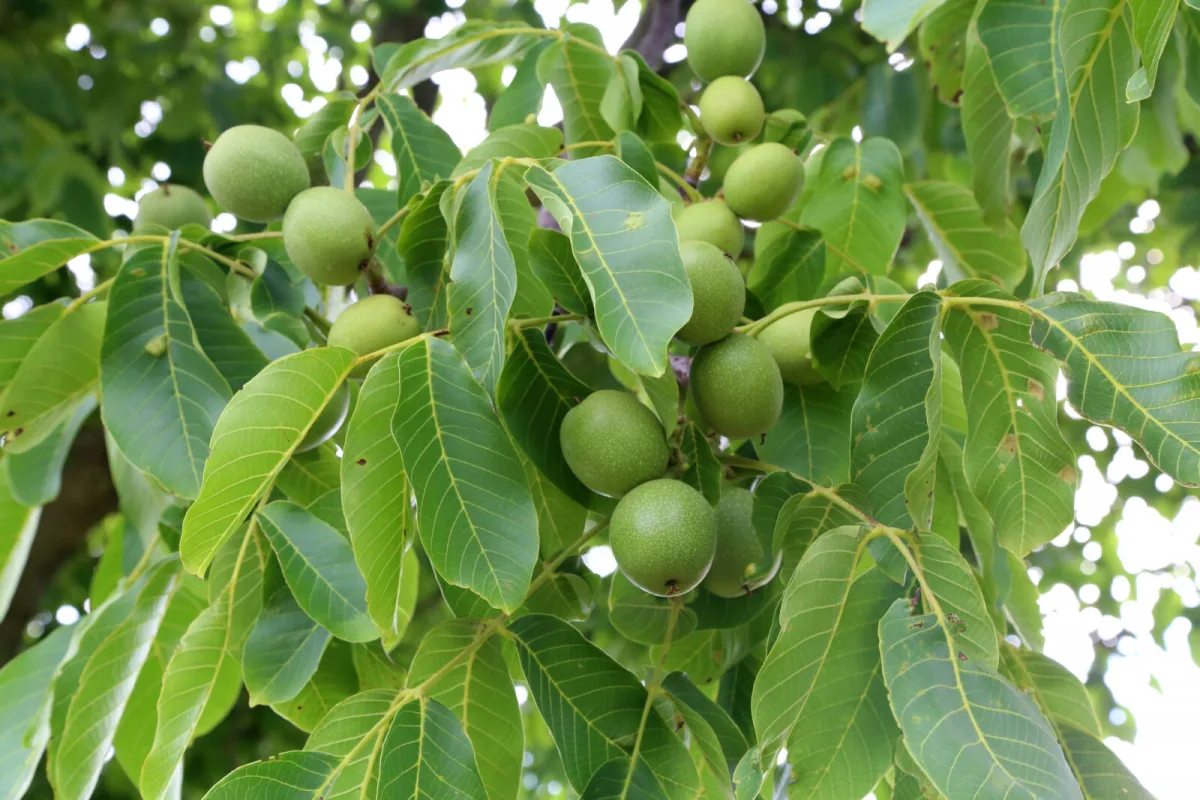
Most people associate the walnut tree mainly with tasty walnuts and welcome shade in the garden. But when it starts dropping leaves in autumn, it’s often seen as nothing more than extra mess. In fact, those very leaves contain a range of compounds with practical uses in home health care and everyday household routines. They can help with digestive troubles, support skin care, and serve as a handy natural aid around the home.
The myth about toxicity and composting
A long-standing belief surrounds walnut leaves: that they’re poisonous and don’t belong in the compost. It’s true they contain compounds with antibacterial effects, which is why they break down more slowly than, say, grass clippings or fruit-tree leaves. But that doesn’t mean they’re unusable in compost. If the leaves are shredded, chopped, or mixed with other garden waste, they will gradually rot down like other organic material.
So it’s sensible not to treat them as problematic waste, but as a useful raw material that simply needs a bit of patience and the right mix with other garden matter.
When and how to collect the leaves
For medicinal and household uses, walnut leaves are mainly gathered from June to September. Choose leaves that are healthy, undamaged, and clean, with no mildew or spotting. It’s best to harvest in dry weather, when they’re not damp. They can be used fresh, or dried for later use.
Besides the leaves, other parts of the tree were also used in folk tradition. Unripe fruits collected in spring were valued for stomach upsets, and the green husks were used, for example, to make syrups intended to soothe the throat or help with various skin issues.
Leaf tea for digestion and gentle cleansing
You can make a tea from dried leaves that is most often associated with digestive support. It’s usually prepared by pouring 250 ml of boiling water over 1 tablespoon of dried leaves and letting it steep for about 15 minutes under a lid. Then it’s strained. Common advice is no more than two cups per day.
This drink is most often linked with relief from diarrhoea and other stomach or intestinal troubles. The tannins act as an astringent and help calm irritated mucous membranes. Traditionally, the tea was also taken before meals and was once associated with supporting the expulsion of intestinal parasites. The bitter compounds and tannins may also benefit liver function.
A decoction for skin, mouth and hair
For external use, a decoction is more suitable. It’s made by adding a small amount of leaves to cold water, bringing it to the boil, and then simmering for about 20 minutes. Once cooled, it’s strained and can be used in several ways.
It’s valued for treating irritated skin, eczema, minor wounds, bruises, rashes and insect bites. It’s also used as a mouth rinse for canker sores. As a bath or soak, it can soothe sensitive or problem skin and is often recommended for issues such as acne, psoriasis or haemorrhoids.
The decoction can also be used to wash the scalp. Traditionally, it’s credited with supporting hair growth and was also used as a helpful remedy against lice.
Support for veins and circulation
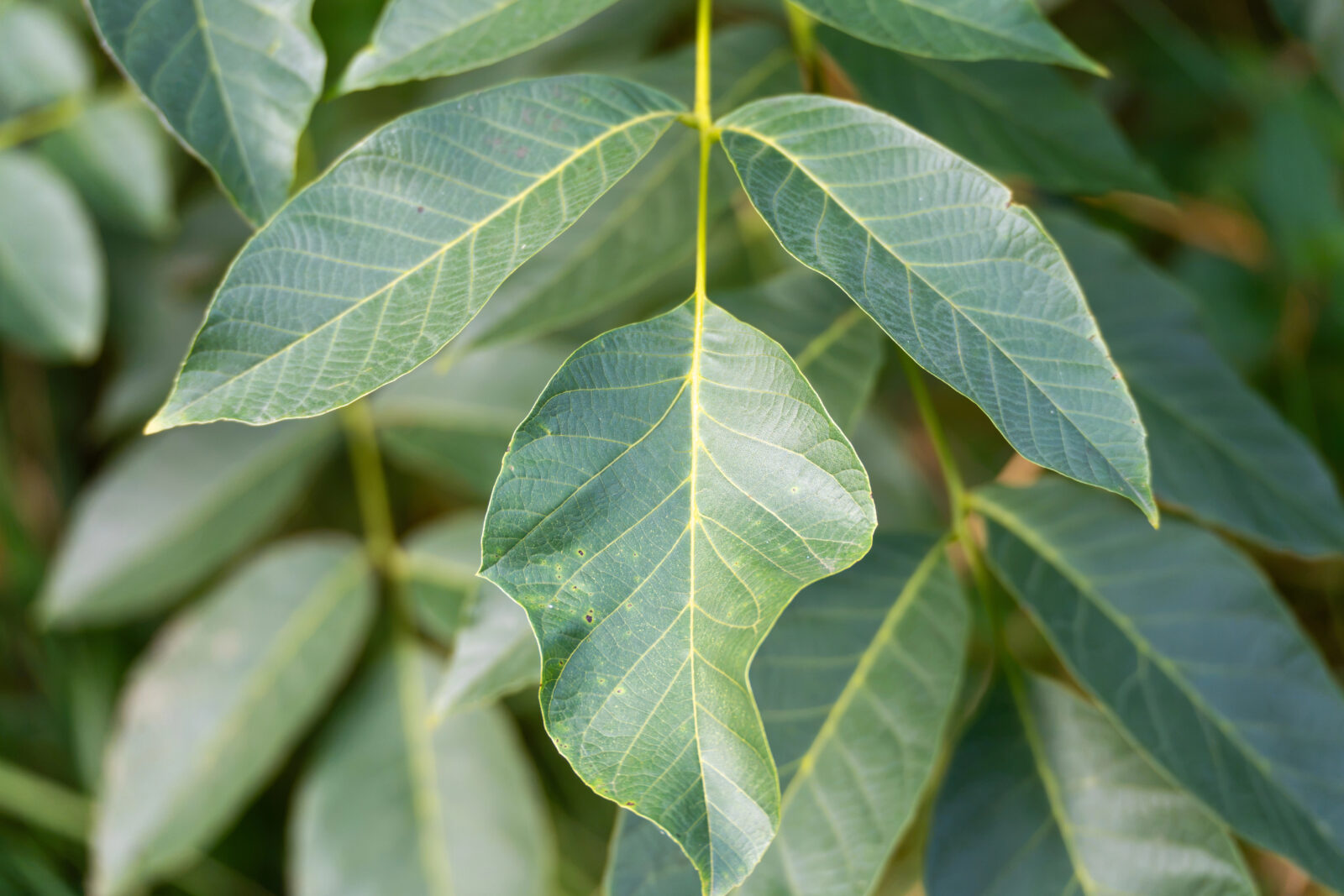
Walnut leaves contain tannins, flavonoids, essential oils and other active compounds that are often linked with beneficial effects on the vascular system. Based on folk experience, drinking the tea regularly may contribute to better circulation and stronger vein walls. That’s why walnut leaves are frequently mentioned in connection with preventing varicose veins and other problems related to poor circulation.
Uses around the home and for caring for belongings
The usefulness of walnut leaves doesn’t end with health. Around the home, they can serve as a natural insect repellent. Their strong aroma is not pleasant to small uninvited visitors, so the leaves can be placed, for example, on a windowsill.
Their use in caring for leather shoes or bags is also interesting. A cloth dampened in the decoction can be used to buff the surface. The leather not only gets cleaned, but also takes on a gentle sheen, improved suppleness, and a degree of protection against moisture and dirt.
A tree that offers more than just nuts
So the walnut tree is certainly valuable for more than its harvest. Its leaves can be useful for the compost heap, your home herbal cupboard, and everyday household care. If you have this tree in your garden, you don’t have to see the fallen leaves as a pointless burden. With the right handling, they become a versatile natural helper with surprisingly wide-ranging uses.
Source: iReceptář, Zdravopedie, Gardening Know How, Pestrazahrada.cz

A lover of nature, gardens, and everything that moves, blooms, or grows. He literally grows everything, from herbs to rare species, and he enjoys caring for animals just as much. In his work, he connects modern technology with tried-and-tested grandmotherly methods and is happy when both paths lead to the same goal.
Related articles
How to Choose Firewood That Heats Your Home the Longest
Not all firewood burns the same. Learn how wood density and moisture content determine burn time and heat output, and how to spot properly seasoned logs.
Get Rid of Fruit Flies in Your Flat for Good
Fruit flies can seem to appear out of nowhere, but they’re always drawn in by fermenting food and moisture. With the right trap plus thorough cleaning and prevention, you can eliminate them and stop them coming back.

Bay Leaves Can Help Deter Mice If You Use Them Correctly
Bay leaves aren’t just for soups and sauces. Used properly, their strong scent can discourage mice from using certain routes indoors, but only as a supporting measure alongside proofing and good hygiene.
Comments (0)
Be the first to comment.