
 English
 Polski
 Deutsch
 Nederlands
 Svenska
 Norsk
 Dansk
 Français
 Italiano
 Español
 Português
 Slovenčina
 Suomi
 Gaeilge
Healthy Roses Start in Autumn, Collect Fallen Buds and Plan Your First Spring Spray Early
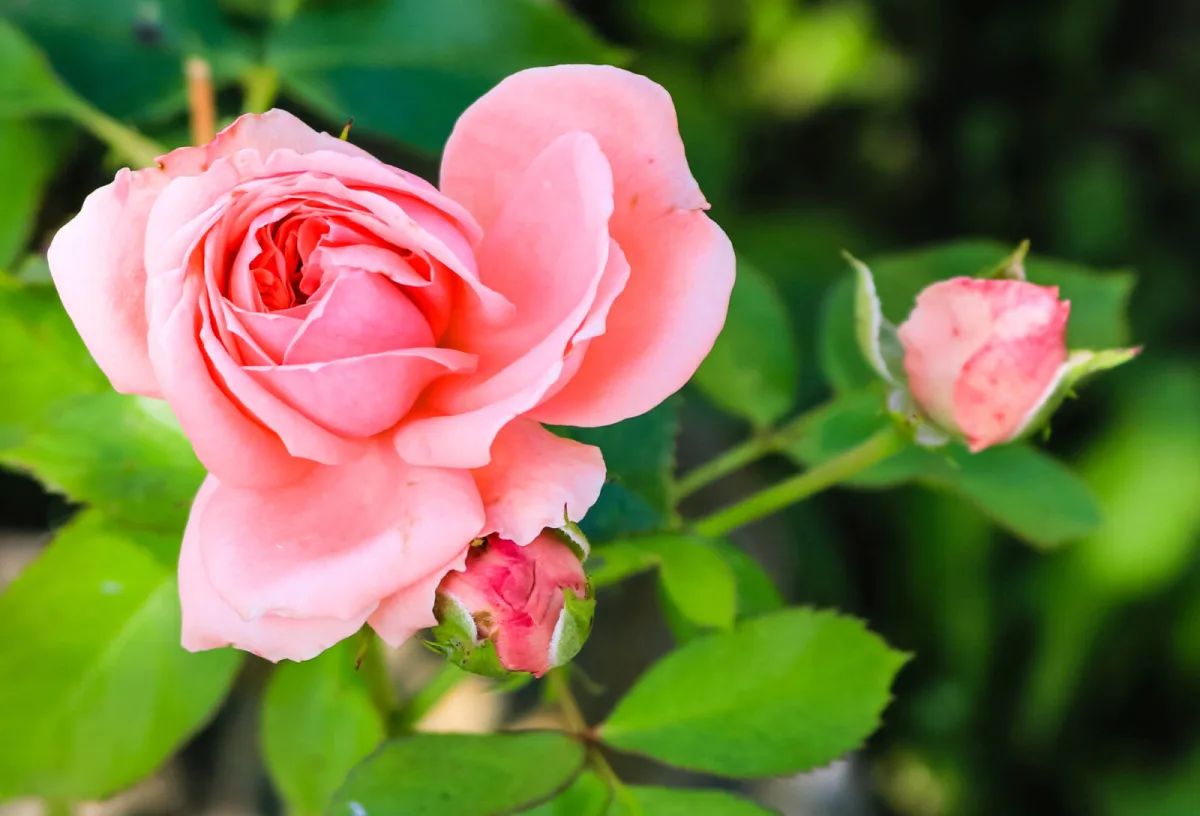
Roses are among the most popular garden plants, but to flower generously and come through winter in good shape, they need regular, well-planned care. It’s important to think not only about feeding and watering, but also about timely protection against diseases and pests. Neglecting any one of these steps can show up on the shrub very quickly.
Prevention against fungal diseases
Protection from fungal diseases makes sense mainly as a preventive measure. Ideally, you want to get your first sprays done during April. Once a disease fully takes hold on roses, the options for putting it right are very limited. An early intervention is therefore far more effective than trying to rescue plants that are already infected.
Which pests to watch out for
One common pest is the rose leaf-rolling sawfly. You’ll recognise it by leaves that are tightly rolled lengthwise. The larva hides inside the leaf tissue, and at that point an ordinary spray won’t do much. Keep an eye on affected parts and remove them in time.
Another major problem is the strawberry blossom weevil, which has been turning up more often in recent years. Its presence is revealed by small buds that start to yellow and then drop off. The female lays eggs into the buds; the larvae then finish developing after they fall to the ground, where they also overwinter. That’s why you need to pick off the yellow buds straight away and just as carefully collect any that have fallen beneath the plant.
Spraying throughout the season
Pest control shouldn’t be a one-off. It pays to repeat it regularly right through to autumn, especially in warm, humid weather. Rain washes protective products off and weakens their effect. Checking your roses should be part of routine care all summer long.
Correct feeding for roses
Roses should be fed mainly up until they begin flowering. However, feeding needs to stop no later than 10 July so the plant can gradually shift into its resting phase. By the end of August it should have used up any fertiliser applied; otherwise, there’s a risk the growth won’t ripen properly and will be damaged by frost in winter.
When choosing a fertiliser before flowering, it’s a good idea to go for one with a higher potassium content. This supports proper wood ripening and the shrub’s overall condition. How often you feed depends on the weather and your soil type. In rainy periods and on light, sandy soils you’ll need to feed more often, while on heavier clay soils the intervals can be longer.
Banana peels can help too

As a supplement, you can also use natural feeding, for example a soak made from banana peels. During periods of frequent rainfall, you can repeat this top-up roughly every ten days. In drier weather, once every two to three weeks is usually enough.
Watering must be thorough
In high temperatures around 30 °C, roses need really deep watering. A single shrub can take as much as three watering cans of water. Light sprinkling isn’t enough because the water won’t reach the roots. A proper soak, on the other hand, can help the plant go up to two weeks without further watering.
What to do after flowering
It’s best to remove spent blooms as soon as possible. The shrub won’t waste energy forming seed heads and will instead set more buds. For each flower you cut off, a new one can appear in roughly six weeks. However, you need to stop this deadheading by the end of August. From September, roses should be allowed to rest and prepare for the end of the season.
Roses thrive where timely protection, sensible feeding, deep watering and regular removal of spent blooms come together.
Source: Czech Radio, Gardening Know How
Source: Pestrazahrada.cz

A lover of nature, gardens, and everything that moves, blooms, or grows. He literally grows everything, from herbs to rare species, and he enjoys caring for animals just as much. In his work, he connects modern technology with tried-and-tested grandmotherly methods and is happy when both paths lead to the same goal.
Related articles
Why Leave Old Plant Roots in the Bed Instead of Pulling Them Out
Instead of yanking out healthy spent plants, cut them off at soil level and leave the roots to break down in place. It improves soil structure, feeds soil life, and saves time with no downside in most beds.
Experienced gardeners don’t throw leaves away and use them in six smart ways
Fallen leaves are a valuable, free resource that feeds soil life, improves structure, and protects plants. Use them as mulch, compost, leaf mould, lawn feed, winter insulation, and wildlife habitat.
A Winter Soil Mound Protects Roses but Where You Take the Soil From Matters
Mounding soil around roses for winter works only if you don’t scrape it from right at the plant. Taking soil from elsewhere protects the graft union without exposing or damaging shallow roots.
Comments (0)
Be the first to comment.