
 English
  Polski
  Deutsch
  Nederlands
  Svenska
  Norsk
Norsk  Dansk
Dansk  Français
  Italiano
  Español
  Português
  Slovenčina
  Suomi
Suomi  Gaeilge
 A simple trick to tell when to harvest garlic so it stores for months
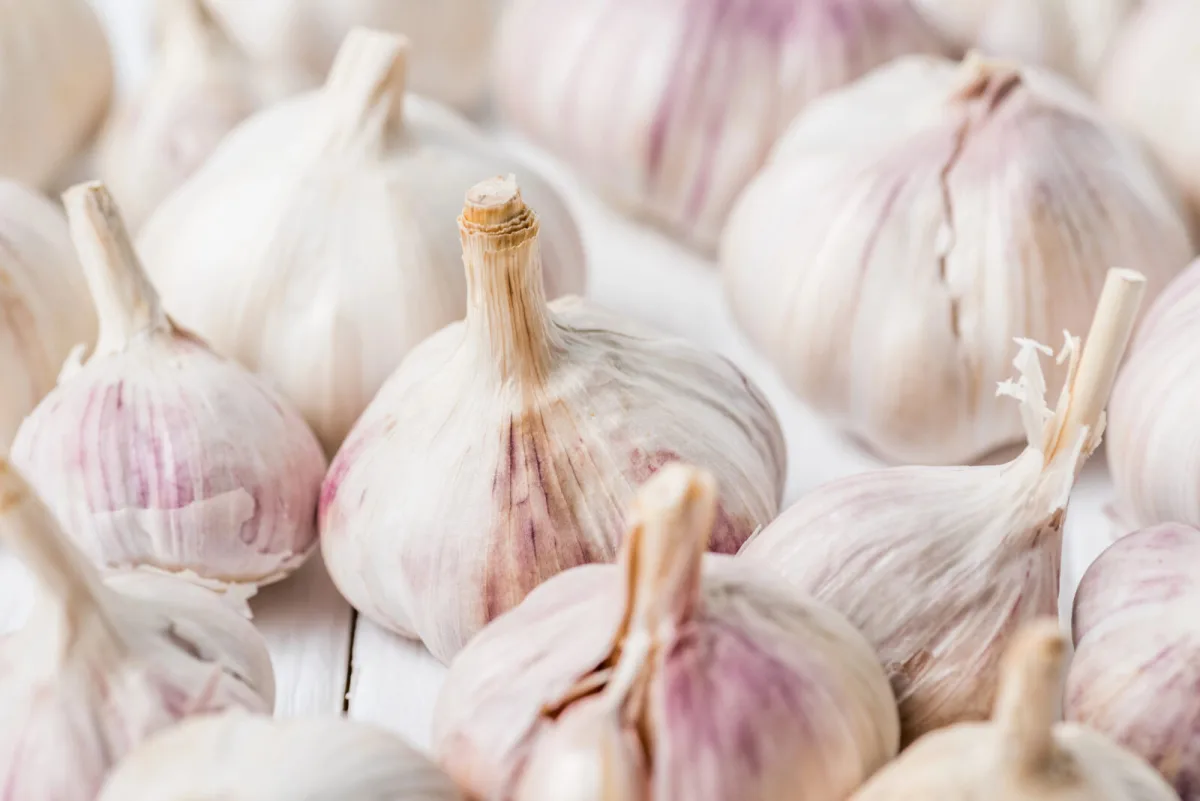
Garlic is one of the most rewarding crops in the garden, but everything hinges on hitting the right harvest window. With onions, growers often go by the foliage collapsing and drying down completely. Garlic is trickier because the bulb stays hidden in the soil and the top growth can still look fairly fresh. Harvest too early and you’ll end up with smaller bulbs with thin skins. Leave it too late and you risk the bulb splitting into individual cloves, with much poorer keeping quality.
Leaves are the best sign of maturity
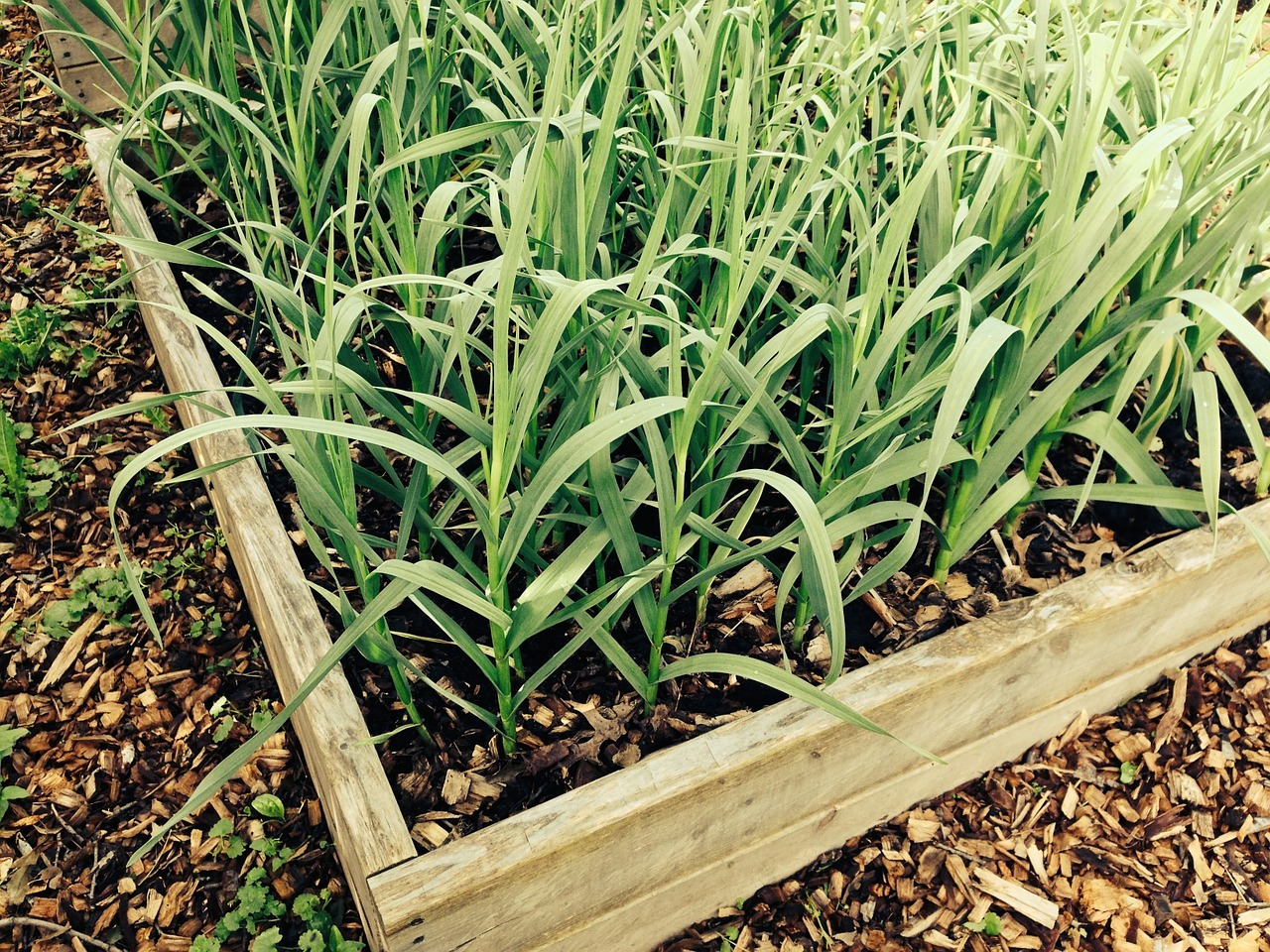
The most reliable guide is the foliage, specifically the ratio of green to dried leaves. A practical rule is that the ideal time comes when roughly half the leaves from the bottom have browned and died back, while the top portion is still green. The leaves also indirectly indicate how many protective layers the bulb will have, because each leaf corresponds to one papery wrapper around the garlic. If you wait until the foliage is completely dry, those protective layers start to break down and the cloves separate more easily.
With hardneck garlic, the flower stalk helps too
If you’re growing hardneck garlic, the typical flower stalks appear a few weeks before the bulbs mature. Once you remove them, you can start checking bulb size about a month later. It’s not a fixed date, more a helpful sign that harvest time is approaching.
Stop watering before harvest
In spring, water garlic as usual, even when the lower leaves start to dry. But once most of the patch reaches the stage where roughly half the foliage is dry and half is green, it pays to reduce watering for a short period. Let the soil dry out for at least a few days so the bulbs lift more easily and the risk of rot is lower. In waterlogged soil, garlic is harder to dig, and the skins can be damaged during handling.
A test check of one plant is decisive
The best approach is to confirm the stage right in the bed. Carefully pull back the soil around one or a few plants and look at the bulb without forcing or damaging it. Mature garlic typically has a well-developed, compact bulb, with cloves that feel full and skins that hold together. If the bulb is small or the skins seem too delicate, replace the soil and give the crop a few more days.
How to lift garlic properly without damage
Don’t yank garlic out of firm ground by the leaves, as the tops can snap off or the skins can be damaged. It’s better to loosen the soil around the plant first, for example with a spade or a small trowel. Push the tool in next to the plant, gently lift the soil, and only then pull the garlic by the neck. After that, just lightly brush off loose soil.
Don’t wash it and don’t peel more than necessary
After harvest, don’t wash garlic. Water can easily get between the skin layers and encourages mould. Likewise, don’t strip off more wrappers than necessary, because those papery skins protect the cloves during curing and storage. If the outermost dirty layer falls away on its own, that’s fine, but deliberate heavy peeling isn’t worth it.
Short-term use and long-term storage
If you want to use part of the crop right away, you can trim the roots and tops on a few bulbs so they’re easier to keep in the kitchen. Store this garlic in a dry place, preferably dark and at room temperature, always with good airflow. It’s important to avoid spots where moisture condenses.
Curing is essential for months of storage
For longer keeping, garlic is left to cure with the tops on. It’s often tied into small bundles and hung in an airy spot out of direct sun. After a few weeks to about a month, the tops turn brown and dry completely, the skins firm up, and the bulbs stabilise. Only then are the bulbs usually stored on their own, or the dry tops are trimmed back.
What happens if you harvest at the wrong time
Harvesting too early means smaller bulbs, underdeveloped cloves, and thin skins that fall apart easily. You can still eat this garlic without any problem, but it typically won’t store well. Late harvesting, on the other hand, often causes the bulb to start splitting, the cloves to separate, and push through the skins. The garlic then becomes more prone to diseases and pests and quickly loses quality in storage, so it’s best used as soon as possible.
Timing varies by variety and weather
The exact harvest date can’t be pinned to the calendar. It depends on planting time, the course of spring and early summer, soil type, and the variety. Some early types mature sooner, while others aren’t lifted until later in summer. Even within the same garden, part of the crop can mature a little faster; for example, smaller clumps are often ready earlier than more vigorous plants. That’s why it pays to watch the foliage and check bulbs as you go, rather than waiting for a single date.
The most reliable rule for harvesting garlic is simple: start lifting when roughly half the leaves are dry and half are still green, and confirm it by carefully checking one bulb.
Source: Garden Betty, RHS, Pestrazahrada.cz

A lover of nature, gardens, and everything that moves, blooms, or grows. He literally grows everything, from herbs to rare species, and he enjoys caring for animals just as much. In his work, he connects modern technology with tried-and-tested grandmotherly methods and is happy when both paths lead to the same goal.
Related articles
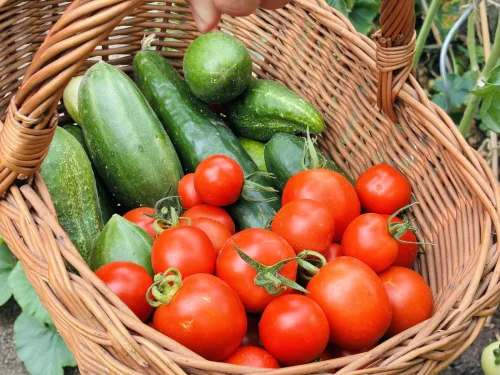
The More Often You Harvest, the Longer Plants Keep Cropping
With fruiting vegetables, frequent picking keeps plants flowering and producing for longer. A few crops, such as aubergines, are tastiest when harvested slightly earlier rather than fully mature.
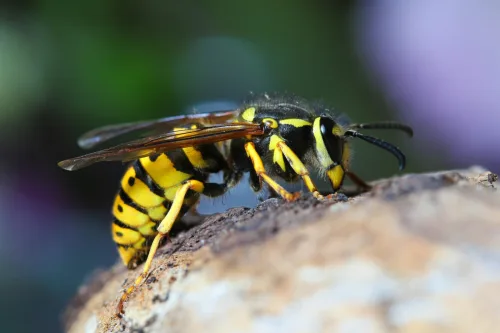
Wasps Aren’t Just a Barbecue Menace They Can Ruin Your Garden Woodwork Too
Weathering isn’t always the main culprit behind damaged outdoor timber. Wasps can scrape fibres from boards and beams surprisingly fast, leaving grooves that soak up water and accelerate decay.
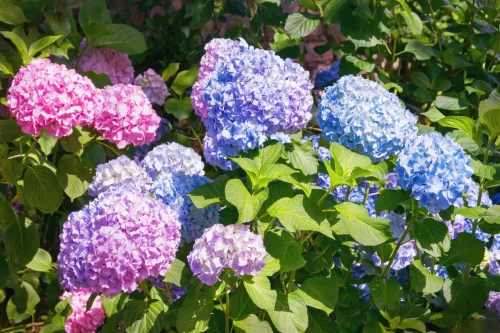
Why hydrangeas wilt in summer even when watered and how to save them fast
Hydrangeas can look limp in hot weather even if you’ve been watering faithfully. The key is to check what’s happening in the root zone, then adjust watering, shade and mulching so the plant can actually use the moisture available.
Comments (0)
Be the first to comment.