
 English
  Polski
  Deutsch
  Nederlands
  Svenska
  Norsk
Norsk  Dansk
Dansk  Français
  Italiano
  Español
  Português
  Slovenčina
  Suomi
Suomi  Gaeilge
 How to Keep Your Garden Going in Drought Without Wasting Water or Money
Long stretches without rain can quickly exhaust a garden. Even so, it’s worth not giving up on care. If you help plants through a tough period, they’ll reward you by keeping the outdoor space beautiful so you’ll still enjoy spending time there. Gardening also naturally supports caring habits, calms the mind, and brings a sense of purpose because you’re managing a limited natural resource. A water-wise approach is kinder to the environment and to your wallet, too.
How to care for a garden during drought
Water only when it’s truly needed
The soil surface may look parched, but a few centimetres down there’s often still moisture. Before you reach for the watering can, try a simple finger test. If the soil is still damp at about half a finger-joint deep, feel free to postpone watering. Plants benefit far more from thoughtful irrigation than from automatic daily sprinkling.
Time watering outside the hottest part of the day
It’s best to water early in the morning or in the evening. In midday heat, water evaporates quickly and less reaches the plants than you’d expect. Watch out for wind as well, which speeds up drying dramatically. A warm, windy day can strip moisture from the soil faster than sun alone.
Aim water at the roots, not the leaves
Plants need water most in the root zone. Try to water directly at the base of the plant. Water on leaves is also an unnecessary risk, because in strong sun the foliage can be damaged as droplets dry rapidly. Targeted watering means less use and better results.
Less often, but thoroughly
Instead of a light daily spray, it’s better to give plants an occasional deep soak. This helps push moisture deeper into the soil, encouraging roots to grow down and making the plant more resilient. When you water, it pays to linger with each plant long enough for a real soak, not just a quick wetting of the surface.
Use simple drip watering from bottles
Plastic bottles can be cleverly reused as a slow-release water source for individual plants. There are also simple attachments that let water seep out gradually straight into the soil. This kind of solution is handy during holidays too, when you need plants to get a basic supply of moisture without daily checks.
Weed regularly, but thoughtfully
Weeds can pull a lot of water from the soil, leaving less for your plantings. Regularly removing unwanted plants therefore makes twice as much sense during drought. At the same time, the label “weed” is often a matter of perspective. Some species support insects and other wildlife, while others spread aggressively and quickly take over beds. The key is deciding what benefits your space and what is simply taking up room and moisture.
Leave the lawn alone and save water for more important plants
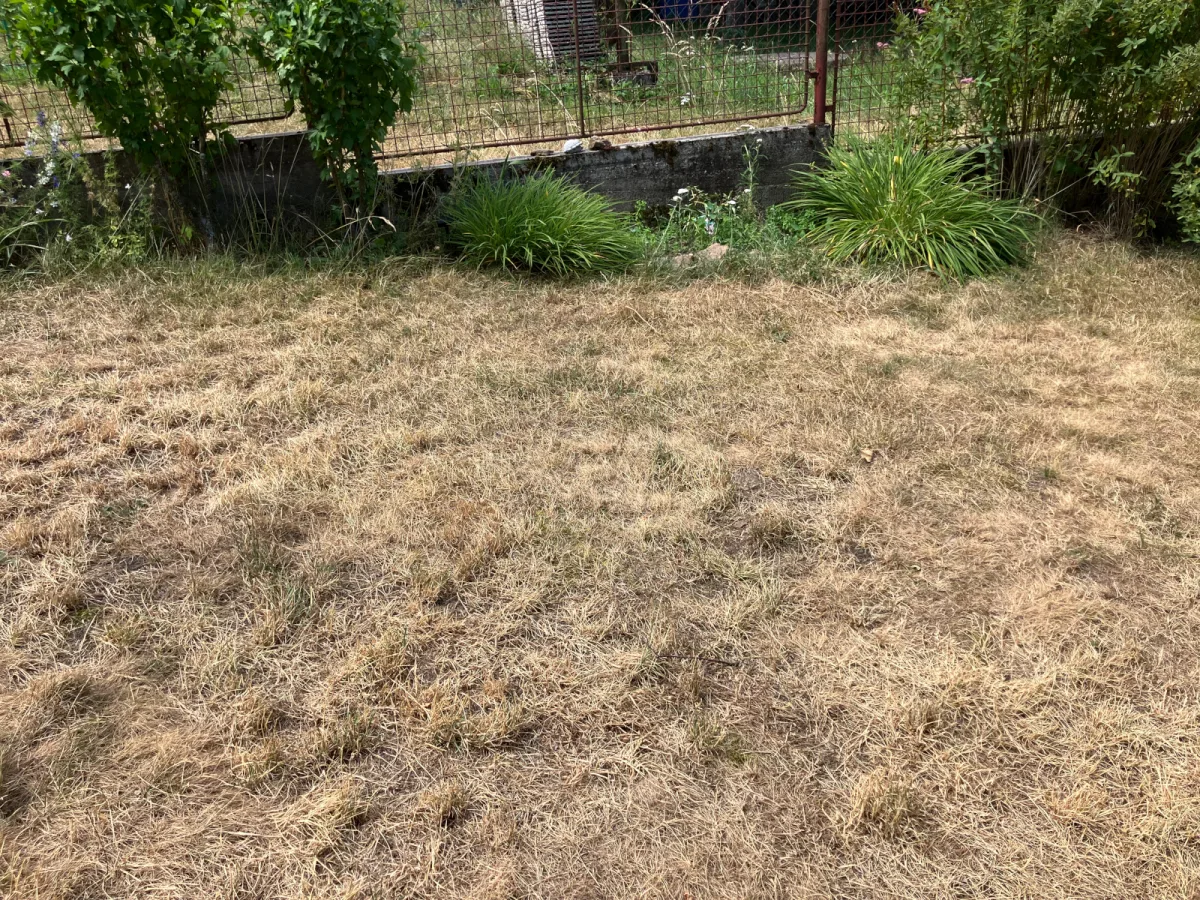
A yellowing, crunchy lawn can look disheartening, but grass is surprisingly resilient and often greens up quickly once rain returns. In dry periods, it usually isn’t worth wasting water on broad, overhead watering—especially if you use sprinklers, which are often inefficient. It’s more valuable to direct water to ornamental and edible plants, which lose condition faster without help.
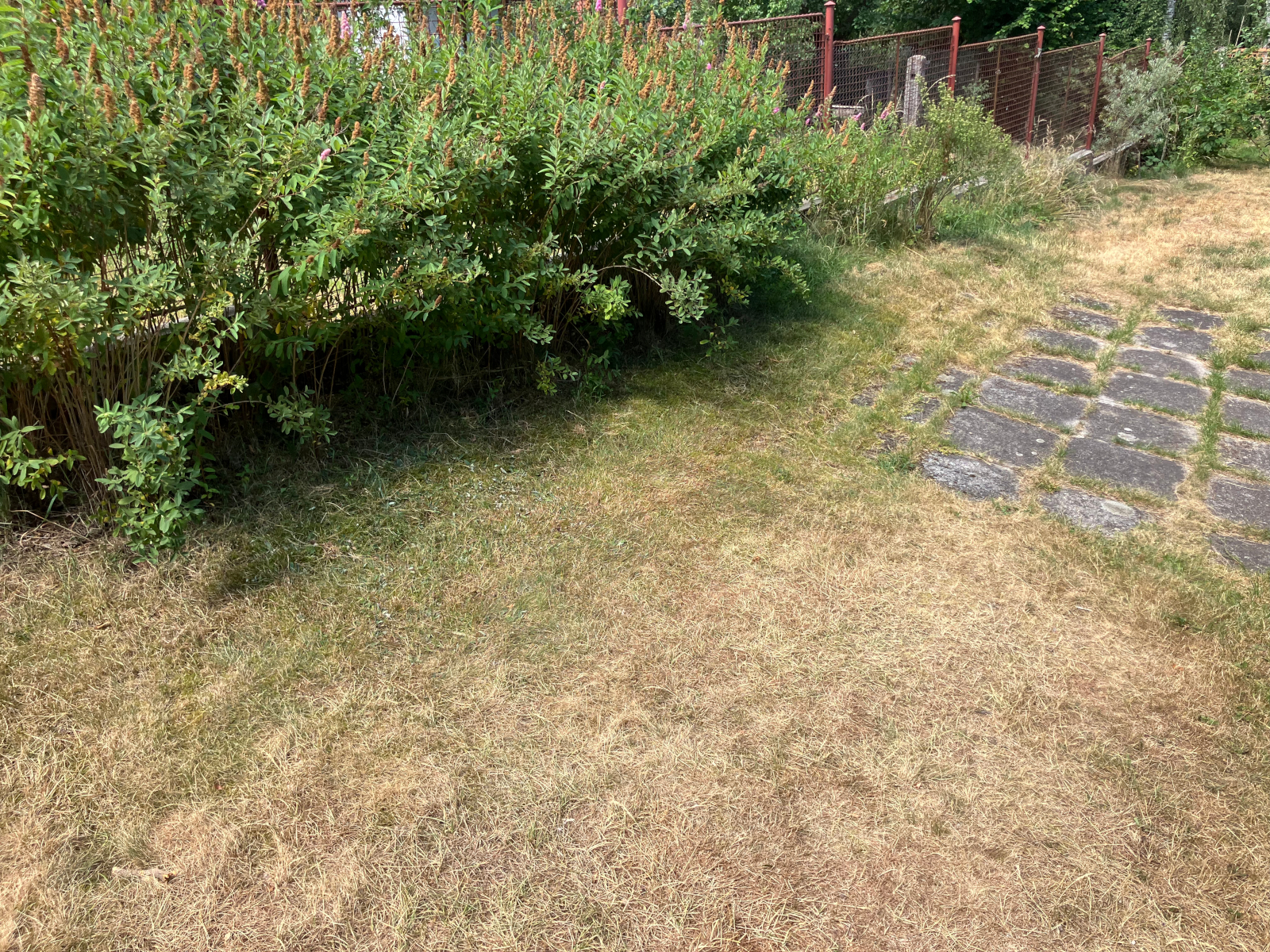
It also helps to reduce mowing. In extreme heat, it’s better to skip mowing for a while, or set the mower to the highest cutting height. Cutting too short stresses the grass unnecessarily and increases evaporation from the soil.
How to create a garden that copes better with drought
Alongside immediate measures, it pays to think ahead. A garden designed with drier spells in mind tends to be more stable and often less demanding in terms of routine maintenance. You’ll appreciate that not only when the weather shifts, but also at times when you have less time, energy, or mobility.
Get rainwater barrels
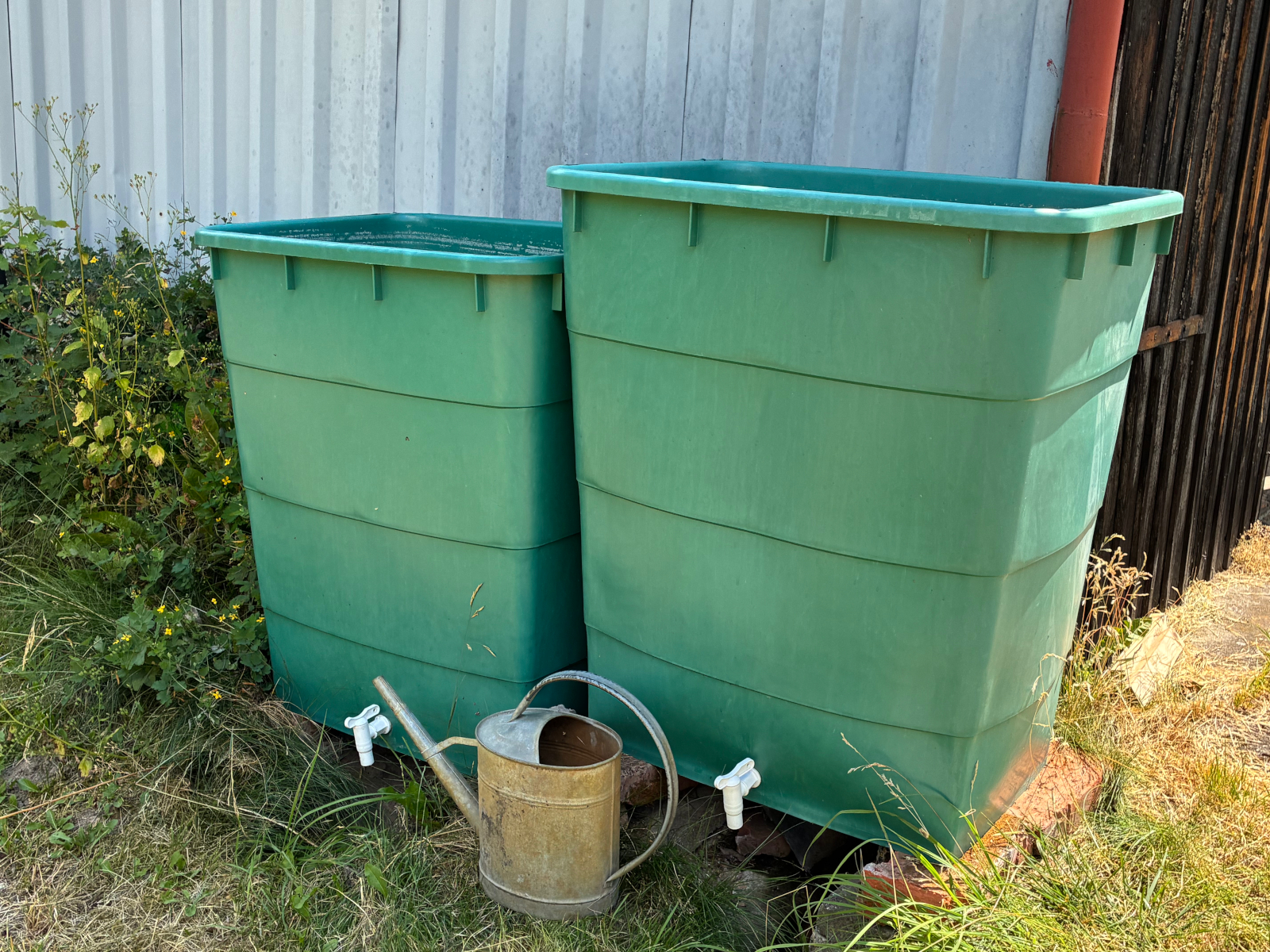
Over the course of a year, you can collect thousands of litres of water from the roof that would otherwise run away. Harvesting rainwater has both environmental and practical benefits because it reduces the amount of mains water you use. For many plants, rainwater is also more suitable, as it’s naturally a little more acidic than tap water. In barrels it often warms to ambient temperature too, so it’s less of a shock to the root system when you water.
Mulch, but at the right time and deeply enough
A layer of mulch can significantly slow soil drying and protect it from direct sun. The key is to add mulch to soil that already contains moisture, because covering completely dried-out ground usually doesn’t solve the problem. For mulch to be effective, it should be thick enough—around five centimetres is a practical target. You can use, for example, garden compost, well-rotted manure, chipped bark, or cocoa shells.
Plant species that tolerate dry spells better
As the climate changes, plants that can adapt to shorter water supplies become increasingly valuable. If you want a more resilient garden, consider adding species known for good drought tolerance. These include, for example, Erysimum Bowless Mauve, lavender, lamb’s ear, Argentine vervain, agapanthus, or sedum. If you combine these plants sensibly with mulch and smart watering, the garden will be more stable and you’ll feel less pressure during drought.
Source: Thrive, RHS, author’s text, Pestrazahrada.cz

A lover of nature, gardens, and everything that moves, blooms, or grows. He literally grows everything, from herbs to rare species, and he enjoys caring for animals just as much. In his work, he connects modern technology with tried-and-tested grandmotherly methods and is happy when both paths lead to the same goal.
Related articles
The More Often You Harvest, the Longer Plants Keep Cropping
With fruiting vegetables, frequent picking keeps plants flowering and producing for longer. A few crops, such as aubergines, are tastiest when harvested slightly earlier rather than fully mature.
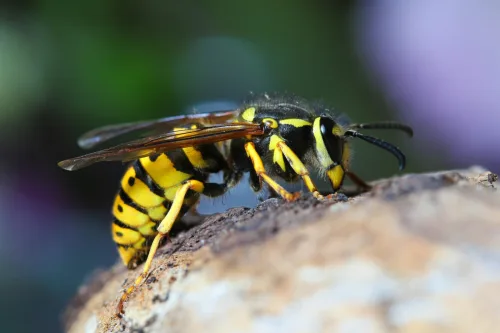
Wasps Aren’t Just a Barbecue Menace They Can Ruin Your Garden Woodwork Too
Weathering isn’t always the main culprit behind damaged outdoor timber. Wasps can scrape fibres from boards and beams surprisingly fast, leaving grooves that soak up water and accelerate decay.
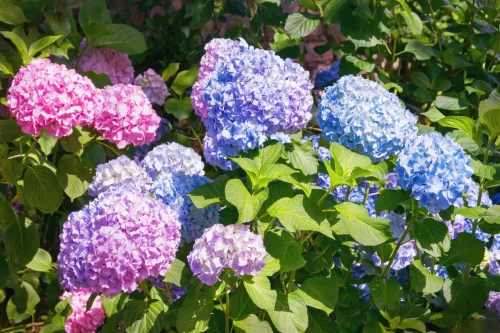
Why hydrangeas wilt in summer even when watered and how to save them fast
Hydrangeas can look limp in hot weather even if you’ve been watering faithfully. The key is to check what’s happening in the root zone, then adjust watering, shade and mulching so the plant can actually use the moisture available.
Comments (0)
Be the first to comment.