
 English
  Polski
  Deutsch
  Nederlands
  Svenska
  Norsk
Norsk  Dansk
Dansk  Français
  Italiano
  Español
  Português
  Slovenčina
  Suomi
Suomi  Gaeilge
 A Five-Minute Feed Mix That Extends Cucumber Harvest by Weeks
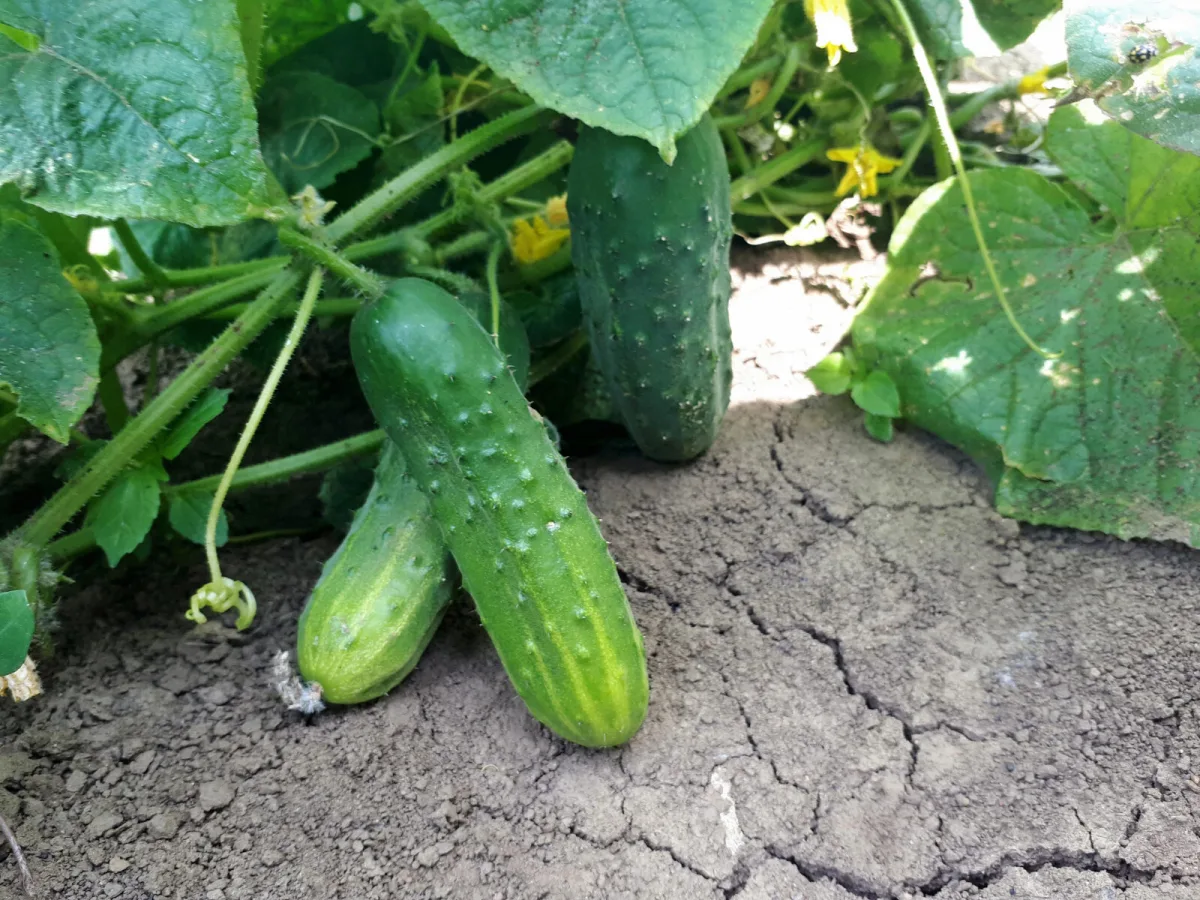
Cucumbers are among the crops that pull a great deal of nutrients from the soil. Once they really get growing and start setting fruit, that demand increases even more. If nutrients aren’t topped up steadily and watering is irregular, the plant quickly loses strength. Typical signs include yellowing leaves, slower growth, small fruits dropping off, and gradually a lower yield. Yet there’s a simple homemade feed you can mix in moments, which can help cucumbers maintain steady vitality all summer long.
Whey and iodine as simple growth support
Whey is a dairy by-product that contains beneficial lactic bacteria as well as minerals and trace elements. In the soil, it helps create a more favourable environment for microorganisms that support healthy root function. As a result, the plant can manage water and nutrients more efficiently and tends to look sturdier overall.
Iodine is used in the garden only in very small doses. In the right amount, it can support plant vigour and also help reduce the pressure of certain fungal issues. The key is not to add more than the recipe recommends, because a higher dose can actually harm cucumbers.
A homemade feed recipe you can make in minutes
To prepare it, you’ll need 1 litre of fresh, plain unsweetened whey, 9 litres of lukewarm water, and 10 drops of iodine. Mix everything thoroughly so the ingredients combine evenly. It’s best to make the solution fresh each time and use it as soon as possible after mixing, because its effectiveness can decline if it stands for too long.
How to apply the solution safely for the roots
Before feeding, lightly water the soil around the cucumbers with clean water first. This prevents the roots from sudden contact with a stronger mix and reduces the risk of plant stress. Then pour roughly 500 to 700 ml of the prepared solution at the base of each plant. Aim the drench at the roots and try not to wet the leaves unnecessarily.
Repeat the application once a week during active growth and fruiting. Ideally, water in the evening or on an overcast day, when plants aren’t overheated and the soil doesn’t dry out as quickly.
What you may notice with regular use
If you stick to the dosage and feeding rhythm, plants can look noticeably more lively, leaves may stay a deep green for longer, and cucumbers can set new flowers and fruits more readily. The mix may also help when cucumbers are stressed by weather swings, for example during hot spells when fruiting often becomes erratic.
The feed itself isn’t a magic trick for record harvests, but combined with proper watering, good soil, and regular picking, it can significantly improve plant condition.
Important guidelines worth following
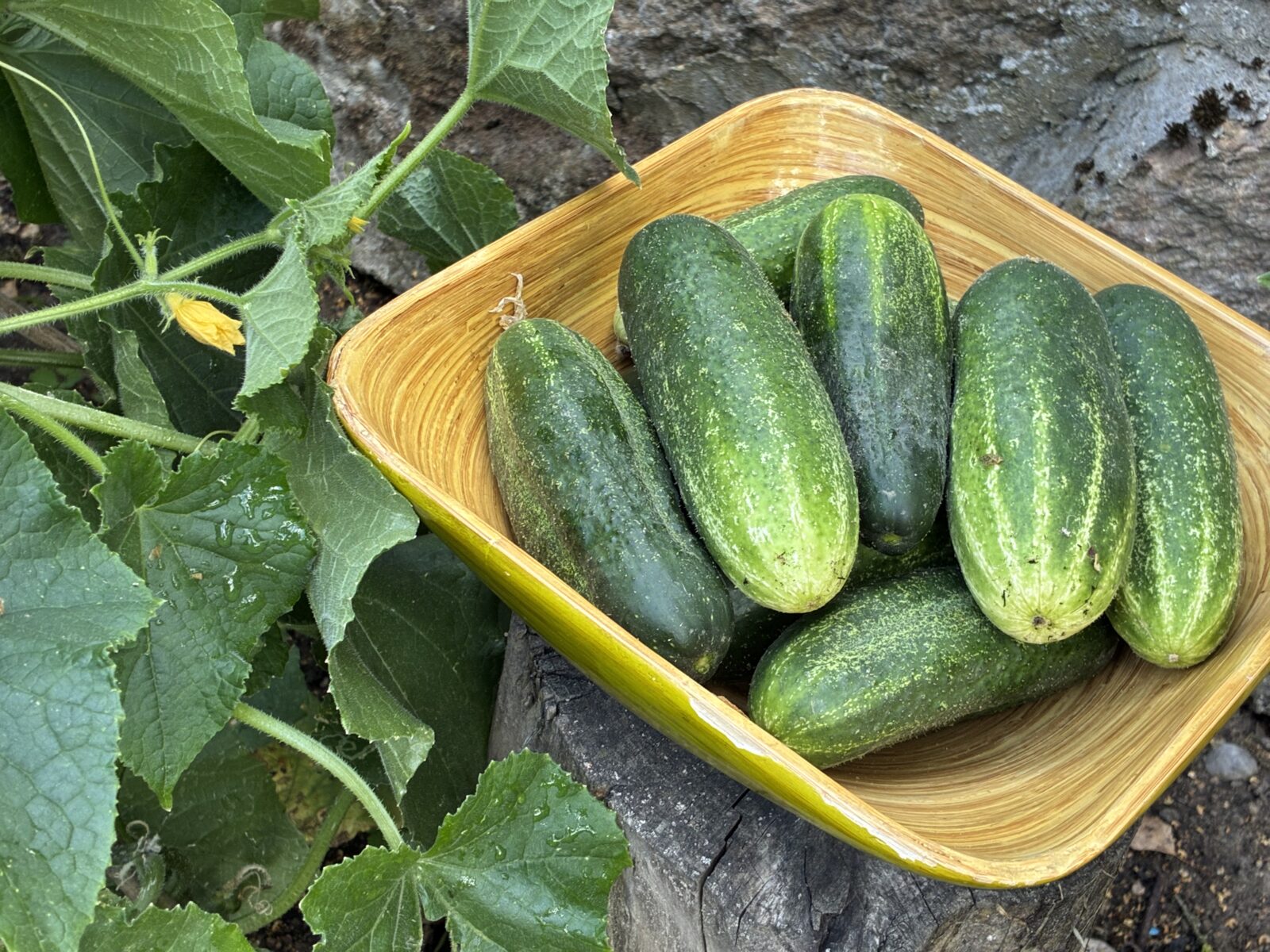
Use only fresh whey with no sugar or flavourings. Never increase the amount of iodine above the recommended 10 drops per 10 litres of mix. Water directly at the roots and time applications for evening or a day without harsh sun. Just as important is regular harvesting, ideally every 2 to 3 days, because overgrown fruits drain the plant unnecessarily and slow the formation of new cucumbers.
What to avoid when feeding cucumbers
A common mistake is feeding too often or using heavy doses. Too much nutrition can push the plant into producing mainly leaves and shoots, while fruit set drops. It’s also a bad idea to apply the solution to completely dry soil, or to water at midday when the soil is hot and the plant is under stress.
A simple approach for the longest possible harvest
If you want to keep picking for as long as possible, don’t rely on feeding alone. Cucumbers benefit from regular watering with lukewarm water and keeping the soil evenly moist. Removing damaged leaves as you go also helps, so the plant isn’t weakened unnecessarily. Add a weekly drench with the whey solution and harvest fruits without delay, and you can support steady growth and extend the picking season right through to late summer, often even longer depending on the weather.
Source: To je nápad, GrowVeg, Pestrazahrada.cz

A lover of nature, gardens, and everything that moves, blooms, or grows. He literally grows everything, from herbs to rare species, and he enjoys caring for animals just as much. In his work, he connects modern technology with tried-and-tested grandmotherly methods and is happy when both paths lead to the same goal.
Related articles
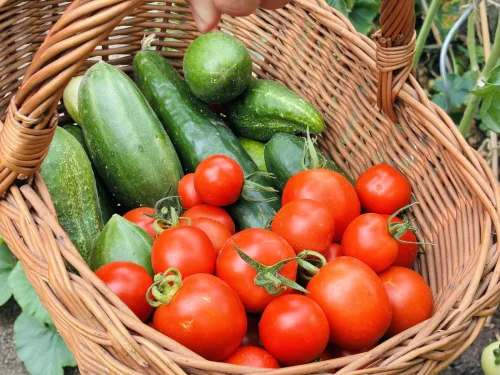
The More Often You Harvest, the Longer Plants Keep Cropping
With fruiting vegetables, frequent picking keeps plants flowering and producing for longer. A few crops, such as aubergines, are tastiest when harvested slightly earlier rather than fully mature.
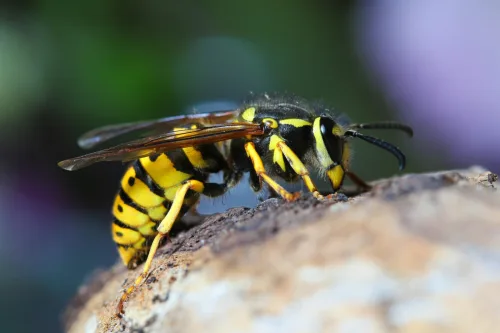
Wasps Aren’t Just a Barbecue Menace They Can Ruin Your Garden Woodwork Too
Weathering isn’t always the main culprit behind damaged outdoor timber. Wasps can scrape fibres from boards and beams surprisingly fast, leaving grooves that soak up water and accelerate decay.
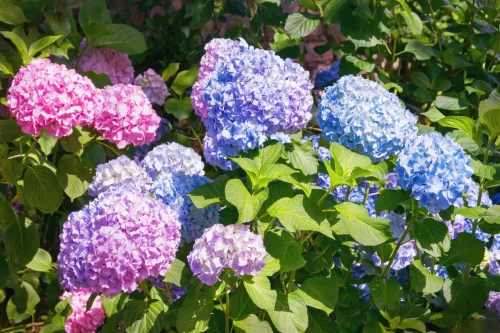
Why hydrangeas wilt in summer even when watered and how to save them fast
Hydrangeas can look limp in hot weather even if you’ve been watering faithfully. The key is to check what’s happening in the root zone, then adjust watering, shade and mulching so the plant can actually use the moisture available.
Comments (0)
Be the first to comment.