
 English
  Polski
  Deutsch
  Nederlands
  Svenska
  Norsk
Norsk  Dansk
Dansk  Français
  Italiano
  Español
  Português
  Slovenčina
  Suomi
Suomi  Gaeilge
 A Simple Trick for Geraniums to Grow Fast and Bloom Heavily
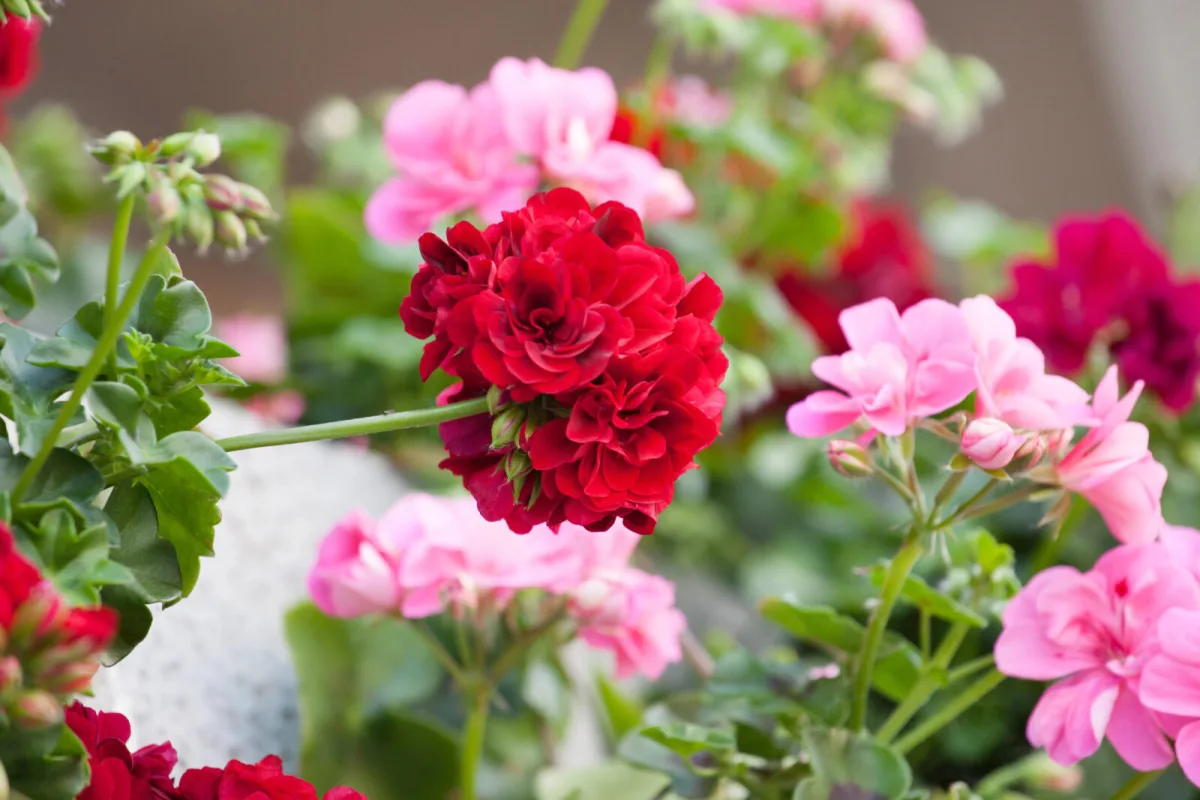
Geraniums (pelargoniums) are among the most commonly grown balcony and patio plants. The reason is simple: they look great, flower for a long time, and don’t demand complicated care. Unlike more delicate species, they usually do fine with standard all-purpose compost and regular watering. Even so, it sometimes happens that the plant is healthy, but there are fewer flowers, they’re smaller, or they appear slowly. If you want the plants to bulk up faster and become literally covered in blooms, a simple homemade feed can help.
A drop of iodine to support growth and flowering
During the period when geraniums are actively growing, you can boost their vitality with an unobtrusive solution of water and iodine. The principle is straightforward: the plant may be able to use the nutrients already in the compost more efficiently, while the root system is strengthened. Strong roots are the foundation for setting lots of buds and for long-lasting flowering.
Mix the solution very sparingly. Add literally one drop of iodine to one litre of room-temperature water. Use this feed about once every two weeks during the growth phase. It’s important to water carefully at the roots and try to avoid getting the liquid on the leaves, where it could cause damage.
Why iodine can work and what to watch out for
Iodine, in tiny amounts, is associated with improved nutrient uptake and healthier roots. It can also support the plant’s overall resilience, helping geraniums cope better with certain diseases, moulds, or pest pressure. For this approach to make sense, though, it’s crucial not to exceed the recommended ratio. A higher dose may not be beneficial; on the contrary, it can weaken the plant and the effect can backfire.
With iodine, less is more. One drop per litre of water is the maximum for gentle use.
Care basics that decide how many flowers you get
No fertiliser will rescue geraniums if they don’t have good conditions. They perform best in a sunny spot with plenty of light for flower production. If you’re growing geraniums in pots, it pays to turn the container now and then so the light hits the plant evenly. That way it won’t lean and stretch to one side, and it will form a neater, more symmetrical shape.
It’s better to base watering on the condition of the compost. Geraniums don’t like constantly waterlogged soil, so water only when the compost around the roots feels drier to the touch. With the right watering routine, flowering tends to be more consistent and the plant is less prone to root rot.
Other natural feeding options worth trying
Besides an iodine solution, there are other simple homemade ways to give geraniums extra nutrients. Banana peels are often mentioned because they contain potassium, which is linked to flower formation. You can chop the peels into smaller pieces and work them into the top layer of compost around the plant. Used coffee grounds are also popular; they add nitrogen and can support leafy growth. Use them sparingly, though, so the compost doesn’t change unnecessarily or start to go mouldy.
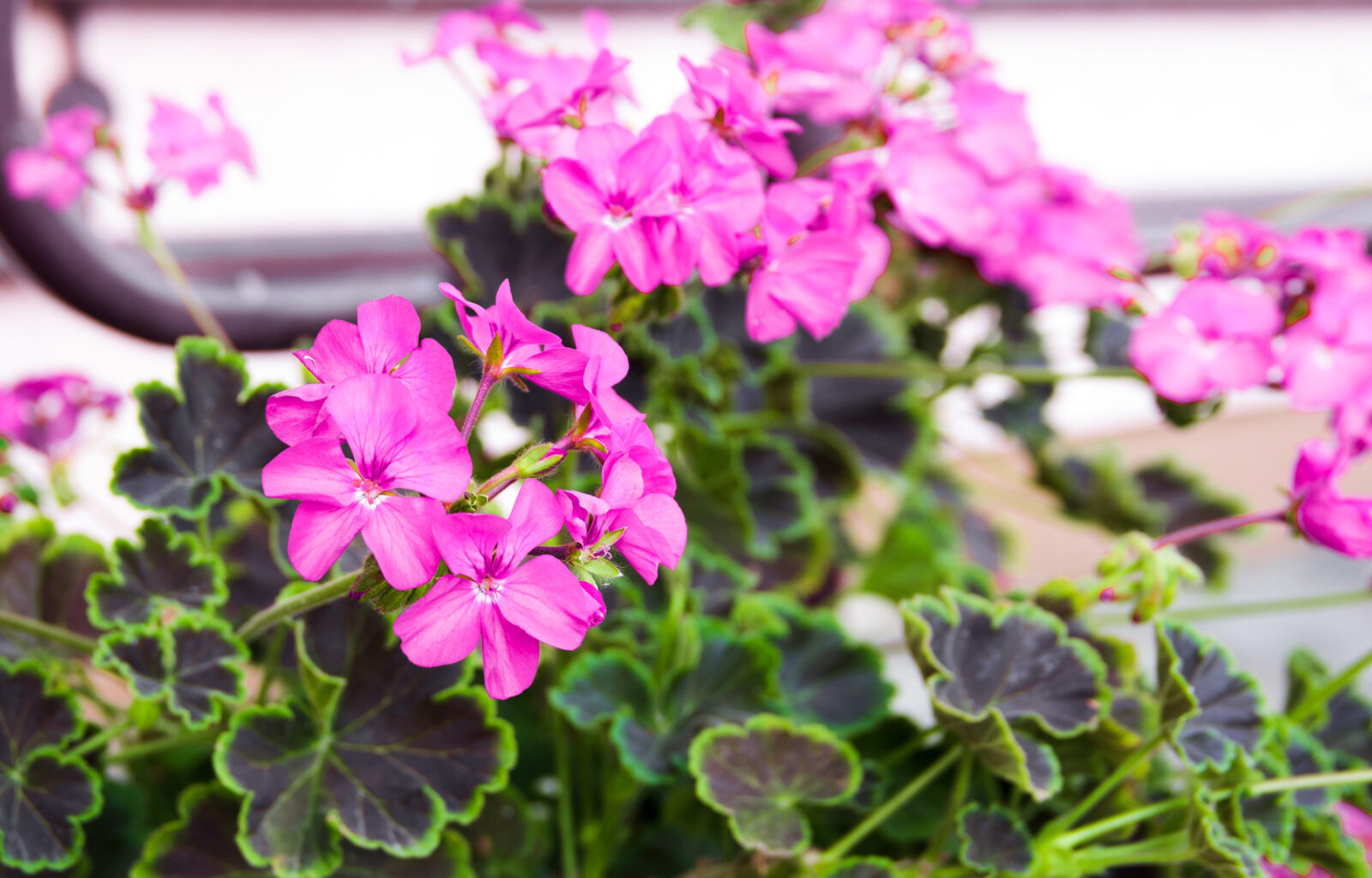
Another home trick is using water from boiled potatoes. Once cooled, you can use it for watering, because it may contain substances the plants can make use of. Some growers also occasionally add a small amount of milk to the watering can for calcium and other minerals; here too, less is safer and it’s best not to overdo it.
How to get the most from it without avoidable mistakes
If you want geraniums that look dense and are smothered in flowers, combine the right position, sensible watering, and cautious feeding. The iodine solution can be an interesting extra during the growth period, but only with precise dosing. As soon as you see the plants responding well, stick to a regular routine and don’t increase the concentration in the belief it will speed things up. With geraniums, patience and moderation pay off in the long run.
Source: Pelargonium for Europe, The Spruce, Pestrazahrada.cz

A lover of nature, gardens, and everything that moves, blooms, or grows. He literally grows everything, from herbs to rare species, and he enjoys caring for animals just as much. In his work, he connects modern technology with tried-and-tested grandmotherly methods and is happy when both paths lead to the same goal.
Related articles
Next year you can harvest better if you don’t sow carrots where they won’t thrive
Carrot root fly can ruin carrots, parsley and celery from the inside out, often without obvious warning until harvest. Better site choice, rotation, later sowing and simple physical barriers can dramatically cut damage next season.
How to Propagate Roses from Cuttings at Home and Fill Your Garden with Blooms Almost for Free
Want more roses without paying for new plants? With a few healthy cuttings and a simple plastic-bottle mini greenhouse, you can root new bushes at home in just a few weeks.
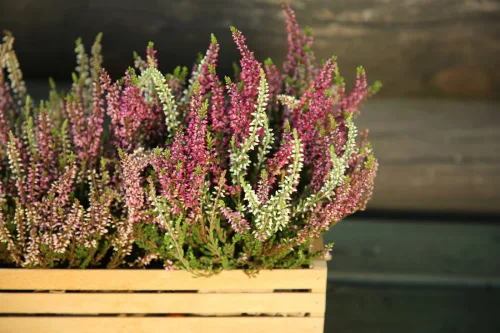
Heathers can cope where other plants won’t, but one soil detail decides everything
Heathers and heaths are tough evergreen shrubs that can flower across the seasons when you choose the right types. Success hinges on matching the plant to your soil pH and ensuring free drainage.
Comments (0)
Be the first to comment.