
 English
  Polski
  Deutsch
  Nederlands
  Svenska
  Norsk
Norsk  Dansk
Dansk  Français
  Italiano
  Español
  Português
  Slovenčina
  Suomi
Suomi  Gaeilge
 The most common pond mistakes that make the water lose clarity
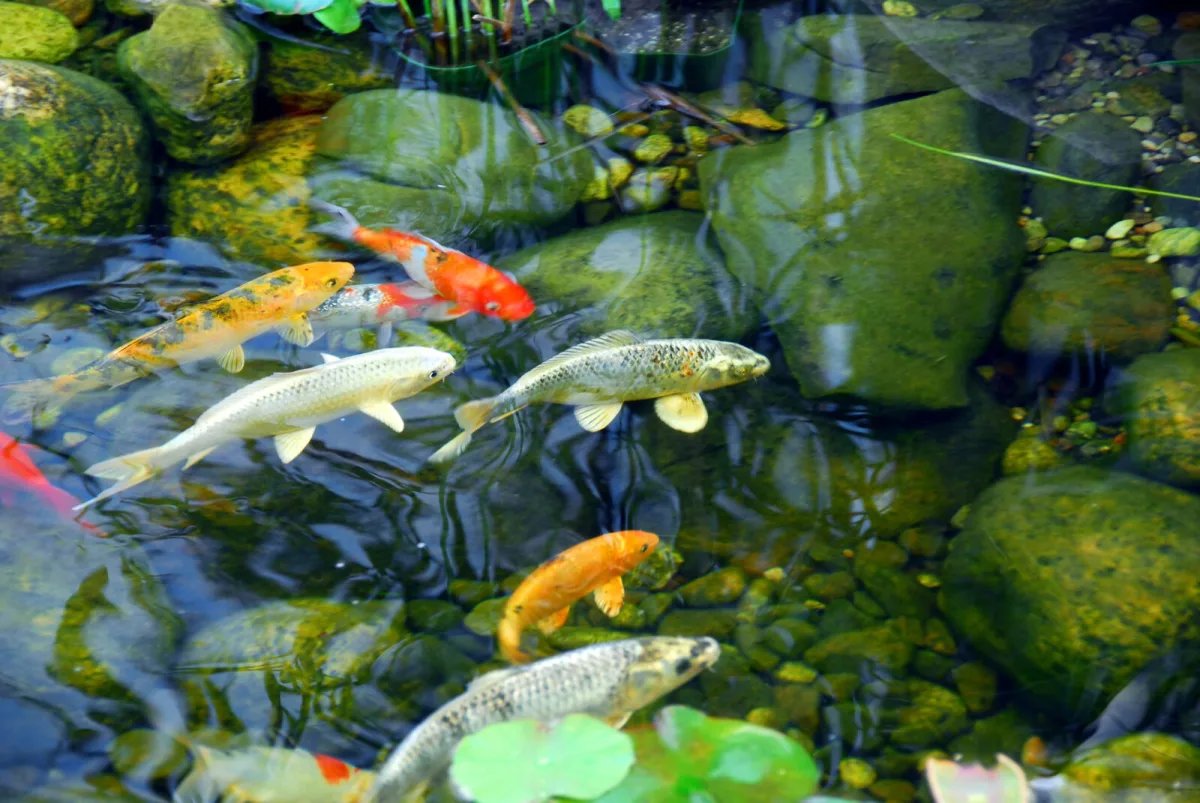
A crystal-clear surface isn’t just the result of technology, but above all a properly functioning pond environment. A garden pond is a small ecosystem where several things have to come together at once: a reasonable level of nutrients, enough oxygen, well-chosen plants, and regular checks. When you manage to set the biological balance, the water cleans itself naturally, algae don’t gain the upper hand so easily, and maintenance becomes more routine than exhausting.
Beneficial microorganisms also have a big impact on water clarity. They break down organic debris that would otherwise remain in the water or on the bottom and gradually turn into nutrients that fuel cloudiness and algae growth. The goal of care, therefore, isn’t to sterilize the pond, but to keep its processes in balance.
When filtration helps and what it actually does
A smaller ornamental pond with a sensible amount of plants can work even without complicated equipment, because nature will do part of the job. But once you add a larger surface area, fish, or a higher nutrient load, filtration becomes almost essential. It lightens the workload and, above all, stabilizes the water during periods when the ecosystem can’t process everything fast enough.
Common systems combine several principles. The mechanical stage traps floating debris and fine particles. The biological stage provides space for bacteria that break down waste. And a UV clarifier can curb the multiplication of single-celled algae that often cause green water, while also reducing the presence of some undesirable germs. For filtration to work properly, it should run consistently, because frequent shut-offs disrupt the biological processes inside the filter.
A skimmer and timely checks catch debris from around the pond
If the pond sits close to trees, it’s almost certain that leaves, needles, and small debris will fall into the water. These leftovers quickly turn into nutrients and worsen water quality. In that situation, a skimmer is a practical helper, collecting debris from the surface before it sinks to the bottom. After windy weather or a storm, it pays to walk around the pond, remove branches and washed-in debris, and not leave them in the water longer than necessary.
Plants aren’t decoration but a natural filter
Aquatic and marginal plants have more roles in a pond than just looks. They remove nutrients from the water, competing with algae, provide shelter for wildlife, and contribute to a stable environment. It’s important to plant them at a depth that suits them. Marginal species thrive in the shallows, while water lilies and selected oxygenating plants need deeper areas. The right distribution of vegetation also helps shade the surface, which in summer limits overheating and rapid algae blooms.
The better the pond is planted with species from different depth zones, the more easily the system can cope with excess nutrients.
A pond with fish requires discipline and depth
Keeping ornamental fish increases the load on the pond, because nutrients enter the water from feed and fish waste. For fish to have a stable environment even in winter, it’s wise to plan for at least about 80 cm of depth. The key rule is not to overfeed. Leftover food spoils the water quickly and fuels algae, as does keeping too many fish. An overstocked pond then struggles to stay balanced, and problems with cloudy water return even with filtration.
Oxygenation and water movement
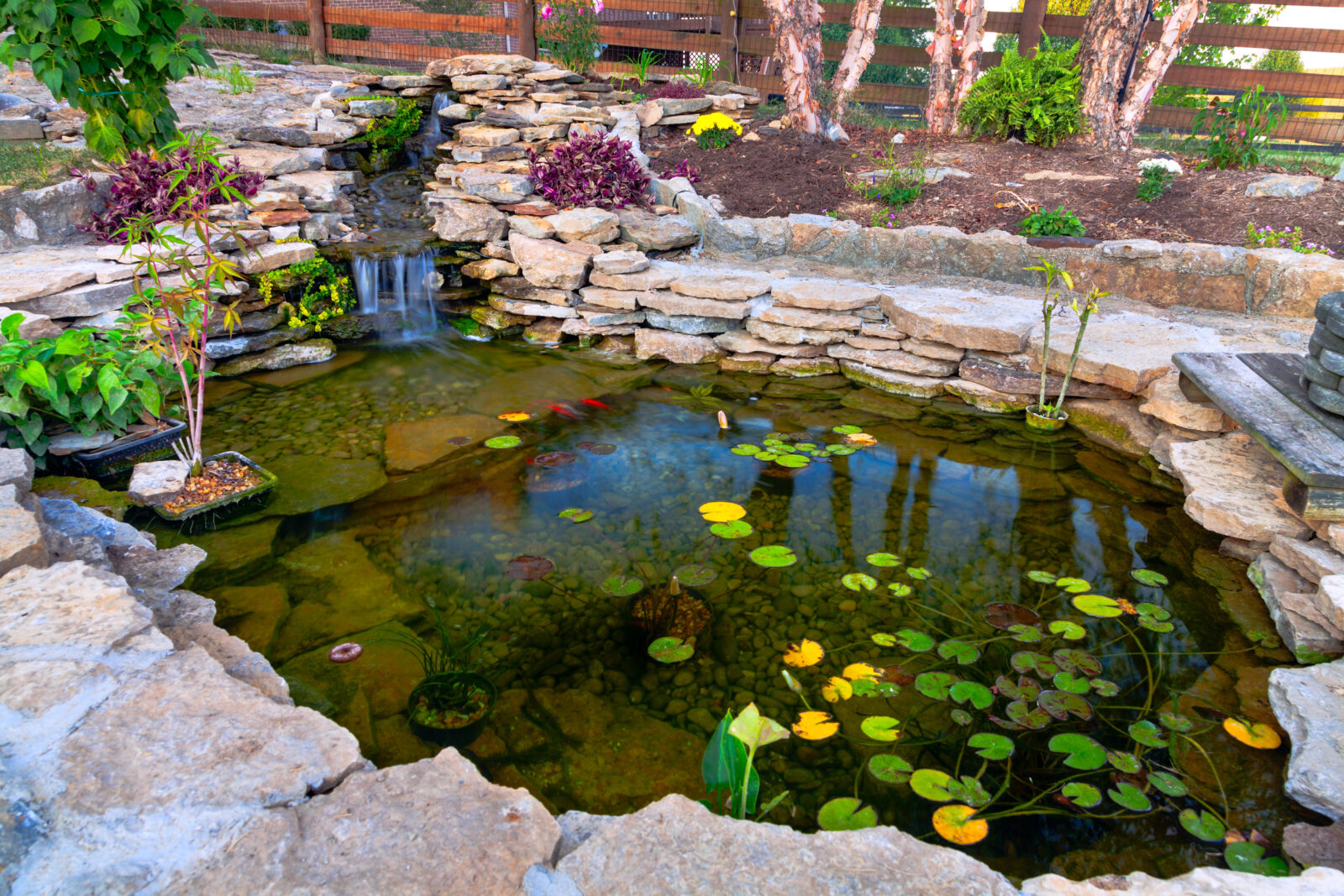
Alongside plants, oxygen supply and surface movement also help water quality. In smaller ponds, streams or waterfalls can work well, aerating the water naturally. Feature pumps, spouts, and other elements are also useful, increasing gas exchange and supporting a more stable environment, especially during hot days.
Ongoing maintenance during the season
Throughout the year, it pays to check the pond regularly and step in early, while problems are still small. It’s practical to remove fallen leaves and floating debris, trim off dead plant material as you go, keep an eye on the pump and filtration, and top up water lost to evaporation. It’s also a good idea to watch for the first signs of algae, because a quick response is usually easier than drastic measures later.
Mistakes that lead to algae and cloudy water
Trouble often doesn’t appear because of one thing, but because of a combination of several missteps. Typical ones include placing the pond directly under deciduous trees, making it too small or too shallow, overfeeding and keeping too many fish, neglecting filter cleaning, and allowing organic debris to build up on the bottom over the long term. It’s precisely this mix of factors that is most often behind water losing its clarity and algae taking over.
A clear pond isn’t luck but a system
A well-designed pond can, over time, behave like a naturally functioning whole. Once you give it the right plants, a reasonable load, and regular but fairly light maintenance, it will reward you with stable water, healthy plant growth, and a pleasant atmosphere in the garden. The key is to remember that the goal isn’t perfect sterility, but a sustainable long-term balance.
Source: Ozponds, Pondkeeper, Pestrazahrada.cz

A lover of nature, gardens, and everything that moves, blooms, or grows. He literally grows everything, from herbs to rare species, and he enjoys caring for animals just as much. In his work, he connects modern technology with tried-and-tested grandmotherly methods and is happy when both paths lead to the same goal.
Related articles

The More Often You Harvest, the Longer Plants Keep Cropping
With fruiting vegetables, frequent picking keeps plants flowering and producing for longer. A few crops, such as aubergines, are tastiest when harvested slightly earlier rather than fully mature.
Wasps Aren’t Just a Barbecue Menace They Can Ruin Your Garden Woodwork Too
Weathering isn’t always the main culprit behind damaged outdoor timber. Wasps can scrape fibres from boards and beams surprisingly fast, leaving grooves that soak up water and accelerate decay.
Why hydrangeas wilt in summer even when watered and how to save them fast
Hydrangeas can look limp in hot weather even if you’ve been watering faithfully. The key is to check what’s happening in the root zone, then adjust watering, shade and mulching so the plant can actually use the moisture available.
Comments (0)
Be the first to comment.