
 English
  Polski
  Deutsch
  Nederlands
  Svenska
  Norsk
Norsk  Dansk
Dansk  Français
  Italiano
  Español
  Português
  Slovenčina
  Suomi
Suomi  Gaeilge
 Coneflower is a low maintenance garden star that blooms into autumn
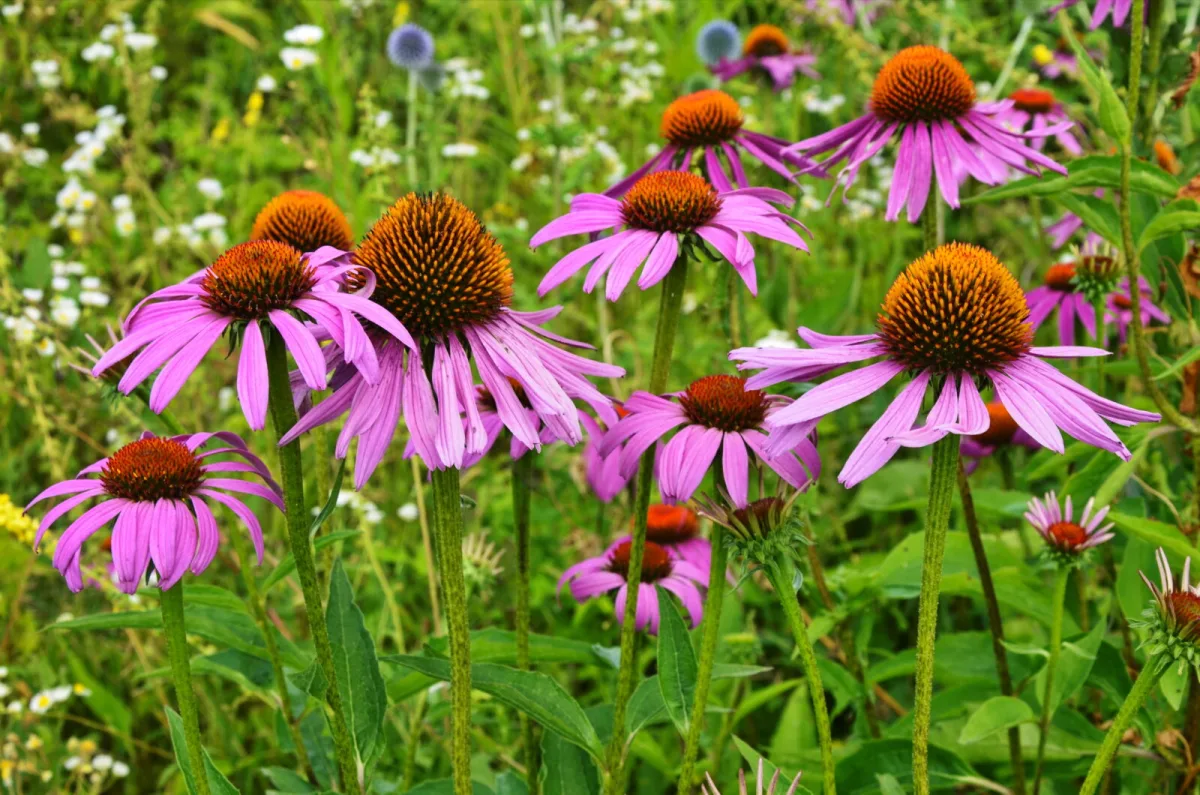
If you’re looking for a perennial that copes with typical garden conditions without demanding care and still brightens borders in late summer, coneflower is an excellent choice. Its blooms last a long time and bring strong colour just when many other plants are finishing. Coneflower also looks naturally at home, suits both cottage-style and contemporary plantings, and blends easily into mixed perennial borders.
A major advantage is its long flowering season. Coneflower usually starts blooming in July and, in good conditions, continues right through to October. That makes it a valuable feature for late-summer and early-autumn gardens, when the display often relies on only a few dependable species.
Prairie origins and the kind of resilience that matters today
Coneflower, also known by its botanical name Echinacea, comes from the North American prairies. That background—open landscapes with big swings in weather—has given it the ability to handle drier spells and perform well even when you can’t keep a daily eye on watering. At a time when heat and longer dry periods are increasingly common, that trait is a real bonus in the garden.
In our conditions it grows to roughly 60 to 120 cm. That makes it ideal for the middle of a border, where it creates a standout flowering layer, but it also works well as a small, eye-catching group that draws attention from a distance.
Value for insects and a more vibrant garden
Coneflower isn’t just decoration. Its flowers attract pollinators—especially bees and butterflies—helping to support wildlife diversity in the garden. With so much talk about insect declines, planting nectar-rich perennials like this is a simple step towards a garden that functions more naturally and benefits the wider landscape too.
If you want a garden that isn’t only beautiful but also useful, coneflower is one of the sure bets for late summer and the start of autumn.
How to grow coneflower for the longest possible bloom
Coneflower care is beginner-friendly. It performs best in full sun, though it will tolerate light partial shade. The key is well-drained soil so water doesn’t sit around the roots. Waterlogging is a bigger problem for many perennials than the occasional dry spell.
Although established plants cope well with drought, it’s worth watering consistently in the first year after planting so coneflower can root in reliably. For a longer flowering display, regularly remove spent flowerheads; the plant is then more willing to produce new buds, and the border looks tidier.
Propagation and renewing plants
You can increase coneflower in two ways. The quickest is dividing clumps in spring, giving you new plants with the same characteristics as the parent. The second option is sowing seed, which takes more time but allows you to raise a larger number of plants at once and is useful for bigger plantings.
Colour options that change the mood of a border
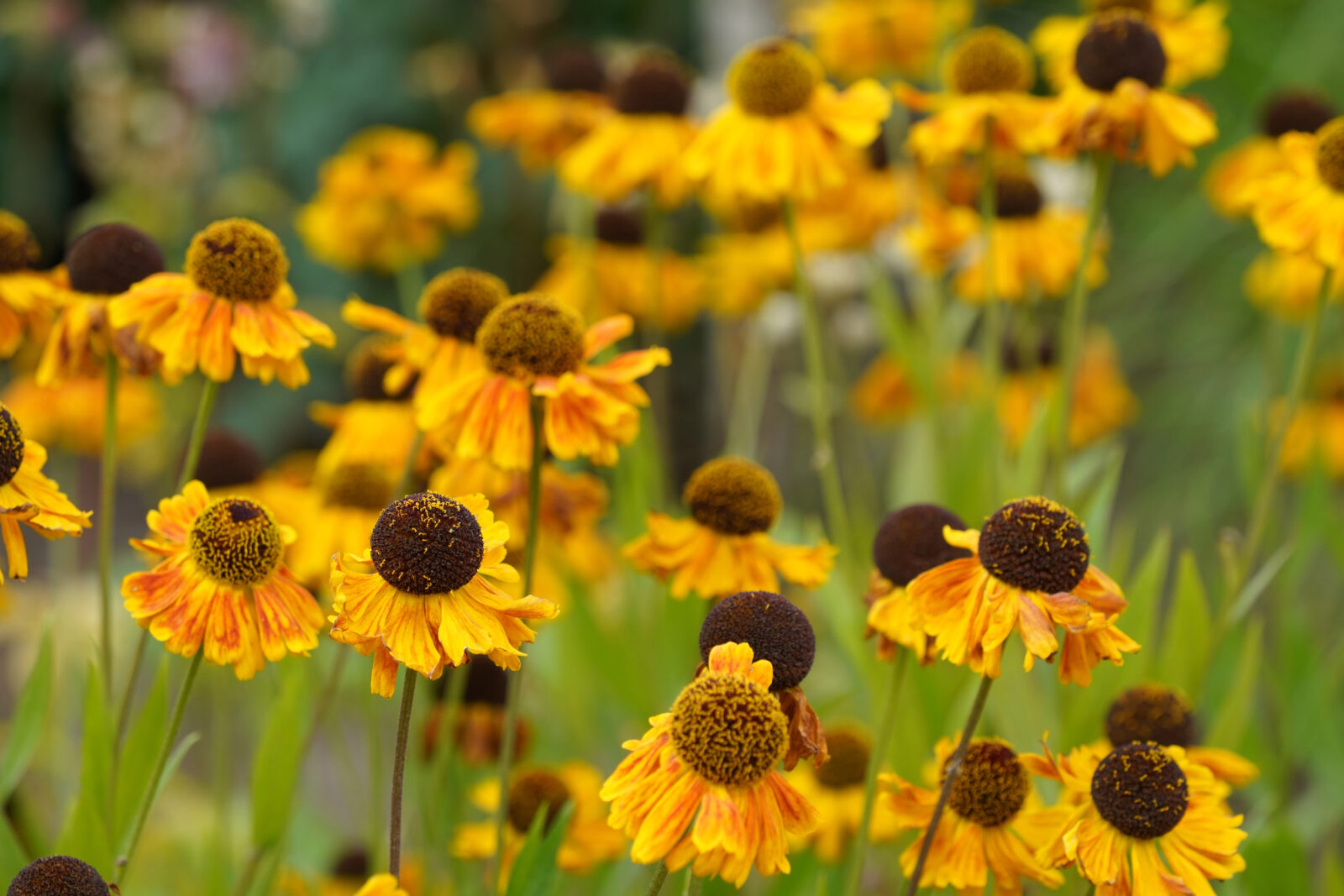
The best-known type is purple coneflower with rosy-purple tones, but the range of cultivars is far broader. There are also yellow and orange varieties that bring warmer, sunlit shades into the garden. Yellow forms stand out especially well in larger drifts, reading as a bright “lit-up” patch in the border even in dull weather. Orange cultivars, on the other hand, suit the autumn feel and combine beautifully with other late-flowering perennials.
Two-tone types are another interesting choice, pairing, for example, pale petals with a pink or purple flush. These plants can create a softer yet still noticeable accent that livens up even a simpler scheme.
Uses in borders, in a vase, and for winter decorations
In the garden, coneflower shines in naturalistic planting where its prairie character comes through. It looks superb alongside ornamental grasses, which emphasise its silhouette and add an airy feel to the border. It also pairs perfectly with plants that like similar conditions—sun and free-draining soil—such as salvias or sedums, creating harmonious combinations that stay attractive for a long time.
Thanks to its sturdy stems, it’s also excellent as a cut flower. It lasts quite well in a vase and suits both summer and autumn arrangements. Another option is drying the blooms. Once dried, they often hold their shape and colour and can be used in dried bouquets, wreaths, or winter decorations that bring a touch of the garden indoors during the colder months.
Why coneflower fits almost anywhere
Coneflower combines several practical benefits in one plant. It’s resilient, flowers for a long time, supports pollinators, and is useful beyond the border too—whether for bouquets or decorations. If you want a garden that still looks lively as summer turns to autumn, without needing daily attention, this perennial is one of the most reliable choices you can make.
Source: Proven Winners, RHS, Pestrazahrada.cz

A lover of nature, gardens, and everything that moves, blooms, or grows. He literally grows everything, from herbs to rare species, and he enjoys caring for animals just as much. In his work, he connects modern technology with tried-and-tested grandmotherly methods and is happy when both paths lead to the same goal.
Related articles
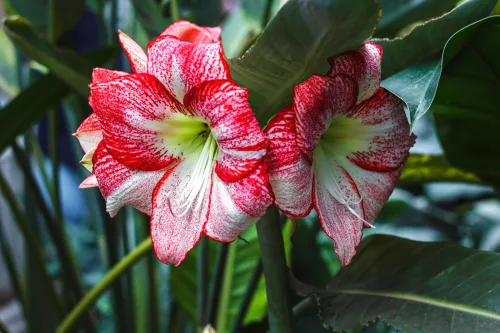
The Christmas Amaryllis That Can Bloom for Years but Most People Throw It Away After Flowering
Hippeastrum is a spectacular winter-blooming bulb that, with the right care, will flower again year after year. Learn how to plant it correctly, look after it after flowering, and bring it into dormancy so it reliably reblooms.
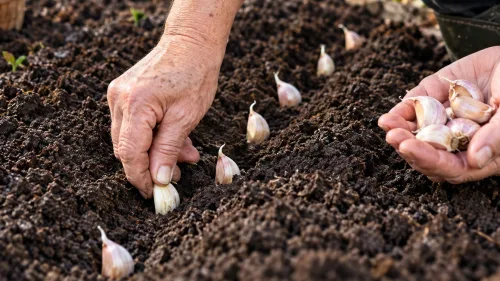
How to Grow Winter Garlic for a Much Bigger Harvest
Autumn planting is the key to strong, healthy winter garlic, but the details make all the difference. With the right timing, bed choice, seed-clove treatment and a simple bicarbonate trick, you can noticeably boost yield.
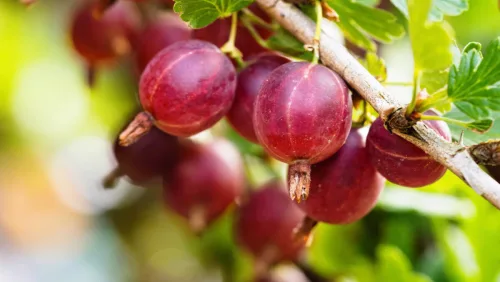
A tree or shrub planted properly in autumn can outpace spring stock and improve fruiting
Many fruit trees and soft-fruit shrubs establish better when planted in autumn, because roots keep growing while the top is dormant. Done well, this head start means stronger spring growth, less watering, and a healthier first year.
Comments (0)
Be the first to comment.