
 English
  Polski
  Deutsch
  Nederlands
  Svenska
  Norsk
Norsk  Dansk
Dansk  Français
  Italiano
  Español
  Português
  Slovenčina
  Suomi
Suomi  Gaeilge
 Tired Mint in Mid-Summer? Now’s the Time to Rejuvenate It for a Fuller, Healthier Plant
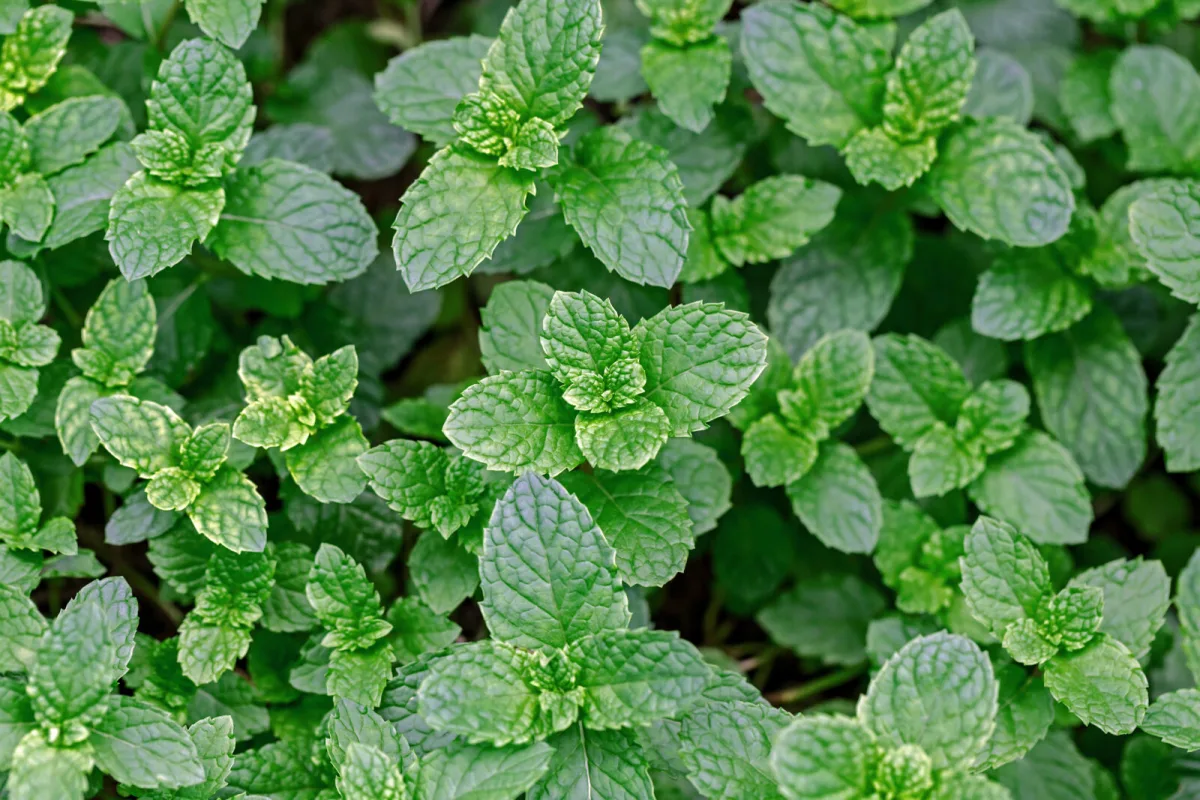
Mint is one of the most popular herbs because it smells wonderful, grows quickly, and is easy to use in the kitchen as well as for home herbal teas. But that very vigour is also why it can weaken over time. If you don’t cut it back for too long, it becomes overly crowded, older stems turn woody, and the leaves may start to yellow. The plant then tends to be less aromatic and more prone to pests or fungal problems.
Rejuvenation is a simple intervention that relieves the plant and encourages it to push new, young shoots. On top of that, you’ll also get material for propagation, so you can grow more plants for pots or other spots around the garden.
When to tackle rejuvenation
The best time is in spring and early summer, when mint is growing most strongly and has enough energy to bounce back quickly. Another advantage is the weather, which usually isn’t extremely hot yet, so the plant won’t suffer as much from dryness after pruning. If you do it early enough, mint can build a fresh, dense mound before temperatures drop, and it will be in better shape for the next season, too.
How to rejuvenate step by step
Start by clearing out old and damaged parts
Begin by removing yellow leaves, broken stems, and anything that looks tired or diseased. These parts no longer help the plant; they simply drain nutrients that younger shoots could use. Use sharp shears so the cuts are clean and the plant heals faster.
A harder cut usually benefits mint
Next, shorten the main stems to about 10 to 15 cm. It can look severe at first, but mint has strong regrowth potential and will soon reshoot. Ideally, cut just above a point where a pair of leaves grows, because that’s where branching is best encouraged and you’ll end up with a more compact, fuller clump.
After pruning, the soil determines how quickly mint recovers
After cutting back, it pays to focus on the growing medium. Mint likes lighter, free-draining soil with plenty of organic matter. If it’s growing in heavy or clay soil, water can sit around the roots for too long and rot becomes a risk. Working in compost or other organic material will open the soil up while also supplying nutrients for fresh growth.
Watering without waterlogging
After rejuvenation, mint needs steady moisture to quickly produce new shoots. Water regularly, especially during warm days, but make sure the soil isn’t constantly soggy. The best time to water is morning or evening, when less water evaporates and the plant can use it more efficiently. The goal is evenly moist soil, not standing water.
Mulch as a simple safeguard against drying out and weeds
It’s very practical to add mulch around mint. It helps retain moisture, suppresses weeds, and over time it improves soil structure as well. You can use straw, leaves, or bark, for example. Spread the mulch around the plant, but don’t pack it right up against the stems, so you don’t increase the risk of rot at the base.
How to turn prunings into new plants
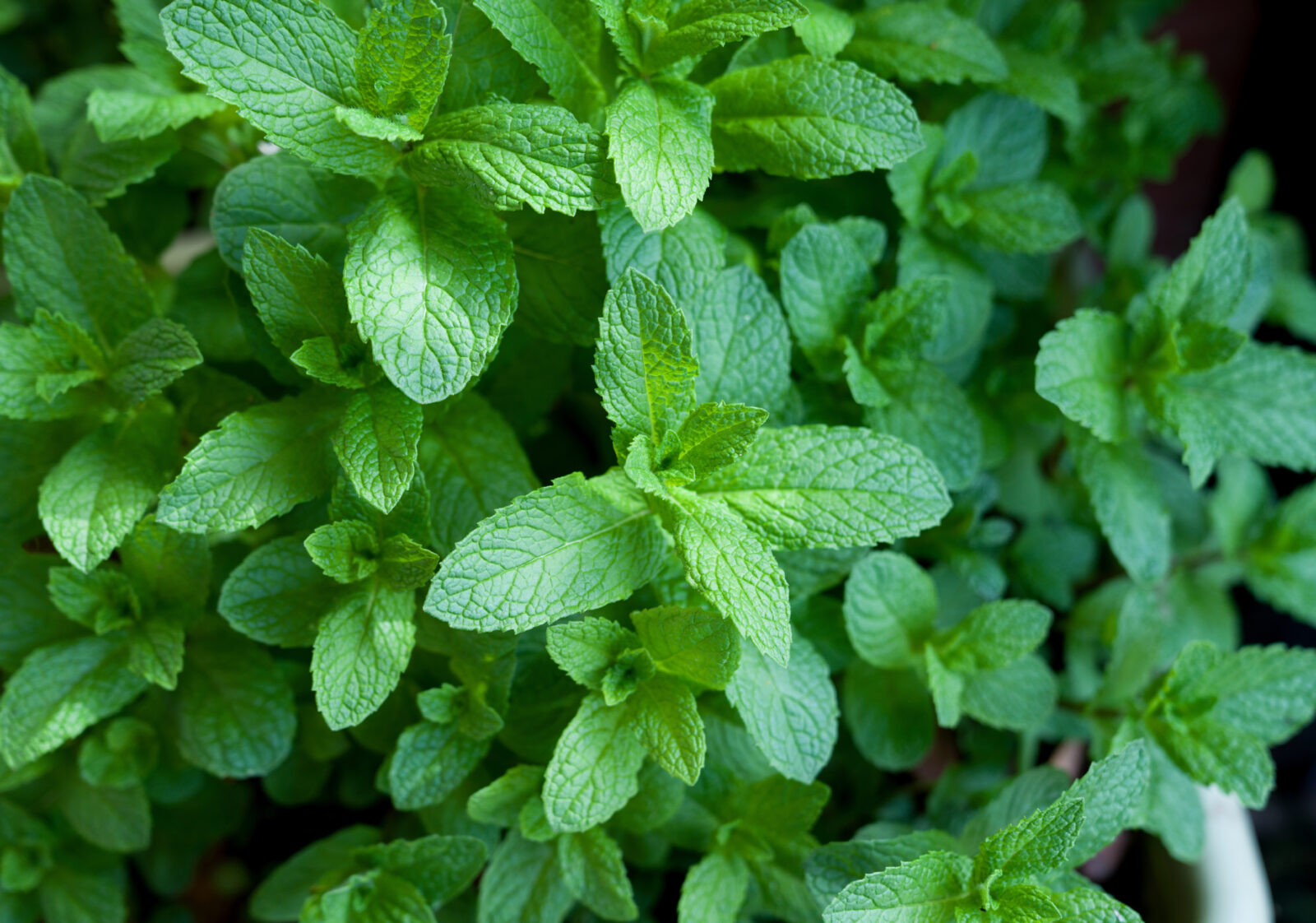
Rejuvenation is also ideal for propagation. Choose healthy, strong stems and cut them off just below the point where leaves grow. Then plant the cuttings into a light, slightly moist potting mix and place them in a bright spot out of direct, scorching sun. If you keep moisture steady, they should root within a few weeks and start growing as independent plants.
Regular harvesting keeps mint in shape over the long term
To keep mint dense, it’s worth harvesting it continuously. Frequent pinching and picking encourages new shoots, so the plant keeps renewing itself. Leaves are best harvested in the morning, when they’re at their juiciest and contain the highest levels of aromatic oils. That way, you’ll have top-quality leaves for tea, lemonade, cocktails, and cooking.
What to do before winter so mint comes through without trouble
Don’t forget the frosty period, either. Mint in a bed can be protected before winter with a thicker layer of mulch. If you grow it in a pot, it’s often safer to move it to a sheltered, bright place where the temperature stays roughly between 10 and 15 °C. The plant will overwinter more reliably, and in spring it will return to growth more quickly without being significantly weakened.
Source: Fine Gardening, Green Ship Garden, Pestrazahrada.cz

A lover of nature, gardens, and everything that moves, blooms, or grows. He literally grows everything, from herbs to rare species, and he enjoys caring for animals just as much. In his work, he connects modern technology with tried-and-tested grandmotherly methods and is happy when both paths lead to the same goal.
Related articles

The More Often You Harvest, the Longer Plants Keep Cropping
With fruiting vegetables, frequent picking keeps plants flowering and producing for longer. A few crops, such as aubergines, are tastiest when harvested slightly earlier rather than fully mature.
Wasps Aren’t Just a Barbecue Menace They Can Ruin Your Garden Woodwork Too
Weathering isn’t always the main culprit behind damaged outdoor timber. Wasps can scrape fibres from boards and beams surprisingly fast, leaving grooves that soak up water and accelerate decay.
Why hydrangeas wilt in summer even when watered and how to save them fast
Hydrangeas can look limp in hot weather even if you’ve been watering faithfully. The key is to check what’s happening in the root zone, then adjust watering, shade and mulching so the plant can actually use the moisture available.
Comments (0)
Be the first to comment.