
 English
  Polski
  Deutsch
  Nederlands
  Svenska
  Norsk
Norsk  Dansk
Dansk  Français
  Italiano
  Español
  Português
  Slovenčina
  Suomi
Suomi  Gaeilge
 Coneflower Handles Drought and Poor Soil But Never Do This One Thing
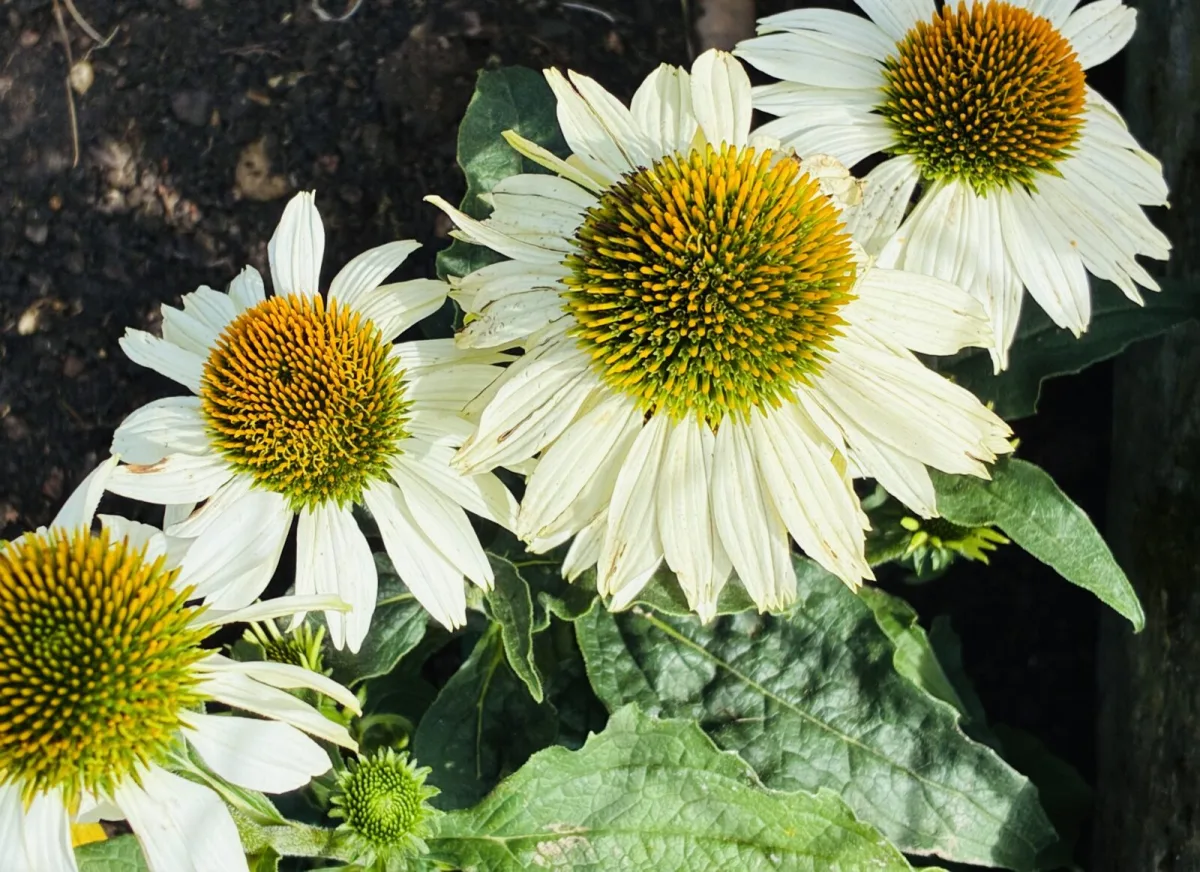
Coneflowers, also known as echinacea, are among the most rewarding perennials you can grow. They’re hardy, handle dry spells well, attract bees and butterflies, and in autumn and winter they also delight birds, especially goldfinches, which will linger on the dry seedheads for a long time. Echinacea is native to the eastern and central United States and, in our conditions, behaves as a reliable perennial. It flowers in mid-summer and, with good care, can keep producing blooms repeatedly right up to the first frosts.
Beyond its ornamental value, echinacea is traditionally associated with herbal use as well. It’s often dried for blends and teas that people seek out mainly during cold season, even though in the garden its biggest strengths are its long flowering period and toughness.
Does coneflower self-seed and when to deal with it
Coneflower is not usually invasive, but it can self-seed naturally. If you’d like it to pop up in more places around the bed, leave the spent flowerheads standing until late winter. On the other hand, if you want to keep the planting under control and extend the bloom period, it’s better to cut off flowers once they fade. With many modern hybrids, keep in mind that the seed is often not viable, so they won’t spread on their own and typically won’t attract birds as much.
When to plant coneflower and how to start from seed
The easiest route is to buy plants from a garden centre and plant them in spring or early summer, ideally while they’re still compact and just about to bloom. Growing from seed is possible, but it takes patience, because seed-grown plants often don’t flower in the first year and reach their full effect only after two to three seasons. Sowing can be done indoors with pre-sowing about two months before the last frosts, or outdoors once the soil warms to roughly 18 °C.
Site and soil determine success
Coneflower does best in full sun and in soil that drains well. Thanks to its deeper root system it copes with drier periods, but it cannot tolerate permanently waterlogged beds. Before planting, it’s worth loosening the soil to a good depth and adding compost or well-rotted manure. The plant will survive even in poorer soil, but clump size and the number of flowers can be markedly better in a site that isn’t exhausted.
Planting step by step
When planting, dig a hole roughly twice as wide as the pot. Set the root ball so it sits level with the surrounding soil, then backfill up to the top of the root ball. Space individual plants according to the variety and their eventual size, usually about 30 to 90 cm apart. Water thoroughly after planting, and you can top the soil with a thin layer of compost and mulch, which helps retain moisture and suppress weeds.
Seasonal care and watering
Once coneflower is well established, it’s generally low-maintenance. Newly planted specimens do need occasional watering, especially if spring is unusually dry. For plants grown in the ground, regular feeding is usually unnecessary, particularly if you worked compost in at planting time. If you want to influence the flowering schedule, you can shorten part of the stems by about 30 cm when the plant is starting to bloom. This encourages a more compact habit and often a later flush of flowers, extending the display.
Towards the end of autumn, in cooler areas, a light mulch is useful. Once the top growth dries down or is damaged by frost, you can cut the stems back to the ground. Clumps can be divided and replanted in spring or autumn when you need to rejuvenate the plant or expand your planting.
Remove spent blooms or leave them
Deadheading has two sides. If you cut off spent flowerheads early, you’ll encourage more buds and prevent self-seeding. But if you leave the seedheads standing into winter, you’ll provide food for birds and also give coneflower a chance to spread naturally in the garden. For many gardens, the ideal compromise is to remove some flowers through the season and leave a few stems for birds and winter interest.
Use sharp, clean snips for cutting. Shorten the stem back to a leaf near a new bud, or to the point where a pair of leaves emerges. Coneflowers tend to have stiff stems, so it pays not to use a blunt tool and not to try snapping the flowers off by hand.
Growing coneflower in a container
Although coneflower is most often grown in the ground, it can also be kept successfully in a pot. The key is choosing a sufficiently deep container, because the plant develops a strong root system. Larger pots with drainage holes are best, and a drainage layer of coarse material at the bottom is helpful. After planting, water deeply and keep the container in partial shade for the first few days while the plant settles in; then give it sun, ideally with slightly gentler afternoon heat.
In containers, watering needs closer attention. Water directly into the compost, not over the leaves, because wet foliage can encourage fungal diseases. During active growth you can feed more often than in a border, because nutrients are depleted from a pot more quickly. For overwintering, once growth slows, cut the plant back to the ground and move the container to a cooler spot with indirect light. Check the compost occasionally and moisten only lightly when the top layer is very dry. In spring, as soon as new growth appears, move the plant to a warmer, brighter place so it can gradually prepare for being outside again.
Harvesting flowers for a vase and for drying
Cut flowers for arrangements when the petals are just beginning to open fully. In a vase they usually last about a week, depending on temperature and water quality. If you want to support birds, leave some spent flowers to set seed into autumn and winter. Some flowers can also be dried for home herbal mixes, and the most important thing is to dry them quickly and in dry conditions so they don’t go mouldy.
Most common problems and how to recognise them
Coneflowers usually don’t suffer from serious diseases, but typical issues can still appear. If a pronounced central cone forms but petals are missing or deformed, tiny mites are often to blame, weakening the blooms. In that case, cut back the affected parts in autumn and dispose of them away from the compost heap. If the flowers turn green and the whole plant declines, it may be aster yellows, spread by leafhoppers; it’s best to remove infected plants so the problem doesn’t spread.
A white, powdery coating on leaves often points to powdery mildew, which worsens in dense plantings with poor airflow. Wider spacing, thinning, and watering at the roots help. Holes in leaves can be caused by Japanese beetle, which sometimes shows up particularly where more susceptible plants are growing nearby. Although coneflowers aren’t usually the most tempting for wildlife, rabbits can chew the foliage right down to the ground; protecting the planting and using repellent sprays intended for ornamental plants can help.
The species and colours most commonly grown
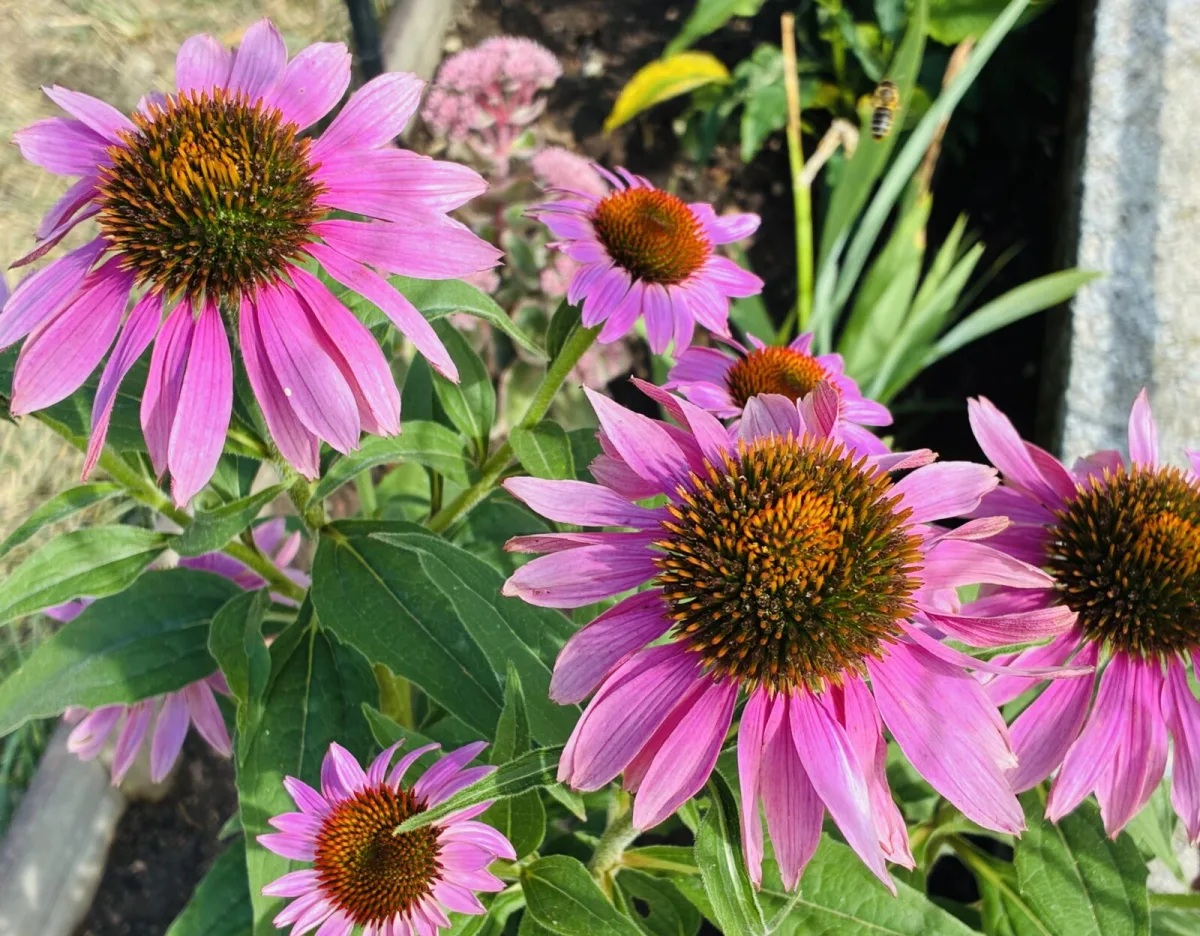
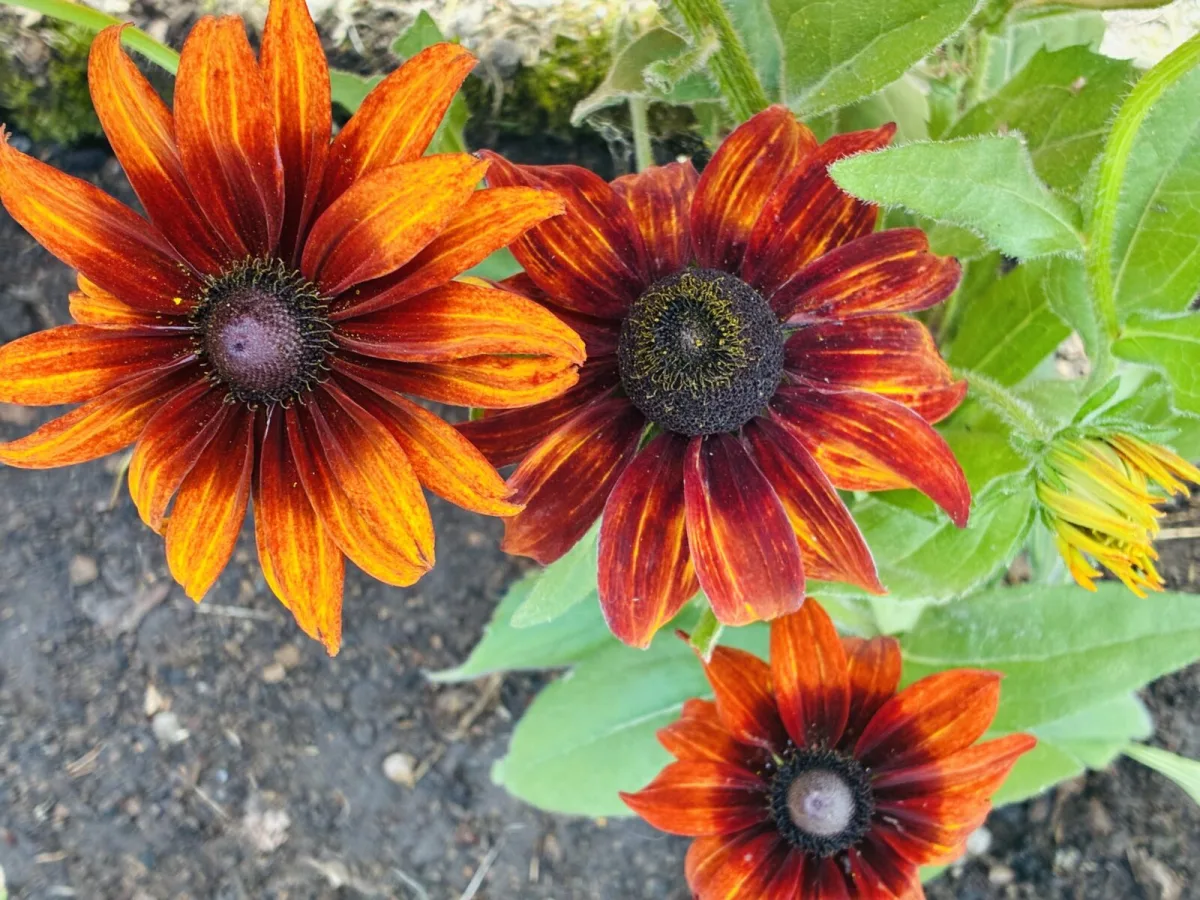
The most common is purple coneflower, Echinacea purpurea. You’ll recognise it by flowers with a prominent, raised central cone and long rays in purple shades that droop slightly downward. There are also other natural species and colour forms, including yellow-flowering echinaceas. In larger drifts, a mix of several colours looks beautiful and at the same time provides a rich source of nectar and pollen for much of the summer.
Source: Almanac, Gardenia , Pestrazahrada.cz
Related articles
Drought tolerant fruit trees for Czech gardens that handle heat and winter frosts
Warmer summers and longer dry spells are changing what can be grown in Czech gardens. With the right variety and a sunny, sheltered spot, olives, pomegranates and figs can cope with heat, drought and even winter cold.
Thuja hedges are on the way out gardeners are choosing a shrub that shrugs off frost and drought and never looks dull
Thuja may be a long-standing classic, but today’s hedges are increasingly built from more varied shrubs that look better through the seasons. One standout choice is ninebark, prized for its toughness, colour and easy care.
Autumn planted grapevines bud earlier the most common mistake happens before they even go in the ground
Planting grapevines in November can give them a head start in spring, as roots can still establish in warm soil. Success depends mainly on proper planting depth and reliable winter protection.
Comments (0)
Be the first to comment.