
 English
  Polski
  Deutsch
  Nederlands
  Svenska
  Norsk
Norsk  Dansk
Dansk  Français
  Italiano
  Español
  Português
  Slovenčina
  Suomi
Suomi  Gaeilge
 Carnations Back in the Spotlight, Easy Flowers for Vases and Gardens
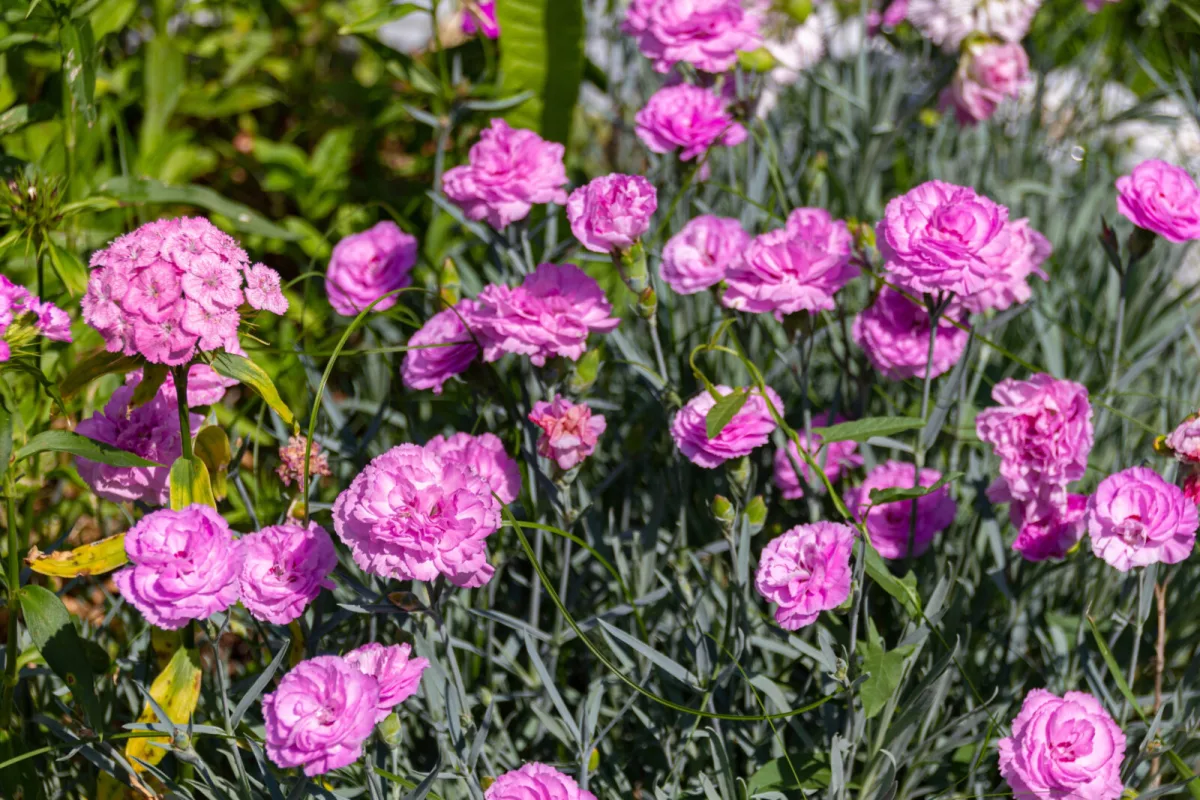
When you hear “carnation”, many people picture a flower that used to be everywhere. But its story and its potential are far from over. Carnations are actually surprisingly diverse, they last a long time, and with the right care they can decorate your home and garden for much longer than you’d expect. What’s more, there are plenty of varieties, from small-flowered types ideal for rock gardens to bolder cultivars that suit borders.
How carnations spread into Czech gardens
Interestingly, in the Czech setting carnations are even tied to a specific name. It’s said that Cavalry Sergeant Josef Volšanský from Klatovy made his way to France during the Napoleonic wars and brought back carnation seed as a small keepsake. The plants took well to local conditions and quickly became popular. People in the area soon asked for seed too, and because the owner shared generously, carnations gradually found their way into more gardens.
From local rarity to an export product
In the first half of the 19th century, botanist Michal Bullmann settled in Klatovy. In his inn he began selling cut carnations, which soldiers bought as a thoughtful gift for women. The flowers sold well, so they became not just a romantic gesture, but a product in demand.
From roughly the 1830s, carnations were gradually exported to other countries, first to Germany and later farther afield. As a botanist, Bullmann knew well that a carnation’s strengths are its diversity and staying power, so he offered more colours and types. That very variety made carnations a flower that appeals to different tastes and works equally well for formal bouquets and everyday enjoyment at home.
Carnations can last surprisingly long in a vase
Cut flowers generally have a limited lifespan, but carnations are among the more reliable choices. With good care they can look fresh in a vase for several weeks. The key is to start right away with proper treatment of the stems and the water.
What to do before placing them in water
Before you put the flowers in a vase, trim the stems by a couple of centimetres to refresh the cut so the plant can drink more easily. Remove any lower leaves that would sit in the water. Leaf debris in the vase often speeds up spoilage and encourages microorganisms, which shortens the life of the whole bunch.
Cool nights and the right spot indoors
Carnations benefit if you move them overnight to a cooler part of the home. It’s just as important to avoid spots near fruit. Some fruits release a gas that speeds ripening, and with flowers it can accelerate wilting. If you want carnations to last as long as possible, don’t place the vase next to a bowl of bananas or exotic fruit.
Growing carnations is easy, even for beginners
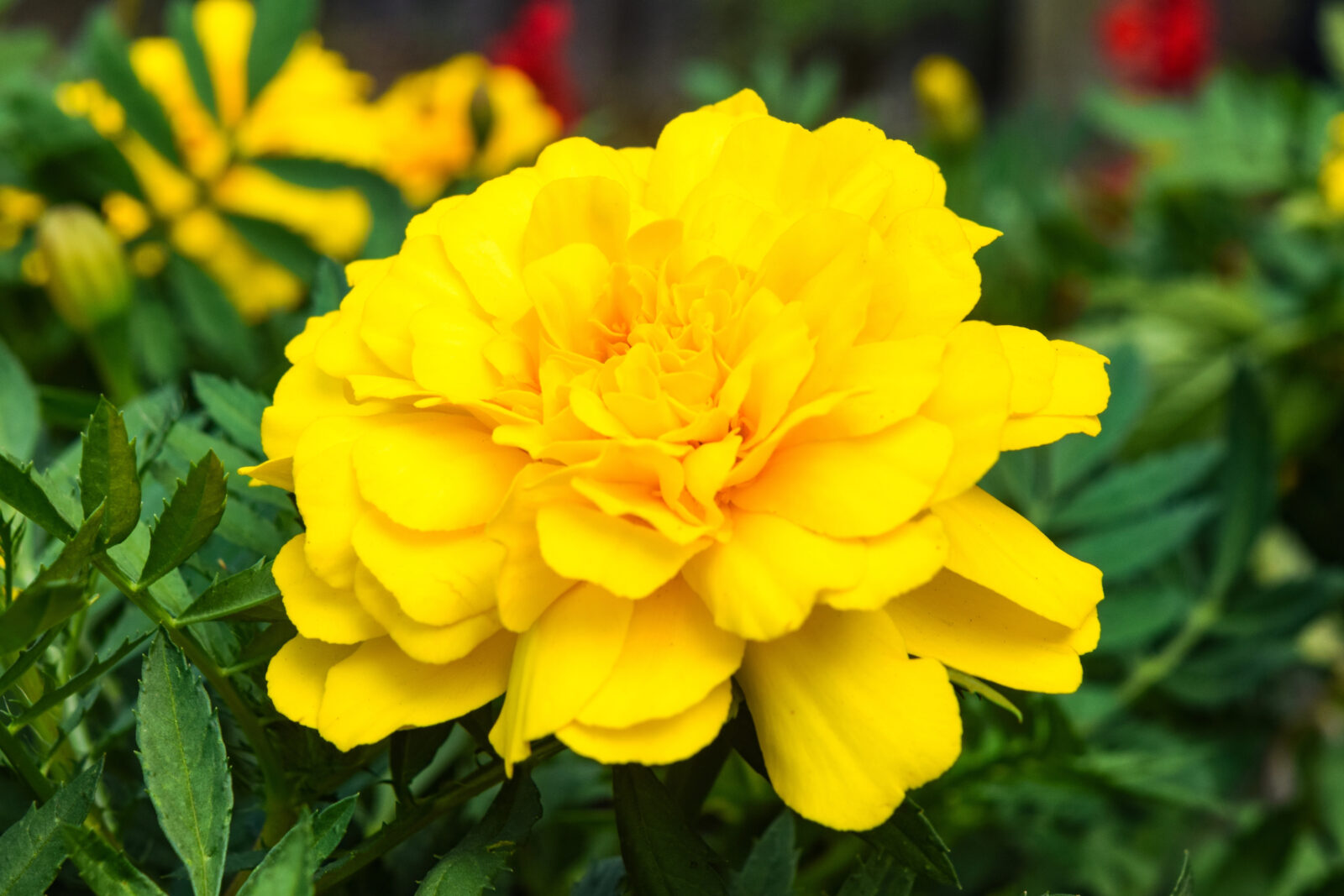
Even better than cut flowers are carnations grown right in the garden, on a balcony, or on a patio. They usually don’t need complicated care and they reward you with abundant flowering. The essentials are choosing the right position and not overdoing the watering.
Position and soil
Carnations thrive in sun, where they set buds well and grow compactly. The soil should be loose, on the sandy side, and ideally with plenty of lime. In heavy soil that stays waterlogged they can struggle, so good drainage is helpful to prevent water sitting around the roots.
Tolerance of drought and frost
A major advantage of carnations is that they cope well with sunny weather and often manage through drier spells. They can also be surprisingly hardy in cold conditions. If you want to help plants get through winter, cover them with a simple horticultural fleece to reduce soil freezing. In harsher frosts, an extra protective layer can help too, keeping the root zone from chilling as much and giving the plant a better chance of coming through to spring in good condition.
Where carnations look their best
Smaller varieties are perfect for rock gardens, low walls, or decorative containers, where they can create striking swathes of colour. In these plantings their ability to fill space and act as a flowering carpet really stands out. In classic borders, it pays to choose more robust, showier types with stronger growth and bigger blooms.
Watering, feeding, and flower care
Water moderately, directing the water to the roots rather than onto the foliage. Too much moisture on leaves and around the plant base can increase the risk of rot. During the growing season and especially while in flower, it’s worth adding feed so the plants have enough energy to form more buds.
A small step that often gets overlooked makes a big difference too. Regularly remove spent flowers and any dry parts. The plant then doesn’t waste energy on unnecessary seed ripening and can focus on fresh growth and repeat flowering, staying attractive and vigorous for much longer.
Carnations aren’t demanding, but if you give them sun, free-draining soil, and keep removing faded parts, they’ll reward you with longer and more abundant flowering.
Source: RHS, Bydlení pro každého, Pestrazahrada.cz

A lover of nature, gardens, and everything that moves, blooms, or grows. He literally grows everything, from herbs to rare species, and he enjoys caring for animals just as much. In his work, he connects modern technology with tried-and-tested grandmotherly methods and is happy when both paths lead to the same goal.
Related articles
When Other Flowers Fade Asters Are Just Getting Started
Asters step in just as summer colour starts to wane, flooding borders with late-season blooms. They’re also a valuable nectar source for pollinators and later a seed larder for birds.
Drought tolerant fruit trees for Czech gardens that handle heat and winter frosts
Warmer summers and longer dry spells are changing what can be grown in Czech gardens. With the right variety and a sunny, sheltered spot, olives, pomegranates and figs can cope with heat, drought and even winter cold.
Thuja hedges are on the way out gardeners are choosing a shrub that shrugs off frost and drought and never looks dull
Thuja may be a long-standing classic, but today’s hedges are increasingly built from more varied shrubs that look better through the seasons. One standout choice is ninebark, prized for its toughness, colour and easy care.
Comments (0)
Be the first to comment.