
 English
  Polski
  Deutsch
  Nederlands
  Svenska
  Norsk
Norsk  Dansk
Dansk  Français
  Italiano
  Español
  Português
  Slovenčina
  Suomi
Suomi  Gaeilge
 Why Greenhouse Tomatoes Flower but Fail to Set Fruit and How to Fix It
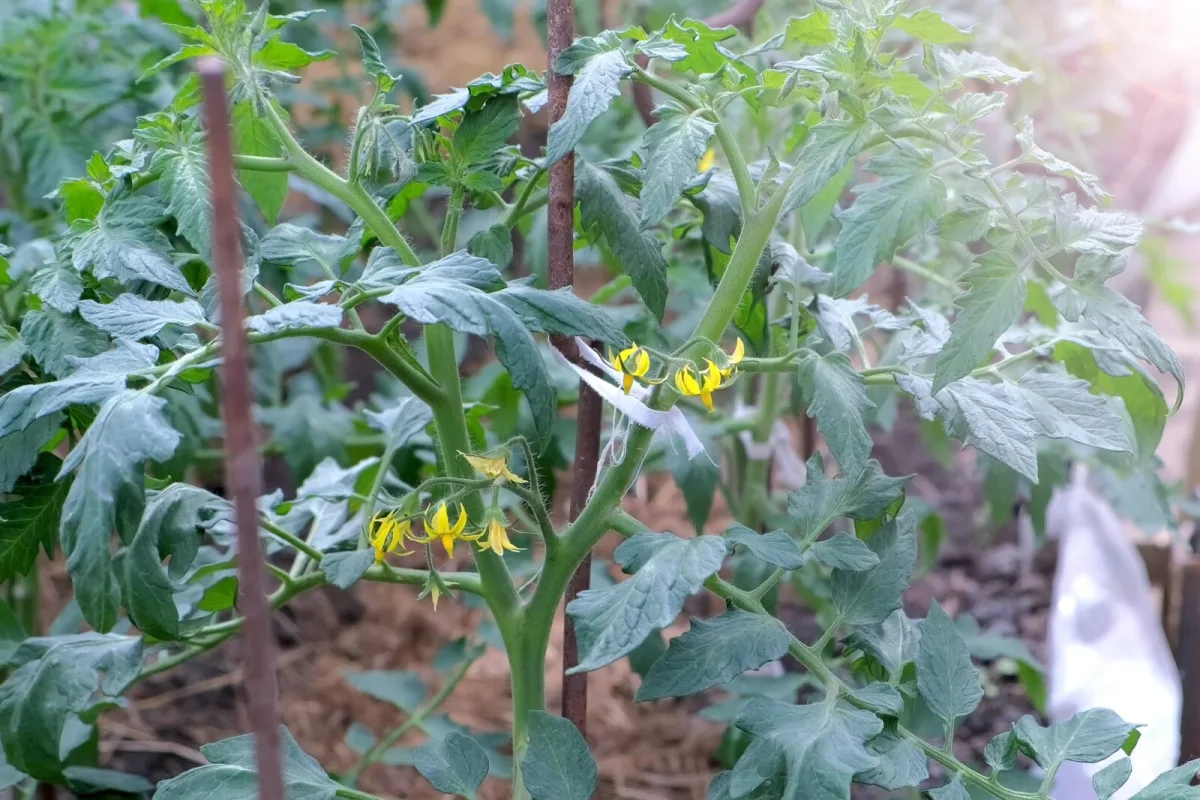
In covered plantings, the sight of tomatoes covered in flowers is a joy, but then comes the disappointment when no small green fruits appear on the trusses. Many growers start looking for a mistake in watering or feeding, but very often the cause is something else. In a greenhouse there is less natural air movement and fewer pollinators, so pollination happens less reliably than outdoors in the open bed.
Pollination decides whether a flower turns into fruit
Tomatoes are self-fertile, but they still need pollen inside the flower to be released and moved where it needs to go. Outdoors, wind, insects and small vibrations of the plants help with this. In an enclosed space, however, the air often doesn’t move, and the flowers may remain unfertilised. A typical sign is flowers drying up, dropping, and a low number of fruits setting. Sometimes fruits do form, but they are small or misshapen.
A good check is to watch whether, within a few days of opening, a small green swelling appears at the base of the flower. If it repeatedly doesn’t happen, it pays to act as early as possible, because you can’t rescue lost flowers afterwards.
A simple trick to do every 2 to 3 days
The most practical help is gently shaking the plants. There’s no need for force; consistency is what matters. Just lightly move the support, the string you’re training the tomato on, or the flower truss itself so it creates vibrations. These mimic natural movement and help the pollen release and reach the stigma.
Many growers also use an electric toothbrush held for a moment against the support or the stem near the flowers. The fine vibration resembles the work of bumblebees, which pollinate tomatoes by vibrating the flowers. Do this roughly every 2 to 3 days, ideally in the morning, when pollen usually works better and the plants aren’t overheated.
Humidity and heat can slow pollination in a greenhouse
The greenhouse environment also plays a role. Excessively high humidity reduces how freely pollen sheds, so it releases less easily. Problems also arise in heat, especially when temperatures rise above 30 °C. In such conditions, pollen can lose viability and flowers then drop more readily.
That’s why regular ventilation is essential. On warm days, it helps to open the greenhouse from both sides so air truly flows through and flowers dry quickly. It’s also important to water in a way that doesn’t wet the flowers. Direct water straight to the roots, because wet flowers and plants kept damp for long periods mean a higher disease risk and, at the same time, poorer pollination.
Watering in the bed should be thorough, not little and often
Tomatoes grown in the ground need regular watering mainly during hot spells. In normal weather it’s usually enough to water two to three times a week, but deeply. A mature plant can use several litres of water in a single watering. In heat, soil dries faster, so the interval needs shortening to keep the soil evenly moist, not waterlogged.
Overwatering is just as harmful as drought. Constantly wet soil encourages disease, weakens roots and can lead to poorer nutrient uptake. The result may be lots of leafy growth with little crop, or generally tired plants.
Nettle feed helps, but go easy during flowering
Nettle feed supplies tomatoes mainly with nitrogen and supports growth, which is why gardeners like to use it at the start of the season. To avoid overfeeding, apply it diluted at roughly 1 part nettle feed to 10 parts water, about once every two weeks.
During heavy flowering, it’s a good idea to limit nitrogen-rich feeding. Excess nitrogen often leads the plant to invest in leaves and shoots instead of setting fruit. Moderation keeps plants in good condition without unnecessary risk.
Yeast watering strengthens roots, frequency is key
Yeast feed is used to support the root system and improve plant resilience. Here too, less is more. Applying it once every two weeks is usually enough, and if you use several homemade feeds, it’s sensible to alternate them so the soil isn’t pushed in one direction.
The solution must be cool and well diluted. Using it too often can upset the nutrient balance in the soil, which may show up as uneven growth and poorer fruiting.
When to water so tomatoes don’t suffer from disease
The best time to water is early in the morning. Plants can use the water before the day’s hottest period, and any moisture on the surface dries faster, reducing the risk of fungal diseases. Evening watering is possible, but you need to be careful not to wet leaves or flowers. Night-time damp encourages blight and can increase the risk of serious infections in tomatoes.
If greenhouse tomatoes flower heavily but don’t set fruit, start with pollination. A gentle shake every 2 to 3 days, good ventilation and watering at the roots often make a bigger difference than another dose of fertiliser.
Source: Niepodlewam, Gardening Know How, Pestrazahrada.cz

A lover of nature, gardens, and everything that moves, blooms, or grows. He literally grows everything, from herbs to rare species, and he enjoys caring for animals just as much. In his work, he connects modern technology with tried-and-tested grandmotherly methods and is happy when both paths lead to the same goal.
Related articles
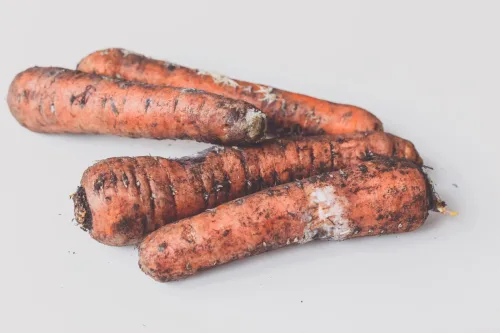
Next year you can harvest better if you don’t sow carrots where they won’t thrive
Carrot root fly can ruin carrots, parsley and celery from the inside out, often without obvious warning until harvest. Better site choice, rotation, later sowing and simple physical barriers can dramatically cut damage next season.
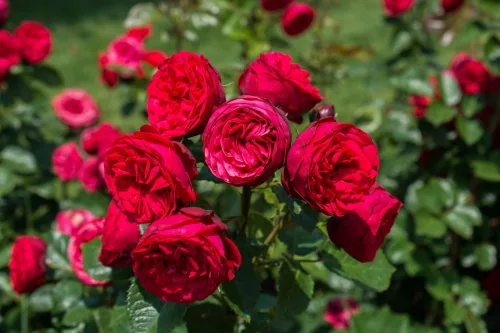
How to Propagate Roses from Cuttings at Home and Fill Your Garden with Blooms Almost for Free
Want more roses without paying for new plants? With a few healthy cuttings and a simple plastic-bottle mini greenhouse, you can root new bushes at home in just a few weeks.
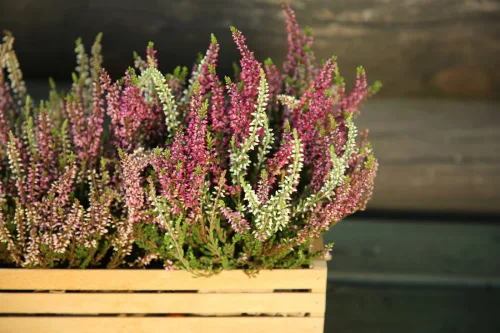
Heathers can cope where other plants won’t, but one soil detail decides everything
Heathers and heaths are tough evergreen shrubs that can flower across the seasons when you choose the right types. Success hinges on matching the plant to your soil pH and ensuring free drainage.
Comments (0)
Be the first to comment.