
 English
  Polski
  Deutsch
  Nederlands
  Svenska
  Norsk
Norsk  Dansk
Dansk  Français
  Italiano
  Español
  Português
  Slovenčina
  Suomi
Suomi  Gaeilge
 What to do if your rhododendron has brown leaves after winter and you suspect dog urine
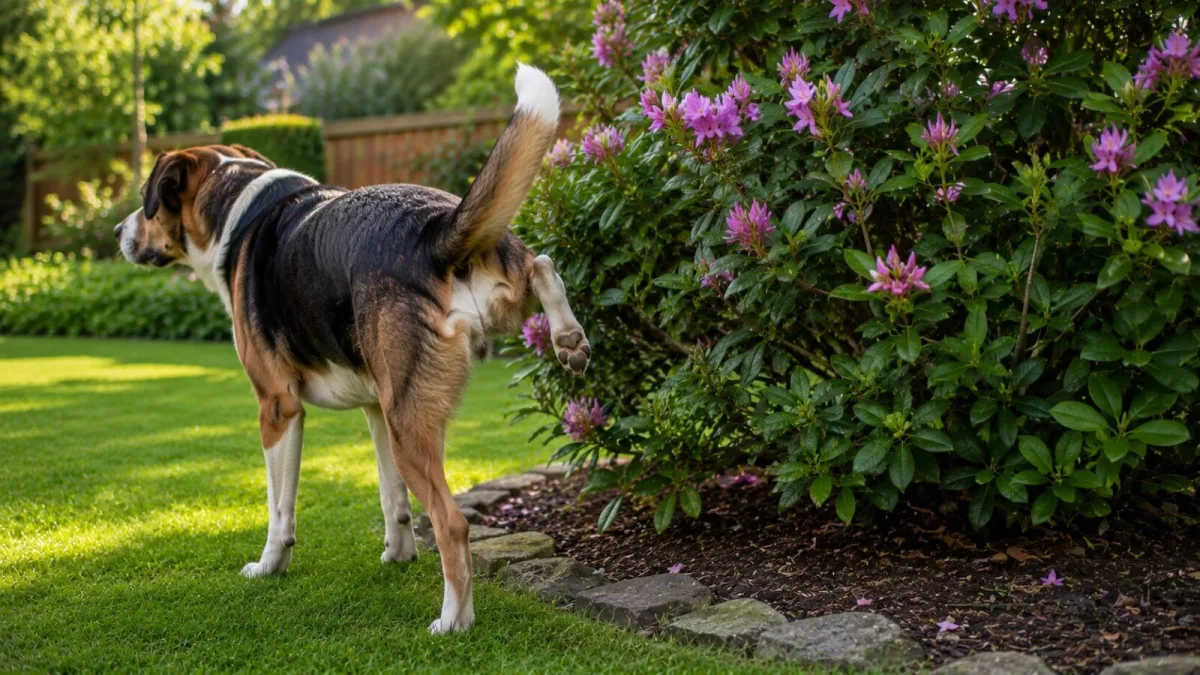
If your rhododendron has brown leaves after winter and the dieback continues right to the buds, it is usually a sign of frost damage, but even more often it is so-called winter desiccation. In freezing, windy weather the plant loses water through its leaves, while the roots can’t replace it from frozen ground. The result can look like scorched foliage and dieback of parts of the shoots.
How to tell what’s still alive
Work section by section and gradually shorten anything that’s brown. Make a clean cut on a small twig and check whether the tissue around the edge is green. A green rim usually means the shoot is still alive, and it’s worth pruning only back to healthy wood. Once you’ve cut back to living wood, water the plant thoroughly so it has the strength to break into new growth.
Could dog urine be to blame
It’s also possible the rhododendron has been repeatedly urinated on by a dog. Undiluted dog urine is very aggressive for many plants because it contains high levels of nitrogen compounds and salts. If it keeps hitting the same spot, it can cause soil salinity build-up and damage both roots and above-ground growth, which then shows up as browning and dieback.
First aid if you suspect urine
The most important thing is to flush the affected area with plenty of water. The goal is to dilute the urine and wash it deeper, away from the sensitive root zone. Water repeatedly, not just once, and then wait to see whether the rhododendron sets new buds and shoots during the season.
How to deter the dog and protect the plant
If you catch the dog during the growing season choosing the same spot repeatedly, immediate watering helps by diluting the harmful compounds. On the soil surface you can try a light sprinkle of hotter spices, such as chilli powder or black pepper, to make the area less appealing. There are also repellent sprays designed for garden use, but choose only those clearly stated as safe for plants and for the animal.
When nothing works
If the dog keeps returning and protecting the roots becomes a long-term issue, the most reliable solution is usually a simple barrier around the shrub. If the rhododendron ultimately doesn’t reshoot, consider planting a new one into an ericaceous (acid) compost mix and put protection in place from the start so the problem doesn’t repeat.
Prevention for future winters
Rhododendrons benefit from regular watering in a dry summer, but a deep soak before winter is essential too. In mild, frost-free spells when it’s dry, it can also be worth watering during winter. This reduces the risk of winter desiccation, a common cause of brown leaves and spring disappointment.
Tip: If you find green tissue on the shoots after pruning, the shrub has a chance to recover. Patience, good watering, and preventing further damage to the area are key.
Source: Záhrada, RHS, Pestrazahrada.cz

A lover of nature, gardens, and everything that moves, blooms, or grows. He literally grows everything, from herbs to rare species, and he enjoys caring for animals just as much. In his work, he connects modern technology with tried-and-tested grandmotherly methods and is happy when both paths lead to the same goal.
Related articles
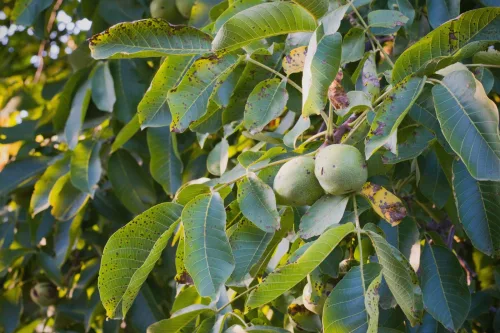
Why the Tree That Feeds a Family for Generations Is Disappearing from Czech Gardens
The English walnut used to be a staple of larger gardens and farmyards, valued for its nutritious nuts and many practical uses. With the right site and variety, it remains one of the most rewarding long-lived trees you can plant.
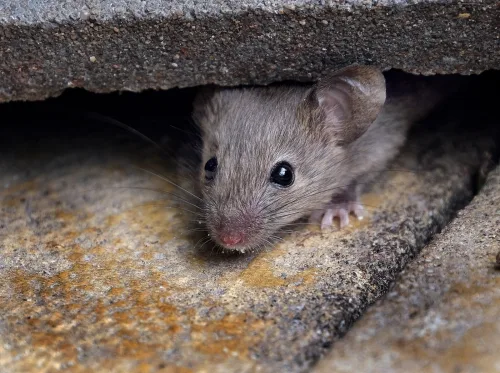
How to Get Rid of Mice and Rats in the House, Loft and Garden Effectively
Mice and rats don’t leave quietly—scratching sounds, droppings and gnaw marks are clear warnings. A lasting solution comes down to three steps: block entry points, remove food sources, then use traps or professional control.
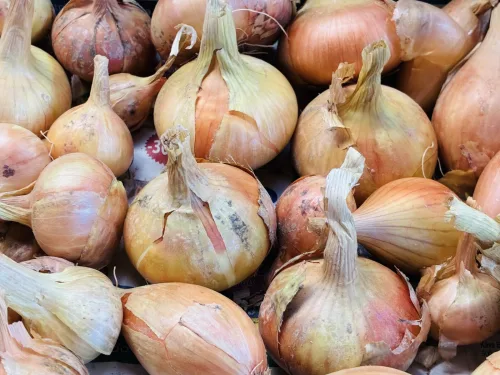
Two Mistakes When Harvesting Onions Can Cut Your Supply by Months
With good growing and the right handling, onions can turn into a near year-round pantry staple. These simple harvest and curing steps determine whether they keep for weeks or for months.
Comments (0)
Be the first to comment.