
 English
  Polski
  Deutsch
  Nederlands
  Svenska
  Norsk
Norsk  Dansk
Dansk  Français
  Italiano
  Español
  Português
  Slovenčina
  Suomi
Suomi  Gaeilge
 Tomato season doesn’t end in September: simple tricks to keep harvesting into autumn
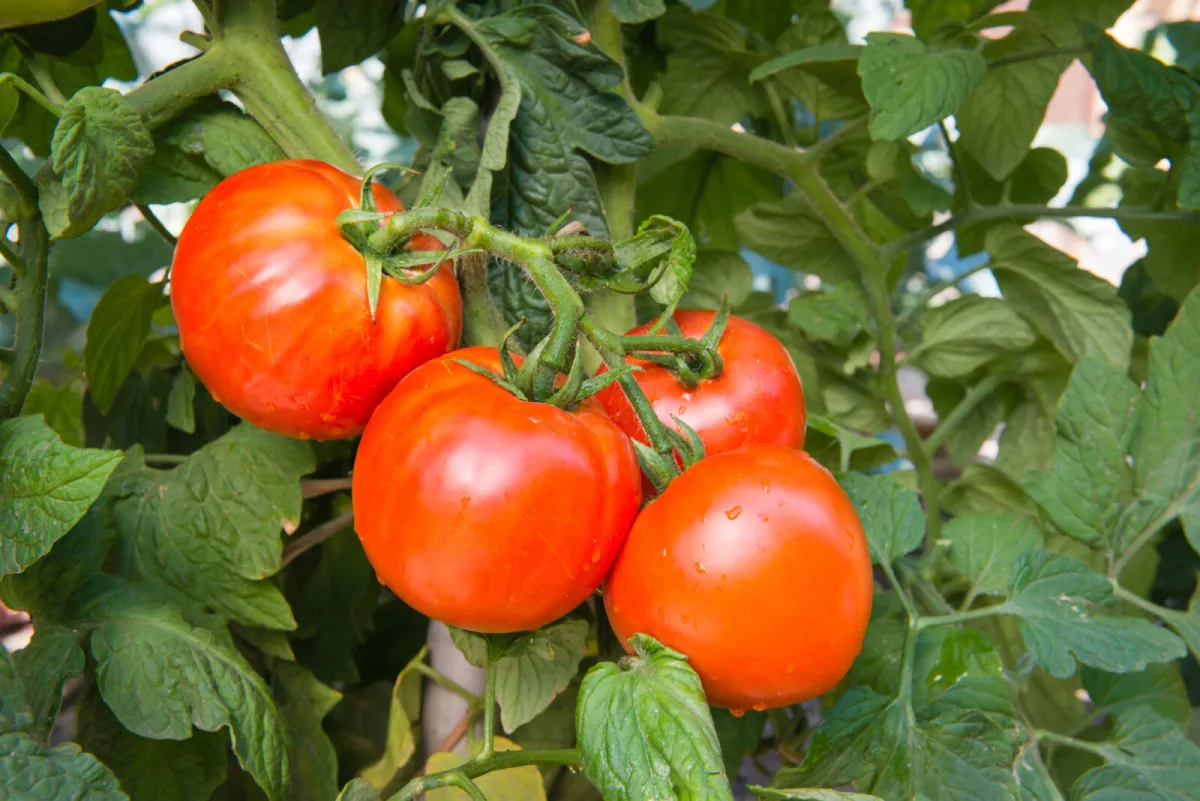
Many people feel that once September arrives, garden work slowly winds down. With tomatoes, though, that’s not the case. Right now you can still make a real difference to how many fruits manage to ripen and how long you’ll keep picking. The days may be getting shorter and temperatures gradually dropping, but with a few simple steps you can help tomatoes make the most of the remaining season and keep the harvest going right into late autumn.
Lightening the plant helps the fruit turn red faster
By late summer the plants are often a bit tired, and the roots may not feed the plant as efficiently as they did earlier on. That’s why it pays to lighten tomatoes. A practical step is removing leaves that unnecessarily shade still-green fruit. When more light reaches the trusses, ripening speeds up even though the sun is no longer as strong as it was in July.
At the same time, you’re reducing the amount of growth the plant has to support. Energy can then move more easily into the fruit already on the plant, and the plant stands a better chance of staying in good condition for several more weeks.
At this point, flowers usually aren’t worth keeping
In September, new flowers can still appear on the plants, but the chance of them turning into ripe fruit is small. That’s why it makes sense to remove them. The principle is the same as with thinning leaves: the plant stops trying to set new fruit and focuses on what it already has under way—fruit that’s sizing up and colouring.
For the final feed, prioritise potassium
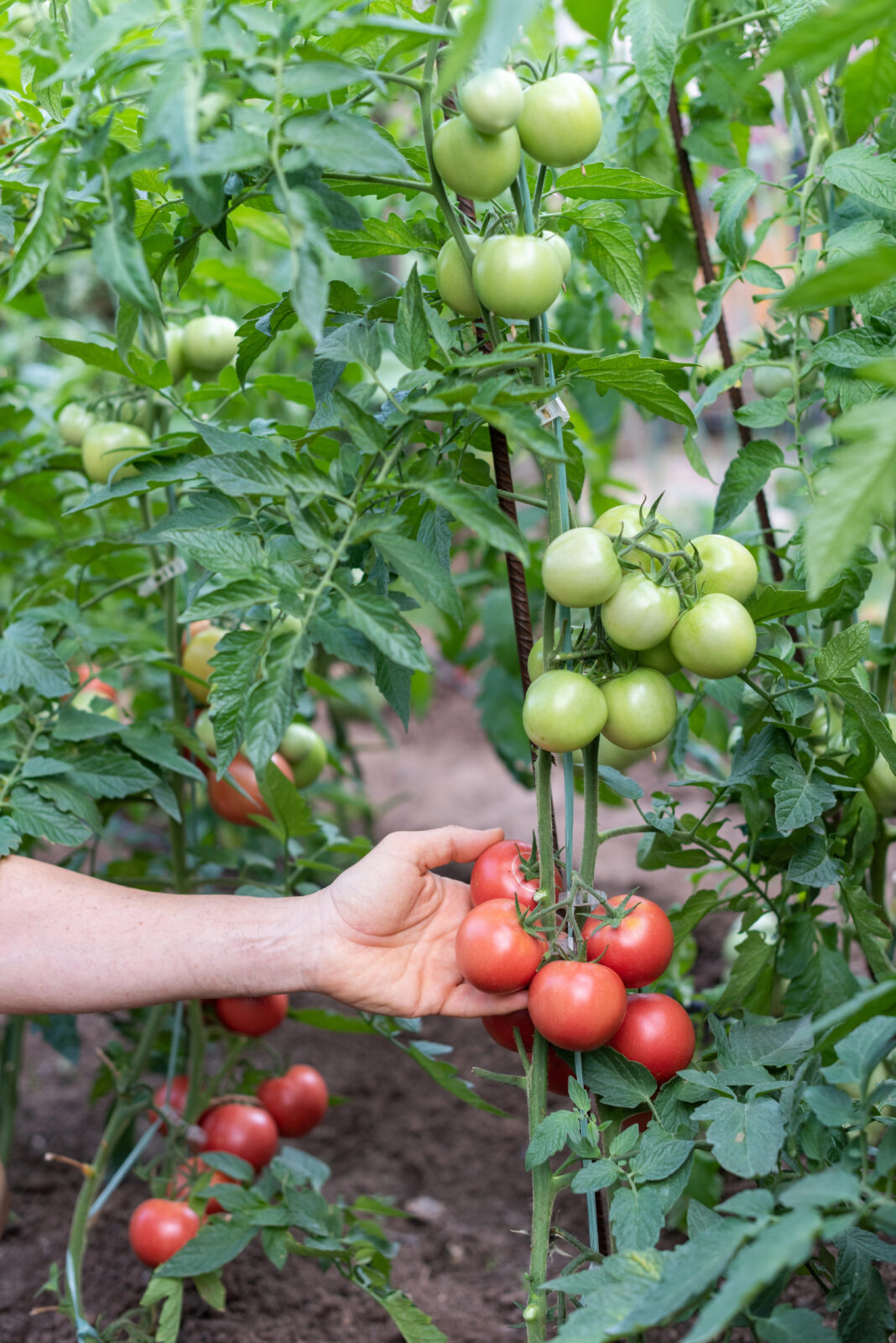
If you want to encourage ripening even more, a final late-season feed with potassium as the main component is ideal. Potassium supports colouring and ripening. Unlike nitrogen, it won’t push lush leafy growth or further flowering—which is exactly what you don’t want at this stage. Don’t overdo the dose; the goal is to gently steer the plant towards finishing the crop, not to kick it back into growth.
Protect tomatoes from the first cold nights
September weather can be unpredictable, and even soon after the end of summer holidays you can get noticeably chilly nights. These can slow ripening and stress already weakened plants. A simple cover is often enough. Horticultural fleece works well: throw it over the plants in the evening and remove it in the morning, or at least vent it depending on the temperature. This kind of protection helps keep a steadier microclimate around the plants without any complicated covering.
Healthy plants keep the harvest going longer
For tomatoes to finish ripening their fruit, they need to stay vigorous for as long as possible. So it’s worth doing one more careful check of each plant in September. Damaged or suspicious leaves are best removed straight away so the problem doesn’t spread unnecessarily. Also watch for pests and signs of disease, because plants defend themselves less effectively at the end of the season.
If you need to intervene, choose gentle methods and natural sprays that won’t taint ripening fruit. The aim is to keep the crop in usable condition for as long as possible so the plant can continue feeding the fruit and it can safely ripen on the vine.
A trick for slow ripening in a polytunnel
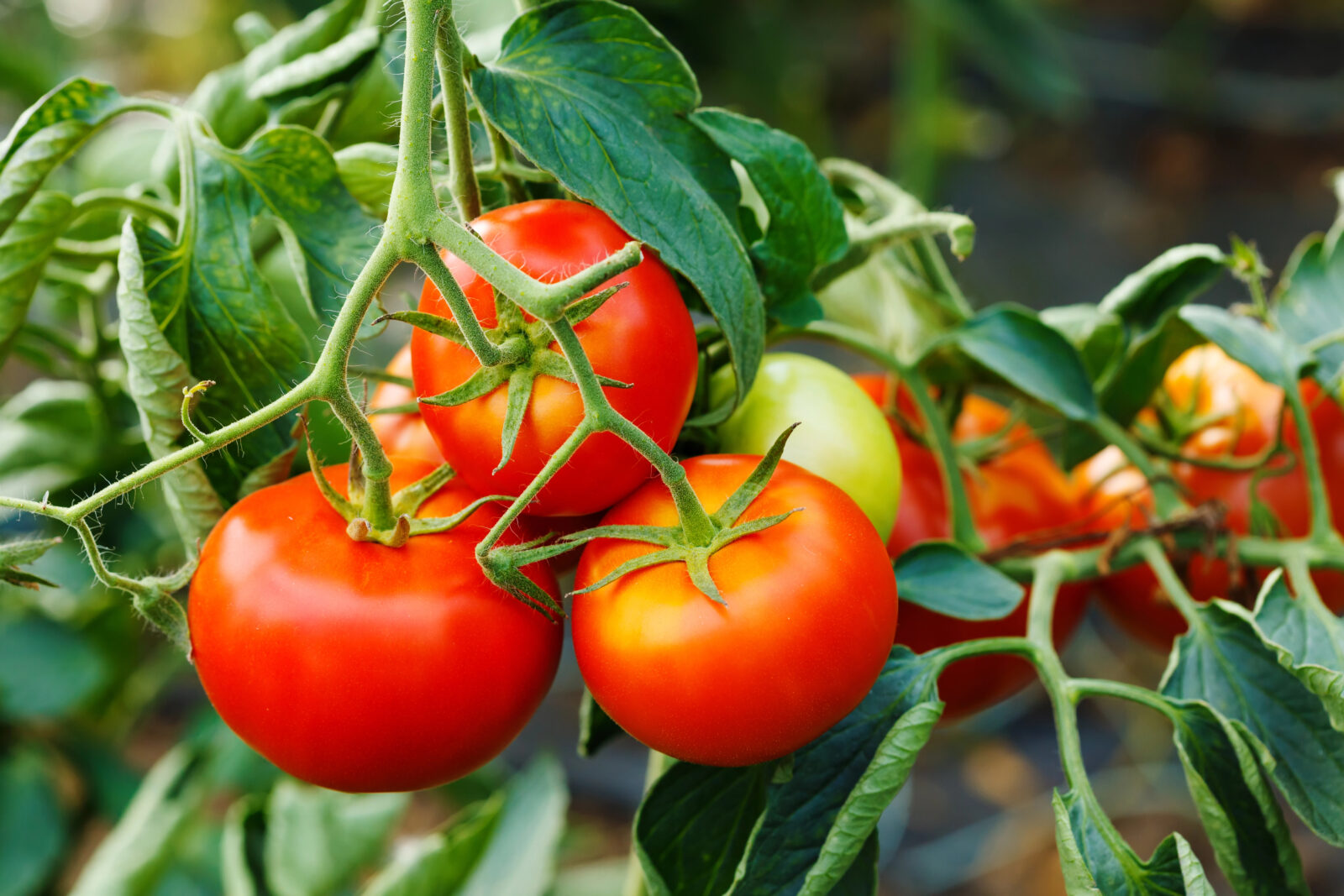
Sometimes tomatoes in a polytunnel ripen surprisingly slowly in September. One reason can be that the soil still holds too many nutrients from earlier intensive feeding. In that situation the plant behaves as if it has plenty of time and doesn’t hurry. A simple approach can help: pick all fully ripe fruit and then water the soil heavily once with a larger amount of water, so some nutrients are washed down deeper.
After that, it’s a good idea to hold off on watering for a while and let the compost almost dry out. This often switches the plant into end-of-season mode and the fruit starts colouring more quickly. Combined with thinning the plant, removing flowers and protecting against cold, this step can make the difference in how many tomatoes you manage to harvest in the weeks ahead.
Source: Rural Sprout, Gardening Know How, Pestrazahrada.cz

A lover of nature, gardens, and everything that moves, blooms, or grows. He literally grows everything, from herbs to rare species, and he enjoys caring for animals just as much. In his work, he connects modern technology with tried-and-tested grandmotherly methods and is happy when both paths lead to the same goal.
Related articles
Next year you can harvest better if you don’t sow carrots where they won’t thrive
Carrot root fly can ruin carrots, parsley and celery from the inside out, often without obvious warning until harvest. Better site choice, rotation, later sowing and simple physical barriers can dramatically cut damage next season.
How to Propagate Roses from Cuttings at Home and Fill Your Garden with Blooms Almost for Free
Want more roses without paying for new plants? With a few healthy cuttings and a simple plastic-bottle mini greenhouse, you can root new bushes at home in just a few weeks.
Heathers can cope where other plants won’t, but one soil detail decides everything
Heathers and heaths are tough evergreen shrubs that can flower across the seasons when you choose the right types. Success hinges on matching the plant to your soil pH and ensuring free drainage.
Comments (0)
Be the first to comment.