
 English
 Polski
 Deutsch
 Nederlands
 Svenska
 Norsk
 Dansk
 Français
 Italiano
 Español
 Português
 Slovenčina
 Suomi
 Gaeilge
Experienced gardeners don’t throw leaves away and use them in six smart ways
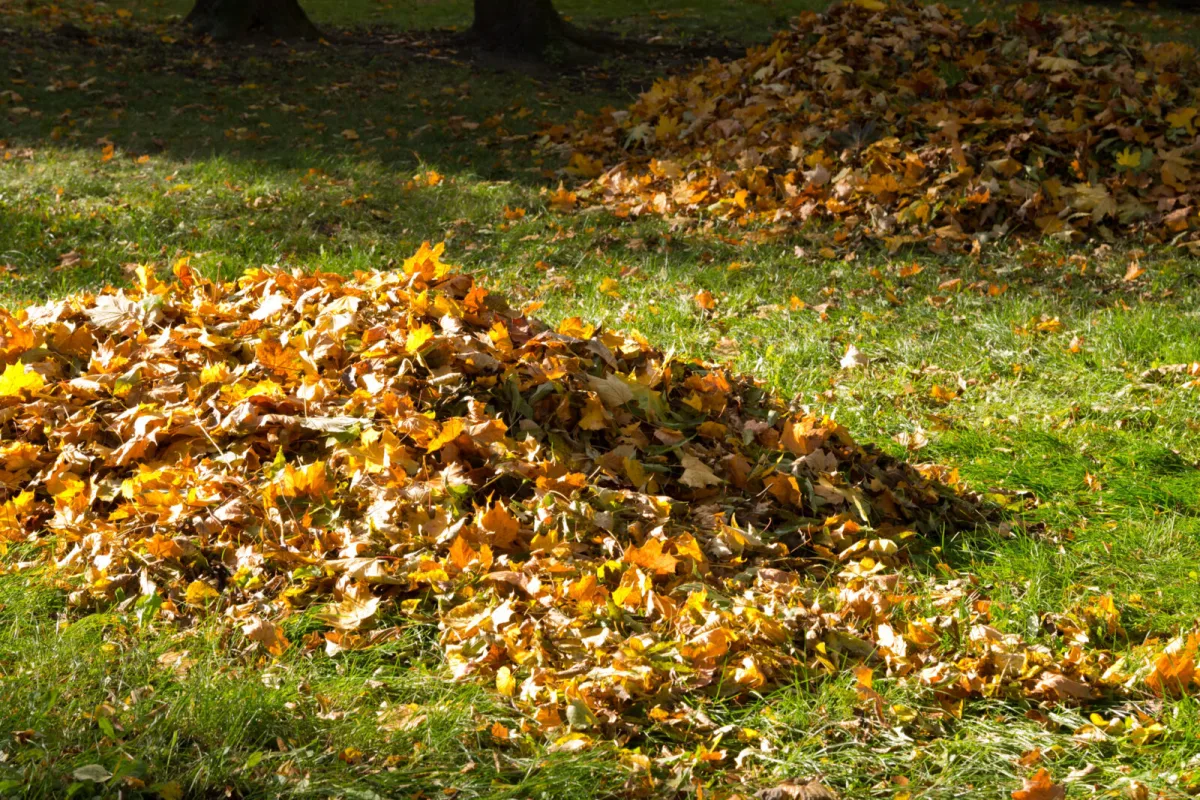
Autumn in the garden doesn’t only bring beautiful tree colour, but also a huge amount of organic material that often gets thrown away for no good reason. Fallen leaves are one of nature’s own ways of renewing and feeding the soil. Throughout the year, trees draw minerals up from deeper layers of the ground and store them in their leaves. When the leaves drop, those valuable substances return to the surface, where they can benefit both soil and plants.
Leaves contain important nutrients such as calcium, magnesium, phosphorus and potassium. They also add humus and organic matter to the soil. This helps improve the structure of heavy clay soils, increases the moisture-holding capacity of sandy soils, and creates ideal conditions for earthworms and beneficial soil microorganisms. If you garden in a natural way, you shouldn’t let this annual supply go to waste.
How leaves improve soil quality
One of the simplest ways to use leaves is to incorporate them directly into beds. It’s best to shred or mow them first, because then they break down faster and more evenly. You can mix this prepared material into the top layer of soil, where over winter it will gradually turn into valuable organic matter.
In spring, the soil is often more full of life, friable and better prepared for planting. If you add leaves straight into the ground, it’s a good idea to also supply a little slow-release nitrogen. As leaves decompose, microorganisms use up nitrogen, and that nitrogen could temporarily be unavailable to your crops.
Leaf compost as a nutrient reserve
Fallen leaves make an excellent base for compost. They are a so-called “brown” material rich in carbon, which is best combined with “green” ingredients that contain more nitrogen. Suitable additions include grass clippings, spent plant material from the garden, or kitchen scraps. This combination creates the conditions in which decomposition speeds up significantly.
It’s best to heap the leaves into a pile or contain them with a simple frame so the wind can’t blow them around. If you shred them first with a mower or garden shredder, your compost will be ready sooner. Over winter it’s worth aerating the heap occasionally by turning it, and in dry periods give it a light watering. In spring, you can have quality compost ready to enrich both vegetable beds and ornamental borders.
Leaf mould as a fine, effective soil conditioner
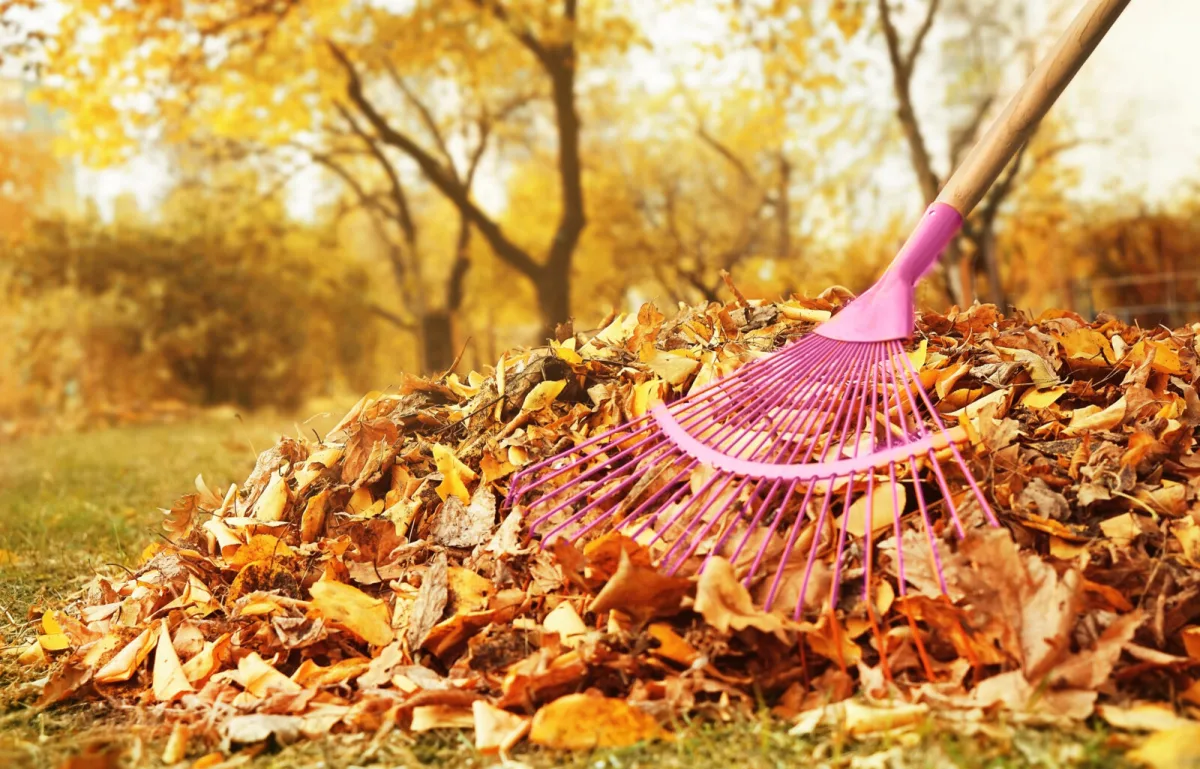
For anyone who doesn’t want to deal with traditional compost, there’s an even simpler option. So-called leaf mould is essentially made by letting a heap of leaves break down on its own. Just rake leaves into a pile, keep them slightly moist, and let fungi and other decomposers do the work. Shredded leaves rot down faster, but it isn’t essential.
In one to three years, the leaves turn into a dark, crumbly, sweet-smelling material. It holds water beautifully, contains valuable minerals, and greatly improves soil in both the vegetable garden and flower borders. It’s also excellent for potting mixes for container growing.
Mulching beds and protecting plants through winter
Shredded leaves can also be used as mulch. On the soil surface, they help suppress weeds, reduce water evaporation, and protect the ground from being washed out during winter rains. They work very well around vegetables, soft fruit bushes and ornamental shrubs.
The key is to use chopped or mown leaves. Whole leaves can mat into an impermeable layer that water and air struggle to penetrate. With more tender perennials, apply leaf mulch only once the ground has frozen. The leaf layer then helps plants cope with winter temperature swings. Autumn-planted garlic and shallow-rooted strawberries will benefit as well.
Leaves left on the lawn can be beneficial
Not every leaf has to be meticulously removed from the lawn. A thin layer of finely chopped leaves can actually help turf, because it enriches the soil and reduces the need for spring feeding. The best approach is to run a mulching mower over the lawn regularly while leaves are falling.
These finely broken pieces gradually decompose over winter and return nutrients to the soil. The only thing to watch for is thick, matted layers of leaves, which can block airflow and encourage disease.
Practical protection for root vegetables
Leaves can also help when storing your harvest. On beds they form an insulating layer for hardy vegetables such as kale, leeks, carrots and beetroot. This allows some crops to be harvested gradually through winter.
In a cool, humid space, you can also store root vegetables between layers of fresh leaves. Moisten each layer lightly, but don’t soak it. This kind of storage helps prevent drying out and extends the keeping quality of harvested roots.
A refuge for pollinators and other small creatures
Fallen leaves aren’t only useful for soil and plants. They’re also hugely important for the garden ecosystem. Leaf litter provides overwintering shelter for bees, butterflies, moths, spiders, slugs and many other small creatures. For many of them, leaves are protection from frost as well as from predators.
Some bumblebee species hide just below the soil surface, and a natural layer of leaves helps them make it through winter. Many butterflies overwinter as a pupa or cocoon that blends easily with dry leaves. That’s why it makes sense to leave at least some leaves undisturbed in a quiet corner of the garden.
A small patch of leaves left in place can be just as important for beneficial insects over winter as a well-prepared bed is for the gardener in spring.

Leaves can also bring joy and creativity
Autumn leaves don’t have to be purely practical. Piles of leaves have long been a symbol of autumn and, for many people, a source of fond memories. What’s more, colourful leaves can be used for decorations or preserved by pressing and other techniques so the autumn colours last as long as possible.
So instead of filling bags and hauling them off to landfill, it’s far wiser to put leaves back into the garden cycle. You’ll gain better soil, healthier plants, more life in the garden—and you’ll make use of something that’s free every year and available in abundance.
Source: Almanac, RHS , Pestrazahrada.cz

A nurse by profession, she is passionate about healthy living, nature, and everything that benefits both people and the world around them. In her free time, she enjoys gardening, cooking, sewing, and caring for her family. In her articles, she loves combining professional expertise with practical experience from the garden and everyday life.
Related articles
Why Leave Old Plant Roots in the Bed Instead of Pulling Them Out
Instead of yanking out healthy spent plants, cut them off at soil level and leave the roots to break down in place. It improves soil structure, feeds soil life, and saves time with no downside in most beds.
A Winter Soil Mound Protects Roses but Where You Take the Soil From Matters
Mounding soil around roses for winter works only if you don’t scrape it from right at the plant. Taking soil from elsewhere protects the graft union without exposing or damaging shallow roots.
What to Do with Chrysanthemums in November So They Last Longer
Chrysanthemums brighten late autumn, but the first cold nights can cut their display short. With the right November care, many will flower longer and some can be kept for next season.
Comments (0)
Be the first to comment.