
 English
  Polski
  Deutsch
  Nederlands
  Svenska
  Norsk
Norsk  Dansk
Dansk  Français
  Italiano
  Español
  Português
  Slovenčina
  Suomi
Suomi  Gaeilge
 Sow Beetroot Without Mistakes Start After Frost and Finish by June
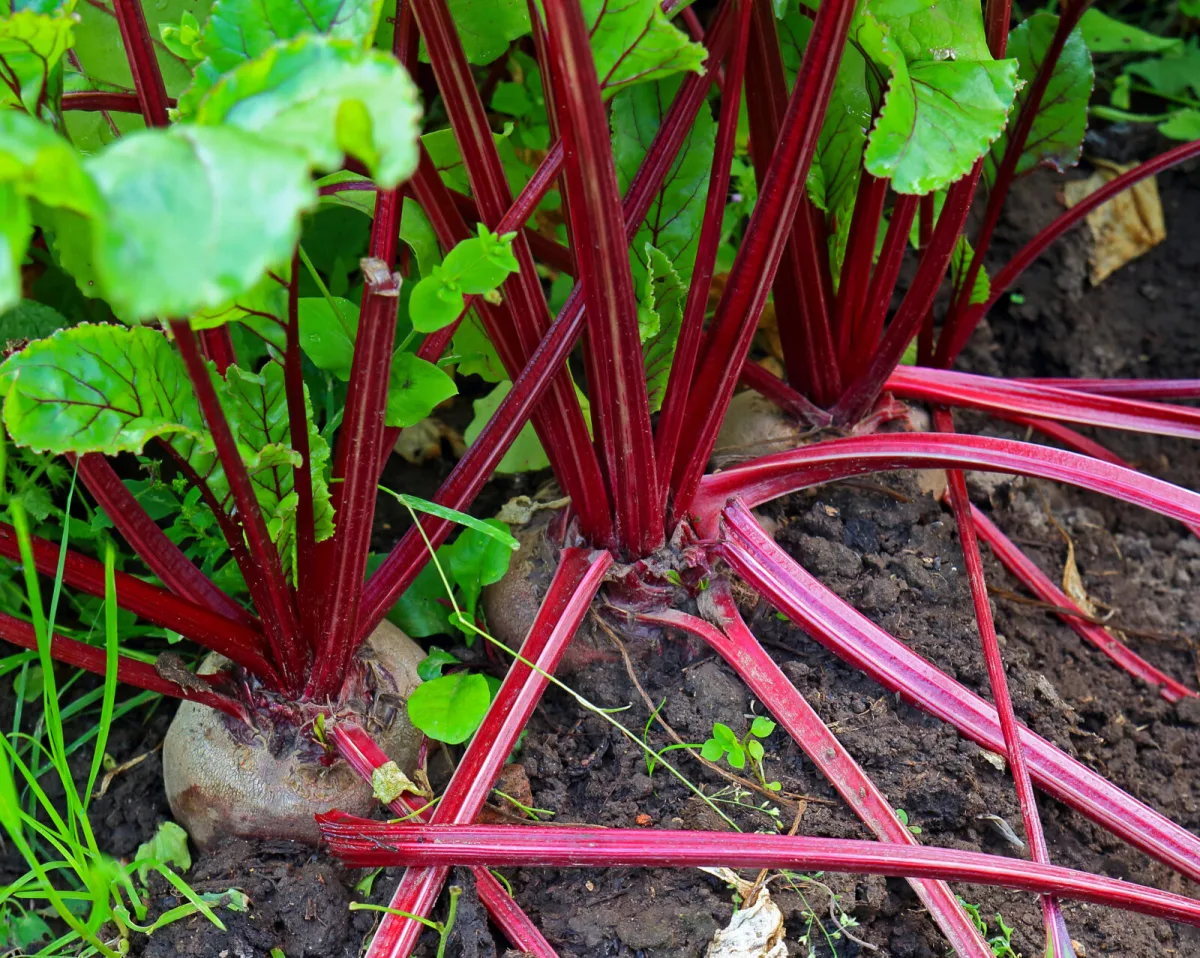
Beetroot from the veg patch stands out for its bold flavour and high content of valuable nutrients. It’s great in salads, for roasting, grilling and cooking, and with the right approach even a less experienced gardener can grow it successfully. The most sensitive part of growing is often the sowing itself, because that’s when soil temperature, site selection and seedbed quality make all the difference. The sowing window typically runs from mid-April to early June, so it’s worth preparing both the bed and the seed in advance.
Site, light and the risk of late frosts
Beetroot thrives in a sunny spot where it gets plenty of light for most of the day. Good air circulation is also important, as it reduces disease problems and helps plants grow evenly. Don’t rush sowing while there’s still a risk of frosts returning. Young seedlings are sensitive to cold and a harder frost can wipe them out. A brief drop to around minus 3 °C is usually tolerated, but it’s safer to wait for more settled spring weather.
How deep to sow and what spacing to keep
Sowing beetroot differs from fine-seeded crops such as carrots or parsley. The seeds are larger and need to be set deeper in the soil. A depth of around 2 cm is most commonly recommended; in lighter, drier soils you can go to 3 cm so the seeds have better contact with moisture. Between rows, it’s best to leave roughly 40 cm, which makes care and later harvesting easier.
Thinning is the key to nice roots
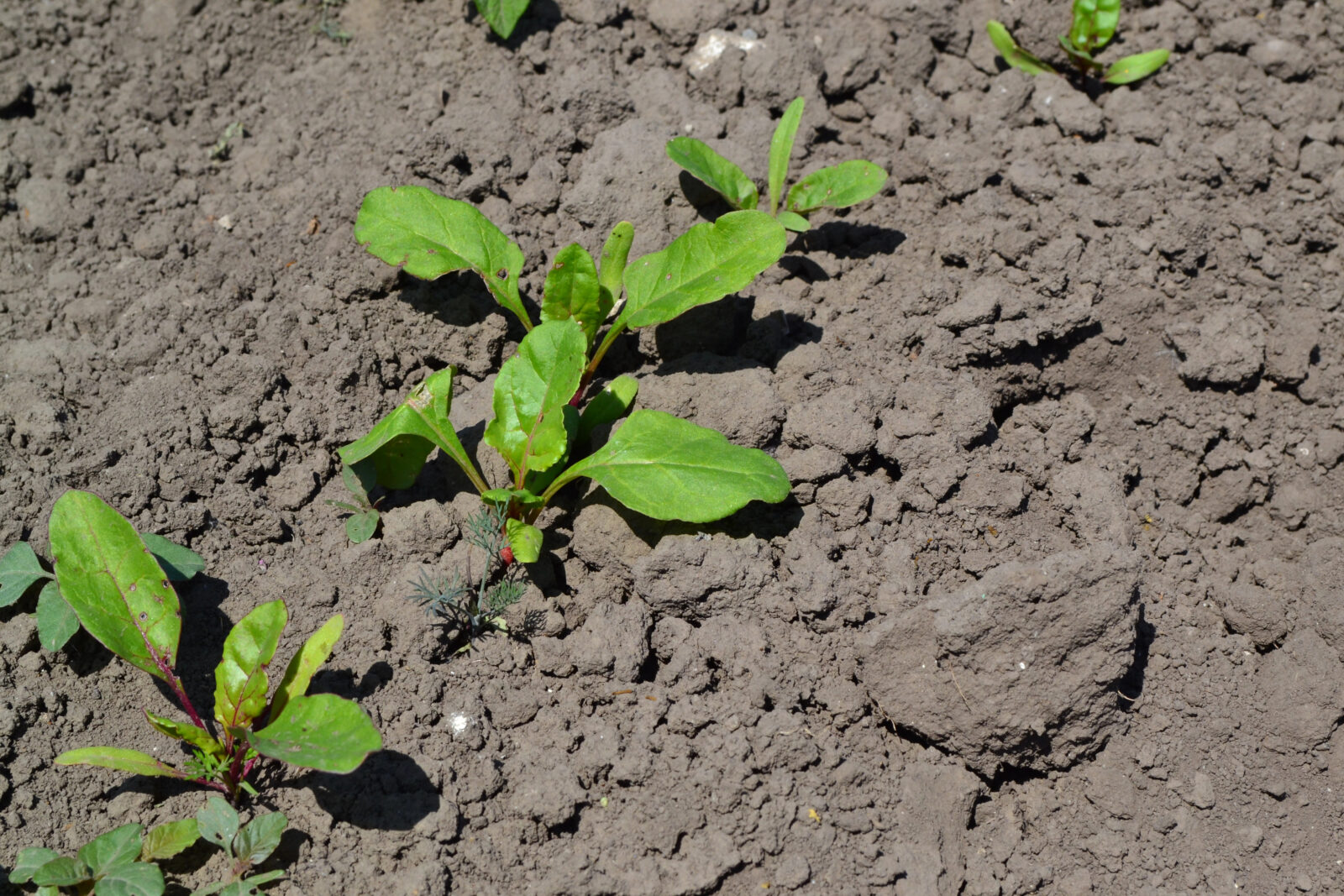
Once seedlings emerge, the stand is often too crowded. For the roots to develop properly, the plants need thinning. You can carefully transplant the extra seedlings elsewhere, or simply leave only the strongest ones at regular spacing. Adequate room is essential; otherwise the plants compete for nutrients and the result is smaller or misshapen roots.
Crop rotation and why not to put beetroot back in the same spot
Beetroot shouldn’t follow root vegetables in the bed, and it’s also not suitable to sow it where it has been grown in recent years. Repeating the crop in the same place increases the risk of soil-borne diseases and soil fatigue. A safe rule is to return it to the same bed no sooner than after four years, giving the soil time to recover and reducing pest pressure.
Germination conditions and the right soil
For reliable germination, the soil should be at least around 8 °C. Under good conditions, the first leaves appear in about ten days, but in cooler weather germination slows significantly. The soil should be free-draining so beetroot doesn’t sit in water, as waterlogging leads to poorer growth and root problems. Beetroot also doesn’t like overly acidic ground; a near-neutral reaction is ideal, around pH 7.
Seed storage and viability
Seeds can be stored for quite a long time if kept dry and cool. In good conditions, they may retain the ability to germinate for several years. Even so, it’s worth checking germination with a small test before the main sowing, especially with older supplies.
Source: NKZ, Gardeningn Know How, Pestrazahrada.cz

A lover of nature, gardens, and everything that moves, blooms, or grows. He literally grows everything, from herbs to rare species, and he enjoys caring for animals just as much. In his work, he connects modern technology with tried-and-tested grandmotherly methods and is happy when both paths lead to the same goal.
Related articles

The Christmas Amaryllis That Can Bloom for Years but Most People Throw It Away After Flowering
Hippeastrum is a spectacular winter-blooming bulb that, with the right care, will flower again year after year. Learn how to plant it correctly, look after it after flowering, and bring it into dormancy so it reliably reblooms.
How to Grow Winter Garlic for a Much Bigger Harvest
Autumn planting is the key to strong, healthy winter garlic, but the details make all the difference. With the right timing, bed choice, seed-clove treatment and a simple bicarbonate trick, you can noticeably boost yield.
A tree or shrub planted properly in autumn can outpace spring stock and improve fruiting
Many fruit trees and soft-fruit shrubs establish better when planted in autumn, because roots keep growing while the top is dormant. Done well, this head start means stronger spring growth, less watering, and a healthier first year.
Comments (0)
Be the first to comment.