
 English
  Polski
  Deutsch
  Nederlands
  Svenska
  Norsk
Norsk  Dansk
Dansk  Français
  Italiano
  Español
  Português
  Slovenčina
  Suomi
Suomi  Gaeilge
 Gardeners Warn That Some Plants Can Attract Hornets Close to the House
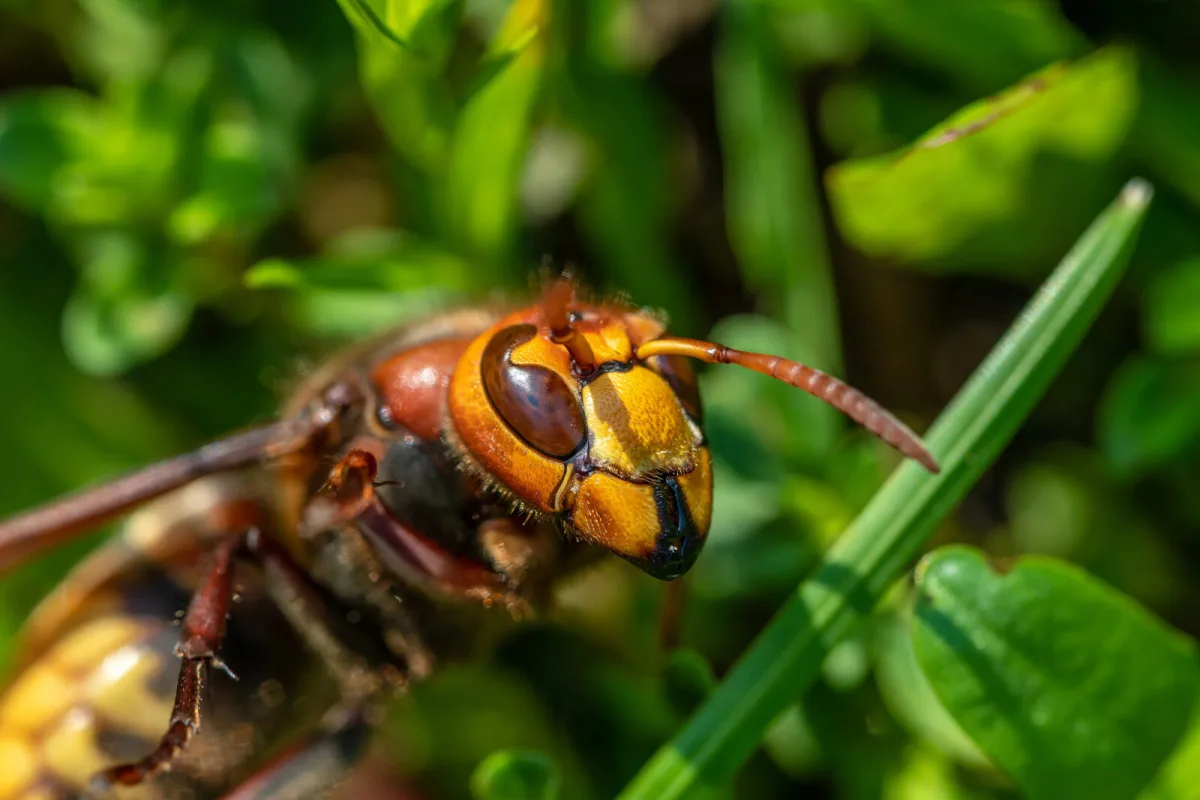
The idea of a peaceful afternoon on the patio is usually simple: warmth, the scent of flowers, and something cold to drink. But it only takes a moment for a loud, deep buzzing to drift into the space around the house. It’s not a bee or an inconspicuous fly. A large hornet can unsettle you just by its size and the way it flies. And often it’s not a coincidence at all, but the result of what we grow and how we’ve arranged the garden.
Why hornets stick close to homes
Hornets aren’t just pests, even if it can feel that way. In nature they have a role, because they hunt some of the insects that would otherwise annoy us in the garden, and they also contribute to pollination. The problem starts when their flight path regularly swings past windows, the front door, or the spot where we sit and eat. A hornet sting is extremely painful and in more sensitive people it can trigger a strong allergic reaction. The situation is also riskier for children or anyone with lower resilience.
The strongest magnet is food. Hornets mainly seek out sweet scents, nectar, and later in the season also sugary juices from overripe or fermenting fruit. If we offer that right by the house, it’s only a matter of time before they learn the route.
Planting layout matters more than the plant choice itself
Plants rich in nectar and with showy blooms attract plenty of pollinators, and hornets are no exception. You don’t have to give up those plants entirely. It’s more sensible to think about where to place them. A bed packed with tempting flowers right by the door can mean frequent fly-bys and stress every time you open a window. If you move those plants further from the patio, hornets will be more likely to keep to the quieter part of the garden.
Ivy on the wall can be beautiful, but problematic
It’s not only colourful flowers. Plants that bloom when other food sources are scarce can be just as influential. A typical example is ivy, which at the turn of summer into autumn offers sweet nectar as one of the last substantial feasts of the season. A house covered in ivy can look striking, but it also increases the chance that more insects—including hornets—will be active around walls and windows.
Which flowers and herbs attract hornets most often
Hornets like to stop at flowers that are easy to access and large enough. These are often species we’re used to seeing in ornamental borders. Attractive plants can include daisies, pansies, dahlias, or hydrangeas. In practice, that means decorative planting right next to seating can unnecessarily increase the number of visits.
Some herbs are also a strong draw. They’re particularly attracted to plants in the carrot family, typically caraway and especially fennel. A bed like that won’t just attract hornets, but generally many kinds of insects. If you don’t mind, that’s fine—it’s just worth bearing in mind and not planting these right next to areas where you spend a lot of time.
Fruit on the ground is an invitation to a feast
Alongside planting, tidiness on the plot plays a crucial role. Hornets, wasps, and other insects will reliably find fallen sweet fruit. As soon as fruit starts to soften and ferment, it releases scents that act as a clear signal that easy energy is available. If you leave pears, apples, or plums lying under a tree, you may create a place they’ll return to regularly.
Prevention is easier than dealing with a problem
The most effective approach is to combine sensible placement of attractive plants with regular clearing of fallen fruit and any remnants of sweet drinks around the patio. Choosing varieties that ripen later can also help, so the biggest sugary temptations don’t arrive at the time we’re sitting outside the most. And if a hornet does show up and it’s only a brief visit, staying calm and stepping back for a moment is often enough. We share the same environment, and sometimes the wisest choice is to let nature pass by without provoking it unnecessarily.
Source: Cornwall Wildlife Trust, House Digest, Pestrazahrada.cz

A lover of nature, gardens, and everything that moves, blooms, or grows. He literally grows everything, from herbs to rare species, and he enjoys caring for animals just as much. In his work, he connects modern technology with tried-and-tested grandmotherly methods and is happy when both paths lead to the same goal.
Related articles
Why the Tree That Feeds a Family for Generations Is Disappearing from Czech Gardens
The English walnut used to be a staple of larger gardens and farmyards, valued for its nutritious nuts and many practical uses. With the right site and variety, it remains one of the most rewarding long-lived trees you can plant.
How to Get Rid of Mice and Rats in the House, Loft and Garden Effectively
Mice and rats don’t leave quietly—scratching sounds, droppings and gnaw marks are clear warnings. A lasting solution comes down to three steps: block entry points, remove food sources, then use traps or professional control.
Two Mistakes When Harvesting Onions Can Cut Your Supply by Months
With good growing and the right handling, onions can turn into a near year-round pantry staple. These simple harvest and curing steps determine whether they keep for weeks or for months.
Comments (0)
Be the first to comment.