
 English
  Polski
  Deutsch
  Nederlands
  Svenska
  Norsk
Norsk  Dansk
Dansk  Français
  Italiano
  Español
  Português
  Slovenčina
  Suomi
Suomi  Gaeilge
 Coffee Grounds as a Secret Weapon for Faster Plant Growth
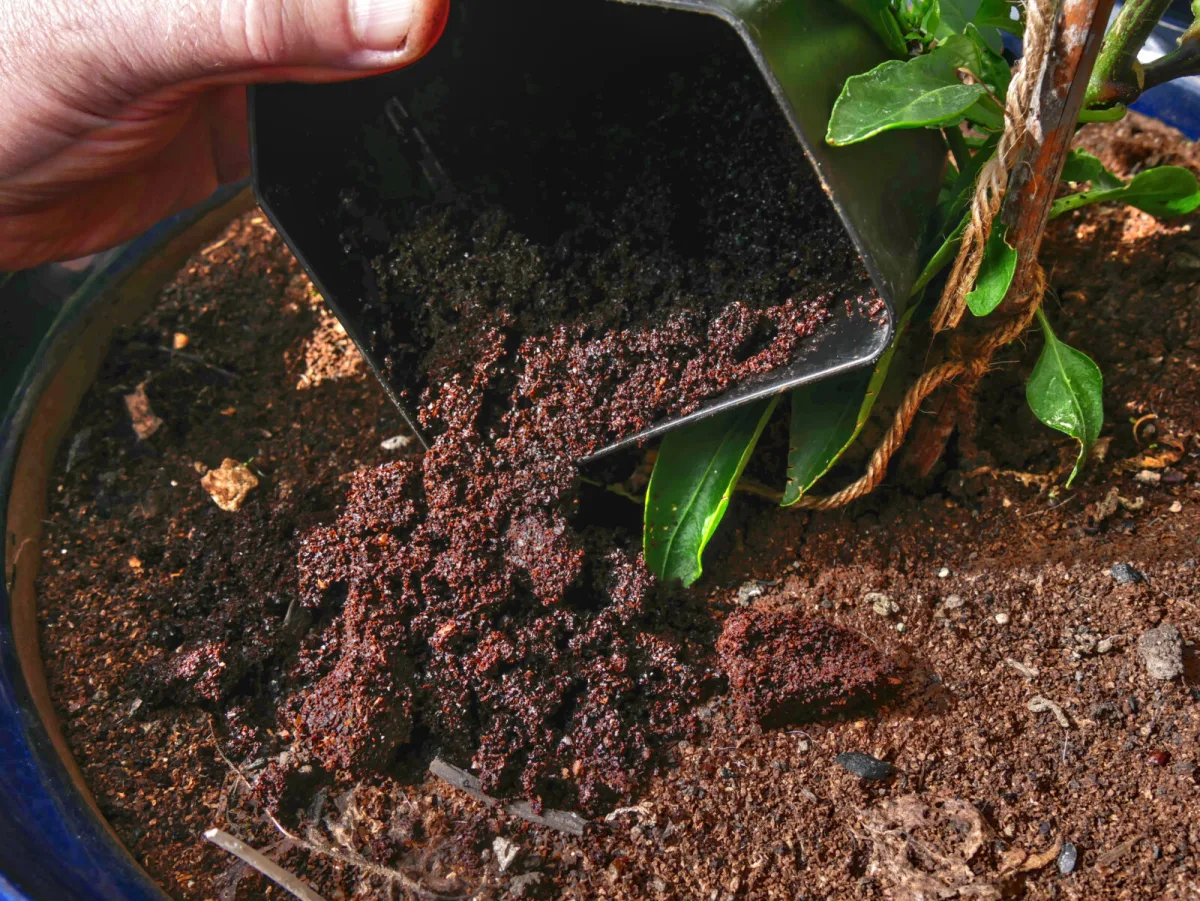
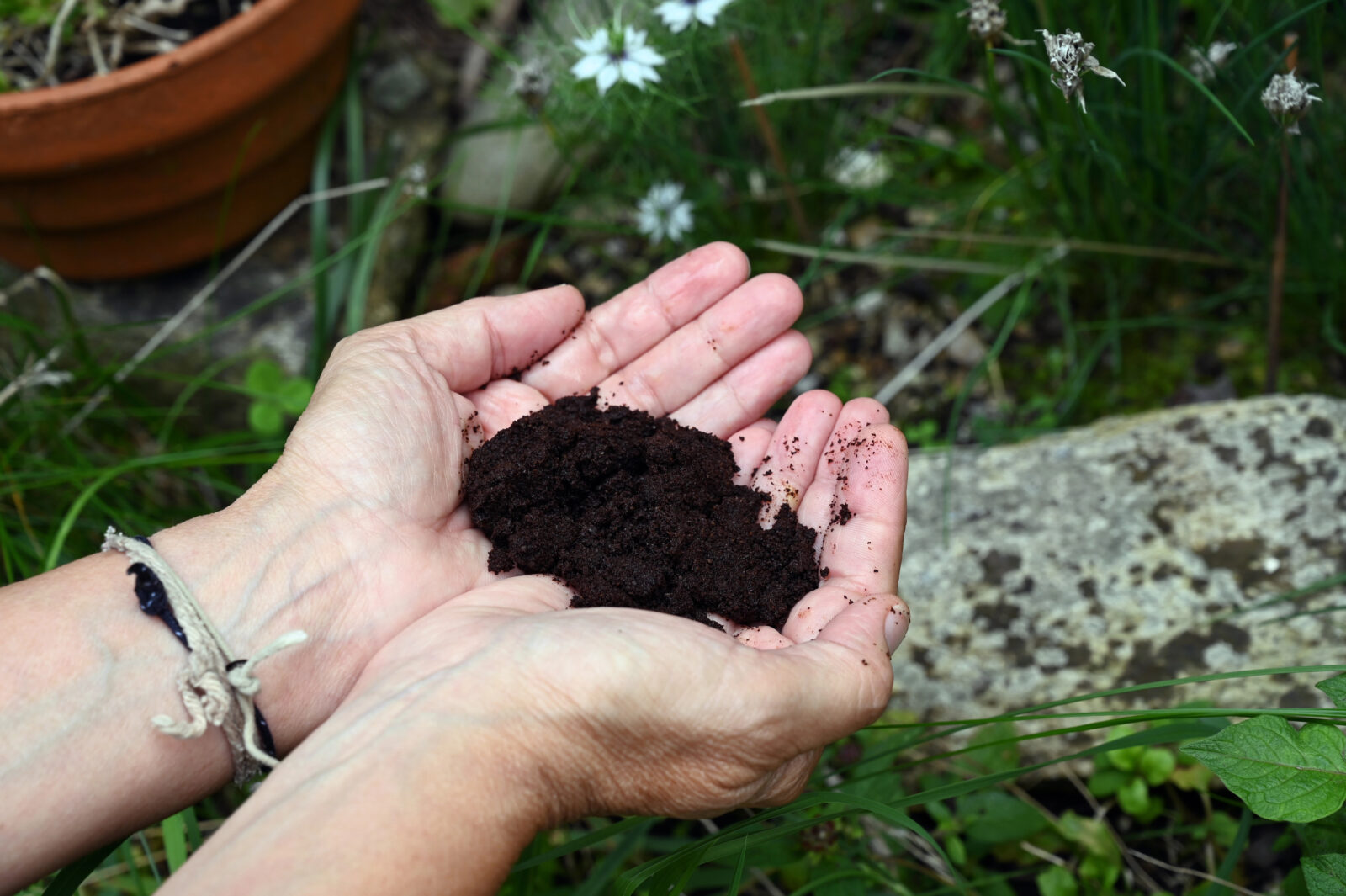
Most people throw coffee grounds away without a second thought. Yet they’re an easy-to-find organic material that can be useful both in the garden and in pots as a light feed and a way to improve soil. Grounds contain mainly nitrogen, along with potassium, magnesium and trace elements. On top of that, they add organic matter that supports soil life and helps retain moisture. It’s this combination of nutrients and improved soil structure that explains why some plants practically “come back to life” after coffee grounds and start looking as if they’re growing like mad.
It’s important to know, though, that coffee grounds aren’t a universal miracle cure. They work best as an add-on rather than a main fertiliser, and they’re most appreciated by plants that tolerate slightly more acidic conditions or that prefer humus-rich, biologically active soil.
Why coffee grounds help plants, and when they can do harm
Coffee grounds add an organic component to the soil and, as they break down, release nutrients gradually. That’s an advantage over fast-acting mineral fertilisers, because plants get “nutrition in stages”. Grounds can also gently acidify the root zone, which suits plants that prefer a lower pH. In containers, they can improve the potting mix’s ability to hold moisture, helping plants cope better on warmer days.
Problems start when you overdo it. In a thick layer, grounds can clump together, reduce aeration and encourage mould. For sensitive plants, long-term use can shift the pH too far towards acidic, showing up as poorer nutrient uptake. The key is to use only plain grounds with no milk or sugar, and ideally dry them first.
A safe rule of thumb: less is more. Grounds should be mixed into soil or added to compost, not laid as a continuous layer on the surface.
Plants that typically thrive with coffee grounds
Strawberries
Strawberries often respond to coffee grounds with more vigorous growth and better flowering, especially in poorer soils. Grounds add nitrogen and also improve the bed’s ability to hold moisture, which is crucial for strawberries during flowering and fruit set.
Blueberries and other acid-loving shrubs
Blueberries are among the most grateful candidates because they require a more acidic growing medium and plenty of organic matter. Coffee grounds can be a natural helper, especially when combined with peat, pine needle litter or leaf mould. Cranberries may respond similarly in the right conditions.
Tomatoes
With tomatoes, coffee grounds can support growth and overall vigour, but moderation matters. Too much nitrogen often means lots of foliage and fewer flowers. Treat grounds as a small boost in the soil or compost, not as regular “overfeeding” through the season.
Root vegetables
Carrots, radishes and potatoes benefit from coffee grounds improving soil structure and adding minerals important for root development. In heavier soils, you’ll especially appreciate how organic matter helps keep the soil crumbly and more free-draining.
Citrus in containers
Lemon and mandarin trees grown in pots may respond to small doses of coffee grounds with fresher leaf colour and more even growth. In containers, however, extra caution is essential because pH shifts and compaction show up faster than in a garden bed.
Ferns
Ferns love humus-rich, slightly moist conditions. Coffee grounds help “soften” the potting mix and hold more moisture. Used in small quantities and mixed in, they can be a pleasant boost for ferns.
Peace lily and African violets
For houseplants such as peace lily and African violets, coffee grounds can support leaf growth and overall condition. Always in tiny amounts, and best worked into the potting mix so they don’t go mouldy on the surface.
Christmas cactus
Christmas cactus isn’t a classic desert cactus but an epiphytic type that prefers a more organic, slightly acidic mix. That’s why a small amount of coffee grounds can suit it, especially if you’re aiming to support growth before bud set.
How to use coffee grounds so they actually work
The safest approach is to dry the grounds and then lightly mix them into the top layer of soil, or add them to compost, where they break down quickly and their effect is “softened”. As a mulch, they only work as a very thin dusting and only where you’re sure the soil surface gets good airflow. In pots, a small amount now and then is usually enough, because the enclosed environment is more prone to mould and compaction.
Most common mistakes and a simple fix
The most common mistakes are over-application and using wet grounds, which quickly turn musty. If you dry the grounds and mix them into potting mix or compost, the risk drops significantly. Another frequent mistake is using grounds from coffee with milk or sugar, which don’t belong in soil. And if you’re growing plants that prefer more alkaline soil, skip coffee grounds or use them only rarely and watch how the plants respond.
Conclusion
Coffee grounds are a simple, eco-friendly and almost free helper that can support the growth of many plants—from strawberries and blueberries to ferns and certain houseplants. The key to success is plain grounds, ideally dried, and restrained dosing. If you use them as a supplement alongside quality soil and compost, you’ll be rewarded with healthier foliage, better vigour and often heavier flowering or crops.
Source: Garden Design, Gardening Know How, Pestrazahrada.cz

A lover of nature, gardens, and everything that moves, blooms, or grows. He literally grows everything, from herbs to rare species, and he enjoys caring for animals just as much. In his work, he connects modern technology with tried-and-tested grandmotherly methods and is happy when both paths lead to the same goal.
Related articles

Fighting moles tempts you into a quick fix that can put you on the wrong side of the law
Fresh molehills can ruin a lawn, but the common mole is a protected species and lethal control can be illegal. Learn how to tell a mole from a vole and which lawful, effective methods actually encourage it to move on.
Why the Tree That Feeds a Family for Generations Is Disappearing from Czech Gardens
The English walnut used to be a staple of larger gardens and farmyards, valued for its nutritious nuts and many practical uses. With the right site and variety, it remains one of the most rewarding long-lived trees you can plant.

How to Get Rid of Mice and Rats in the House, Loft and Garden Effectively
Mice and rats don’t leave quietly—scratching sounds, droppings and gnaw marks are clear warnings. A lasting solution comes down to three steps: block entry points, remove food sources, then use traps or professional control.
Comments (0)
Be the first to comment.