
 English
  Polski
  Deutsch
  Nederlands
  Svenska
  Norsk
Norsk  Dansk
Dansk  Français
  Italiano
  Español
  Português
  Slovenčina
  Suomi
Suomi  Gaeilge
 Record Blueberry Crops Start in May with the Right Care and Feeding
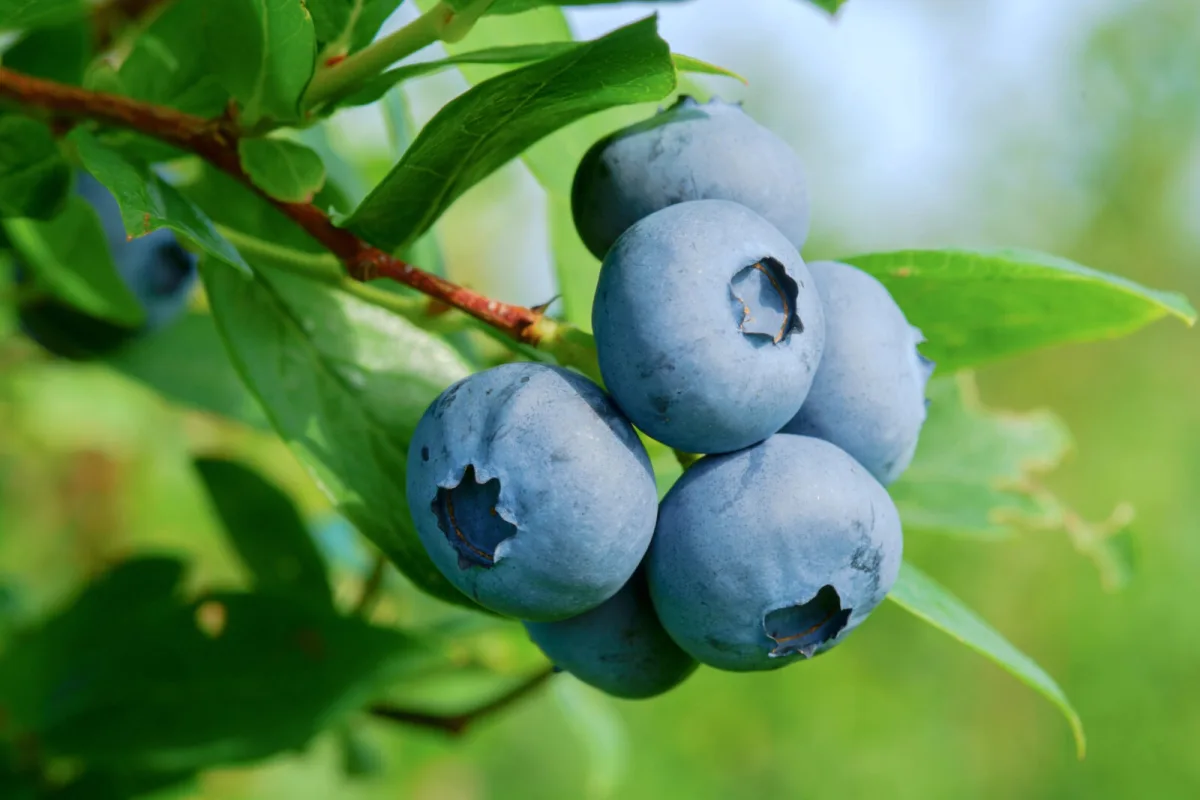
May is one of the most important times of the year for highbush blueberries. The shrubs are in full bud-break now and often already flowering, so this is when it’s decided whether you’ll be picking bowls of large, sweet berries in summer, or whether you’ll end up with nothing but leafy, dense bushes and a weak fruit set. In May, mistakes in watering, feeding and pollination show up quickly, and the consequences are often only obvious when it’s already too late to put things right.
If you want to get the best from your blueberries, it pays to focus on a few key points. Above all, that means the right acidity of both soil and water, readily available nutrients, reliable pollination and protecting blossoms from late frosts. At the same time, keep pruning calm and restrained, because an ill-judged cut can remove flower buds for no good reason.
Acidity is everything why ordinary water can ruin the result
Blueberries are strongly acid-loving plants and do best at a pH of roughly 3.5 to 4.8. As the soil gradually drifts towards neutral, the plant may still grow, but it starts to struggle to take up key elements, especially iron and magnesium. This leads to paler leaves, slower growth, weaker flowering and poorer fruit set.
A common May mistake is watering with hard water from a well or straight from the tap. This water is often rich in calcium and other minerals that gradually raise soil pH. It can look harmless from the outside, but the end result is that you can have fertilised soil and still see classic deficiency symptoms, because the nutrients simply aren’t available to the plant in a usable form.
With blueberries, the winner isn’t the person who fertilises the most, but the one who keeps the pH of the soil and irrigation water right.
Ideally, water with rainwater. If you don’t have it, at least let tap water stand, typically for a day. Some growers also adjust irrigation by lightly acidifying it, for example with a small amount of vinegar or citric acid. The important thing is not to overdo it and to treat this as a gentle correction, not a substitute for the right growing medium. If you can, it’s worth checking pH occasionally with a simple test, because without measuring it’s easy to misread the situation.
May feeding needs to work fast
In May, blueberries use a lot of energy to form flowers and then set fruit. That’s why slow-release fertilisers often don’t perform well at this time, especially if you didn’t apply them earlier. Their effect comes on gradually, and the plant can be left short at the crucial moment, even though you technically “fed” it.
A better choice is usually a liquid fertiliser formulated for ericaceous (acid-loving) plants, which supplies nutrients faster and straight to the roots. In practice, products with an emphasis on nitrogen and potassium are commonly used, because nitrogen supports growth and leafy development, while potassium is important for flowering, fruit development and overall vigour. A typical rhythm is application about once every 10 to 14 days, always following the instructions for the specific product and the condition of the plants.
If you notice leaves paling between the veins while the veins stay greener, it’s often chlorosis linked to magnesium deficiency or to the plant being unable to take it up because of pH. In May, topping up with magnesium sulphate (Epsom salts) can help. This is used fairly often on blueberries, because during periods of rapid growth the demand for magnesium can rise.
Pollination is a common reason for small berries
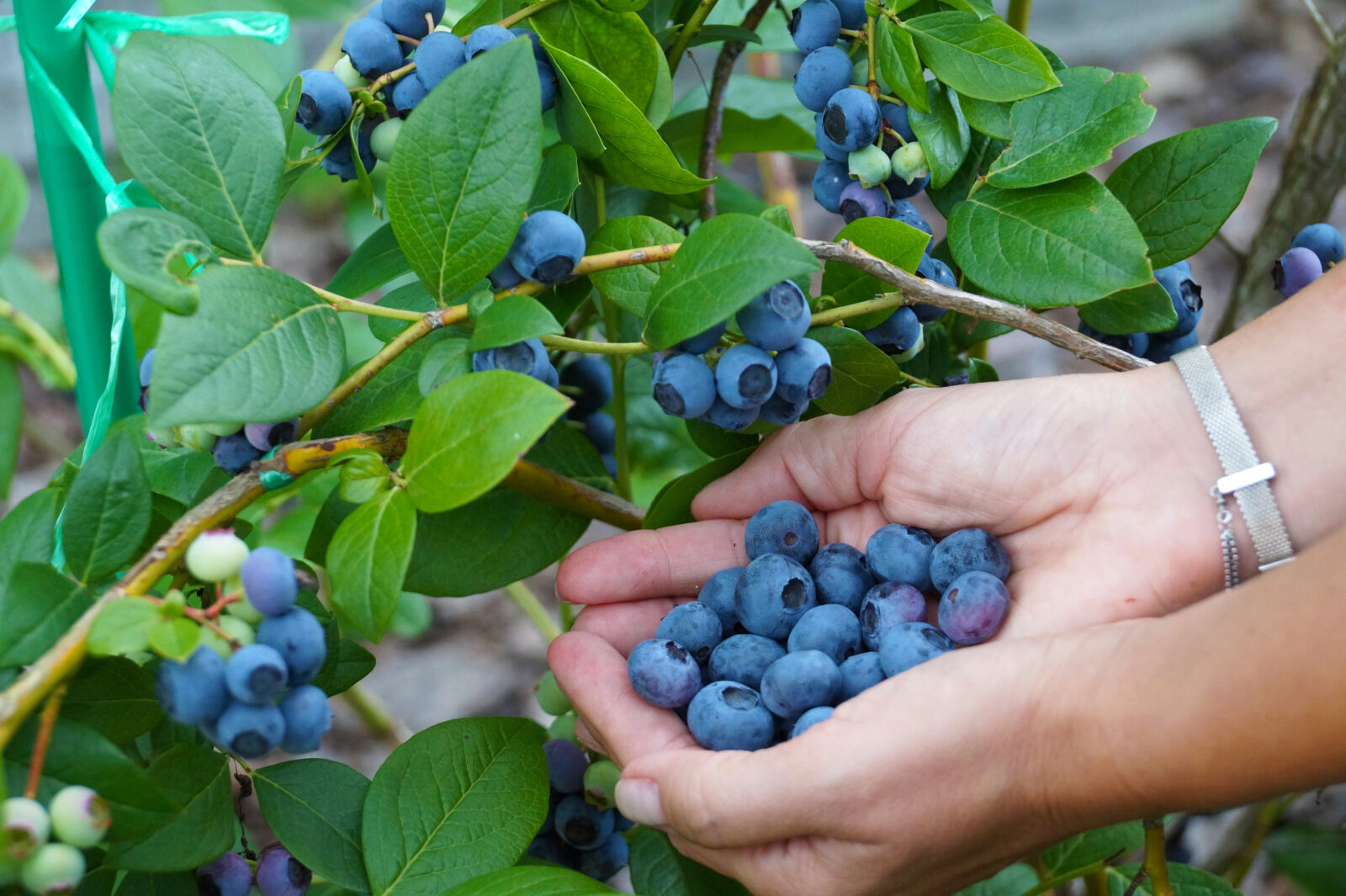
It happens that a shrub is covered in flowers, yet the crop is poor or the berries are small. One of the most common hidden reasons is pollination. Many popular cultivars are partially self-fertile, but that doesn’t mean they’ll automatically produce the largest fruit and highest yields on their own. Cross-pollination between two cultivars that flower at the same time can noticeably improve results.
If you have only one bush in the garden, May is a good time to think about adding another cultivar. It’s not only about more fruit, but often about berry size and uniformity too. The presence of pollinators matters as well, so it helps if other bee- and bumblebee-friendly plants are flowering nearby. In a cold, rainy May, when insects fly less, the difference between weak and good pollination becomes even more obvious.
Late frosts can wipe out a crop in a single night
Blueberry bushes usually cope well with winter cold, but the flowers are far more sensitive in spring. Once a bush is in bloom, temperatures around minus 2 °C can damage the blossoms enough that fruit won’t form. In May, ground frosts are also common and deceptive: the air temperature higher up can be slightly warmer, while cold air pools near the soil.
It’s worth watching the forecast, especially during periods when cold snaps are typical. If frost is threatened and the bush is flowering, a simple cover of white horticultural fleece can help. It creates a slightly warmer microclimate and often raises the temperature under the cover by a few degrees. That small difference can decide whether the flowers survive or the harvest ends before it even begins.
Pruning in May only as light tidying
The main prune for blueberries is usually done earlier, before bud-break. By May, flower buds are easy to spot and any harder cut would mean directly losing part of the future crop. So at this time, intervene only minimally and focus mainly on removing what needlessly burdens the plant.
It makes sense to snip out dead twigs, mechanically damaged shoots or tips blackened by frost. This tidies the bush without losing most of the flowers. If you feel the plant needs serious rejuvenation, it’s better to plan it for the proper time rather than improvising in mid-spring, when every flowering shoot counts.
What to watch in May so your blueberries really fruit
When proper watering is paired with maintaining an acidic environment, quick-to-access feeding, good pollination and protection of blossoms from frost, blueberries can reward you with a much better crop. Most failures aren’t caused by one big mistake, but by several small oversights that add up in this short window. That’s why it’s worth giving your bushes more attention in May than at other times, because this is when both the quality and quantity of the summer harvest are decided.
Source: Urob si sám, RHS, Pestrazahrada.cz

A lover of nature, gardens, and everything that moves, blooms, or grows. He literally grows everything, from herbs to rare species, and he enjoys caring for animals just as much. In his work, he connects modern technology with tried-and-tested grandmotherly methods and is happy when both paths lead to the same goal.
Related articles
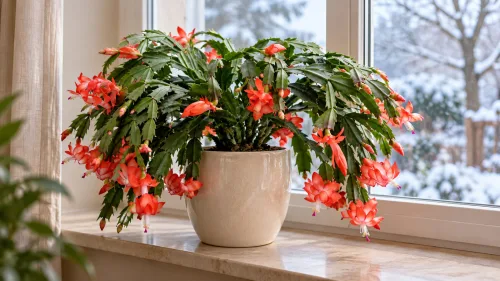
In September, One Simple Step Decides Whether Your Christmas Cactus Blooms in Winter
With Christmas cactus, winter flowering isn’t mainly about watering or feeding—it’s about uninterrupted darkness after dusk. Start in September to trigger bud set and enjoy a full display in December.
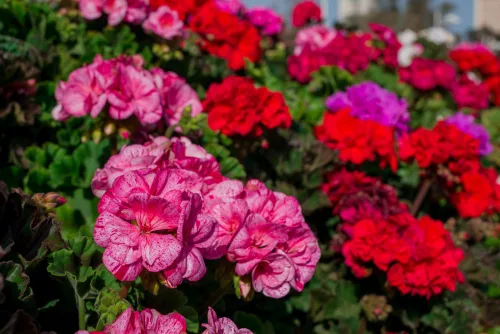
A Simple Trick to Help Geraniums Survive Winter Without Water or Soil
Store geraniums bare-root in a cardboard box over winter—no watering, no pots, and hardly any space needed. With the right cool, frost-free spot, they’ll wake up quickly in spring and flower strongly again.
Picking Apples Without Mistakes Helps Keep Your Harvest Fresh and Rot-Free for Longer
How you handle apples at harvest has a huge impact on how long they keep. Gentle picking, careful sorting and the right storage conditions will help prevent rot and unnecessary losses.
Comments (0)
Be the first to comment.