
 English
  Polski
  Deutsch
  Nederlands
  Svenska
  Norsk
Norsk  Dansk
Dansk  Français
  Italiano
  Español
  Português
  Slovenčina
  Suomi
Suomi  Gaeilge
 A North-Facing Balcony Doesn’t Have to Be a Problem
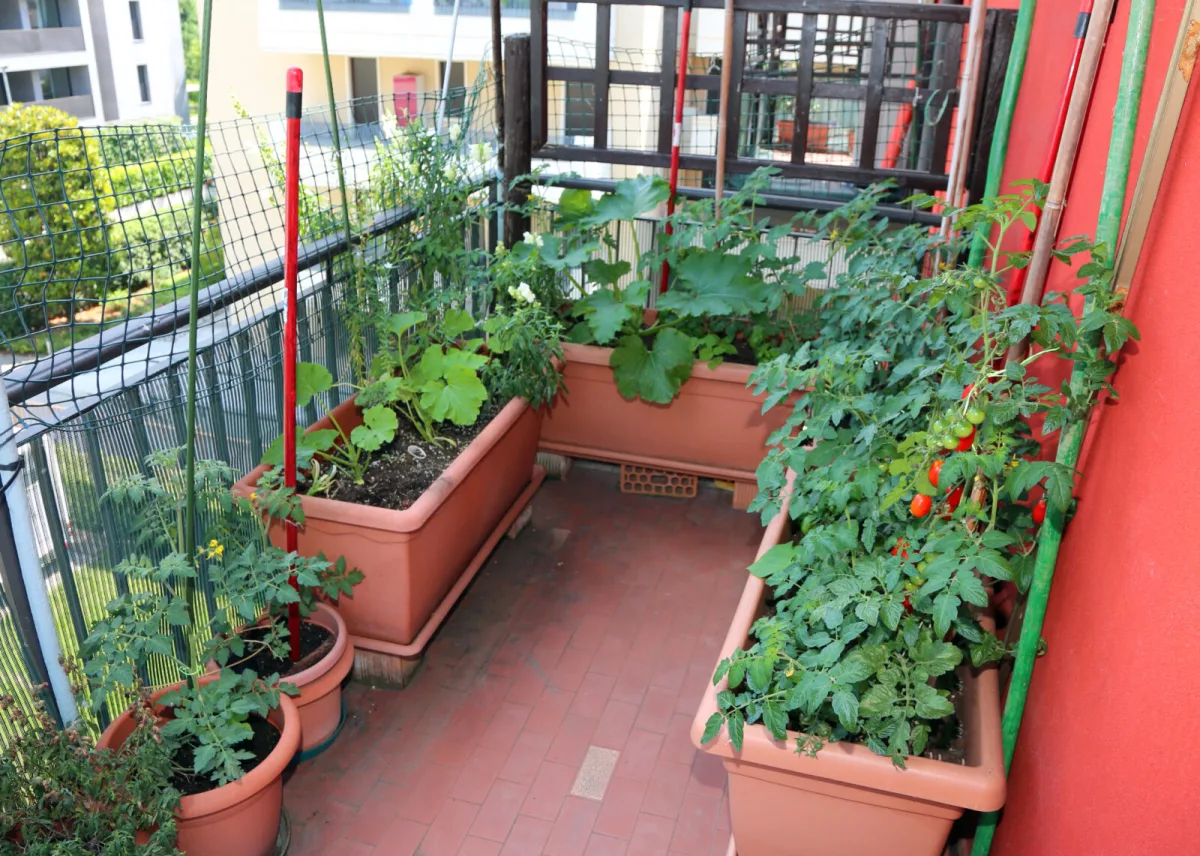
A north-facing balcony has a reputation among growers as a tricky spot. The reason is simple: most plants on this side suffer from a lack of direct sun, so they grow more slowly, develop weaker stems, or flower less. That’s why many people end up using a north-facing balcony as a dumping ground and move their plants elsewhere. Yet there’s a fairly easy way to significantly improve light conditions for your plants, and you don’t need to invest in costly technology straight away.
What light affects in plants
Light isn’t just a nice extra; it’s a key factor that determines a plant’s vitality. Most commonly grown species rely directly on light energy because, without it, photosynthesis can’t run efficiently. Plants make best use of the part of the spectrum roughly between 400 and 700 nanometres, the range where blue and red wavelengths dominate. These wavelengths are crucial both for energy production and for overall development.
Why a north-facing balcony often slows growth
On the north side, sunlight usually arrives only indirectly, sometimes briefly in the morning or evening depending on surrounding buildings. Poorer conditions don’t just mean fewer lux. The quality of the light and the way it’s scattered matter too, because those characteristics feed into several processes at once.
Which processes we control with light
If plants get too little light or it’s uneven, you’ll see it on several levels. First, the rate of photosynthesis drops, so the plant produces less energy and puts on growth more slowly. Second, the response to day length changes, i.e. photoperiodism, which can influence plant form, leaf density, and willingness to flower. Third, there are changes in photomorphogenesis, where growth patterns and development timing adapt to how long and how intensely the plant is exposed to light.
One simple step in spring that makes a big difference
A practical solution for a north-facing balcony is reflective film, also called a reflective foil. It’s not a complicated device, just a surface that can bounce light back towards your plants. It works much like a light-coloured wall brightening a room. On a balcony, you can position the film to catch available daylight and direct it back onto the leaves. This increases the amount of light the plant can actually use during the day and often improves how evenly the plants are lit.
Reflective film doesn’t create light, but it can efficiently send it back to where plants need it.
When film is enough and when it isn’t
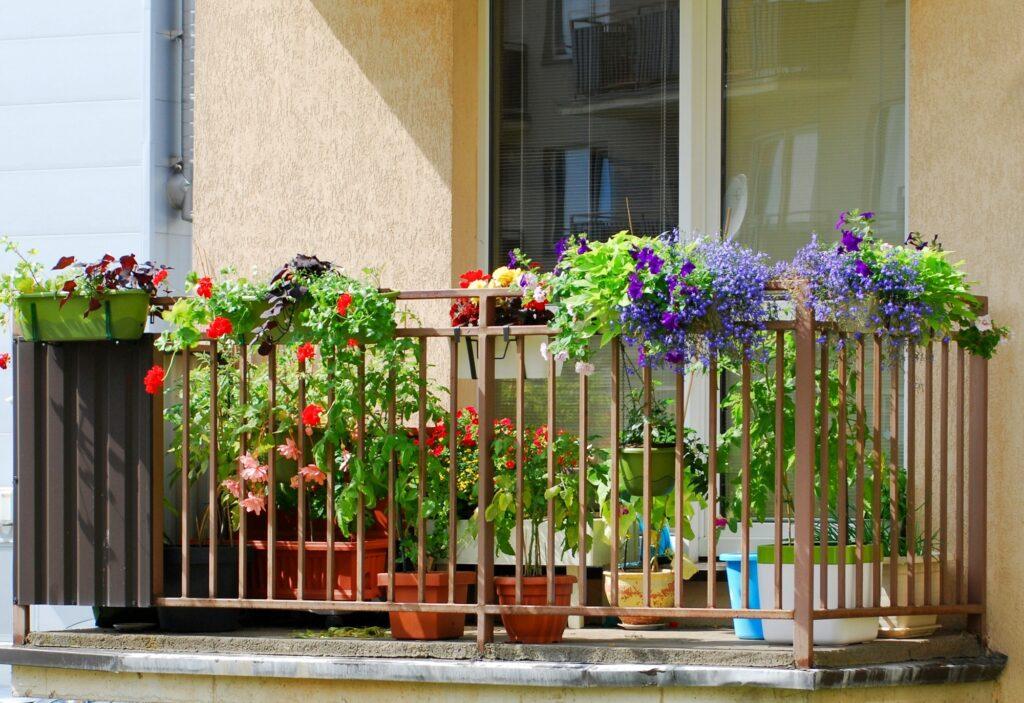
On windowsills and balconies that face north-east or north-west, a reflective surface is often surprisingly effective, because at certain times of day you still get a touch of more direct light. With a true north aspect, it can sometimes be necessary to add supplemental lighting too, especially if you’re growing more demanding plants or your balcony is deep and heavily shaded. Even then, the film still makes sense: it helps you make better use of whatever daylight reaches you and can reduce the length of time you need to run lights.
Types of reflective film and typical prices
In practice, you’ll come across several options that vary in reflectivity, durability, and cost. The choice isn’t only about buying the shiniest material, but also about how easy it is to install and how long it will last outdoors.
Mylar (polyester film)
Mylar-type polyester films are among the most effective. They reflect roughly 90 to 95 percent of light, are lightweight, and can be attached to a simple frame. You’ll usually pay more than for basic solutions, though. For better-quality pieces, the price typically comes in at around 80 to 200 CZK per square metre.
White film or white panels
The white option is popular because it offers good value for money and spreads light pleasantly evenly. Reflectivity is usually around 70 to 85 percent, and the material is often sold as lightweight panels as well. The price typically sits roughly in the range of 40 to 80 CZK per square metre.
Aluminium foil as a household alternative
Aluminium foil is used as an improvised solution because it’s easy to get hold of. Reflectivity usually falls somewhere between about 65 and 75 percent. The downside can be lower durability and uneven reflections that sometimes create harsh bright hotspots. For low-demand use, though, it can do the job.
Why this approach is worth it
Reflective film is one of the cheapest ways to genuinely improve conditions for plants on the north side. It won’t solve everything, but it’s often enough to prevent seedlings from getting leggy, give herbs sturdier stems, and help ornamental plants look healthier. If you’ve been treating a north-facing balcony as a lost cause, a reflective surface can be the small step that, in spring, decides whether your greenery merely struggles or actually starts to grow.
Source: Gardening Know How, Top Garden Living, Pestrazahrada.cz

A lover of nature, gardens, and everything that moves, blooms, or grows. He literally grows everything, from herbs to rare species, and he enjoys caring for animals just as much. In his work, he connects modern technology with tried-and-tested grandmotherly methods and is happy when both paths lead to the same goal.
Related articles

Fighting moles tempts you into a quick fix that can put you on the wrong side of the law
Fresh molehills can ruin a lawn, but the common mole is a protected species and lethal control can be illegal. Learn how to tell a mole from a vole and which lawful, effective methods actually encourage it to move on.
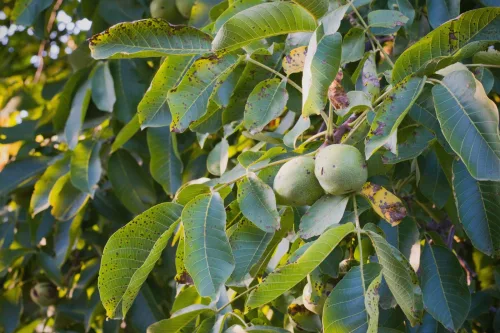
Why the Tree That Feeds a Family for Generations Is Disappearing from Czech Gardens
The English walnut used to be a staple of larger gardens and farmyards, valued for its nutritious nuts and many practical uses. With the right site and variety, it remains one of the most rewarding long-lived trees you can plant.
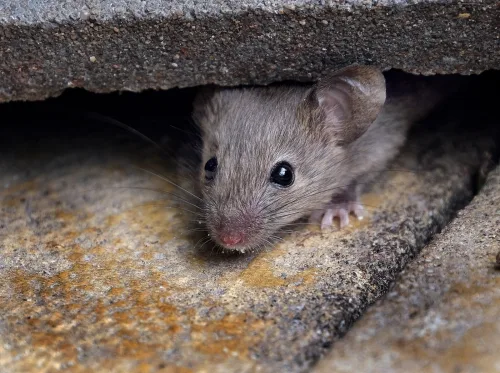
How to Get Rid of Mice and Rats in the House, Loft and Garden Effectively
Mice and rats don’t leave quietly—scratching sounds, droppings and gnaw marks are clear warnings. A lasting solution comes down to three steps: block entry points, remove food sources, then use traps or professional control.
Comments (0)
Be the first to comment.