
 English
 Polski
 Deutsch
 Nederlands
 Svenska
 Norsk
 Dansk
 Français
 Italiano
 Español
 Português
 Slovenčina
 Suomi
 Gaeilge
A neighbour dispute over a tree has clear rules and if you don’t know them you could face a bigger fine than the tree owner
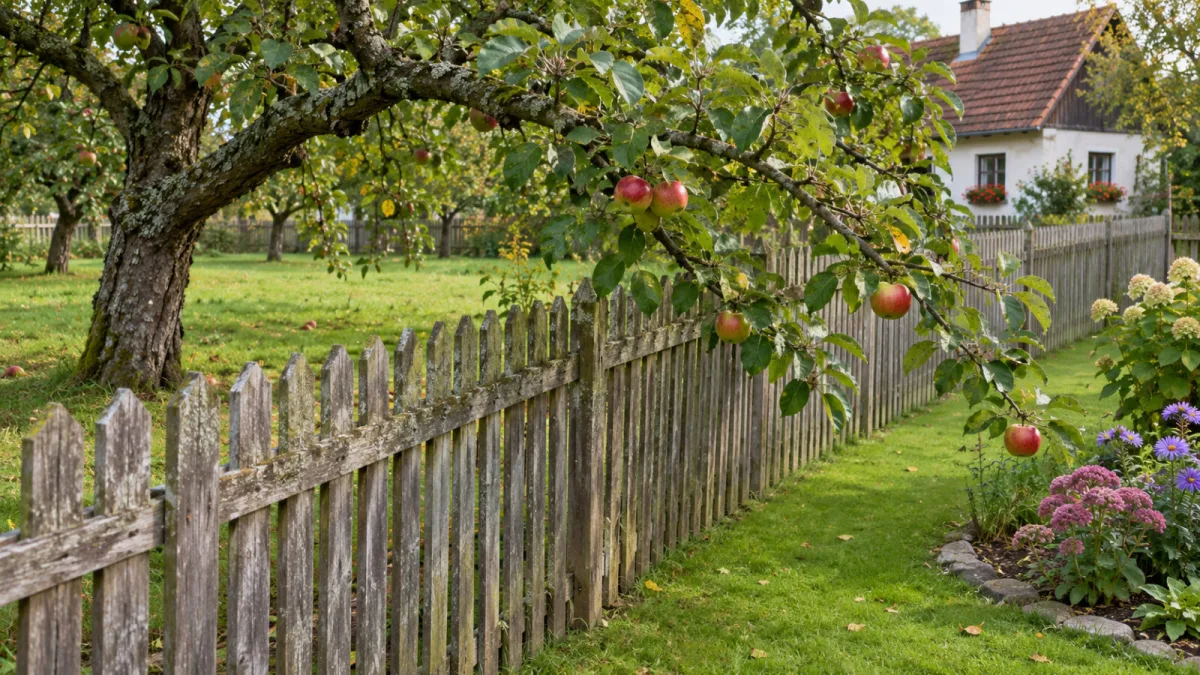
Overhanging branches from a neighbour’s tree are a frequent source of disputes. Sometimes it’s a minor nuisance, other times they cast shade, make it difficult to move around the property, litter the garden with leaves, or drop fruit onto it. Even if it’s tempting to grab a pruning saw and sort it out immediately, Czech law sets clear rules on when it’s allowed and how carefully you must proceed.
Felling and pruning trees isn’t completely unrestricted
Woody plants cannot be removed at any time and in any manner. With trees on your own land, in most everyday situations you usually don’t need to apply for a permit nowadays, but there are exceptions. A stricter regime may apply to protected trees, landmark trees, trees growing in an avenue, or those forming a significant landscape feature. The time of year also matters. Routine work on trees and shrubs is generally carried out during the dormant season, from November to March.
This rule also matters in neighbour disputes. If branches overhang your fence, you can’t deal with their removal without regard for the tree’s condition, nature protection, and legal limits. Good timing is one of the key requirements for acting lawfully.
You must first ask the neighbour to act
If branches from a tree on a neighbour’s land extend over yours, you do not automatically have the right to cut them off straight away. First, you must ask the neighbour to remedy the situation themselves. Only if they fail to do so within a reasonable time and the branches are genuinely causing damage or significant difficulty can you proceed to remove the overhang yourself.
The Civil Code allows a neighbour to remove overhanging branches or roots in a considerate manner and at a suitable time of year if, after being notified, the tree owner does not put things right and if the inconvenience outweighs the interest in keeping the tree intact.
The key point is that it’s not enough that the branches simply bother you. The intervention must be proportionate, considerate, and justified. The law also assumes that whatever you obtain from the removed branches belongs to you.
Pruning must be gentle and done at the right time
How the work is carried out plays a major role. Removing branches must not unnecessarily damage the tree or kill it. If the cut were too drastic, it could be assessed as unauthorised damage to a woody plant. That’s exactly why it’s recommended to proceed cautiously and ideally only to the extent necessary to remove the problem on your property.
Nature protection is important too. Outside the dormant season, birds may nest in branches or cavities, and they are generally protected. For this reason as well, it is safer to plan pruning for the period from November to March.
When a fine can be imposed
Unauthorised interference with trees can be costly. For private individuals, the penalty for unlawful felling can reach up to 100,000 CZK, although in practice lower sums are often quoted depending on the specific circumstances. For self-employed people and companies, sanctions can be significantly higher, in theory up to 1,000,000 CZK. So if you remove branches without prior notice, do it improperly, or act in conflict with tree protection rules, you risk an unnecessary problem.
What if the tree is a nuisance but the branches don’t overhang
A different situation arises when a neighbour’s tree casts shade, causes inconvenience, or otherwise limits the use of your property, but its branches do not extend over your land at all. In that case, you have no right to prune the tree, and you cannot force the neighbour to reduce it solely because of the shade. The only solution may then be to pursue the matter through the courts as a neighbour dispute.
An agreement is usually best
Although the law offers ways to protect yourself, the most sensible route remains an agreement. Neighbour relationships tend to be long-term, and a dispute over branches can easily turn into a much bigger conflict. But if an agreement can’t be reached, it’s important to stick to the legal procedure, act considerately, and not cut back more than necessary. That’s how you avoid turning an irritating overhang into a painful fine.
Source: Pestrá zahrada, Stavitel, Deník, Zákony pro lidi, Pestrazahrada.cz

A lover of nature, gardens, and everything that moves, blooms, or grows. He literally grows everything, from herbs to rare species, and he enjoys caring for animals just as much. In his work, he connects modern technology with tried-and-tested grandmotherly methods and is happy when both paths lead to the same goal.
Related articles
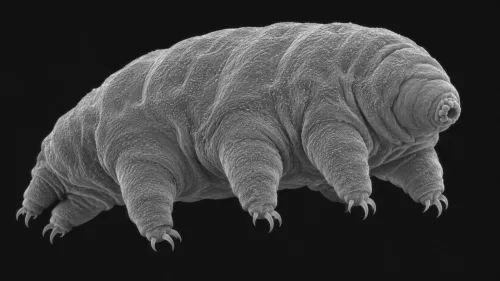
The Toughest Animal on Earth Is a Fraction of a Millimetre Long and Its Survival Trick Fascinates Even NASA Scientists
Tardigrades are microscopic invertebrates famed for surviving conditions that would kill most life. Their ability to shut down into a near-lifeless state has intrigued scientists on Earth and in space research alike.
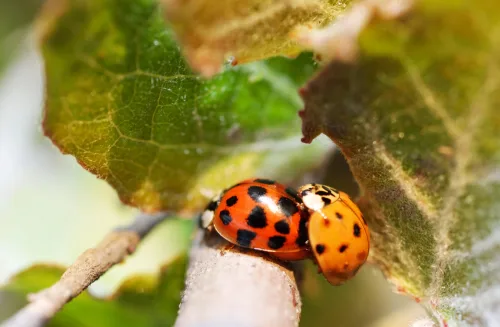
The Invasive Ladybird That Bites Has Settled in the Czech Republic Prevention Is Easier Than You Think
The harlequin ladybird (Asian lady beetle) is spreading rapidly, crowding out native species and often turning up indoors in autumn. Learn how to recognise it, why it invades homes, and the simplest prevention and removal methods.

Cutting Away the Green on Potatoes Isn’t Enough Experts Warn Hidden Compounds Can Linger Elsewhere
Green patches on potatoes aren’t just a cosmetic issue: light exposure can raise levels of natural toxins such as solanine and chaconine. Learn when to discard tubers and how to store potatoes so they keep well and stay safe.
Comments (0)
Be the first to comment.