
 English
 Polski
 Deutsch
 Nederlands
 Svenska
 Norsk
 Dansk
 Français
 Italiano
 Español
 Português
 Slovenčina
 Suomi
 Gaeilge
How to Grow a Heavy Tomato Harvest Every Year in Twelve Simple Steps
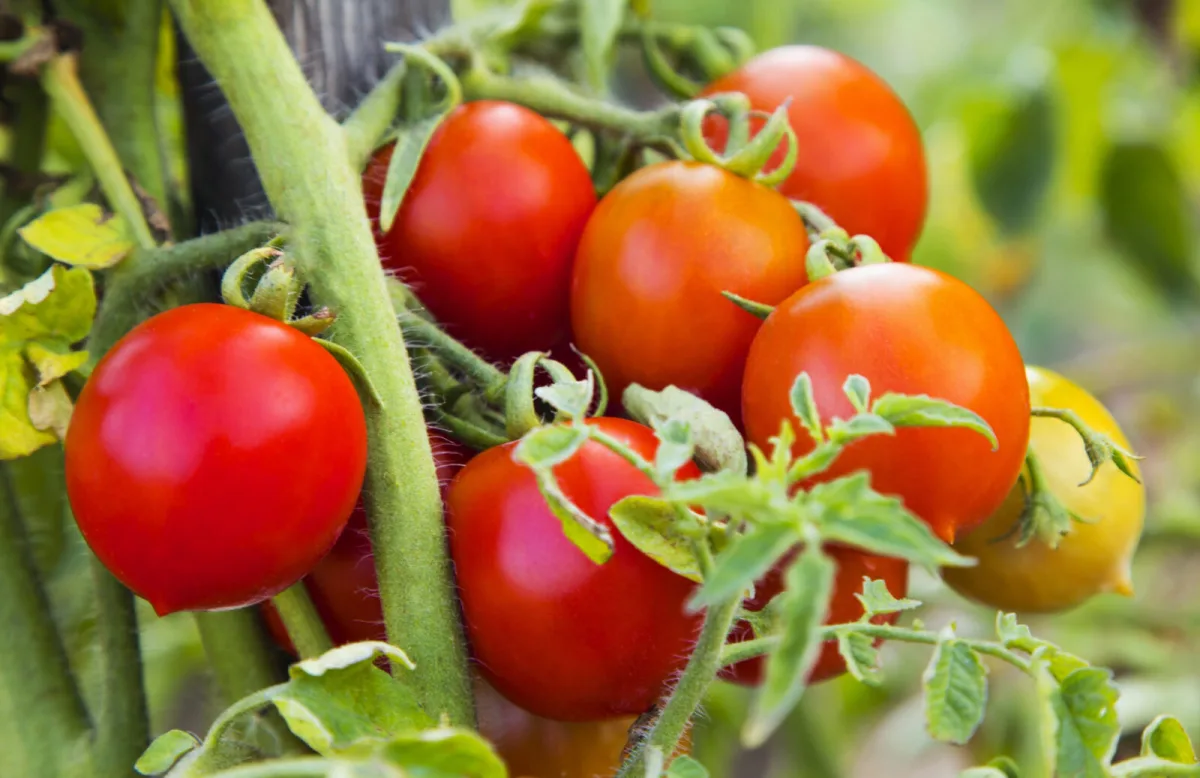
Growing tasty, productive tomatoes isn’t about complicated techniques or expensive products. What matters far more is sticking to a few proven steps that fit together properly throughout the season. If you follow them, you have a very good chance of harvesting healthy, great-tasting fruit regularly and in abundance.
Tomatoes are among the most popular crops in home gardens, but successful growing doesn’t start out in the bed. Choosing the right type, sowing on time, good soil, plenty of light, and correct watering are what make the difference. When these basics aren’t neglected, plants reward you with better resilience and higher yields.
1. Bush or cordon tomatoes
The first step is deciding whether you want to grow bush (determinate) or cordon (indeterminate) varieties. Bush tomatoes reach a set size, stay more compact, and deliver most of their crop in a shorter period. That makes them ideal for smaller gardens, containers, and anywhere you want a larger flush of fruit at once—for sauces or drying, for example.
Cordon tomatoes, by contrast, keep growing continuously—often very vigorously—and they fruit for a longer part of the season. They need support, more space, and more regular care, but the payoff is a steady harvest of fresh tomatoes all summer. It’s practical to combine different types and different ripening times so your harvest isn’t dependent on one single spell of weather.
2. Early sowing pays off
Tomatoes benefit from a head start. If you raise your own seedlings, it’s best to start about four to six weeks before the last expected frosts. In good conditions they germinate fairly quickly, but going from seed to a sturdy transplant-ready plant still takes several weeks of growth.
Sowing your own also has a clear economic advantage. One packet of seed can produce a lot of plants—and then tens to hundreds of kilograms of fruit. Anyone with even a little space and time usually finds that home sowing is well worth it.
3. Potting on builds roots and a sturdier stem
Tomatoes have an exceptional trait that makes them very forgiving of deep planting. Along the stem are tiny root primordia that, once in contact with soil, turn into new roots. That’s why seedlings benefit from being potted on into a larger container and set deeper each time.
A stronger root system means a tougher plant that manages water and nutrients more efficiently. Such tomatoes are typically less sensitive to weather swings and often need less frequent feeding and watering. If you can’t plant deep, you can lay the stem at an angle in a shallow trench and cover part of it with soil.
4. Sun is essential, but extreme heat can harm
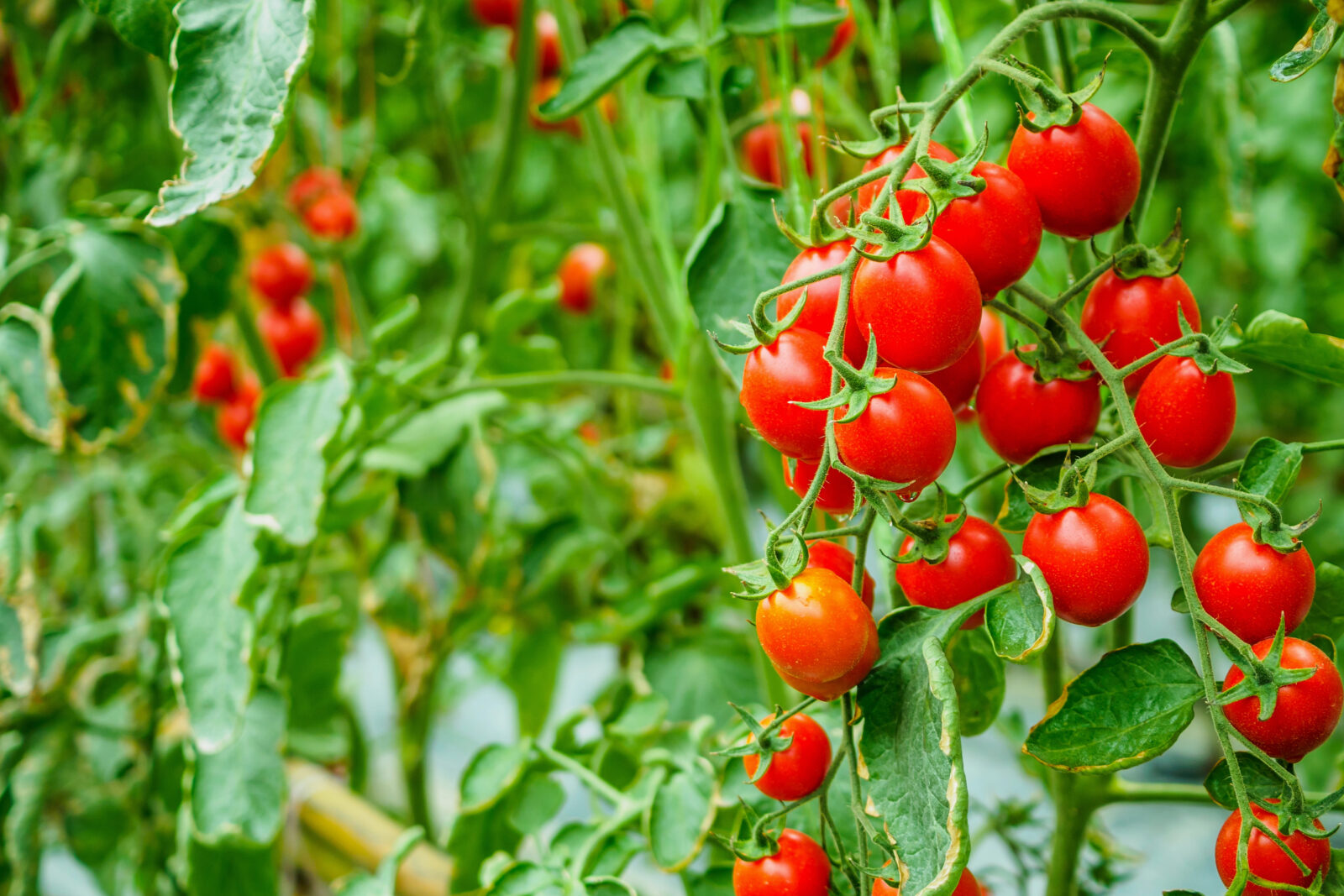
Tomatoes love light, and for a good crop they need at least eight hours of sun a day. Too little light shows up as weaker growth and fewer fruits. If your garden isn’t ideally sunny, planting near a light-coloured wall or fence that reflects light back onto the plants can help.
At the same time, intense heat isn’t as beneficial to tomatoes as is often claimed. In prolonged high temperatures, blossoms may drop, growth slows, and fruit ripens reluctantly. During such periods, light shading with breathable horticultural fleece can help—provided it doesn’t block airflow.
5. More space means more fruit
Tomatoes are spreading plants with deep roots, so it doesn’t pay to plant them too close together. Cordon varieties need wider spacing than bush types; otherwise airflow worsens and disease risk rises. Extra space also tends to translate into better fruit set.
A similar rule applies in containers. A small volume of compost limits root growth and overall plant vigour. Bush varieties can manage in large pots, but cordon tomatoes really appreciate generous containers that give roots room and provide a better reservoir of moisture.
6. Rich soil beats heavy doses of nitrogen
Tomatoes are relatively hungry plants and thrive in soil rich in organic matter and mineral nutrients. Phosphorus, calcium, and overall balanced nutrition are especially important. Overdoing nitrogen, however, can lead to lots of leafy growth while flowers and fruit remain sparse.
The best results come from combining a solid base feed at planting with steady, moderate feeding through the season. Slow-release organic feeds, compost, seaweed products, fish-based fertilisers, or homemade compost tea all work well. The key is not to feed in occasional heavy doses, but regularly and with restraint.
A strong tomato plant doesn’t come from a single miracle product—it comes from good soil, healthy roots, and well-timed care.
7. Protect young transplants from pests
Young plants can be vulnerable after planting out, especially to caterpillars that chew through stems right at soil level. A very simple defence is to place a thin stick, skewer, or other narrow support next to the stem. The pest can’t wrap itself around the stem properly and damage it.
This small step is cheap, quick, and often very effective. It’s useful not only for tomatoes, but also for other sensitive vegetable transplants in spring.
8. Water less often, but deeply
Tomatoes respond best to thorough watering at the roots, not frequent light sprinkling on the surface. When water penetrates deeper, roots follow it down and the plant becomes sturdier and more drought tolerant. Shallow watering, on the other hand, encourages surface rooting and greater sensitivity to heat and wind.
Consistency is crucial. Fluctuating moisture can cause fruit to split and contribute to blossom end rot problems. A practical solution is drip irrigation or a soaker hose, which delivers water exactly where it’s needed.
9. Mulch protects both soil and leaves
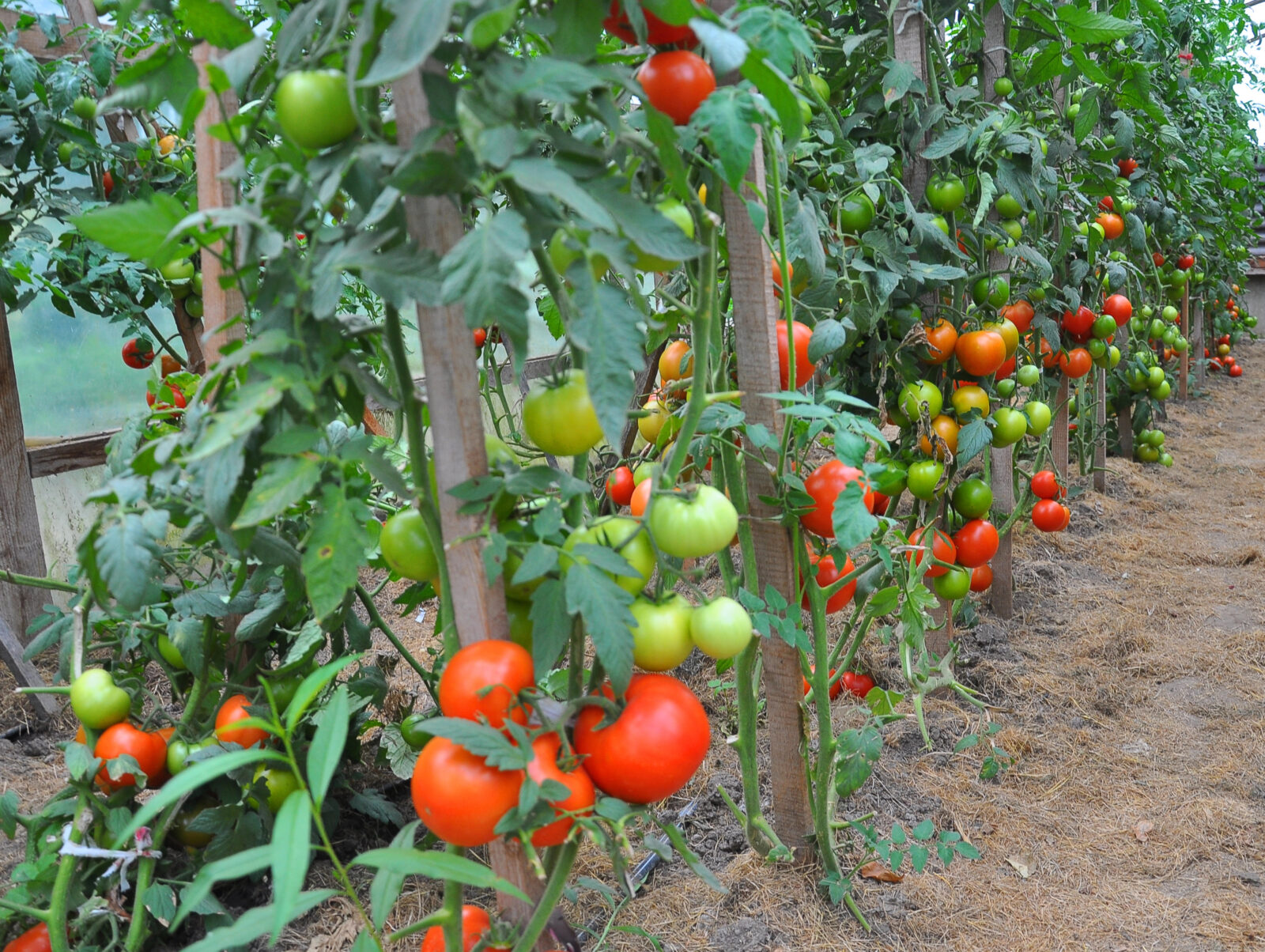
Once plants have put on a bit of growth, it’s worth covering the soil around them with a layer of organic mulch. Straw or another airy material helps reduce evaporation, suppress weeds, and even out temperature swings in the soil.
Mulch has one more major advantage. During watering or rain it prevents soil splashing onto leaves, reducing the risk of soil-borne diseases reaching the above-ground parts of the plant.
10. Put supports in as early as possible
Tomatoes grow faster than they first appear. If you wait too long to install supports, you risk damaging roots and snapping shoots when tying in later. That’s why it’s best to set cages, canes, or other structures in place soon after planting.
The taller and sturdier the support, the better the airflow through the plant—and the less likely leaves and fruit are to rest on the ground. That improves plant health and makes the crop easier to manage.
11. Remove the lower leaves
Leaves and side shoots that touch the soil are often the first entry point for disease. It pays to tidy the lower part of the plant in good time. It’s also wise to remove leaves that are damaged, yellowing, or suspiciously spotted.
The goal isn’t to strip the plant bare, but to keep it healthy and well ventilated. This reduces disease pressure and allows the plant to put its energy into growth and ripening fruit.
12. You don’t have to wait for full ripeness to pick
Many growers let tomatoes fully colour up on the plant, but it’s often better to pick them as soon as they start to change colour. At this stage the fruit is fully developed and will finish ripening indoors without trouble. Flavour and quality don’t suffer.
This approach helps prevent splitting after summer rains, reduces losses to pests, and takes pressure off the plant so it can put more energy into new flowers and fruit. The result is usually a steadier—and often larger—harvest.
Tomatoes thrive thanks to a combination of small, correct steps
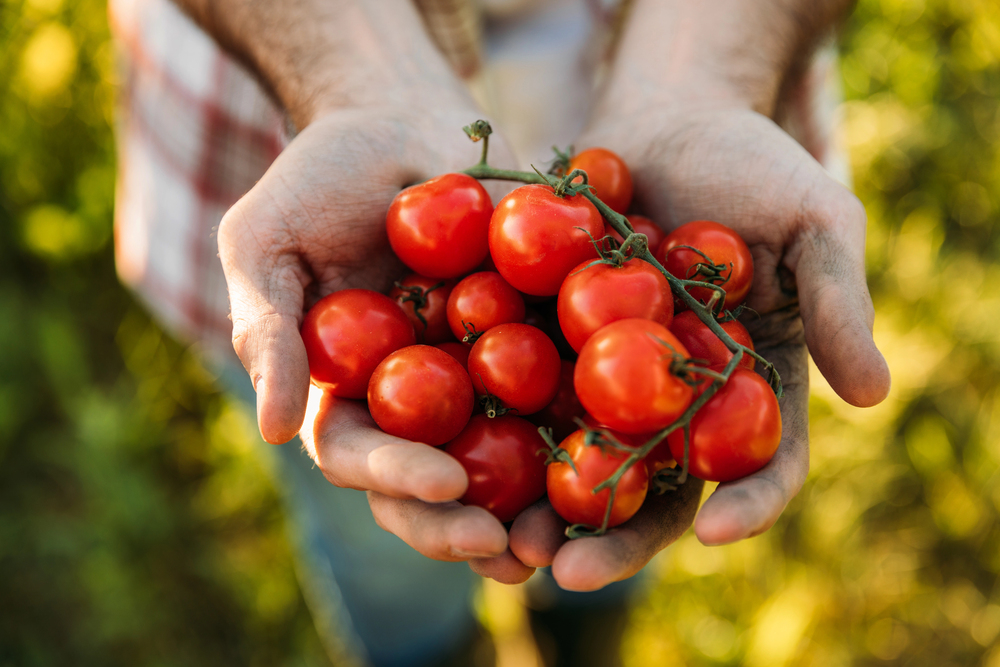
Successful tomato growing doesn’t hinge on one secret trick, but on a set of simple choices that make sense from sowing to harvest. When you pick the right variety and give plants light, space, nutrients, support, and consistent moisture, you greatly increase your chances of a heavy crop. And that is the best route to tomatoes that are not only beautiful, but above all genuinely delicious.
Source: Garden Betty, Gardening Know How, Pestrá zahrada, Pestrazahrada.cz

A lover of nature, gardens, and everything that moves, blooms, or grows. He literally grows everything, from herbs to rare species, and he enjoys caring for animals just as much. In his work, he connects modern technology with tried-and-tested grandmotherly methods and is happy when both paths lead to the same goal.
Related articles

Why Isn’t Your Poinsettia Turning Colour
Poinsettias can be kept for another season, but poor handling in the cold and too much light in autumn often stop the bracts from colouring up. Learn how to choose a healthy plant, care for it through winter, and trigger colour again next year.
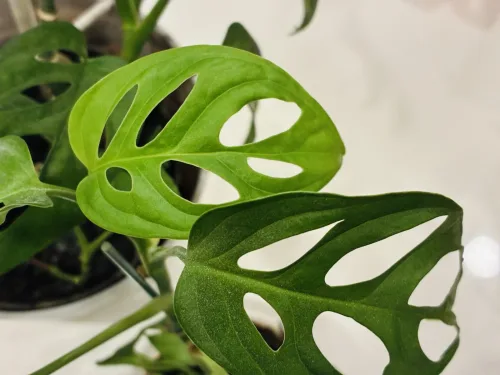
Brown Tips on Monstera Leaves Reveal the Winter Problem Plaguing Most Homes
Brown leaf tips on Monstera adansonii are most often a sign of dry indoor air in winter. With the right light, watering routine and a more humid microclimate, Monkey Leaf stays lush and grows quickly.
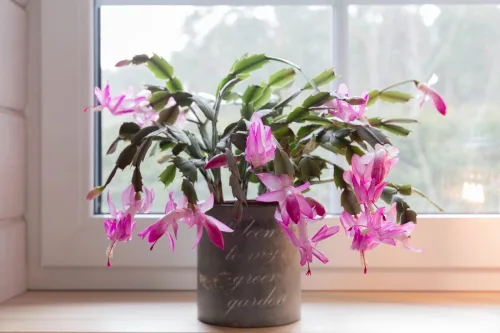
How to Prepare a Christmas Cactus in November for Spectacular Winter Blooms
November is the key month for setting buds on a Christmas cactus. With long, uninterrupted nights, cooler temperatures, and steady watering, you can encourage reliable winter flowering.
Comments (0)
Be the first to comment.