
 English
 Polski
 Deutsch
 Nederlands
 Svenska
 Norsk
 Dansk
 Français
 Italiano
 Español
 Português
 Slovenčina
 Suomi
 Gaeilge
The Invasive Ladybird That Bites Has Settled in the Czech Republic Prevention Is Easier Than You Think
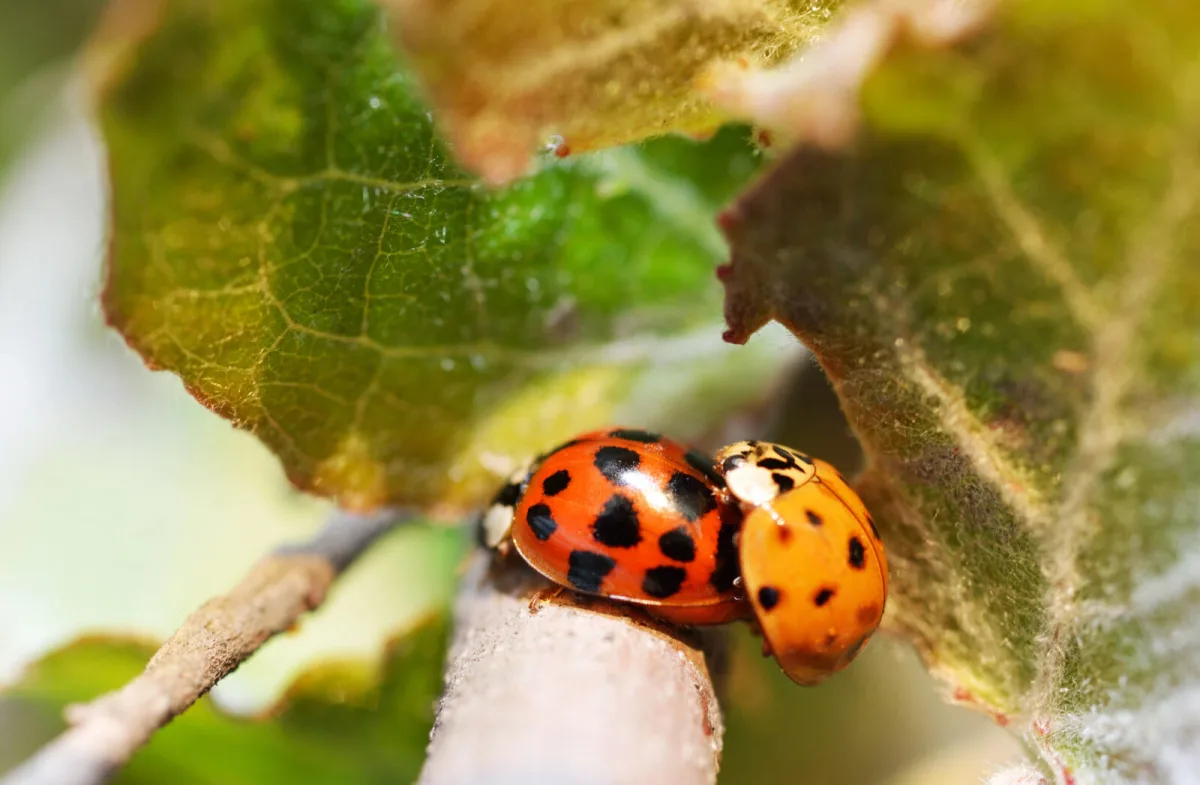
Ladybirds have long been seen as helpful, charming insects that keep the garden in balance. In recent years, however, a species has been appearing more and more often that changes that picture. The harlequin ladybird, also known as the Asian lady beetle, is spreading quickly here, making its way into homes and causing problems for people as well as for native insect species.
It was originally brought to Europe as a biological helper to control aphids. It soon became clear, though, that it is exceptionally adaptable, tough and also more aggressive than our native seven-spot ladybird. That is why it now poses an issue not only for nature, but often for households too.
How to recognise the Asian lady beetle
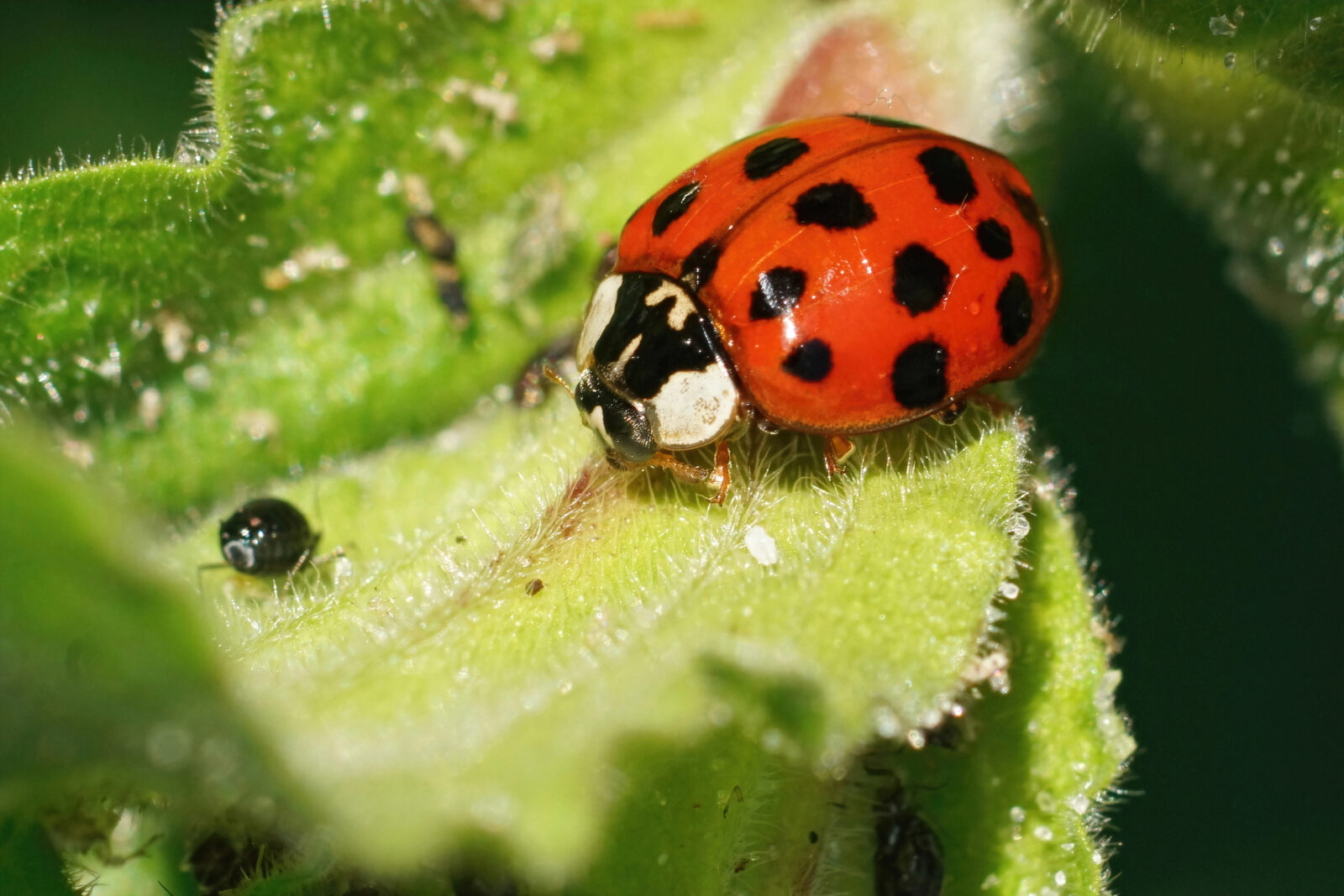
At first glance it can be tricky to tell apart, because the Asian lady beetle is highly variable. While the seven-spot ladybird typically has bright red wing cases with exactly seven black spots, the invasive species comes in many forms. You may see individuals that are orange, red, yellowish or almost black. They can have many spots, just a few, or none at all.
Another key feature is the irregular patterning. The spots on Asian lady beetles are often different sizes, uneven and sometimes merge into larger dark blotches. Their behaviour is also distinctive. They commonly gather in large numbers, especially in autumn when looking for shelter. Unlike our familiar ladybirds, they can also bite.
Why they are a problem for nature
The Asian lady beetle was introduced to tackle pests, especially aphids. In that respect it is genuinely very effective. But its impact does not end there. Both larvae and adults are predatory, and when food is scarce they will attack other ladybird species as well. This is how they gradually displace native inhabitants of our landscape.
This spread disrupts natural relationships within the ecosystem and reduces biodiversity. In other words, a species meant to help has become a competitor that takes over space at the expense of native species. That is its main danger.
Why they fly into flats and houses
As cooler weather arrives, Asian lady beetles look for a place to overwinter. They are drawn to warm, dry spaces, which is why they move close to human homes. They like window frames, cracks in the facade, gaps around doors and places that get sun during the day.
Once they find a suitable hiding place, they can turn up in very large numbers. That is why people sometimes notice what feels like a literal invasion on windows, balconies or exterior walls. Indoors they are unpleasant, crawling over walls and leaving marks behind.
Are they dangerous to people
They do not pose a serious health risk to people, but they are not completely harmless. When they feel threatened, they may bite. The bite can be painful, but it is usually not dangerous. In more sensitive individuals, redness, itching or local swelling can occur.
Another nuisance is the yellow defensive fluid they release when stressed. It has a strong odour, can stain textiles and surfaces, and on sensitive skin it may sometimes cause irritation.
How to get rid of them effectively
Prevention is the most important step. It is worth carefully checking windows, doors, joints and cracks that insects could use to get inside. Good-quality weatherstripping and window screens help, and they should be checked regularly. Natural repellents can also have an effect, for example the scent of lavender, mint or citronella.
If ladybirds have already appeared indoors, it is best to remove them mechanically. With small numbers, a jar and a piece of paper are enough to move them without direct contact. For larger numbers, a vacuum cleaner can help, but it needs to be emptied immediately outside the home. Picking them up by hand is not advisable because of the risk of being bitten and of them releasing the yellow fluid.
What to remember
The Asian lady beetle is an invasive species that differs from our seven-spot ladybird in its variable colouring, the number of spots and its noticeable tendency to gather in groups. It heads indoors mainly in autumn, when it is seeking warmth to overwinter. It is not outright dangerous to people, but it can bite and soil the surrounding area. The best defence is still thorough sealing of the house, using screens, and quick removal of any individuals that make it inside.
The sooner you prevent them from getting into the house, the easier it will be to keep your home free of an unpleasant autumn invasion.
Source: Northern Gardener, WVU Extension, The Spruce, Pestrazahrada.cz

A lover of nature, gardens, and everything that moves, blooms, or grows. He literally grows everything, from herbs to rare species, and he enjoys caring for animals just as much. In his work, he connects modern technology with tried-and-tested grandmotherly methods and is happy when both paths lead to the same goal.
Related articles
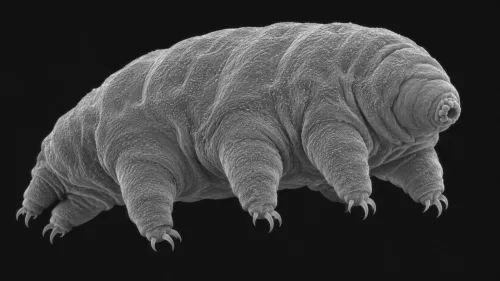
The Toughest Animal on Earth Is a Fraction of a Millimetre Long and Its Survival Trick Fascinates Even NASA Scientists
Tardigrades are microscopic invertebrates famed for surviving conditions that would kill most life. Their ability to shut down into a near-lifeless state has intrigued scientists on Earth and in space research alike.

Cutting Away the Green on Potatoes Isn’t Enough Experts Warn Hidden Compounds Can Linger Elsewhere
Green patches on potatoes aren’t just a cosmetic issue: light exposure can raise levels of natural toxins such as solanine and chaconine. Learn when to discard tubers and how to store potatoes so they keep well and stay safe.

The herb that smells of lemon and helps you drift off to sleep: you’ll love lemon verbena after the first rub of a leaf
Lemon verbena wins you over with its clean, lemony fragrance and a soothing herbal tea that many people enjoy in the evening. Its leaves are also surprisingly versatile in the kitchen, from desserts to refreshing drinks.
Comments (0)
Be the first to comment.