
 English
 Polski
 Deutsch
 Nederlands
 Svenska
 Norsk
 Dansk
 Français
 Italiano
 Español
 Português
 Slovenčina
 Suomi
 Gaeilge
The Prettiest Fall Window Boxes Don’t Rely on Just One Flower
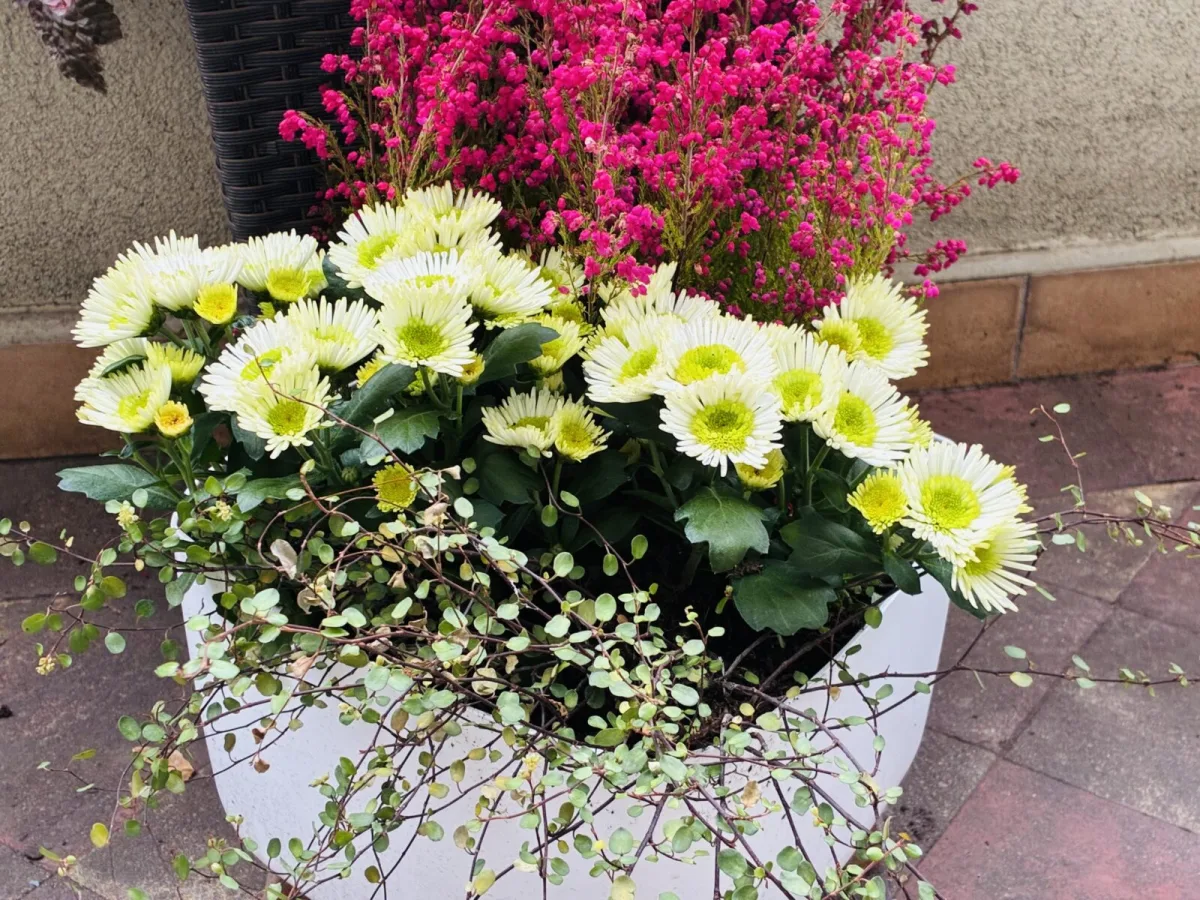
Fall decorating for window boxes and outdoor containers doesn’t have to rely only on classic mums. There are plenty of other plants and finishing touches that can make the result more varied, more interesting, and still suitable right through the period around Thanksgiving. If you wait to plant your fall containers until the end of September, that makes the most sense in areas where warm days still show up in early October. Weather has a major impact on how well plants will actually perform in window boxes.
When planting outdoor containers, it pays to stick with the proven filler, spiller, and thriller principle. That means combining plants that bulk out the arrangement, plants that trail over the edge, and those that add height or a bold focal point. This simple approach works beautifully not only in large pots, but also in window boxes.
The foundation of success is full, compact plants
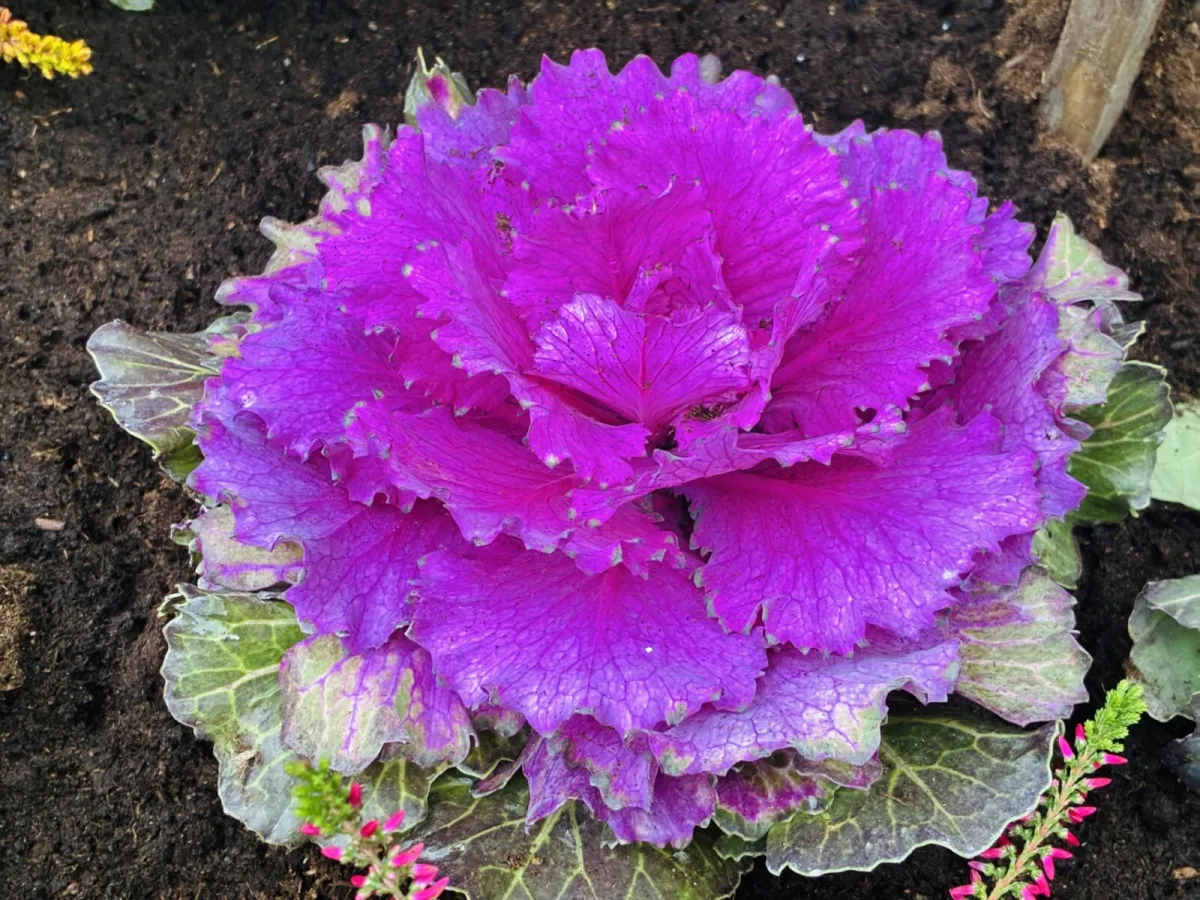
Among the most reliable fall choices are ornamental cabbage and ornamental kale. Their ruffled leaves look lush, quickly fill space, and help create a dense look even without lots of other plants. They’re also budget-friendly, because one larger plant takes up a good amount of room in a window box. Especially striking are varieties in rich greens and deep purples, which pair perfectly with the fall season.
Mums are another dependable staple. They bring the color pops containers need, from yellow through orange to burgundy or purple. In containers, though, you have to remember they dry out faster, so they need regular, thorough watering. If you want them to bloom as long as possible, it helps to deadhead spent flowers as you go.
Another beautiful option is coleus, best known for its decorative foliage. It comes in many cultivars in warm, autumnal tones and can stand in for flowers where you want to build the display around leaf texture rather than blooms.
Bold focal points and plants that add movement
In larger containers, taller ornamental grasses often take the lead. In window boxes, however, lower-growing but strongly colored plants usually work better. Ornamental peppers are an excellent choice, bringing energy, contrast, and an unusual texture to the planting. Some varieties gradually shift in color from yellow and orange to deep purple, so the look of the window box naturally changes as the season goes on.
Peppers can even do double duty in smaller window boxes as a trailing element, if the plant is full and spreading enough. Their stems naturally arch over the edge, making the overall composition feel softer and more natural.
If you’re looking for other trailing options for the cooler part of the year, herbs such as thyme or prostrate rosemary can work well. Ivy or fern types can be beautiful, but in some conditions they may not look as good once colder weeks arrive as they did at the end of summer.
Extra flowers and small touches that liven up a fall planting
A fall window box doesn’t have to be made up of just a few main plants. Marigolds are a great supporting act too, because they tolerate drier conditions and thrive in full sun. Violas and pansies are also a pleasant choice, since they handle lower temperatures and still offer both soft and bold color.
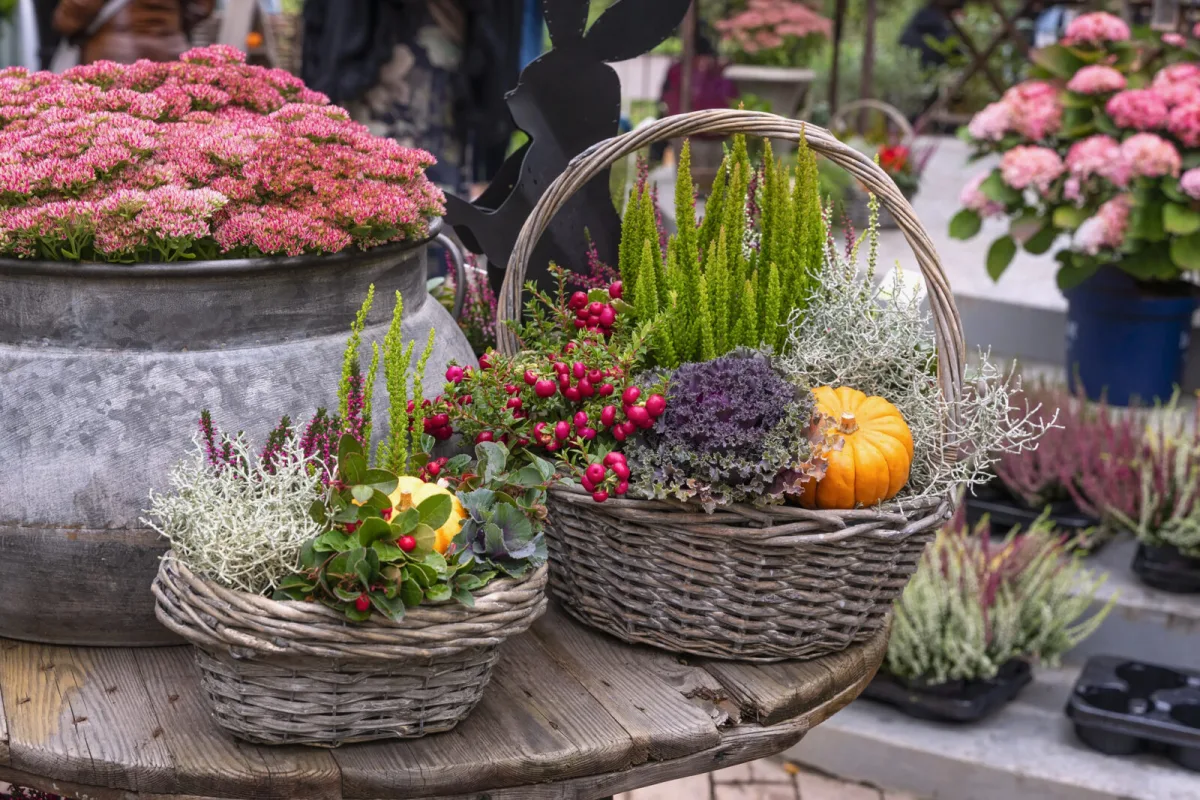
For real impact, tuck a few small ornamental pumpkins or gourds in among the plants. You don’t need many, just a handful to reinforce the seasonal mood and echo the shades of foliage and flowers. Details like these can turn even a simple planting into a standout part of your home’s fall decor.
Colors often develop gradually
Freshly planted window boxes don’t have to look perfectly full on day one. Some plants are still settling in and filling out, and others haven’t opened their flowers yet. That’s more of a benefit than a drawback. Staggered blooming means the containers stay interesting for longer, and their look keeps evolving through fall.
A well-chosen mix of ornamental kale, mums, and ornamental peppers creates a pleasing interplay of color and texture. Even if the arrangement looks restrained at first, it can become far richer and more dramatic within a few weeks.
An option for anyone who doesn’t want high-maintenance care
Not everyone finds it easy to keep seasonal plantings looking perfect over the long term. Mums in particular can be a bit sensitive, and without consistent care they quickly lose their appeal. If you’re looking for a simpler route, quality faux flowers and stems are worth considering. Today’s decorative versions can look very convincing, and in outdoor arrangements they can be surprisingly effective.
If you have a covered porch or a sheltered window, you can confidently combine live plants with faux elements. That way you get a fuller, more stable display that isn’t as dependent on the weather.
Inspiration for a more personal fall look
Fall containers can be styled in many ways. Some people rely on branches from the garden to add height and an interesting silhouette. Others prefer a generous mix of plants where the roles of filler, focal point, and spiller are clearly defined. Arrangements featuring dried hydrangea blooms can also look especially striking, adding a softer, more romantic note.
A wicker basket can be an alternative to a classic planter. It’s especially suitable where you want a softer, cozier feel on a porch or by the front door. The container material influences the overall impression almost as much as the plants themselves.
The prettiest fall window boxes usually come from combining several textures, saturated colors, and small seasonal details, not from relying on just one traditional plant.
Fall planting doesn’t have to be complicated
All it takes is choosing a few reliable plants, aiming for a balanced mix, and not being afraid to add small decorations. Ornamental kale, mums, violas, marigolds, herbs, and ornamental peppers give you plenty of options for creating a beautiful fall window box without complicated planning. And if you prefer an easy-care solution, quality faux elements, or a mix of faux and live plants, can help too.
The result can be fall decor that looks lush, natural, and stays attractive for many weeks. You simply need to choose the right plants for your conditions and give space to the colors that fall has to offer.
Source: Thrifty Decor Chick, The Spruce , Pestrazahrada.cz

A nurse by profession, she is passionate about healthy living, nature, and everything that benefits both people and the world around them. In her free time, she enjoys gardening, cooking, sewing, and caring for her family. In her articles, she loves combining professional expertise with practical experience from the garden and everyday life.
Related articles
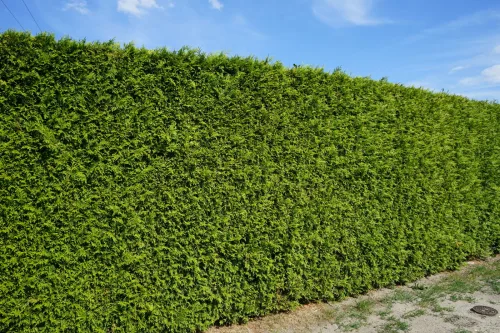
What to Plant Along a Fence Instead of Thuja
Thuja may be the default choice for screening, but it’s far from the only evergreen option. These three shrubs and trees create year-round privacy with a fresher, more distinctive look.
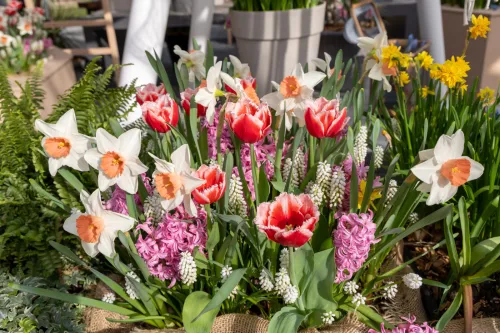
Want a Fairy-Tale Garden in Spring Do This Simple Step Before Winter
Autumn planting is the easiest way to guarantee a colourful spring garden. Plant bulbs at the right time, pair them with the right companions, and enjoy weeks of reliable bloom with minimal effort.
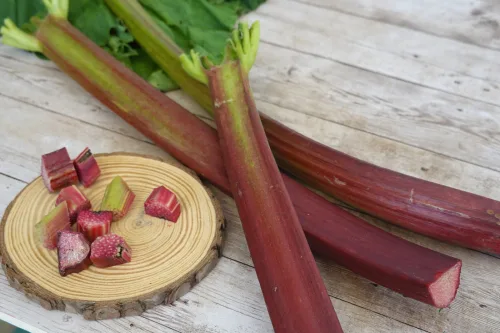
Rhubarb planted in November shrugs off the cold and is almost indestructible patience after planting is the key
Rhubarb is a remarkably hardy perennial vegetable that will crop for years with minimal fuss, even in cooler gardens. The secret is giving it space, rich moisture-retentive soil, and resisting the urge to harvest too soon.
Comments (0)
Be the first to comment.