
 English
 Polski
 Deutsch
 Nederlands
 Svenska
 Norsk
 Dansk
 Français
 Italiano
 Español
 Português
 Slovenčina
 Suomi
 Gaeilge
Cutting Away the Green on Potatoes Isn’t Enough Experts Warn Hidden Compounds Can Linger Elsewhere
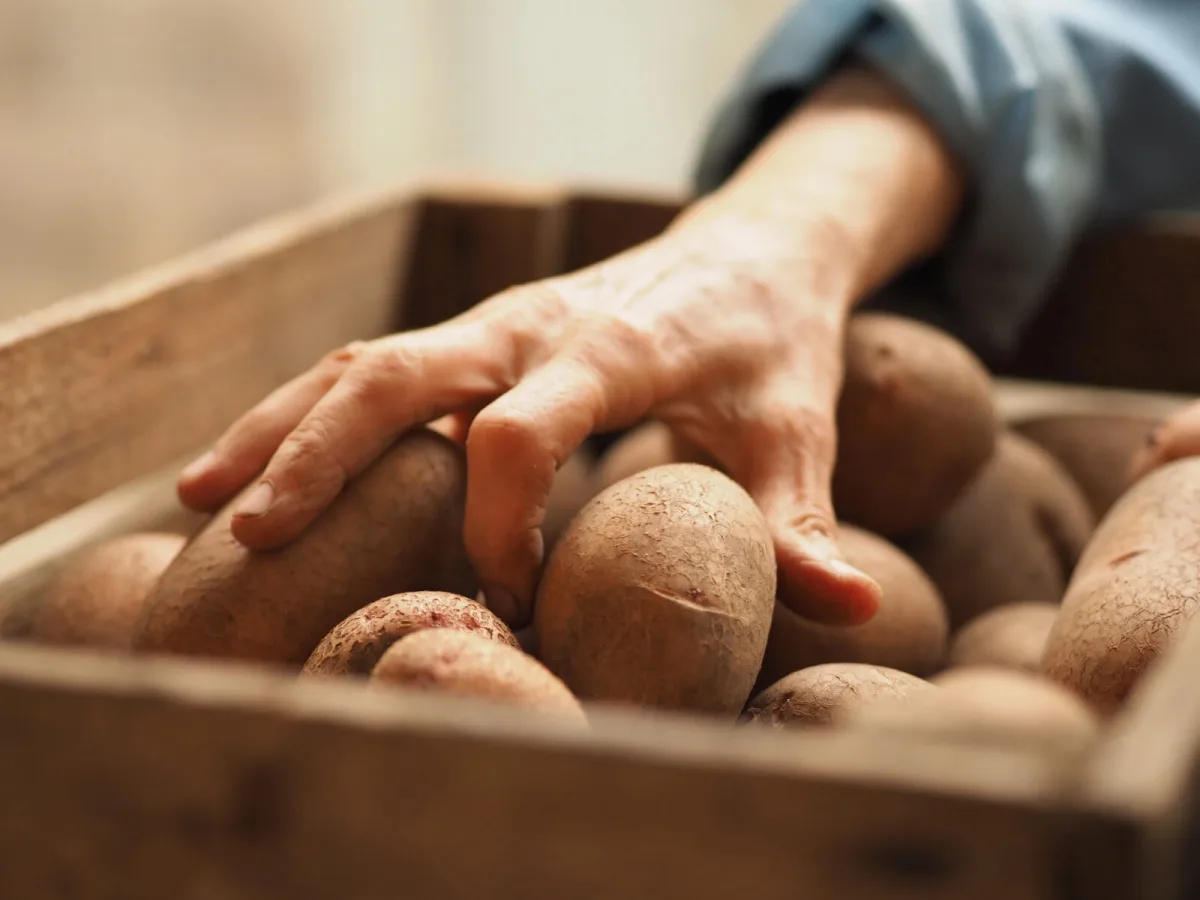
The old saying that you can get through winter on potatoes and sauerkraut didn’t come about by accident. Potatoes are among the most important staple foods and have sustained people for centuries. They’re filling, affordable, versatile in the kitchen, and with proper storage they keep for a long time. Even so, plenty of questions still swirl around them. People wonder whether green-tinged tubers are dangerous, whether cooked potatoes can be reheated, and what the best storage temperature really is.
How Europe came to accept potatoes
Potatoes originate in South America, where long before Europeans arrived the Inca cultivated them in the Andean regions of what is now Peru and Bolivia. At higher elevations where other crops struggled, potatoes were a reliable food source for both people and livestock. They didn’t just cook them in everyday ways; they also made alcohol from them and even dried them into a shelf-stable powder.
They reached Europe in the 16th century thanks to the Spanish. At first, however, they were met with suspicion and weren’t seen as an everyday food. In some places they were regarded more as a medicinal plant than something for the table. Only later—especially during crop failures and famines—did Europeans begin to understand their true value. Ireland played a major role, with potatoes helping to replace missing grain, and Prussia also, where the state actively promoted their cultivation.
Potatoes in the Czech lands and their decline
Potatoes spread into the Czech lands from Brandenburg—hence their Czech name. They caught on slowly, because people initially didn’t trust them. The turning point came during major crop failures in the 18th century, when it became clear this crop could significantly help prevent hunger. That’s when potatoes began to be grown on a larger scale and became a regular part of the diet.
For a long time, the Czech Republic had a reputation as an important potato-growing country. Today, however, the area devoted to potatoes is far smaller than it used to be. Although local climate and soils are well suited, domestic production no longer comes close to covering total consumption. Per-capita consumption has also dropped to nearly half of what it once was.
Why potatoes are nutritionally valuable
Potatoes aren’t just a cheap side dish. They’re a food that provides energy while also delivering a range of important nutrients. They contain vitamin C, B vitamins, and valuable minerals—especially potassium. You’ll also find magnesium, iron, phosphorus, and other trace elements. Another big advantage is their low fat content.
Their antioxidant content is also noteworthy. Antioxidants help protect the body against damaging processes. In coloured varieties—for example those with purple flesh—the antioxidant effect can be even higher. It’s no surprise our ancestors saw potatoes as a dependable staple that made winter much easier to get through.
It’s best not to eat green-tinged tubers
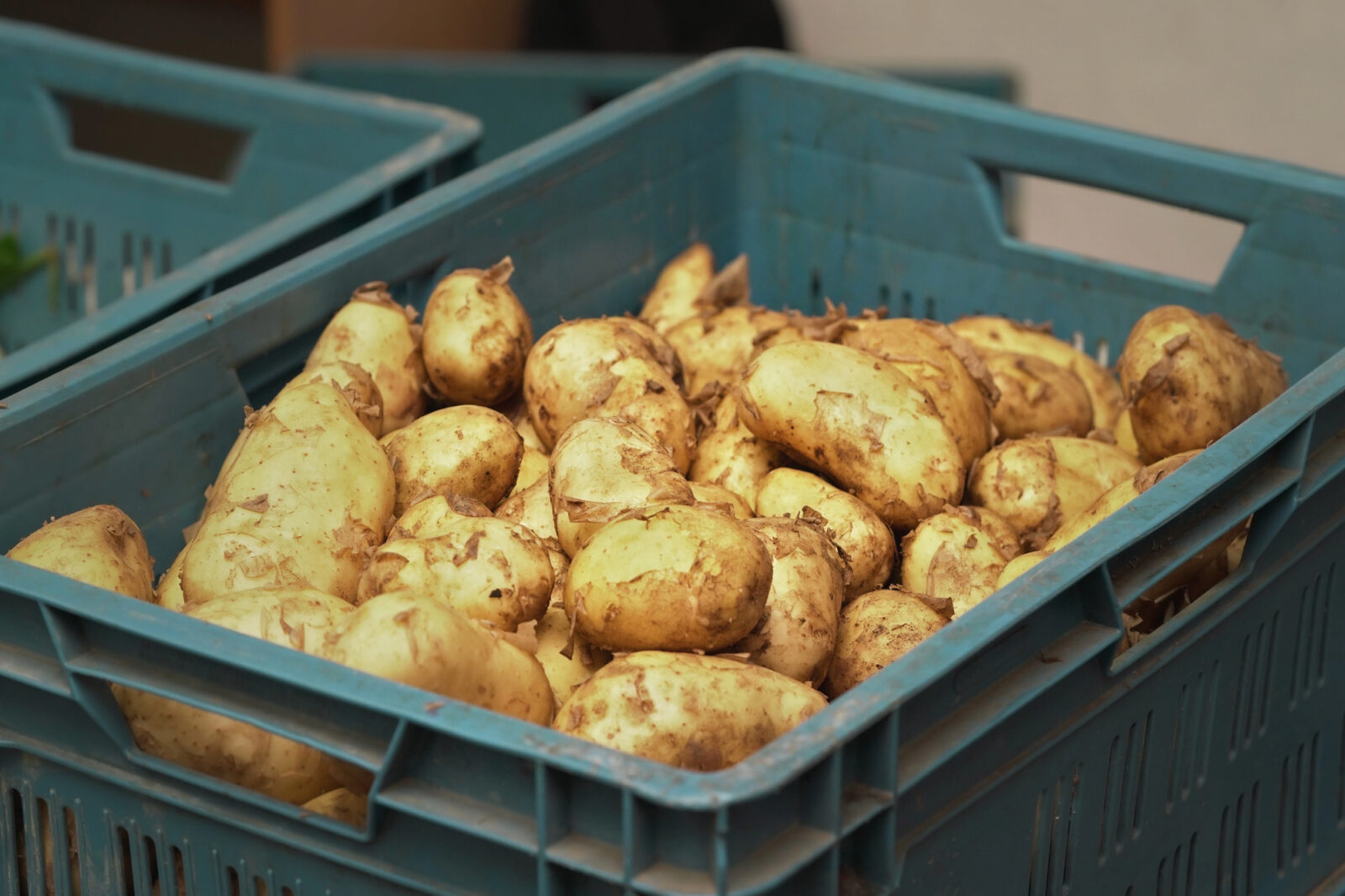
One of the most common concerns is green potatoes. When tubers are exposed to light, they start to turn green and the levels of toxic glycoalkaloids—especially solanine and chaconine—can rise. These compounds are undesirable in the human diet. So the green colour isn’t merely a cosmetic flaw.
Potatoes with green areas shouldn’t be considered safe simply because you cut the affected part away. Higher concentrations of these harmful compounds may not be confined strictly to the visibly green section. It’s much safer not to eat such tubers at all—and to store potatoes in the dark.
How to store potatoes properly
The best storage conditions are darkness and a temperature of around 4 to 5 °C. At lower temperatures potatoes tend to taste sweeter; at higher temperatures they sprout more quickly. Light and warmth are the most common reasons quality deteriorates.
Washed potatoes aren’t a problem in themselves, but unwashed tubers with a bit of soil can sometimes keep slightly longer, as the soil partly limits light exposure and slows spoilage. With washed potatoes, the advantage is that defects and damage are easier to spot.
Reheating and cooking without unnecessary losses
Cooked potatoes can be reheated the next day without worry. Reheating doesn’t create harmful substances; only the taste and texture may change. So concerns about reheating aren’t justified, provided the potatoes were stored properly.
The final flavour depends on the variety, growing conditions, and the balance of starch, sugars, and proteins. That’s why not all potatoes are the same, and each variety can be better suited to a different type of cooking.
For cooking, it’s beneficial to pour hot water over the potatoes. It shortens the cooking time and reduces the amount of valuable nutrients leached from the tubers.
Peeled potatoes and choosing the right variety
Once peeled, potatoes darken quickly, which is a natural process. Cold temperatures and limiting contact with air can help, but potatoes prepared this way are mainly meant to be used soon. Long storage without the skin doesn’t suit them.
Choosing the right variety depends on what you want the potatoes for and the conditions they’re grown in. Some are best for early harvest, others for long-term storage, and others for particular dishes. This diversity of varieties is one of the reasons potatoes hold such a firm place in the kitchen.
Source: Britannica, Poison.org, RHS, Pestrazahrada.cz

A lover of nature, gardens, and everything that moves, blooms, or grows. He literally grows everything, from herbs to rare species, and he enjoys caring for animals just as much. In his work, he connects modern technology with tried-and-tested grandmotherly methods and is happy when both paths lead to the same goal.
Related articles
The Toughest Animal on Earth Is a Fraction of a Millimetre Long and Its Survival Trick Fascinates Even NASA Scientists
Tardigrades are microscopic invertebrates famed for surviving conditions that would kill most life. Their ability to shut down into a near-lifeless state has intrigued scientists on Earth and in space research alike.
The Invasive Ladybird That Bites Has Settled in the Czech Republic Prevention Is Easier Than You Think
The harlequin ladybird (Asian lady beetle) is spreading rapidly, crowding out native species and often turning up indoors in autumn. Learn how to recognise it, why it invades homes, and the simplest prevention and removal methods.
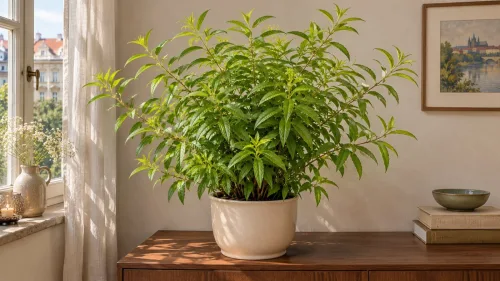
The herb that smells of lemon and helps you drift off to sleep: you’ll love lemon verbena after the first rub of a leaf
Lemon verbena wins you over with its clean, lemony fragrance and a soothing herbal tea that many people enjoy in the evening. Its leaves are also surprisingly versatile in the kitchen, from desserts to refreshing drinks.
Comments (0)
Be the first to comment.