
 English
  Polski
  Deutsch
  Nederlands
  Svenska
  Norsk
Norsk  Dansk
Dansk  Français
  Italiano
  Español
  Português
  Slovenčina
  Suomi
Suomi  Gaeilge
 Keeping Poultry Can Be Simple If You Set Things Up Smartly
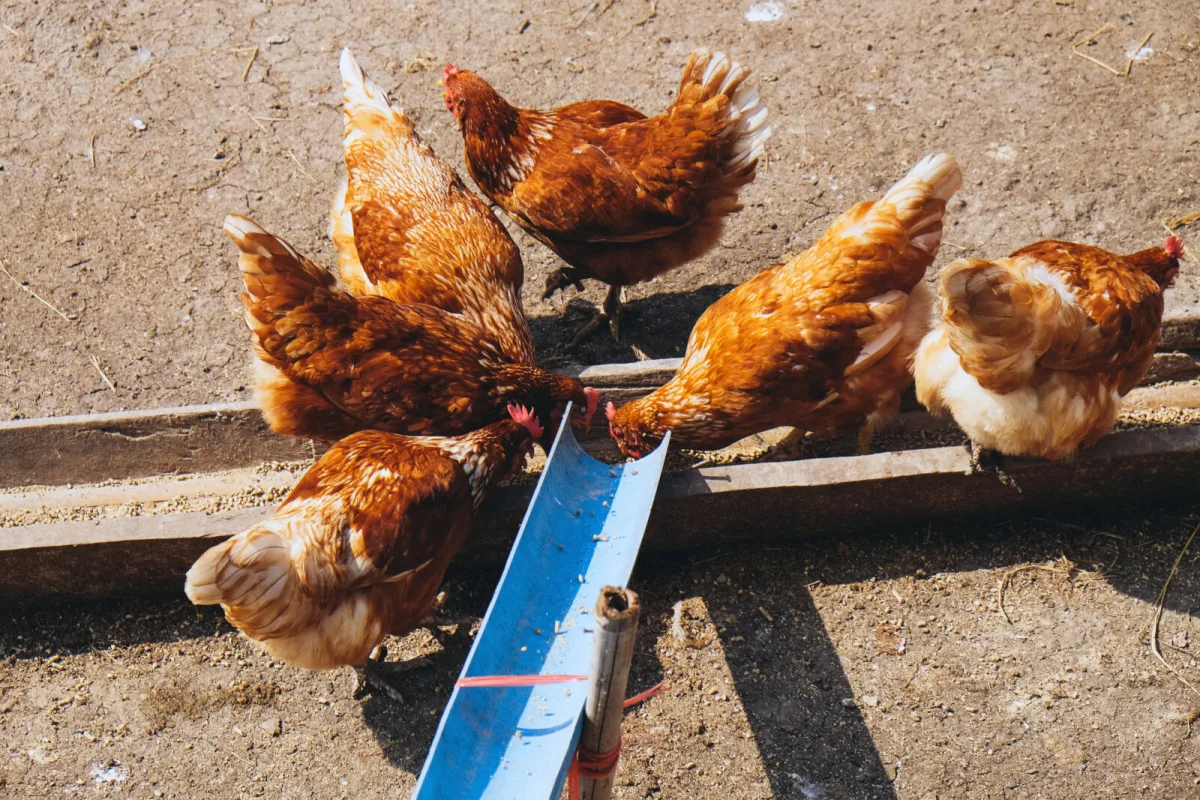
Anyone who’s ever kept hens, ducks or geese knows it’s not just about collecting eggs. Every day you need to check the water, top up feed, clean dirty spots, secure the run, and sometimes figure out how to protect the garden from scratched beds and droppings. The good news is that plenty of handy “hacks” can be made from everyday materials you already have at home. You’ll save time, improve hygiene, and often reduce feed waste.
The biggest time-saver in poultry keeping comes when you don’t have to carry water several times a day, sweep up scattered grain and patch up escapes from the run.
A run without a wrecked garden: tunnels and mobile structures
The basic issue with poultry is that if they have free access to the whole plot, they can turn a lawn into bare soil and beds into scratched-up heaps in just a few days. The solution is a run that gives birds space to move while keeping them away from sensitive areas. Practical mesh tunnels that run through the garden like a corridor work brilliantly. The birds have plenty to explore, and you don’t have to worry about your vegetable beds.
You can easily make the tunnel frame from PVC pipes, old metal hoops or wooden battens. The key is anchoring the mesh well to the ground so hens can’t dig under the edge or squeeze through a gap. At the entrance, treat yourself to some comfort and plan a door so you can get in with a shovel and a bucket of bedding.
Retired garden structures are often a great source of material. The frame of an old trampoline or swing set, covered with fine mesh, can become a quick, sturdy and easy-to-check run. If you add a simple roof, you’ll protect poultry from harsh sun and sudden downpours, and you’ll also reduce the risk of attacks from above by birds of prey.
Water without constant refilling: a smart drinker from a barrel or a bottle
Fresh water is absolutely essential. Yet water is often the main reason people end up visiting the coop more often than they’d like. An automatic drinker based on a simple air-pressure balance principle helps. In practice, this means water flows from the container only until the level in the tray blocks air from getting in, and the flow stops. Once the birds drink, the level drops and the drinker refills.
For a larger flock, a water barrel fitted with PVC pipe and connectors works well. For a smaller number of hens, or as a temporary solution, an ordinary plastic bottle will do. The advantage is quick assembly and the option to set up several watering points so weaker birds aren’t pushed away from the water.
Don’t forget to position the drinker so the birds can’t scratch bedding into it. If you set it a little higher, you’ll reduce the amount of dirt in the water and save time on scrubbing it out.
A coop and perches for good ventilation and easy cleaning
A coop doesn’t have to be an expensive build. A dry shed or shelter that doesn’t leak and allows ventilation is often enough. In summer, airflow is crucial, because overheating can happen quickly and is dangerous. In winter, you’ll appreciate shelter from the wind without draughts, but still with a minimum of air exchange.
Perches are surprisingly easy to make. A practical option is a log with branches arranged like a star, creating several “tiered” roosting spots. If you have a tall run, you can set a post in the centre and attach small wooden platforms to it. Always place metal parts so the birds don’t touch them; in frost and in heat they can cause injuries. Plan spacing according to the breed so hens aren’t squashed on the perch and aren’t brushing each other with their tails.
Nesting spots and dust baths from tyres: fast to make and almost free
Old tyres have surprisingly wide use in poultry keeping. Two tyres stacked together make a stable “tube” that you can cut an entrance into, then add a simple plywood roof on top. You’ll get a nest that holds its shape well and is easy to clean.
Even more useful is a dust bath. Dust bathing helps poultry keep their feathers in good condition and naturally limits some parasites. Place the tyre under cover and fill it with a mix of wood ash, dry sand and fine soil. When the dust bath stays dry, the birds will use it often and you’ll have fewer issues with poor feather quality and irritated skin.
Feeders that save feed and your nerves
Scattered feed is one of the biggest hidden losses. Grain in the bedding attracts rodents and increases mess. A feeder that limits scratching and contamination helps. A very effective option is a closable treadle feeder that the hens open with their own weight. Birds learn quickly and usually figure out how to access the feed. You get a cleaner feeding area and lower consumption.
A simpler DIY option can be made from a large-diameter pipe. Cap the ends and drill holes in the side for the birds to peck from. A plastic gutter downpipe can be used in a similar way; it’s just worth adding a base so the feeder stays stable. Another practical version is a plastic storage box with a lid, fitted with elbows large enough for a hen’s head to pass through comfortably. The feed stays protected inside, and you refill it by opening the lid once.
Ducks and geese: a safe run and water without unnecessary work
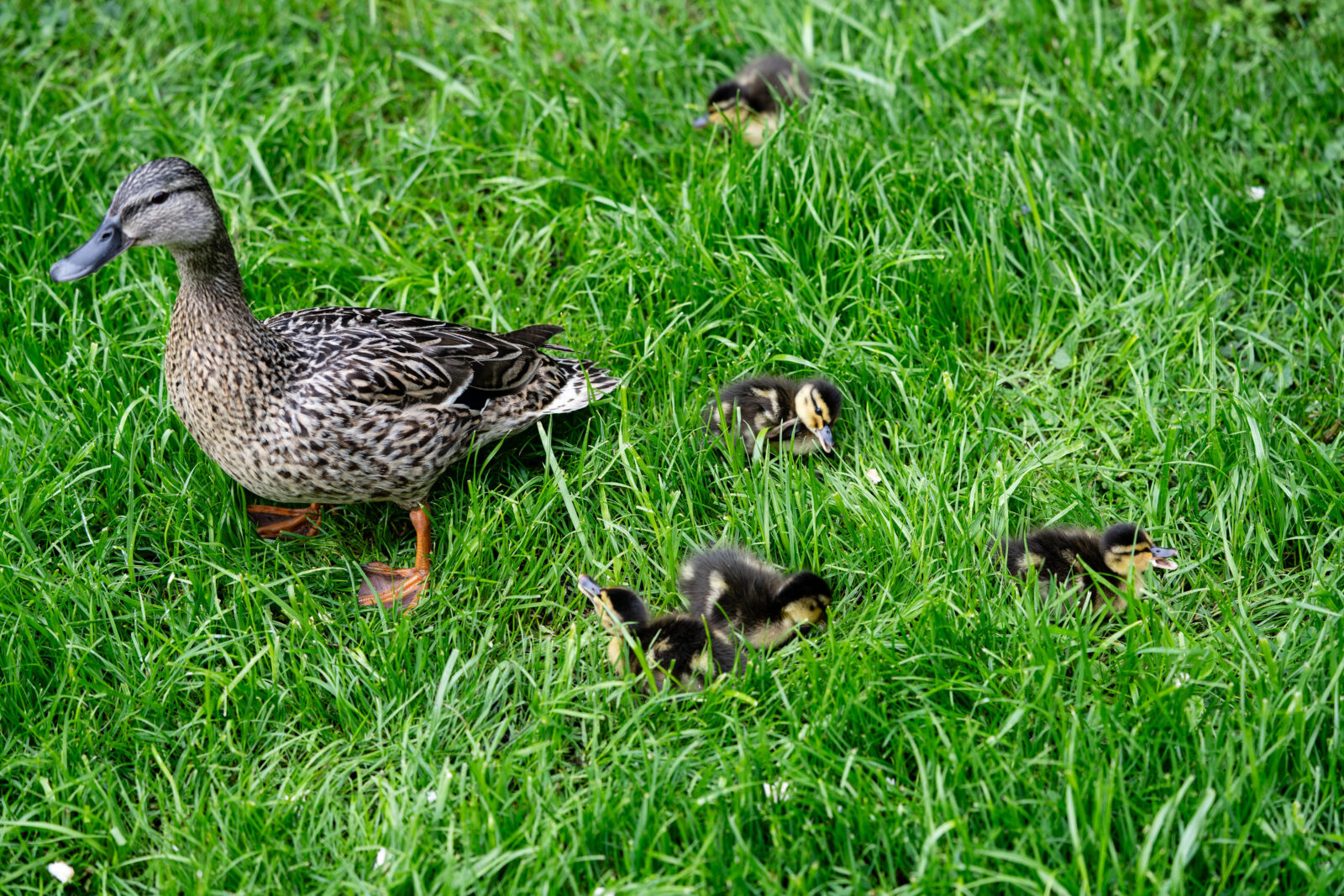
Ducks usually handle cold well, but they still need a dry place to rest and, above all, a secure run. With waterfowl, it’s important to prevent contact with wild birds that can carry disease. Fine mesh on an aviary-style enclosure is therefore a sensible investment in peace of mind and flock health.
For ducklings and goslings, a smaller, securely closable space is ideal, where you can count them easily and check on them quickly. You can build the structure from a polytunnel frame or simple timber battens. Keep in mind that cleaning needs to be quick; a good door and easy access matter more than a perfect finish.
Ducks love water, but a pond doesn’t have to mean a lot of digging. An old metal bathtub set into the ground, or simply placed on level ground, works very well. If you edge it with stones, you’ll create a more natural rim and make it easier for ducks to get in. A simple wooden ramp made from a round log will help them get out of the water too. You can make the area prettier with plants—just choose ones that aren’t toxic to poultry and don’t tempt them into constant grazing.
Small changes that add up to major time savings
The best improvements are the ones that work every day without you being there. A tunnel run protects the garden, an automatic drinker reduces checks, a feeder limits waste, and a dust bath improves feather condition. When you combine these small upgrades, poultry keeping starts to feel less like a daily rush and more like a pleasant routine that brings both enjoyment and benefit.
Source: British Hen Wallfare, Chicken BackYard, Pestrazahrada.cz

A lover of nature, gardens, and everything that moves, blooms, or grows. He literally grows everything, from herbs to rare species, and he enjoys caring for animals just as much. In his work, he connects modern technology with tried-and-tested grandmotherly methods and is happy when both paths lead to the same goal.
Related articles
How to Choose a Chicken Feeder That Keeps Feed Dry, Clean and Pest-Free
A good chicken feeder should keep feed dry, reduce waste, and make access difficult for rats and wild birds. The right design and placement can save money and keep your coop cleaner year-round.
How to Feed Laying Hens So They Stay Healthy, Lay Steady All Year and Produce Strong Shells
A well-balanced diet is the key to healthy hens, strong eggshells and consistent laying. Learn what to feed, what to top up, and what to avoid through the seasons.
Which vegetables can chickens safely eat every day
Vegetables make a brilliant daily treat for chickens, adding moisture, fibre and valuable vitamins. The key is to use them as a supplement to a balanced complete feed, not a replacement.
Comments (0)
Be the first to comment.