
 English
  Polski
  Deutsch
  Nederlands
  Svenska
  Norsk
Norsk  Dansk
Dansk  Français
  Italiano
  Español
  Português
  Slovenčina
  Suomi
Suomi  Gaeilge
 June Fruit Tree Care That Determines Crop Size and Flavour
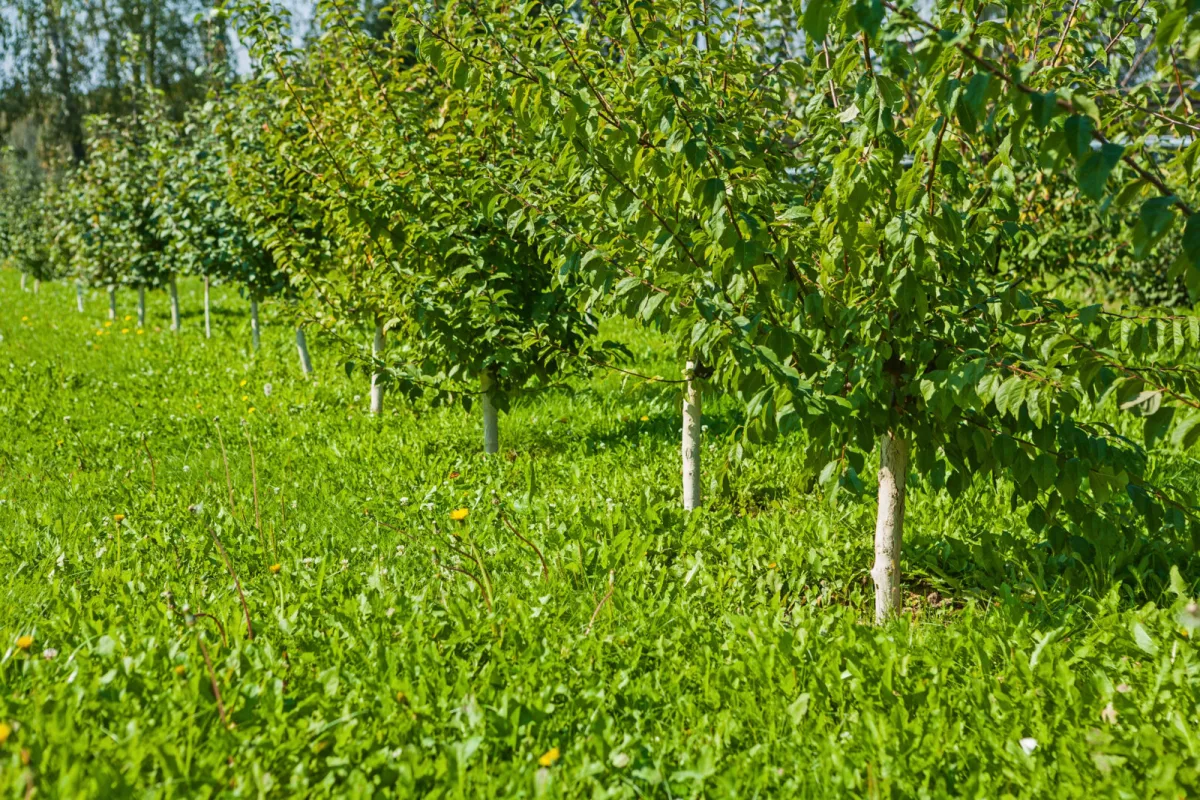
June is one of the most crucial months of the year for fruit trees. At this time, trees put on rapid growth, finish shaping the canopy, nourish young fruit and, at the same time, build strength for the season ahead. If you neglect something in June, it often shows up in two ways: this year’s crop may be smaller or poorer in quality, and the tree may be weakened for years to come. Regular care isn’t pointless extra work, but an investment in stability, health and reliable fruiting.
Watering is the foundation for fruit size
Water is key for fruit trees in June, especially in dry, warm weather. If roots come under prolonged drought stress, the tree may drop some of the fruit, or the fruit will stay small and colour up poorly. Deep watering matters most, because it encourages deeper rooting and helps the tree cope better with weather swings.
Water less often but thoroughly, typically once or twice a week depending on your soil and temperatures. The water should soak down to the roots, not sit on the surface. The best time is morning or evening, when moisture doesn’t evaporate as quickly and the leaves aren’t exposed to harsh sun.
Mulching holds moisture and improves the soil
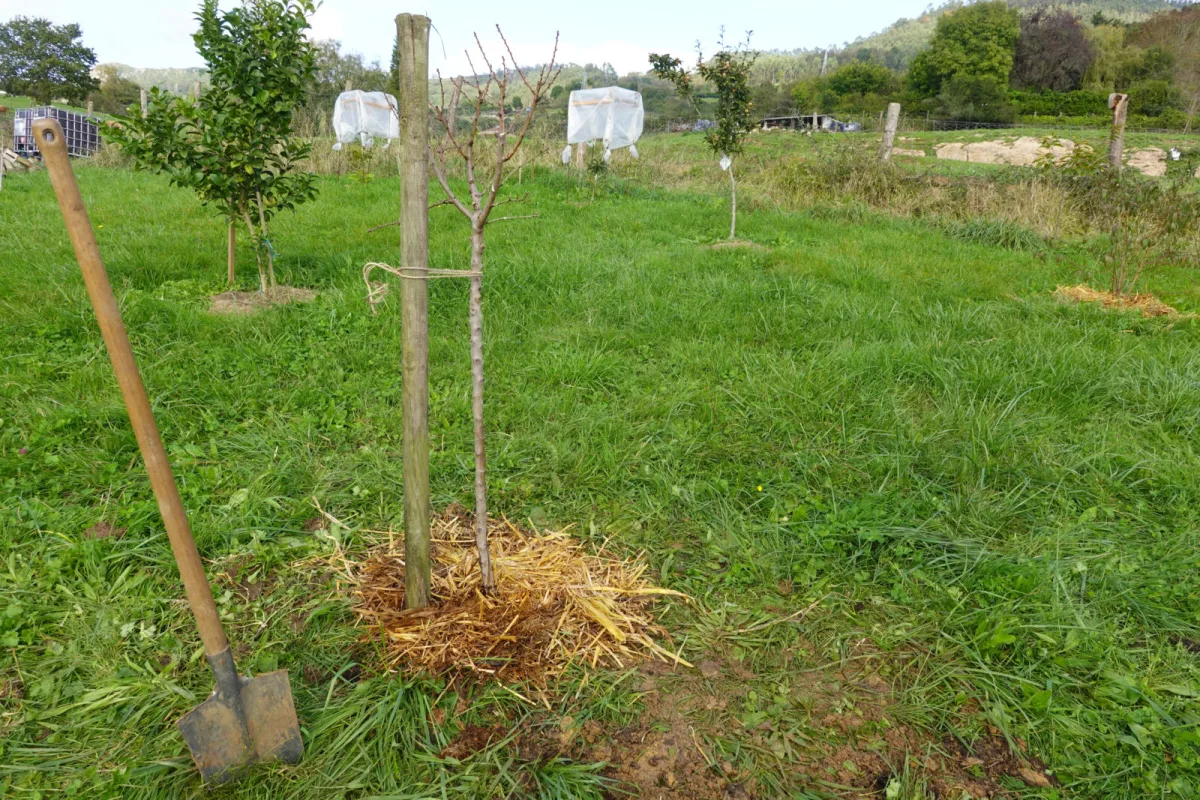
A layer of mulch around the tree acts as a simple but very effective safeguard against drying out. It also suppresses weeds that would compete with the tree for water and nutrients, and as it breaks down it enriches the soil. Ideally, create a continuous layer about 5 to 10 cm deep.
You can use grass clippings, wood chips, bark or well-rotted compost. The key rule is not to let mulch sit tight against the trunk. Leave a clear ring around the trunk about 10 cm wide so the bark isn’t kept damp for long periods, reducing the risk of rot or trunk damage.
June feeding for better fruit quality
During fruit set and fruit growth, it’s worth topping up nutrients with a second feed of the season. At this stage, the tree responds well to nutrients that support tissue ripening and fruit quality. From a practical standpoint, potassium and phosphorus are often the most important, because they influence size, flavour, colour and overall ripeness.
You can choose a balanced fertiliser with a higher proportion of potassium, or organic sources such as compost or well-rotted manure. Work the fertiliser into the soil around the drip line and then water thoroughly so the nutrients reach the root zone. If the soil is very dry, it makes sense to water first and fertilise afterwards to avoid unnecessary stress on the roots.
Fruit thinning improves size and flavour
Many trees naturally drop some of their young fruit in June. However, if there are still too many fruits after this natural drop, hand thinning is well worth doing. The tree won’t waste energy on an overload of fruit that would never reach full quality anyway, and the result is usually a larger, sweeter, more even harvest. It also reduces the risk of biennial bearing, when a tree crops heavily one year and rests the next.
When thinning, remove primarily damaged, misshapen, very small fruit or fruit that is crowding clusters. For stone fruit, it works well to leave about 10 to 15 cm between fruits; for pome fruit, roughly 15 to 20 cm. Airflow matters too, so fruit dries faster after rain and is less prone to disease.
Timely checks for pests and disease can save the crop
June is also the period when pests and fungal diseases develop quickly. Regular inspection of leaves, new shoots and young fruit is essential. If you check trees routinely, you can act at the first signs and avoid a much more demanding problem later.
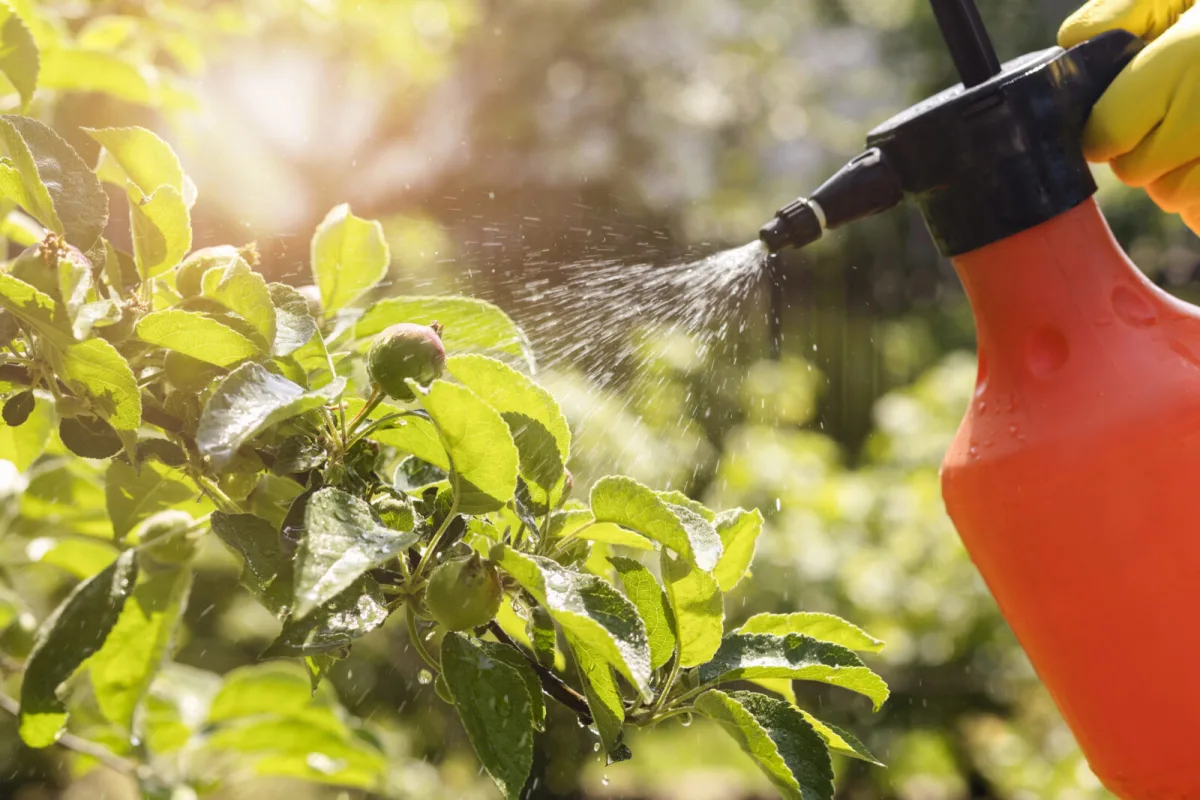
Aphids and scale insects are common, as are apple scab and powdery mildew. It’s best to prioritise gentler approaches, such as eco-friendly sprays or biological products. Improving canopy airflow and removing heavily affected parts also helps prevent the issue from spreading.
Light summer pruning on young trees
On trees up to about five years old, you can do a light summer prune in June. The goal is to guide the canopy into the right shape and prevent unnecessary crowding. Typically you remove so-called water shoots, meaning vigorous upright growth, along with crossing branches and shoots growing into the centre of the canopy. The tree is then better lit, develops more fruiting wood and the fruit gets more light.
Summer pruning should be gentle and focused mainly on green, young shoots. It’s better to leave large pruning wounds for winter, when the tree is dormant and structural work on the canopy is safer and easier to assess.
Care of the trunk and shoots from the roots
In June, it pays to check trunks and main scaffold branches. If you see shoots growing directly from the trunk or from the roots, remove them as early as possible. These shoots weaken the tree unnecessarily because they take water and nutrients and often spoil the shape of the canopy.
On young trees, also check the stake and ties. The material must not cut into the bark, as that creates wounds that can become entry points for disease. The support should be stable, but not so rigid that the tree can’t move naturally a little in the wind.
Picking early varieties without unnecessary losses
In June, the first early cherries begin to ripen, and sometimes apricots and peaches too, depending on location and variety. Harvest when the fruit has its typical colour and flavour and detaches easily from the spur or stem. Picking little and often at shorter intervals is helpful, because overripe fruit attracts wasps and can also become a hotspot for rot and other fungal problems.
Supports for branches overloaded with fruit
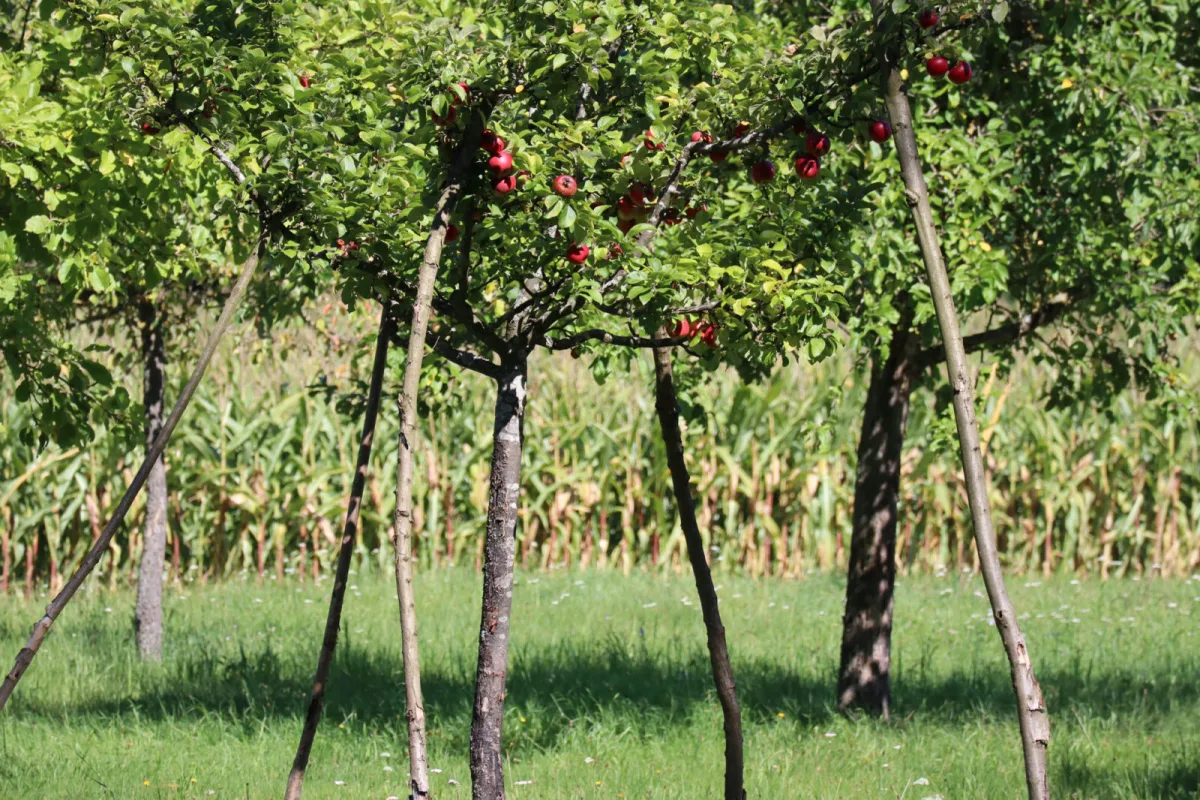
When branches are heavily laden with fruit, they can split or break completely, which is a major setback for the tree. Propping them up in time is an easy way to prevent damage. You can use wooden or metal supports, ideally with a soft pad where they contact the branch so the bark isn’t scraped.
An alternative is to tie heavy branches to sturdier parts of the canopy or to the trunk using soft straps that won’t bite in. Hard twine or wire isn’t suitable, because it can damage the bark and create wounds.
A June routine that pays back in autumn
Those who water regularly in June, maintain mulch, feed sensibly, thin fruit and monitor tree health usually harvest a visibly better crop. Acting in time is just as important, because pests and diseases spread quickly in warm weather. June care isn’t only about this year’s fruit, but also about the long-term vitality of the trees and how reliably they will crop in the years ahead.
Source: Real English Fruit, Epic Gardening, Pestrazahrada.cz
Related articles
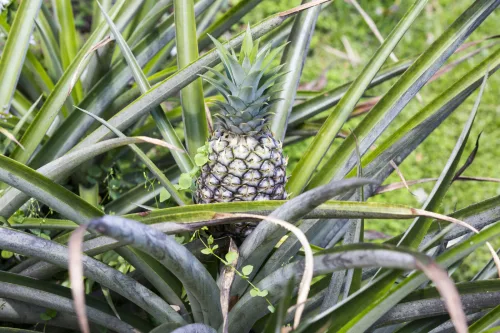
A Pineapple Top Will Root in Two Weeks, but Success Depends on the Step Most People Skip
Don’t throw away the leafy crown when you cut a pineapple. With the right prep, light, warmth and careful watering, you can root it and grow a houseplant that may eventually fruit.
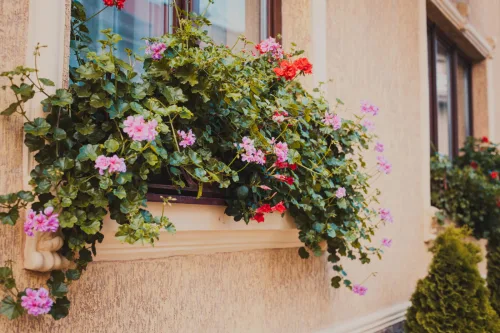
Overwintering Geraniums in a Box Ensures Stronger Growth and More Abundant Spring Bloom
Many people throw balcony geraniums away after the season, even though they can overwinter very well. Stored correctly in a box in cool, dark, dry conditions, they’ll come back stronger and flower generously in spring.
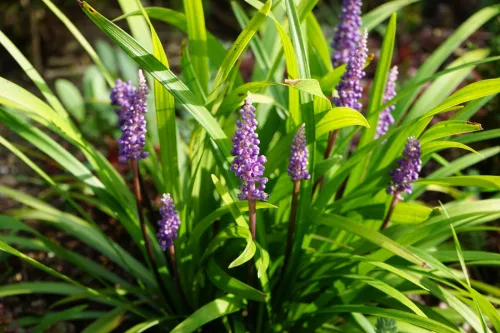
This perennial flowers when others are finishing, thrives in shade and is still little known in the Czech Republic
Liriope is a tough, evergreen perennial with grassy foliage that comes into its own at the end of summer, when many other plants are fading. It thrives in partial shade to shade, needs little care, and adds structure to borders year-round.
Comments (0)
Be the first to comment.