
 English
  Polski
  Deutsch
  Nederlands
  Svenska
  Norsk
Norsk  Dansk
Dansk  Français
  Italiano
  Español
  Português
  Slovenčina
  Suomi
Suomi  Gaeilge
 Are Hydrangeas on the Way Out Experts Say What to Plant Instead
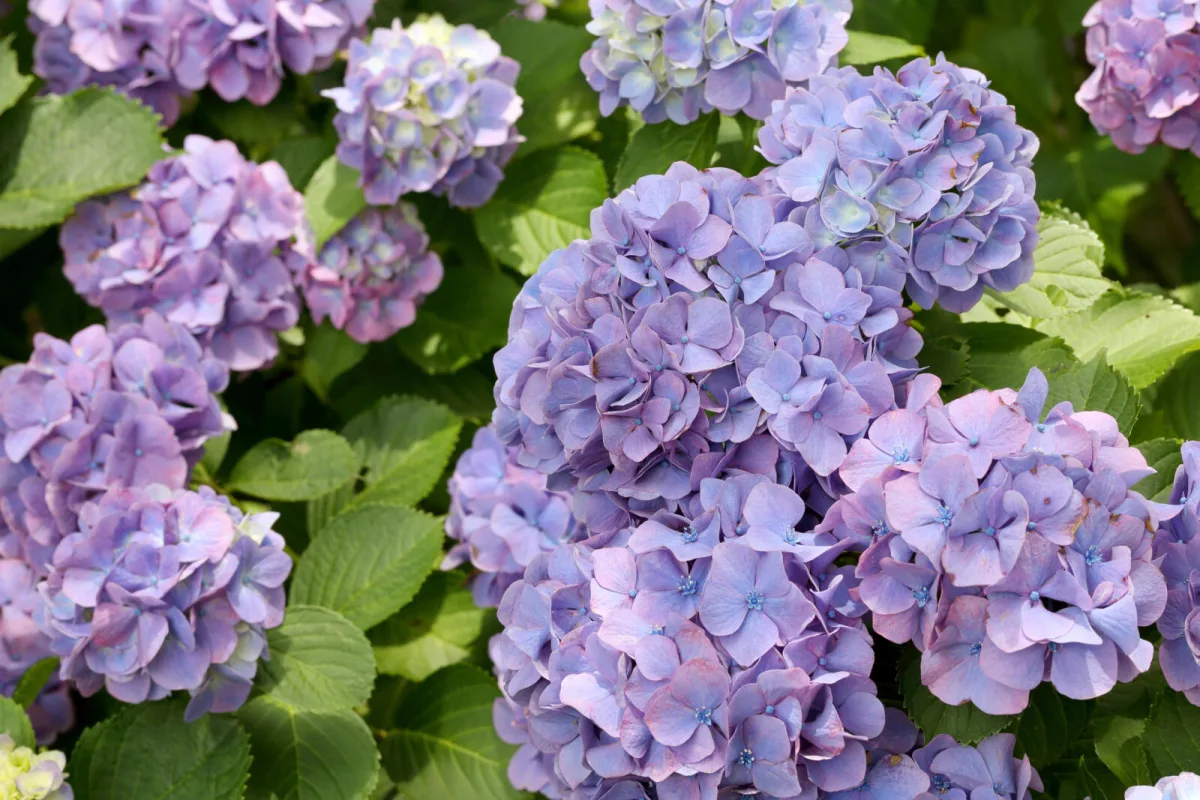
Hydrangeas have a reputation as ornamental shrubs that charm at first sight with their large, rounded flower heads. That’s exactly why they’re often given as gifts, and many people try growing them in the garden too. But reality can be harsher than expectations. Plenty of plants weaken after the first season, set flowers poorly or get frost-damaged—sometimes drought finishes them off. Experts aren’t saying hydrangeas should disappear from gardens; rather, they point out that growing them here will keep getting more demanding, and it pays to think about alternatives as well.
The weather is unpredictable, and hydrangeas pay the price
The biggest issue is weather swings. Winters can turn sharply cold, spring brings late frosts, and summer, on the other hand, delivers long heatwaves without regular rainfall. For some hydrangea types, that combination is difficult, because they need more even moisture and steadier conditions. When waterlogging alternates with dry spells, the plant struggles, the blooms get smaller, and the shrub’s overall vigour suffers.
A sensible solution that’s often mentioned is choosing modern, more resilient cultivars that cope better with drier summers and temperature extremes. With new plantings, it’s worth looking into the variety’s origin and its tolerance of heat, drought and frost, rather than grabbing the first plant that catches your eye for flower colour.
Fewer pollinators on the flowers is another argument for change
Alongside growing challenges, there’s also the ecological angle. Some hydrangeas may look showy, but they aren’t as attractive to insects as other flowering shrubs. If you want a garden that not only looks good but also supports pollinators and overall biodiversity, it makes sense to add plants that offer more nectar and pollen. That doesn’t mean writing off hydrangeas—just balancing them with shrubs that bring butterflies, bees and other beneficial species into the garden.
Guelder rose as an elegant substitute with a hydrangea-like effect
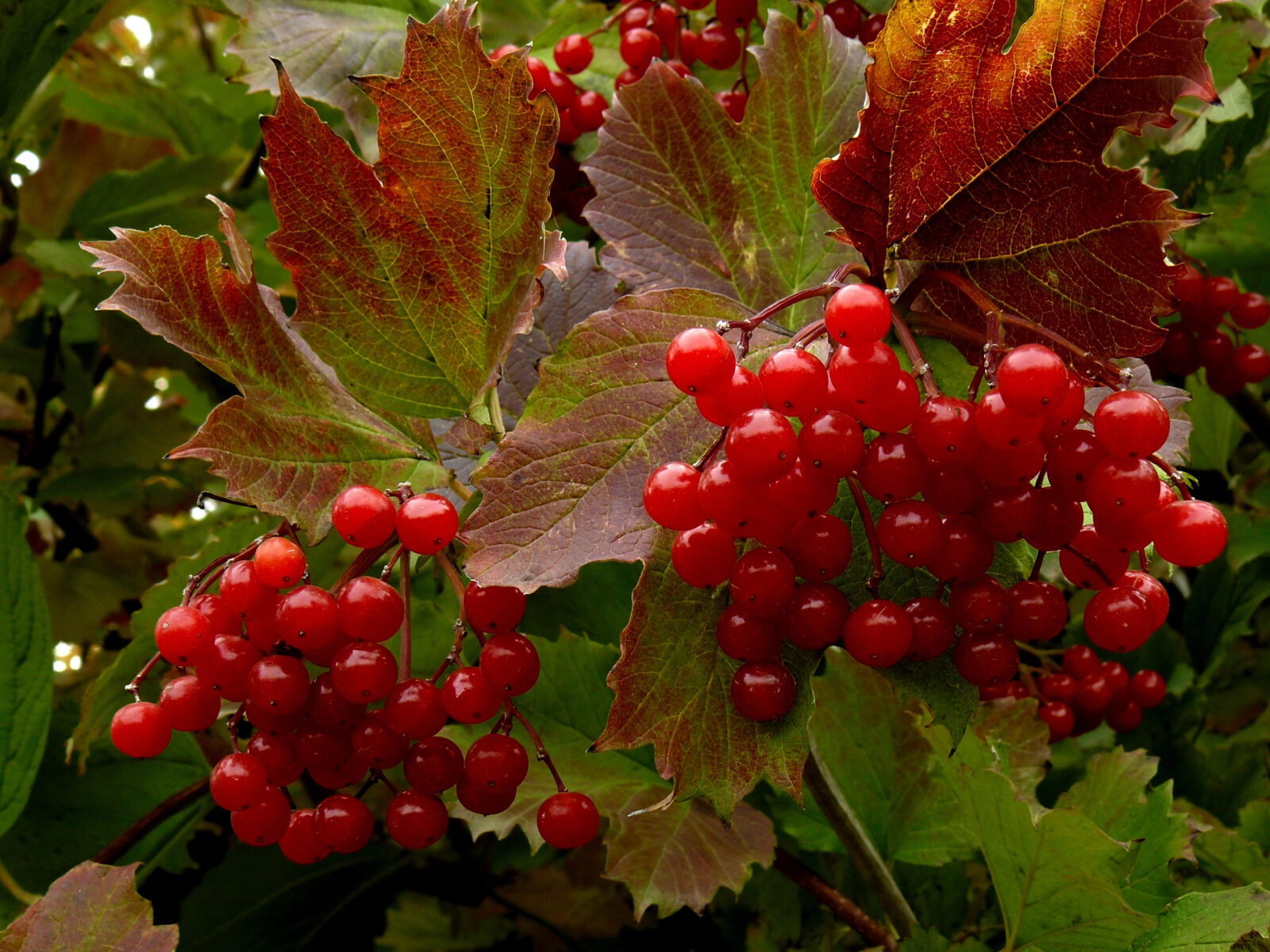
Among the most commonly recommended alternatives is guelder rose (Viburnum opulus). It’s a hardy shrub that copes well even in cooler locations, while producing eye-catching flower clusters that can resemble hydrangeas. But its value doesn’t end with spring or early-summer flowering. After blooming, striking red berries appear and often hang on the shrub well into autumn—frequently even through winter. Thanks to them, viburnum becomes attractive to birds too, giving the garden another dimension and a livelier feel.
Spireas for reliable flowering and easy shaping
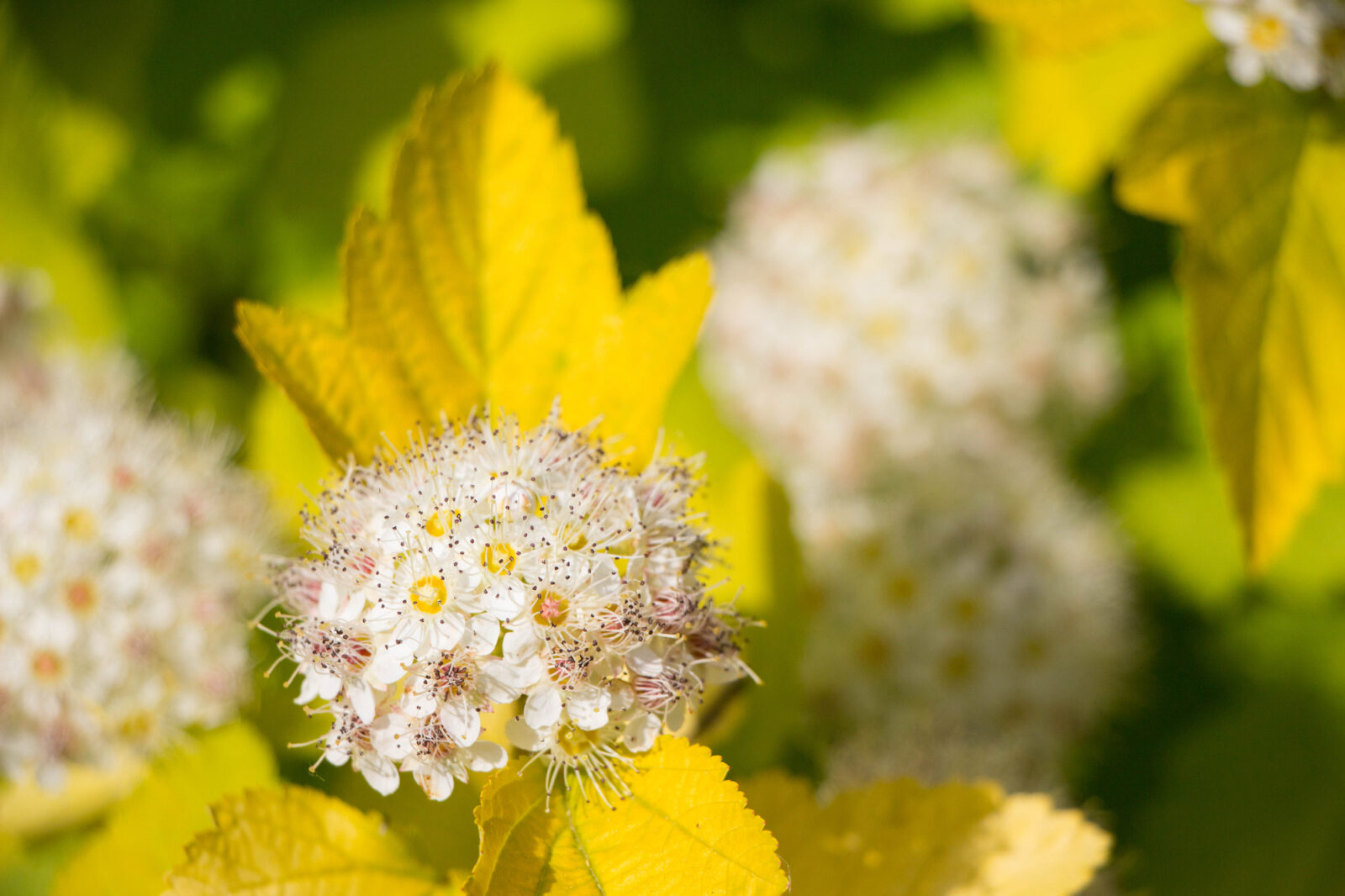
If you’re looking for a shrub that grows willingly, handles typical conditions well, and flowers abundantly every year, spireas are well worth considering. They have a long tradition in Czech gardens, and it’s no accident they’re often planted in parks and public plantings too. They’re generally low-maintenance and respond well to pruning, so you can keep them in a compact shape. Depending on the species, they bloom from May to July and can flood the garden with white, pink and deeper shades of flowers.
Buddleja when you want an exotic look and butterflies
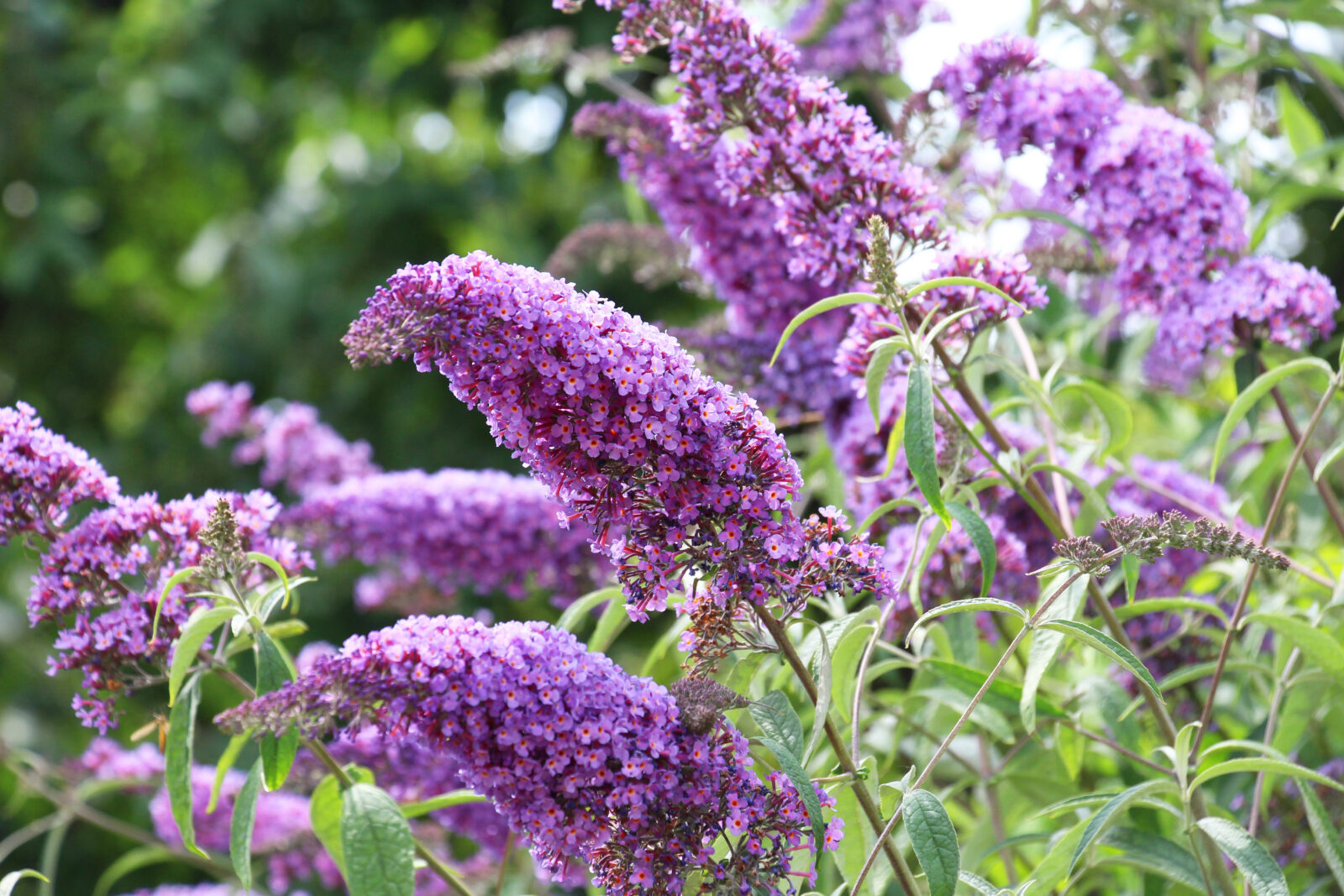
Anyone who wants bold flowering in the second half of summer and also wants a garden full of life often chooses buddleja (also known as the butterfly bush). It typically blooms from July to September, producing long, striking flower panicles in shades from white through pink to red. Beyond its looks, its real strength is how many insects it attracts. If the goal is to support pollinators while also having a showy shrub at a time when many other woody plants have finished flowering, buddleja is a very practical choice.
Barberry brings leaf colour, flowers and berries, and also works for hedging
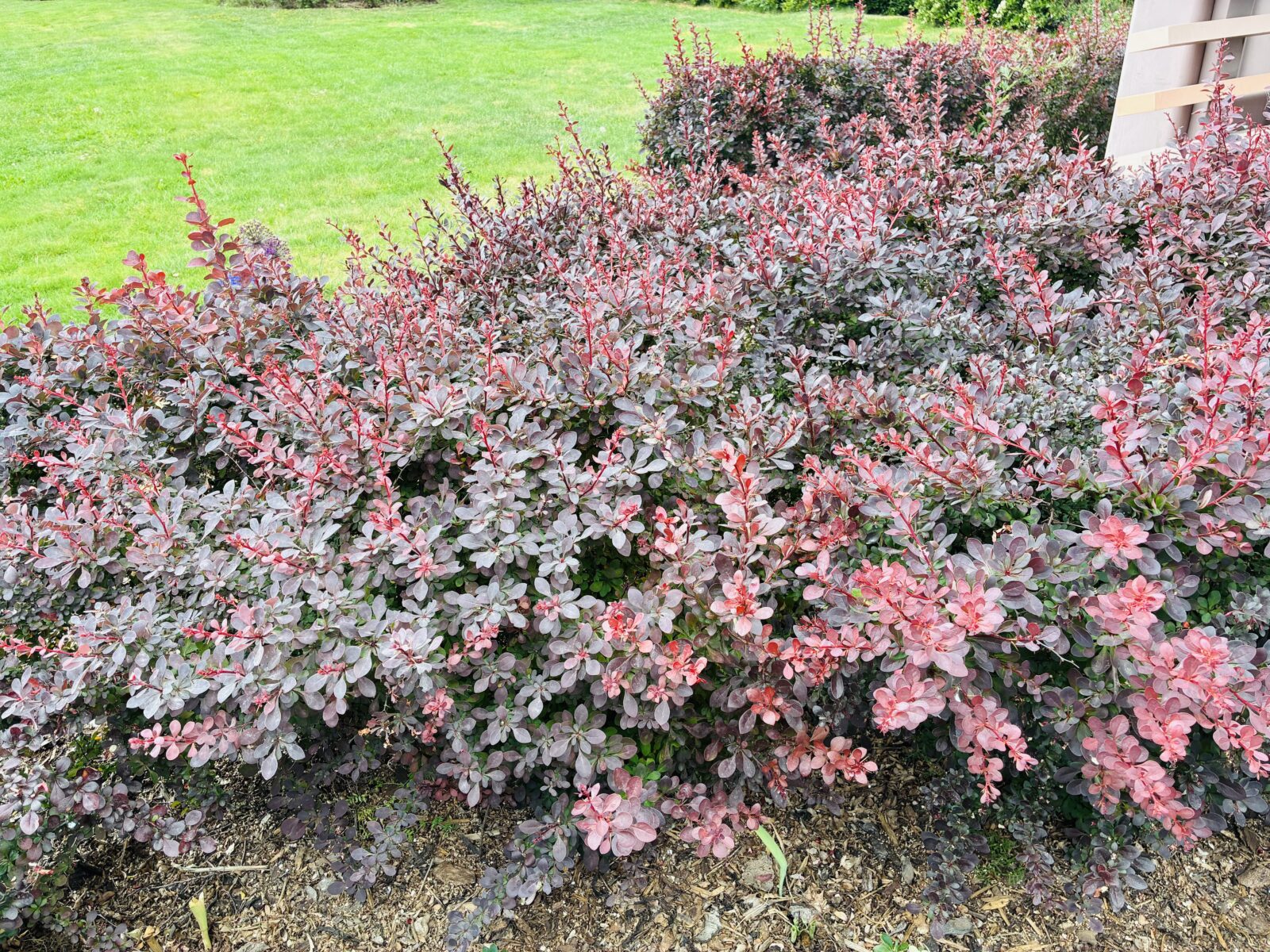
It’s also worth including barberries in your shortlist. They’re thorny, but decorative for much of the year. They stand out not only for their flowers, but also their berries—and above all for their foliage colour, which depending on the cultivar ranges from lime green through yellow tones to red and purple. In spring, clusters of flowers appear, and later they’re followed by small berries that look especially striking in autumn. Barberries work as specimen shrubs as well as dense hedges that also provide a naturally protective barrier.
How to choose well without saying goodbye to beautiful flowers
If you love hydrangeas, you don’t have to give them up—just bear in mind that without the right spot and regular care, they may cause more trouble in the future than they used to. At the same time, it makes sense to broaden your planting with tougher flowering shrubs that cope better with unpredictable years and bring extra benefits too, such as berries for birds or greater appeal for pollinators. Viburnums, spireas, buddleja and barberries can all deliver a similarly impressive effect, often with fewer demands and with a better chance that the garden will stay beautiful even in challenging seasons.
Source: Homes and Gardens, Nyheder24, Pestrazahrada.cz

A lover of nature, gardens, and everything that moves, blooms, or grows. He literally grows everything, from herbs to rare species, and he enjoys caring for animals just as much. In his work, he connects modern technology with tried-and-tested grandmotherly methods and is happy when both paths lead to the same goal.
Related articles
Autumn planted grapevines bud earlier the most common mistake happens before they even go in the ground
Planting grapevines in November can give them a head start in spring, as roots can still establish in warm soil. Success depends mainly on proper planting depth and reliable winter protection.
Ten Crops to Sow Before Winter for an Earlier Spring Harvest
Autumn sowing lets hardy vegetables and herbs root in before frosts, so they spring into growth as soon as temperatures rise. With the right timing and bed preparation, you can harvest noticeably earlier in the new season.
Planting Garlic Has One Rule Most Gardeners Break Right at the Start
Autumn is the ideal time to plant garlic, but timing it by soil and air temperature matters more than the calendar. Planting once temperatures stay below 9 °C and using good cloves in well-prepared soil sets you up for a strong spring start and a better harvest.
Comments (0)
Be the first to comment.