
 English
  Polski
  Deutsch
  Nederlands
  Svenska
  Norsk
Norsk  Dansk
Dansk  Français
  Italiano
  Español
  Português
  Slovenčina
  Suomi
Suomi  Gaeilge
 A Simple Trick for Geraniums to Grow Fast and Flower All Summer
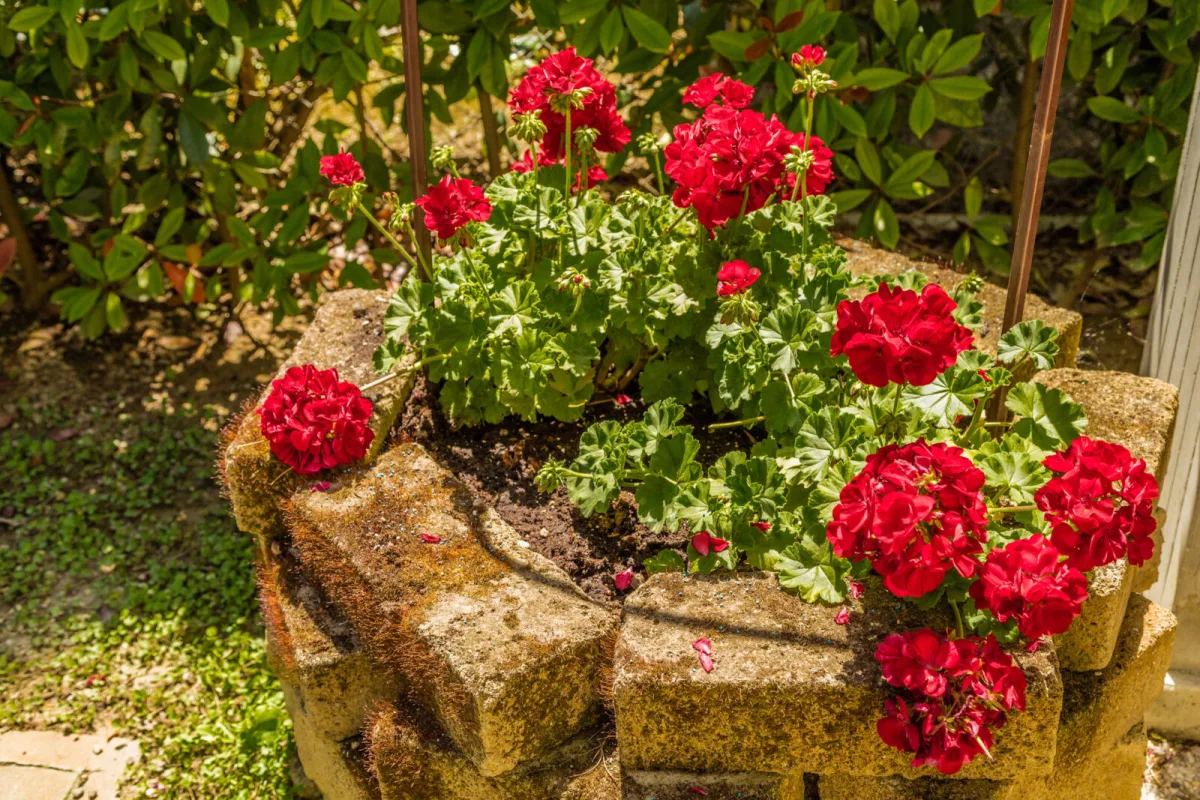
Pelargoniums, commonly known as geraniums, are among the most popular plants for balconies and windowsills. They cope well with everyday conditions and, with the right care, flower for a long time and can form dense, compact bushes packed with colourful blooms. Even so, growers often find that once young plants have rooted, they can stall for a while, grow slowly, and the first buds take far too long to appear.
A simple routine can help kick-start growth and encourage root development. You don’t need any special products, just an everyday ingredient that almost everyone has at home.
How to prepare and root cuttings properly
For propagation, choose only healthy, vigorous shoots about 8 to 10 centimetres long. Remove the leaves from the lower part of the cutting so they won’t rot in the compost. It’s also worth letting the cut end dry for one to two hours, which reduces the risk of rot after planting and helps the plant cope better with the move into soil.
Plant the prepared cuttings into a light, airy compost that drains well. Moisten the soil only slightly and place the pots in a bright spot out of harsh midday sun. Light that’s too intense can stress freshly planted cuttings and slow their start.
Sugar water as a quick boost for young plants
To encourage growth, you can make a simple solution of water and sugar. Stir 1 teaspoon of sugar into one litre of water until it dissolves completely. Then water the geraniums with this solution at the roots, not over the leaves or flowers.
It’s important not to overdo it. Use this feed at most once every two weeks. Water only into slightly moist soil, never into completely dry compost, as the roots could be weakened by the shock. Once you see new leaves and clear growth, you can return to normal care and standard feeding for flowering plants.
Pinching turns a geranium into a bushy plant packed with buds
If you want truly abundant flowering, watering alone isn’t enough. One of the most important steps is regular pinching out of the tips of young shoots. When you remove the growing tip, the plant redirects its energy into side buds and starts to branch.
The result is a more compact shape and more flowering stems. Regular pinching is often what decides whether you end up with a few blooms on long, leggy stems, or a dense mound that sets lots of buds throughout the season.
Without enough light, geraniums won’t flower at their best
Geraniums love sun, and light is the foundation of their success. They do best in south- and west-facing positions, or on a sunny balcony or patio. Lack of light is one of the most common reasons for weak flowering and stretched, spindly growth.
Give plants at least a few hours of direct sun each day. They’ll reward you with sturdier stems, rich green leaves, and faster bud formation.
Watering must be regular, but never waterlogged
Pelargoniums don’t tolerate constantly wet soil. Let the surface of the compost dry slightly between waterings. Overwatering can lead to root rot, overall weakness, and ultimately fewer flowers.
On hot days, it’s better to water in the morning or evening. Aim the water at the roots and avoid unnecessarily wetting the leaves and flowers, as moisture on above-ground parts can encourage disease.
What helps most for a flood of flowers
Abundant flowering depends on several factors working together. When you combine plenty of light, regular pinching, sensible watering, good-quality compost and occasional feeding, geraniums quickly gain strength and form dense, bushy plants. With this simple routine, flowers often appear sooner and the plant is far more willing to keep blooming right through the season.
A small tweak in care, the right light and restrained watering usually make a bigger difference than frequent experiments with fertilisers.
Source: To je nápad, Gardening Know How, Pestrazahrada.cz

A lover of nature, gardens, and everything that moves, blooms, or grows. He literally grows everything, from herbs to rare species, and he enjoys caring for animals just as much. In his work, he connects modern technology with tried-and-tested grandmotherly methods and is happy when both paths lead to the same goal.
Related articles

Three Mistakes When Packing Cabbage into a Crock That Can Turn Your Winter Stores into Waste
Traditional crock-fermented sauerkraut keeps for months and stays wonderfully crisp—if you avoid a few common missteps. Here are the three mistakes that most often lead to soft, grey, foul-smelling cabbage and how to prevent them.

One Rat in the Garden Can Quickly Turn Into a Colony How to Prevent It Without Chemicals
A rat on your property is a warning sign that your garden is offering food and shelter. With a few practical, chemical-free changes, you can make the area far less attractive and stop a bigger infestation taking hold.

Garden robotics and automation save time but one thing surprises owners after purchase
Robotic mowers, smart irrigation and garden sensors can take over routine tasks and improve day-to-day plant care. The catch is that the real cost and upkeep often become clear only after you’ve bought in.
Comments (0)
Be the first to comment.