
 English
 Polski
 Deutsch
 Nederlands
 Svenska
 Norsk
 Dansk
 Français
 Italiano
 Español
 Português
 Slovenčina
 Suomi
 Gaeilge
How to protect tender perennials and potted plants from winter frosts
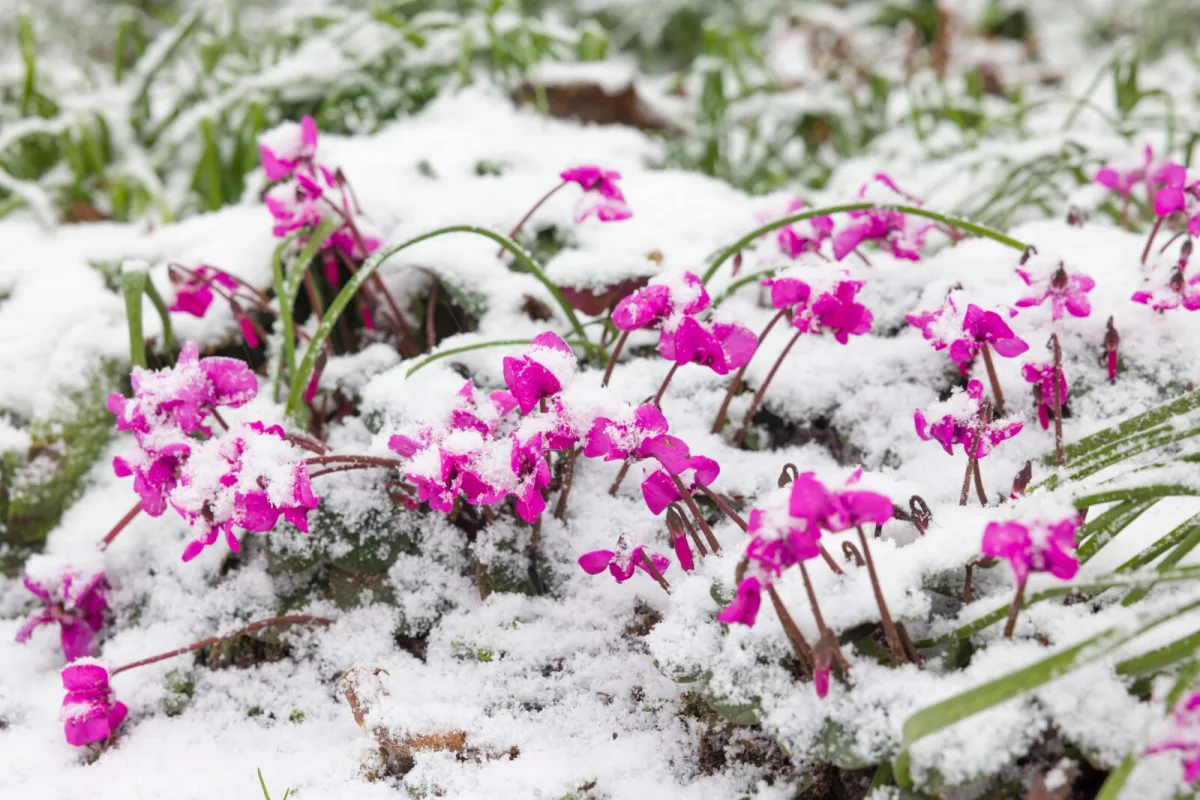
November is the month when the garden decides what will break into growth again in spring. Most perennials cope with a Czech winter without help, but there are species from warmer regions that can be wiped out by bare frosts or long cycles of thawing and refreezing. Plants in containers are even more vulnerable. The root ball in a pot freezes much faster than roots in the ground, because it isn’t protected by surrounding soil and frost attacks it from all sides.
Why plants in pots suffer more
A plant set in a border has roots down where frost penetrates slowly and rarely. The soil acts as insulation, and the temperature in the root zone drops far less than the air above it. With a container, it’s the opposite. Pot walls are only a few millimetres thick, and the compost inside can freeze solid over a single frosty night. That’s why the general rule applies that a plant in a container tolerates several degrees less frost than the same species planted in the ground.
The second enemy is so-called physiological drought. When the compost is frozen and the sun is shining, evergreen plants lose water through their leaves, but the roots can’t take any up. The plant doesn’t freeze as such, it literally dries out. This is a common cause of losses in box, cherry laurel or potted lavenders towards the end of winter.
Which perennials need protection
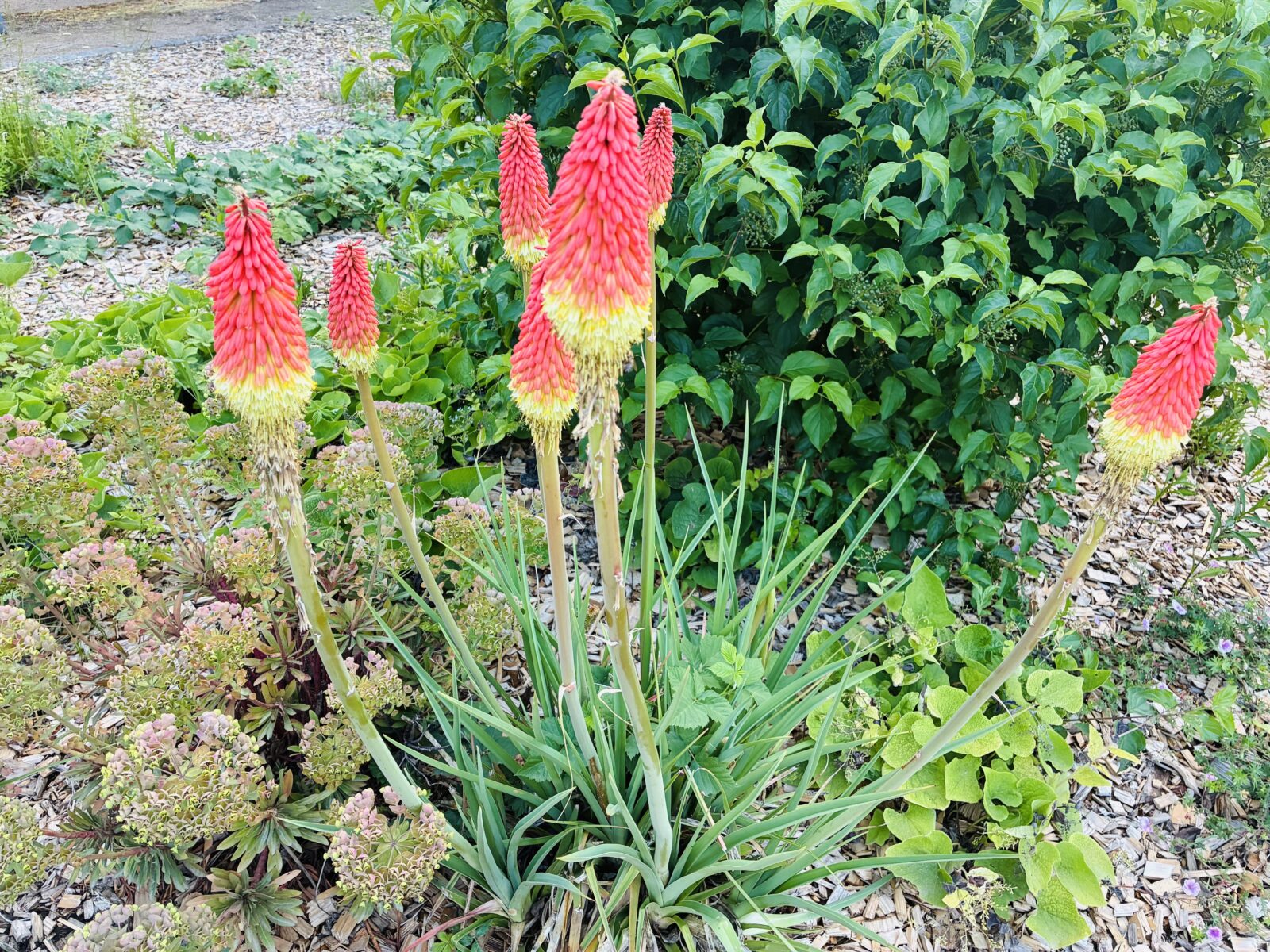
More tender perennials include red hot poker (Kniphofia), gaura, some salvias, Echinacea, gladiolus, agapanthus and ornamental grasses such as pampas grass. Lavender, rosemary and figs will also appreciate protection, especially in colder and higher areas. Dahlias, cannas and gladioli are not left in the ground in our conditions at all. Their tubers and corms need lifting after the first light frost, drying off, and storing somewhere cool and dry at around 5–10 °C.
When to start winter protection
The most common mistake is being too eager. If you cover plants as early as October, they don’t get a chance to harden off, and under the cover they may start to mould or rot. The right moment comes after the first light frosts, when plants naturally stop growing. In lowland areas this is usually the second half of November, earlier at higher elevations. Watch the forecast and finish protection before temperatures drop below minus five degrees.
Protecting perennials in borders
With perennials in the ground, the key is protecting the crown and the base of the plant. Dry leaves, straw or bark piled into a 10–15 cm layer works brilliantly. To stop the wind blowing leaves away, cover them with evergreen boughs, meaning conifer branches. Conifer boughs are ideal because they let air through, catch snow and in late winter provide shade from harsh sun.
Kniphofia and ornamental grasses have a special requirement. Don’t cut their leaves for winter, but tie them into a bundle with string. This makes a natural little roof that sheds water away from the heart of the plant, where it would otherwise rot and freeze. Don’t cut back lavender and rosemary in autumn; pruning belongs in spring. For these Mediterranean plants, winter wet is more damaging than frost itself, so free-draining soil and a light cover of conifer boughs will help.
Never use plastic sheeting or any non-breathable film directly on a plant. Moisture builds up underneath, and on milder days plants sweat, making them easy targets for mould.
How to overwinter plants in containers
The first step is moving containers to a sheltered spot. Ideally this is against a house wall on the east or north side, where it’s out of the wind and not exposed to harsh midday winter sun. A south-facing position sounds like a good choice, but it’s exactly there that the sharpest alternation of thawing and refreezing happens, which is what plants dislike most. Group pots as close together as possible so they partly protect each other.
The second step is insulating from below. Don’t place containers directly onto cold paving or concrete; stand them on a polystyrene board, wooden battens or ceramic feet. As well as insulation, you ensure drainage, because waterlogged compost freezes faster and expands, which can crack the container.
The third step is wrapping the pot itself. Bubble wrap, hessian sacks, coconut matting or reed matting are all suitable. You can use bubble wrap on the container without worry, because it only goes around the pot walls, not the plant. Spread a layer of leaves or bark over the compost surface and wrap the top growth of more tender plants in horticultural fleece. For winter protection, choose a heavier fleece at around 50 g per square metre; the thin spring fleece only copes with brief light frosts.
Watering doesn’t end in winter
Many gardeners stop watering completely in autumn, which is a mistake, especially for evergreens. Before hard frosts arrive, water thoroughly so they go into winter with a good reserve of moisture. Then during winter, in frost-free spells when the compost has thawed, check moisture and water if needed. A small amount is enough; the aim is to prevent drying out, not to saturate the compost.
Plants that belong indoors
Some popular container plants won’t overwinter outside even with the very best protection. Oleander, citrus, agapanthus, pelargoniums and fuchsias need winter quarters. They do best in a bright, cool place at roughly 5–10 °C, for example a glazed porch, stairwell or an unheated conservatory. An olive tree will tolerate a short spell of light frost around minus five degrees, but in prolonged frosts it should also be moved under cover. In a warm living room these plants suffer from lack of light, become leggy and attract pests.
What not to forget when choosing containers
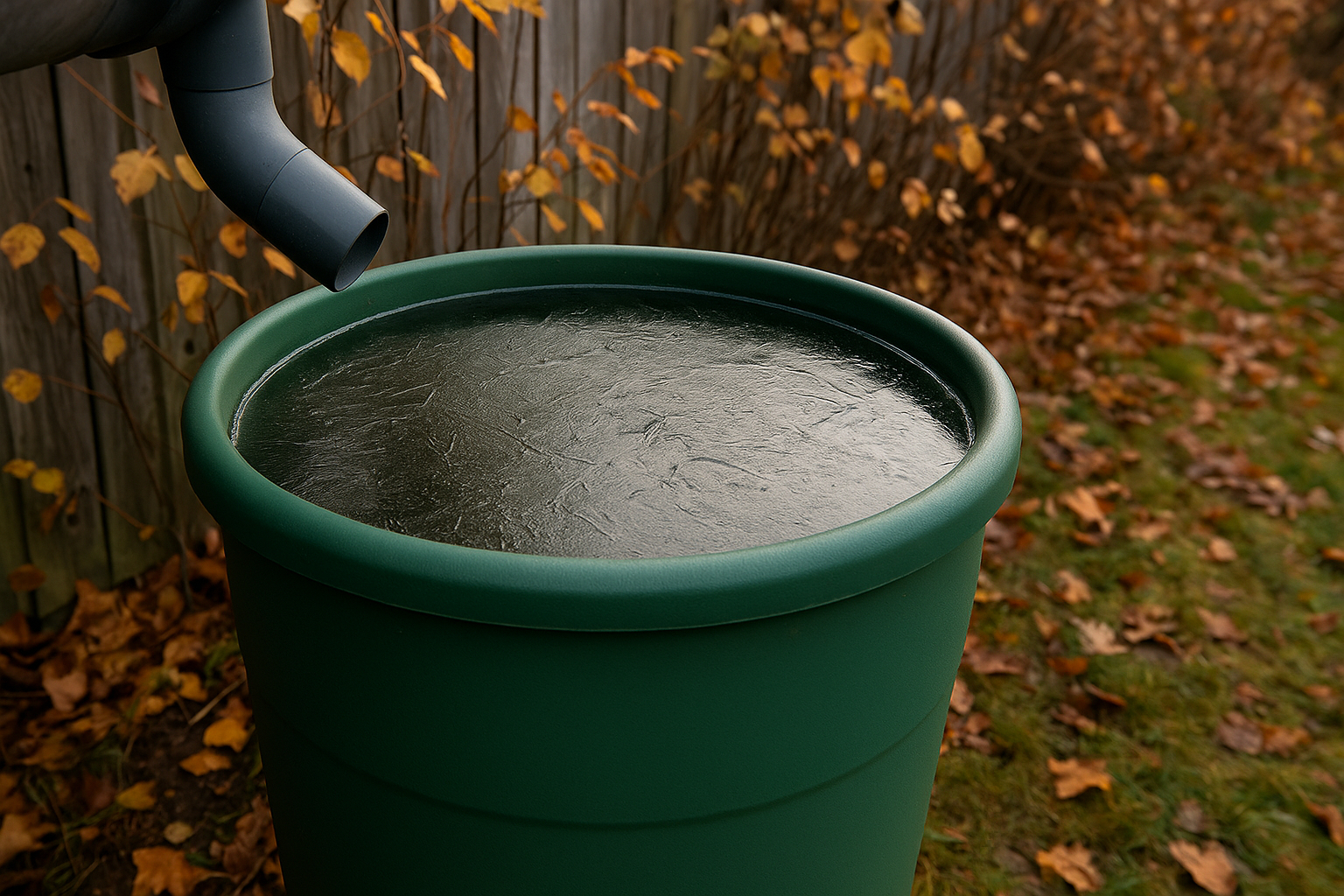
If you’re planning new container plantings, think about winter protection when you buy. Cheap terracotta absorbs water and cracks in frost. Look for a frost-resistant label, or choose containers made from plastic, composite, wood or thick-walled stoneware. The larger the volume of compost, the more slowly it freezes, so grow more tender plants in larger pots.
Uncovering in spring
Remove protection gradually from March onwards, depending on the weather. Start by taking off the fleece and the top layer of conifer boughs, leaving the rest as insurance against spring frosts. Ideally uncover on an overcast day so plants that have been shaded all winter don’t scorch in sharp sun. Careful autumn preparation pays you back with healthy plants that spring into growth without losses.
Source: Gardening Know How, The Spruce, RHS, Pestrazahrada.cz

A lover of nature, gardens, and everything that moves, blooms, or grows. He literally grows everything, from herbs to rare species, and he enjoys caring for animals just as much. In his work, he connects modern technology with tried-and-tested grandmotherly methods and is happy when both paths lead to the same goal.
Related articles
Healthy Roses Start in Autumn, Collect Fallen Buds and Plan Your First Spring Spray Early
Roses will reward you with stronger growth and better flowering if you start protecting them before problems take hold. Autumn clean-up, timely spring sprays, sensible feeding and deep watering are the keys to hardy, healthy plants.

Why Leave Old Plant Roots in the Bed Instead of Pulling Them Out
Instead of yanking out healthy spent plants, cut them off at soil level and leave the roots to break down in place. It improves soil structure, feeds soil life, and saves time with no downside in most beds.
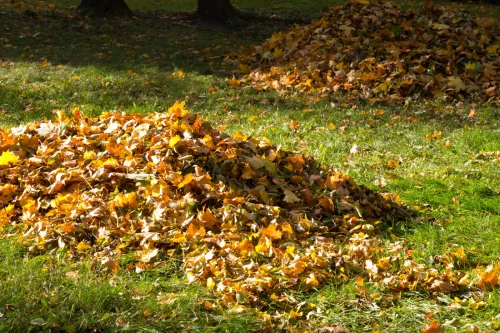
Experienced gardeners don’t throw leaves away and use them in six smart ways
Fallen leaves are a valuable, free resource that feeds soil life, improves structure, and protects plants. Use them as mulch, compost, leaf mould, lawn feed, winter insulation, and wildlife habitat.
Comments (0)
Be the first to comment.