
 English
  Polski
  Deutsch
  Nederlands
  Svenska
  Norsk
Norsk  Dansk
Dansk  Français
  Italiano
  Español
  Português
  Slovenčina
  Suomi
Suomi  Gaeilge
 How to Keep Geraniums Blooming Nonstop from Spring to Autumn
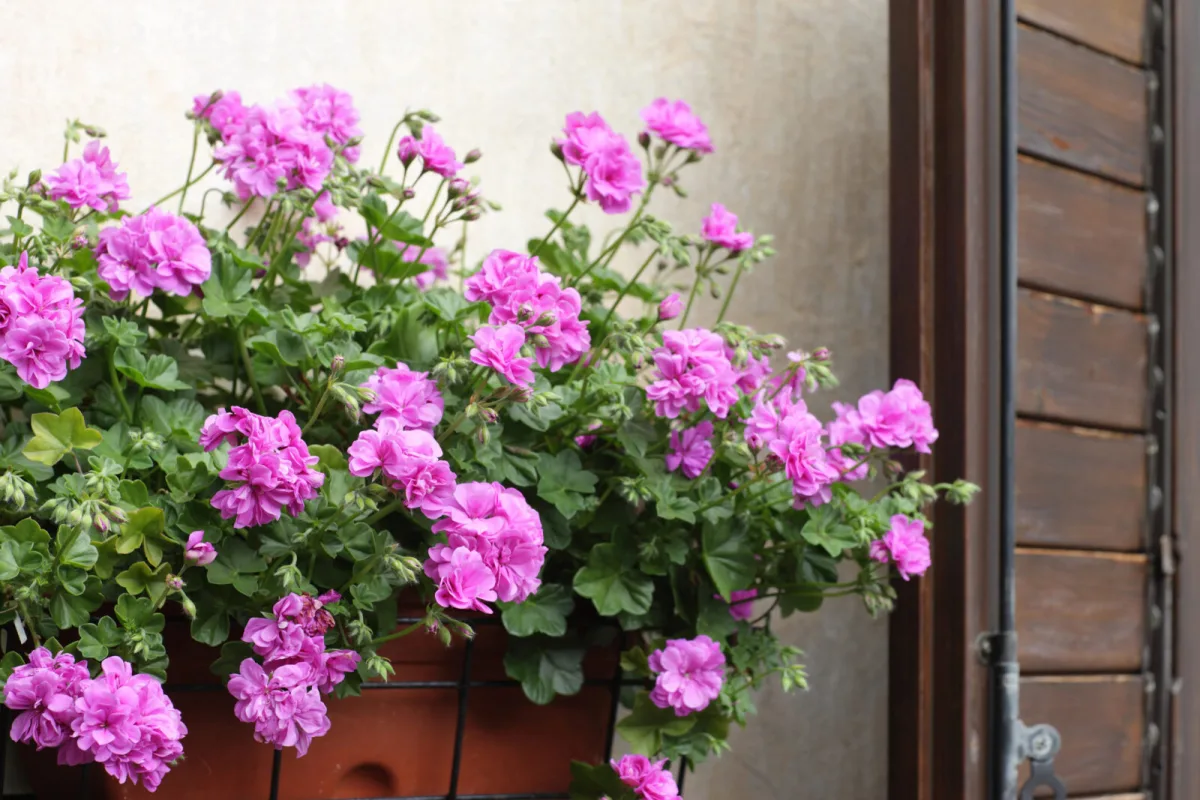
Geraniums are among the most popular balcony flowers because they tolerate plenty of sun, grow quickly with the right care, and bloom for a long time. Even so, they can weaken during summer, stretch towards the light, or flower only in short bursts. The most common causes are uneven watering, too little light, exhausted compost, and the fact that the plant puts energy into long shoots instead of branching and forming buds.
The good news is that longer flowering often comes down to one principle: encourage the plant to produce new shoots while preventing unnecessary exhaustion. A few simple techniques can help, and you can combine them depending on the condition of your geranium.
Pinching is the quickest route to a bushier plant
As soon as you notice soft, freshly growing shoot tips, gently pinch them out. This signals the plant to wake up lower buds, start branching, and produce more flowering stems. The more branched your geranium is, the more sites it has for forming flower buds.
Some growers also remove the first flower buds so the plant focuses early in the season on roots and leafy growth. This is especially useful for weaker plants or those that have been recently repotted.
How to propagate strong young plants using vitamin C
Geraniums can be propagated almost any time, but success rates are highest in the warm part of the year. Choose healthy, sturdy stems with no signs of disease. On the mother plant, make a straight cut just above a leaf node so the wound heals easily. Then shorten the cutting just below the point where leaves emerge.
Instead of a standard rooting hormone, you can use a vitamin C solution. Measure about 250 ml of water into a glass and dissolve a Celaskon tablet in it. Dip the cuttings in the solution for a few minutes, then plant them into a small pot with compost intended for geraniums. A warm, bright spot is ideal. After about 3 to 4 weeks they should have rooted and be ready to pot on.
Water young plants more sparingly, while larger geraniums need regular watering so the compost doesn’t dry out completely. At the same time, constantly waterlogged soil damages roots, so it’s better to water more often with a smaller amount and make sure excess water can drain away.
Light, warmth and water determine how long they bloom
In good conditions, geraniums can flower for a very long time, sometimes right into late autumn. With enough light, warmth and even watering, the plant doesn’t slip into a strong resting phase and can keep setting flowers continuously. In winter, they therefore do well on sunny windowsills or in a bright conservatory, as long as you can give them light and don’t overwater.
Iodine as a careful boost for flowering
One lesser-known trick is very gentle feeding with iodine. In plants, iodine plays a role in water regulation and supporting resilience. In flowering plants, it’s also credited with extending the flowering period, provided it’s used in a safely small amount.
The method is simple: add 1 drop of ordinary pharmaceutical iodine to 1 litre of water. From this solution, pour about 50 ml around the inner edge of the pot. It’s important not to exceed the dose, because too much iodine can damage the roots.
Do not use iodine at the same time as fertilisers that already contain iodine. In that case, the final dose could be unnecessarily high.
Milk once a week as a supportive watering
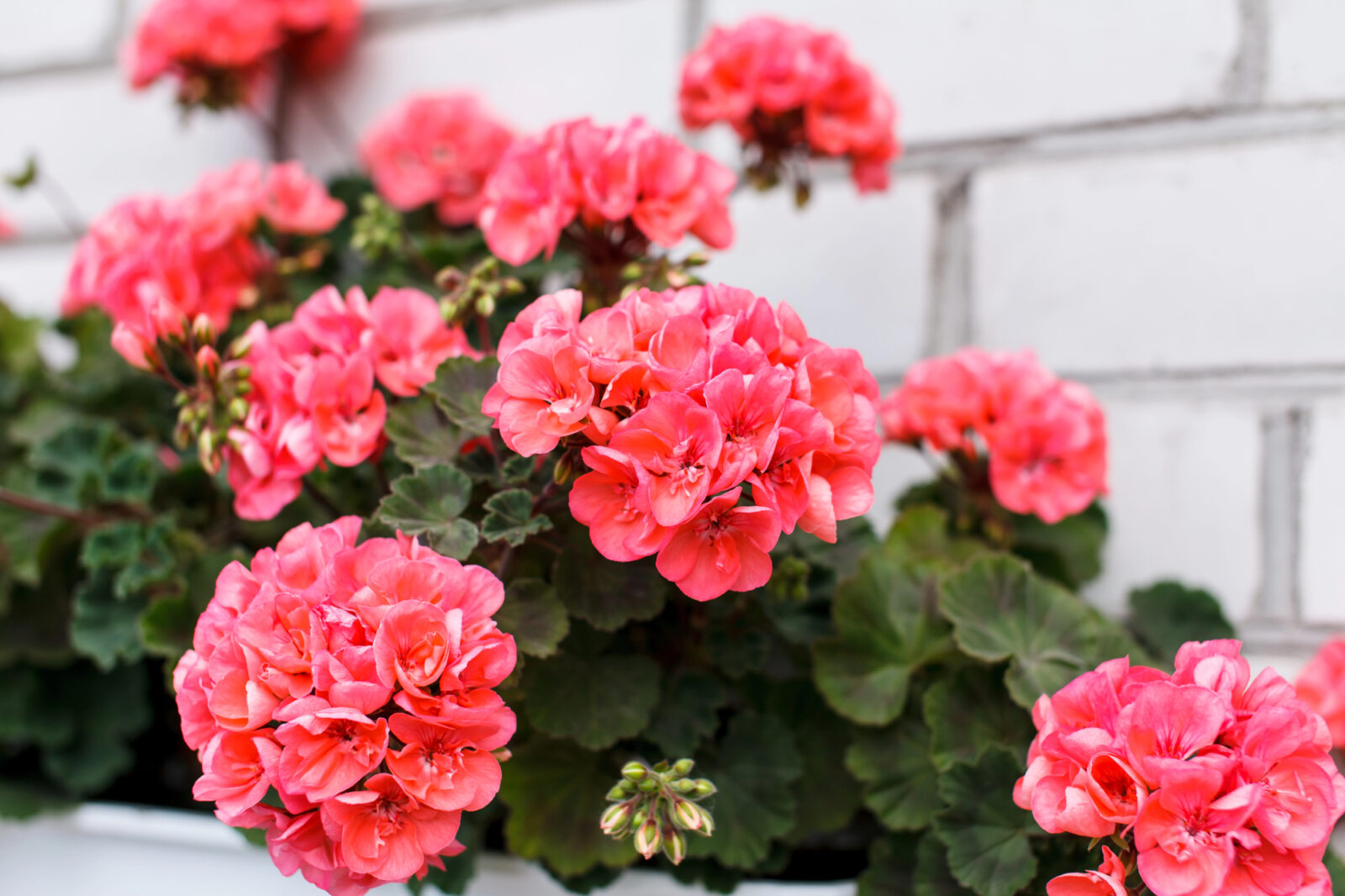
Some growers occasionally water geraniums with milk, typically about once a week in a small amount. The aim is to add minerals that support flower formation and strong roots. Milk contains potassium, calcium, phosphorus and magnesium, among other nutrients, and can help the plant take up nutrition from the compost. Here too, less is more, and milk should not replace normal care.
Yeast fertiliser, a traditional method for more abundant buds
Yeast is an old home method for encouraging plants to grow and bloom. Prepare roughly 2.7 to 3 litres of dechlorinated water, about 100 g of fresh yeast, and half a cup of sugar. First dissolve the yeast in a small amount of warm water, then pour the mixture into a container with the dechlorinated water and add the sugar. Cover the container with a cloth and let the mixture ferment, stirring occasionally.
Once the fermentation calms down and bubbles stop forming on the surface, the concentrate is ready. For use, dilute 1 cup of this fertiliser in 10 litres of dechlorinated water and water geraniums about once every two weeks. That kind of routine is usually enough to keep plants energised to produce new shoots and flowers.
Stress stimulation with a pin, when it works even on a lazy geranium
If a geranium has gone a long time without flowers but otherwise looks healthy, a mild-stress method is sometimes used. Take a clean sewing needle or safety pin and disinfect it thoroughly. Then make punctures in thicker stems so the tip goes through to the other side. On one thicker stem, 2 to 3 punctures are usually enough; on plants with several thick stems, you can puncture each one.
This technique slightly knocks the plant off balance and can encourage it to set buds, because it starts directing more energy into reproduction through flowers. Results are often visible within one to two weeks. However, it’s best treated as a last resort and you should always work cleanly to avoid introducing infection into the tissues.
What to take away for flowering all season long
The most reliable foundation for geraniums is plenty of light, even watering, and regular pinching to keep the plant dense and full of fresh new shoots. On top of that, you can add gentle supportive methods as needed, whether it’s rooting cuttings with vitamin C, feeding with yeast, or using iodine very cautiously. When you don’t push your geranium too hard and keep renewing it as you go, it will reward you with long, abundant flowering right into autumn.
Source: Gardenary, Urob si sám, RHS, Pestrazahrada.cz

A lover of nature, gardens, and everything that moves, blooms, or grows. He literally grows everything, from herbs to rare species, and he enjoys caring for animals just as much. In his work, he connects modern technology with tried-and-tested grandmotherly methods and is happy when both paths lead to the same goal.
Related articles
Next year you can harvest better if you don’t sow carrots where they won’t thrive
Carrot root fly can ruin carrots, parsley and celery from the inside out, often without obvious warning until harvest. Better site choice, rotation, later sowing and simple physical barriers can dramatically cut damage next season.
How to Propagate Roses from Cuttings at Home and Fill Your Garden with Blooms Almost for Free
Want more roses without paying for new plants? With a few healthy cuttings and a simple plastic-bottle mini greenhouse, you can root new bushes at home in just a few weeks.
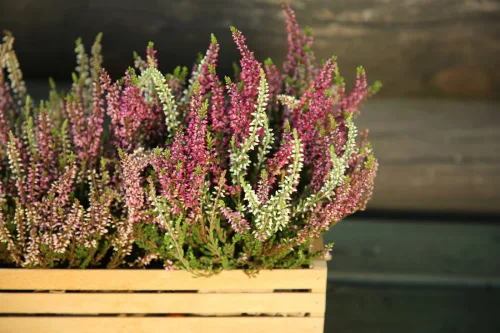
Heathers can cope where other plants won’t, but one soil detail decides everything
Heathers and heaths are tough evergreen shrubs that can flower across the seasons when you choose the right types. Success hinges on matching the plant to your soil pH and ensuring free drainage.
Comments (0)
Be the first to comment.