
 English
  Polski
  Deutsch
  Nederlands
  Svenska
  Norsk
Norsk  Dansk
Dansk  Français
  Italiano
  Español
  Português
  Slovenčina
  Suomi
Suomi  Gaeilge
 How to Keep Cucumbers Fresh Longer in Hot Weather Without Waste
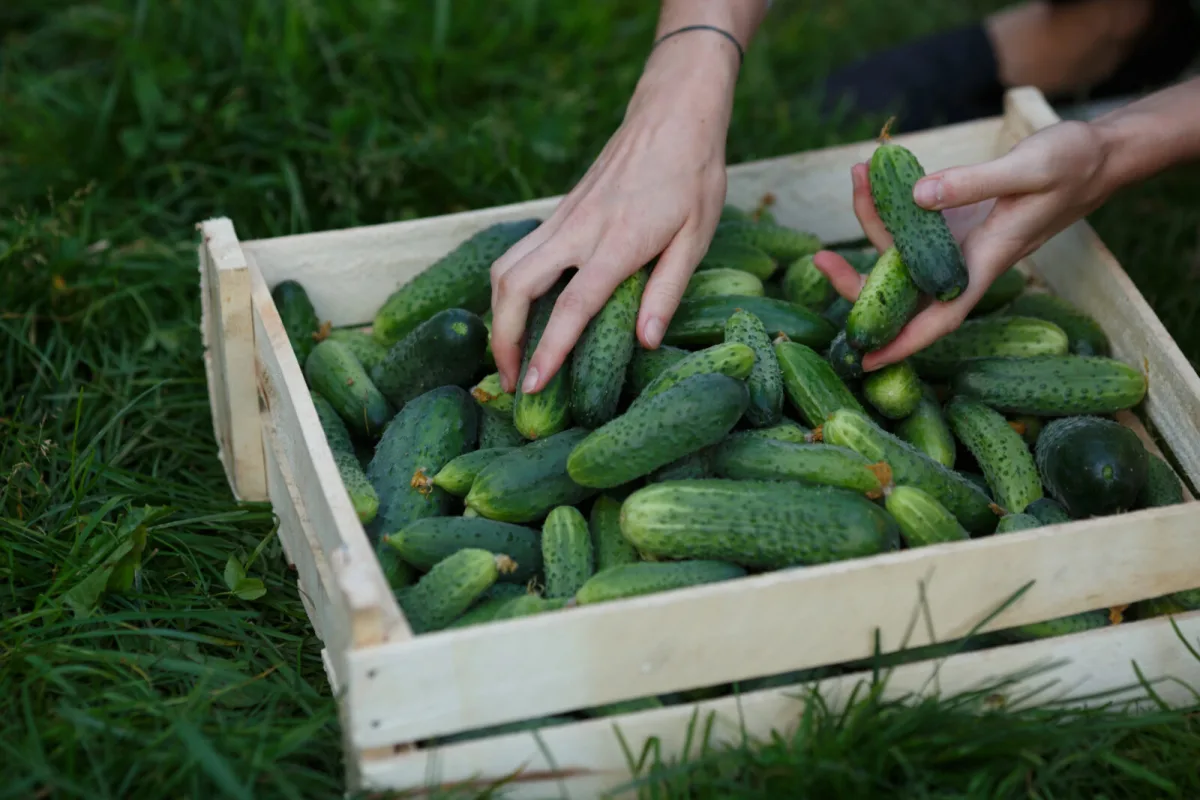
In summer, cucumbers ripen quickly and it’s common to end up with a bigger batch at home all at once. They often come in firm and crisp, but within a few days they start to soften, weep water, or develop an unpleasant slime on the surface. In most cases, it’s not poor quality or a bad choice at the shop—it’s too much moisture and an unsuitable storage location. With a few small adjustments, both slicing cucumbers and pickling cucumbers will keep fresh for significantly longer.
Shelf life starts with harvesting and buying
Only sound, not overmature fruit is suitable for storage. The best keepers are cucumbers that feel firm, have a strong green colour, and show no cracks, bruises, or yellow patches. If you’re harvesting from the garden, it helps to pick during the cooler part of the day and not leave the fruit sitting in the sun, where it heats up quickly and loses moisture.
The same rule applies when shopping. Soft ends, wrinkled skin, or a sour smell usually mean the cucumber is already past its best. The better the cucumber you bring home, the greater the chance it will store well without deteriorating.
The most common mistake at home is washing too soon
Many people automatically wash cucumbers as soon as they get home. But if you don’t plan to eat them right away, it usually does more harm than good. Moisture on the skin speeds up spoilage and encourages soft, watery spots. Ideally, just clean them dry—wipe off soil or dust with a dry cloth.
It’s best to rinse thoroughly only right before use. If you do wash cucumbers earlier, dry them very carefully so no water remains on the surface.
The fridge helps, but too much cold can do damage
Cucumbers prefer milder cool conditions, roughly around 10 to 12 °C. A standard refrigerator is often closer to 4 to 6 °C, and if cucumbers sit there for a long time, they can show chilling injury. The flesh softens, watery patches appear, and spoilage follows sooner.
If you know you’ll eat them within a few days, the fridge is still a sensible choice. But store them in a less cold area—for example nearer the front of a shelf, not right against the back wall where temperatures are lowest and the risk of chilling is highest.
The paper-towel trick that makes the biggest difference
The simplest way to extend freshness is to manage moisture. Wrap each cucumber individually in a paper towel or a clean cotton cloth. The material absorbs condensation and excess moisture that would otherwise sit on the skin and speed up spoilage.
Then place the wrapped cucumbers into a perforated bag, a mesh bag, or store them so air can circulate. Airflow matters, because in a completely sealed plastic bag with no holes, moisture builds up and cucumbers spoil noticeably faster.
Can cucumbers stay on the counter
For the short term, yes. If you’ll use them within one to two days, they can stay in a cooler, shaded spot out of direct sun. On hot days, though, it’s better to move them into the fridge, because high temperatures speed up water loss and the cucumber wilts quickly, losing firmness and flavour.
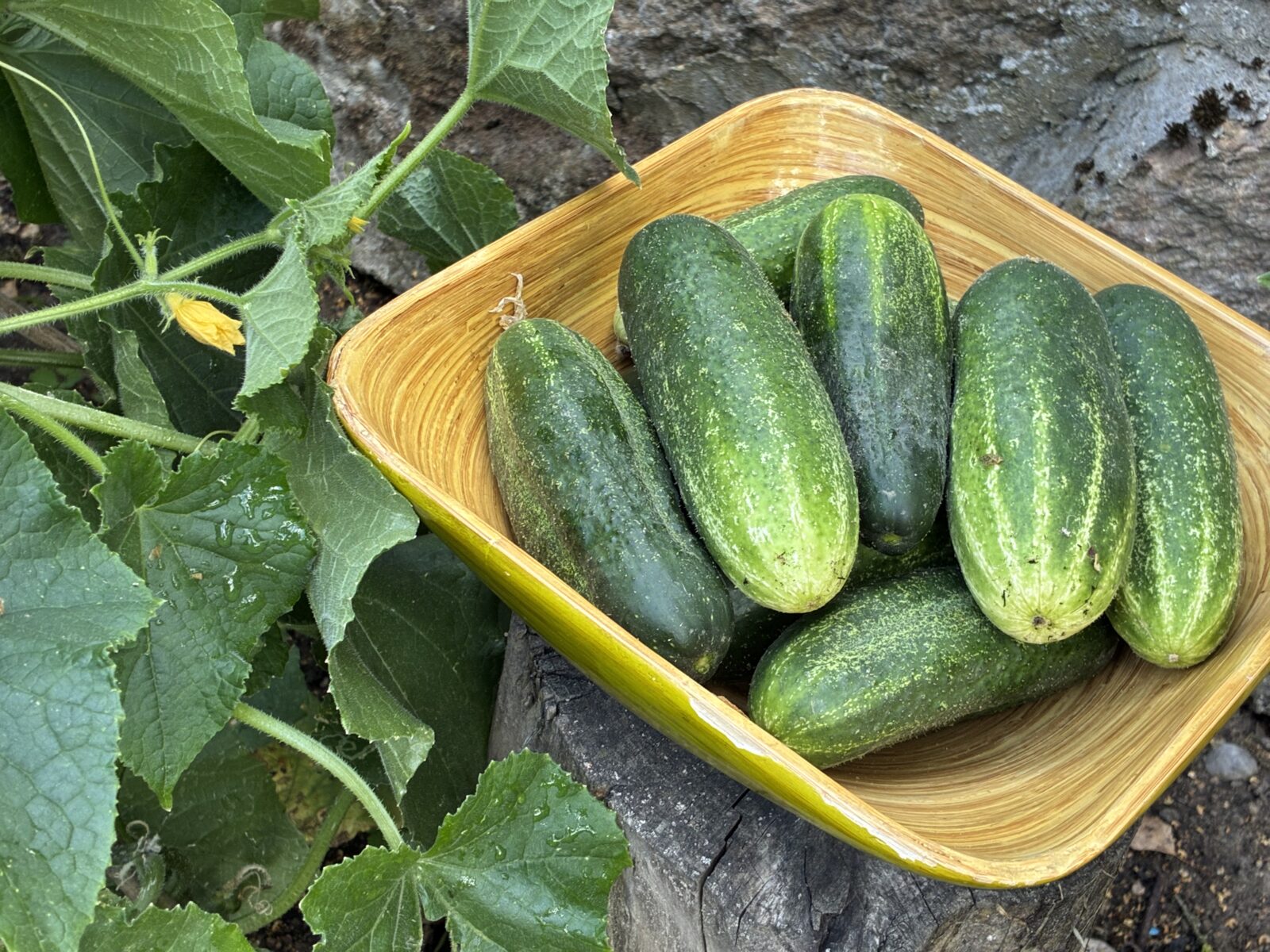
What to do with a partially cut cucumber
As soon as you cut a cucumber, it starts drying out and losing freshness much faster. Seal the remainder well—either with cling film or in an airtight container—and keep it in the fridge. It’s best used within one to two days. In general, the later you slice the cucumber, the longer it stays crisp.
Freezing is possible, but don’t expect crunch
You can freeze cucumber, but keep in mind it will soften after thawing and won’t be suitable for a classic salad. It does work well in chilled soups, smoothies, sauces, or cooked dishes where texture isn’t the main point.
A practical method is to slice it into rounds or dice, spread the pieces out on a tray, and freeze them first in a single layer. Only then transfer them to a freezer bag so they don’t clump into one solid mass.
When a cucumber is still usable—and when it isn’t
Not every slightly wilted cucumber has to go straight to the bin. If it’s only a bit softer, it can still be put to good use in a smoothie or a chilled soup. It should be discarded if the surface is slimy, mould appears, it smells sour, or it has pronounced brown or large yellow patches.
Simple habits that keep cucumbers fresh for days longer
The best results come from combining a few steps: choose firm, undamaged cucumbers, don’t wash them too early, keep them dry, wrap them in a paper towel, and store them with access to air. In the fridge, also avoid the coldest zone, because extreme cold doesn’t suit them.
With proper storage, freshly picked cucumbers can keep for roughly 10 to 14 days; cucumbers from a shop or market typically last about 5 to 7 days, depending on how long they were stored before sale.
Source: Záhrada, Gardening Know how, Pestrazahrada.cz

A lover of nature, gardens, and everything that moves, blooms, or grows. He literally grows everything, from herbs to rare species, and he enjoys caring for animals just as much. In his work, he connects modern technology with tried-and-tested grandmotherly methods and is happy when both paths lead to the same goal.
Related articles
The More Often You Harvest, the Longer Plants Keep Cropping
With fruiting vegetables, frequent picking keeps plants flowering and producing for longer. A few crops, such as aubergines, are tastiest when harvested slightly earlier rather than fully mature.
Wasps Aren’t Just a Barbecue Menace They Can Ruin Your Garden Woodwork Too
Weathering isn’t always the main culprit behind damaged outdoor timber. Wasps can scrape fibres from boards and beams surprisingly fast, leaving grooves that soak up water and accelerate decay.

Why hydrangeas wilt in summer even when watered and how to save them fast
Hydrangeas can look limp in hot weather even if you’ve been watering faithfully. The key is to check what’s happening in the root zone, then adjust watering, shade and mulching so the plant can actually use the moisture available.
Comments (0)
Be the first to comment.