
 English
  Polski
  Deutsch
  Nederlands
  Svenska
  Norsk
Norsk  Dansk
Dansk  Français
  Italiano
  Español
  Português
  Slovenčina
  Suomi
Suomi  Gaeilge
 How to Grow Peaches in a Cooler Climate for Sweet, Juicy Fruit
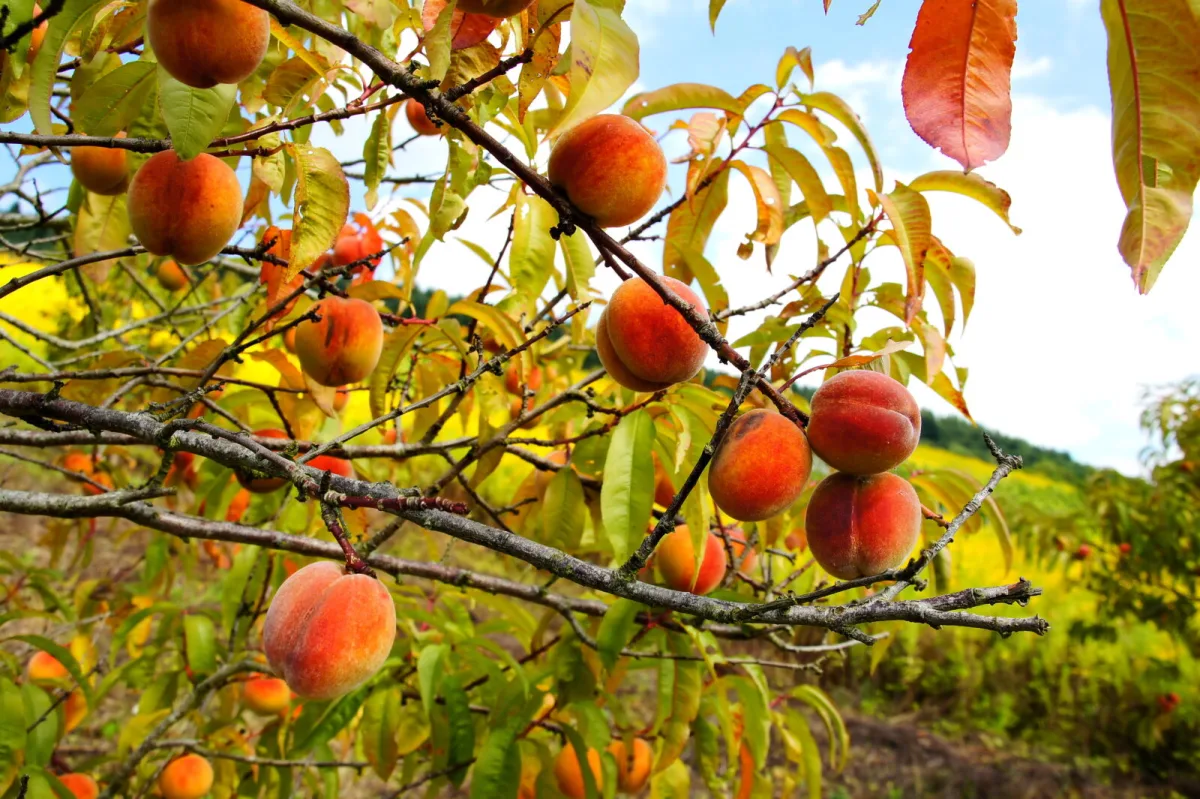
Home-grown peaches often beat shop-bought fruit for both scent and flavour. With a little extra care, they reward you with juicy fruit that’s tender, sweet and richly aromatic. There are many varieties, differing in skin colour from yellow through orange to red-flushed shades, and also in flesh colour, which can be yellow, pink-tinged or almost white. One practical difference is how the stone separates. In some peaches it clings tightly to the flesh, while in others it comes away easily once cut, which is more convenient for eating fresh.
Ripening times vary by cultivar from July to September. In a British climate, tougher, more reliable varieties tend to perform best, but the same applies anywhere: the right position and protecting the blossom make a huge difference.
Peaches and nectarines aren’t as different as they look
Nectarines are essentially peaches with smooth skin. From a growing perspective they have the same needs for soil, light and watering, and their nutritional value is similar too. Peach trees are usually a little hardier, though, which is why in cooler areas they’re generally easier to grow than nectarines.
The best spot for a peach tree and why a wall matters
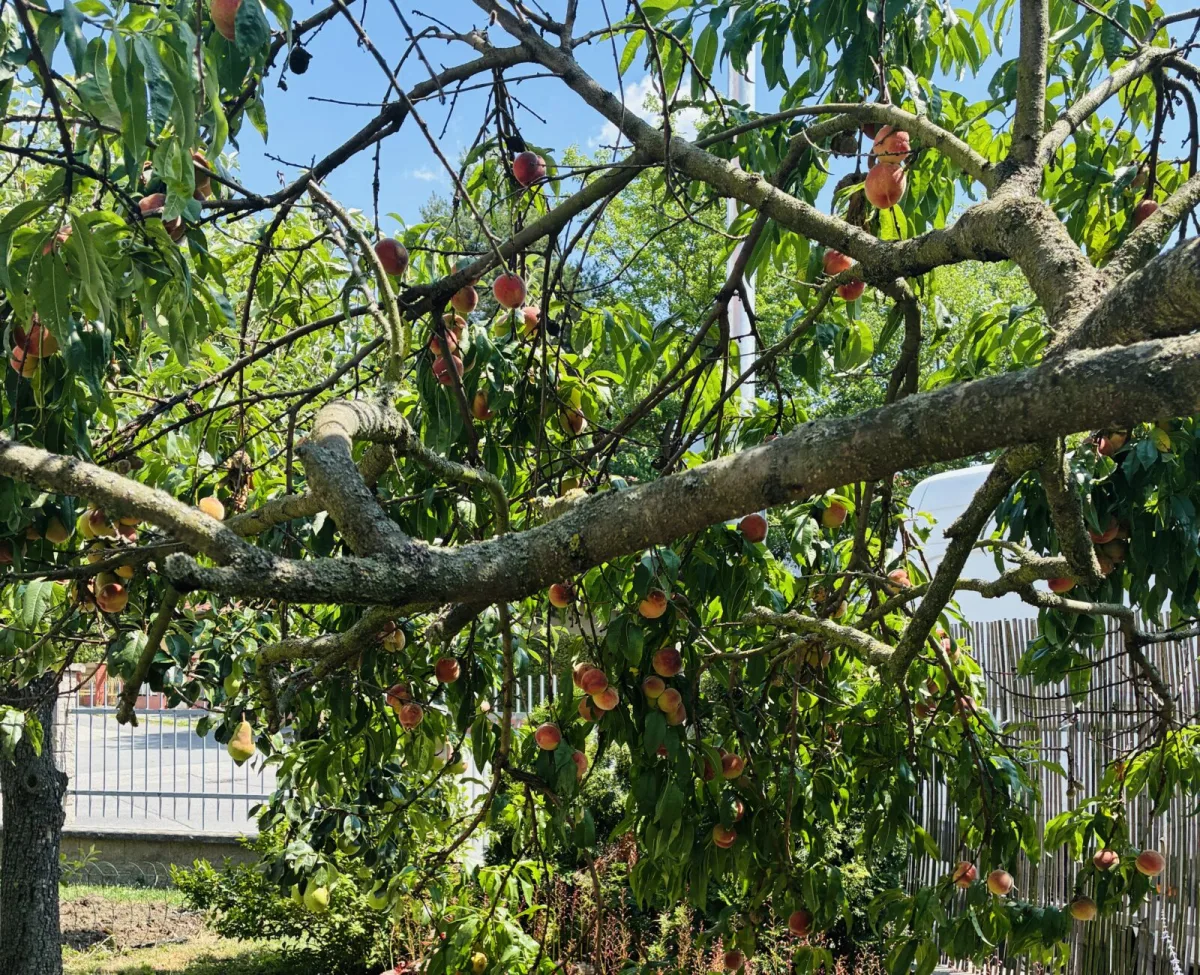
Peach trees do best in a sunny, warm, sheltered spot, in soil that’s fertile, consistently slightly moist, yet well-drained. A big advantage is planting against a south- or west-facing house wall or garden wall. Peaches flower very early, often as soon as March, and the blossom is easily damaged by late frosts. A wall stores heat during the day and releases it slowly at night, helping to soften temperature swings.
For growing against a wall, fan training works well: branches are spread out to the sides to capture as much radiant warmth as possible. An alternative is a dwarf peach in a generously sized container, which you can move into shelter over winter or whenever frost threatens. Another option is an unheated greenhouse, where the tree can be grown either in the ground permanently or in a pot, depending on how much flexibility you want for moving it.
How to plant a peach tree properly in the ground and in a pot
Bare-root trees are planted during dormancy, ideally from November to March, on a mild frost-free day. Container-grown trees can be planted almost any time, but it’s worth avoiding frozen soil, extreme heat and prolonged drought.
Before planting, work well-rotted compost or thoroughly rotted manure into the soil. In heavy clay, improving drainage is essential, for example by adding a drainage layer at the base of the planting hole. Plant so the top of the rootball sits level with the surrounding soil. If you’re planting against a wall, leave at least 20 cm between the trunk and the wall so it has space and doesn’t suffer from dryness near the foundations. Prepare a system of horizontal wires in advance, so you can tie in new shoots as they grow.
For container growing, choose a pot at least 45 cm in diameter. It helps to put a layer of fine gravel in the base for stability and improved drainage. Use a high-quality compost with some loam content so it holds moisture and nutrients well. Set the rootball at the same depth it grew previously, and leave a gap below the rim for easy watering. Water thoroughly after planting and allow excess water to drain away.
Year-round care: watering, feeding and protecting the blossom
During the growing season, water regularly, as a lack of moisture quickly shows in fruit size and quality. Once a year, add a mulch of compost or well-rotted manure, either in spring or autumn. Mulch improves soil structure, helps retain moisture and suppresses weeds.
The most sensitive period is flowering. Even a light frost can damage blossom, so on cold nights protect it with two to three layers of horticultural fleece or hessian. Container plants are safest moved under cover or into a cool, frost-free space.
Sometimes peach trees bloom before there are enough active pollinators about. In that case you can help pollination by hand using a soft brush to transfer pollen between flowers. When the young fruit reach roughly cherry size, it’s worth thinning so only one fruit remains in each cluster. The tree then focuses its energy on fewer peaches, which will be larger and better quality. While the fruit are swelling rapidly, a weekly feed with a high-potash liquid fertiliser, such as a tomato feed, can help.
Pruning after harvest determines next year’s crop
Prune in late summer after harvesting. Peaches set flowers and fruit on one-year-old shoots, so the goal is to keep renewing young, productive wood. Older, fruited sections are shortened to encourage a new shoot to replace them. A fruiting branch is usually cut back to where a healthy new shoot is already growing; that shoot is then tied into the chosen framework, such as a fan against a wall.
When to harvest and how to tell a peach is ripe
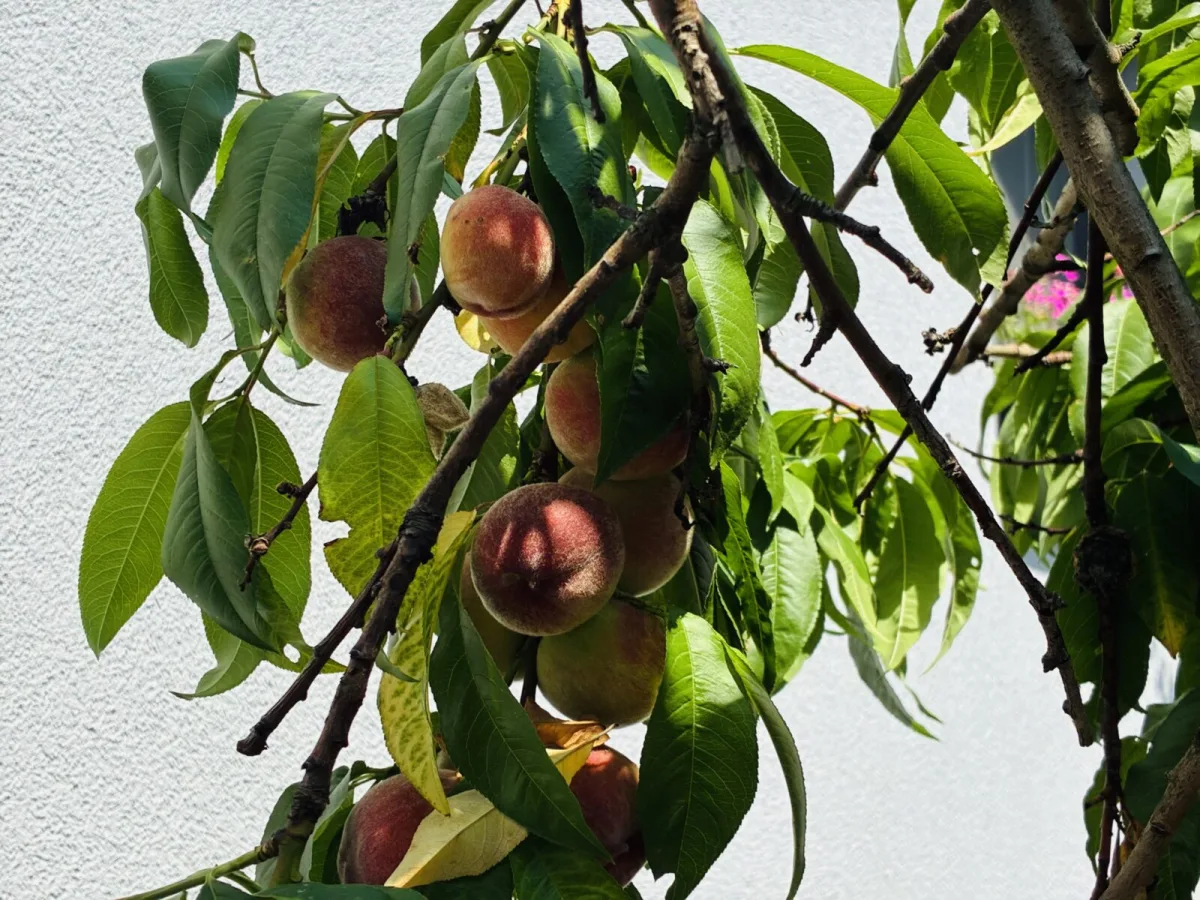
Peaches are ready to pick when they’ve developed full colour and yield slightly to gentle pressure. A properly ripe fruit should release from the branch with a light twist, without tugging or tearing. Picking too early often results in poorer flavour and weaker aroma.
Storing and using peaches without bruising them
Peaches bruise easily and don’t keep well for long, so it’s best to eat them as soon as possible after picking. If you have a large harvest, you can freeze the fruit. After thawing it tends to be softer, so it’s best suited to cooking, for example in pies, compotes or sauces.
The most common pests and diseases and how to handle them
Like most stone fruit, peach trees can suffer from a few typical problems. The best known is peach leaf curl, which causes leaves to become twisted, thickened and distorted, then later fall. The tree is weakened and crops less well. It’s a fungal disease that spreads especially in late winter and spring during wet weather, when infection is splashed onto the plant by rain. It helps to reduce wetting of the branches; for container trees, moving them under cover is effective, and for outdoor plantings a temporary rain shelter can be used.
Another risk is silver leaf, a disease that enters the wood through pruning wounds or damage. You’ll recognise it by a silvery sheen to the leaves and the gradual dieback of branches. Infected branches need removing immediately, and tools should be disinfected after pruning to prevent the infection spreading. Bacterial canker can also cause trouble, showing as spots or small holes in leaves, dieback of shoots, and sunken dead patches on the bark. Here too, remove affected parts and keep tools scrupulously clean.
Among pests, aphids can appear, but they often have plenty of natural enemies such as birds and wasps, so it’s usually best to act only when infestations are severe. In a greenhouse, peach trees may be bothered by spider mites, which thrive in dry air, so increasing humidity with regular misting helps.
What to look for when buying a tree to make growing easier
Most peach trees are self-fertile, so you usually don’t need a second tree for pollination. They’re often sold grafted onto a rootstock that reduces vigour and keeps the tree more compact, which makes wall training and fan shaping easier. If you want to grow in a container, look for dwarf varieties.
Bare-root trees are usually cheaper, but they’re only sold during the dormant season from autumn to early spring. Container-grown trees can be bought and planted more flexibly. Fruit nurseries sometimes also offer partially trained fan trees aged two to three years; they cost more, but save a lot of shaping work.
Varieties worth considering
One popular variety is Avalon Pride, valued for higher resistance to peach leaf curl and often cited as coping better with spring frosts. It flowers pink and the fruit ripen from around the start of August.
Peregrine is regarded as a very dependable choice for cooler areas. It has pink flowers and can produce a heavy crop of tasty fruit with a red flush and pale flesh, usually in mid-August, and it’s often noted for decent resistance to powdery mildew.
For outdoor growing, Rochester is also frequently recommended. It flowers later than many other peaches, so it more often escapes late frosts, then produces large, juicy, yellow-fleshed fruit from August.
Source: Gardeners World, Rhs , Pestrazahrada.cz
Related articles
The Christmas Amaryllis That Can Bloom for Years but Most People Throw It Away After Flowering
Hippeastrum is a spectacular winter-blooming bulb that, with the right care, will flower again year after year. Learn how to plant it correctly, look after it after flowering, and bring it into dormancy so it reliably reblooms.
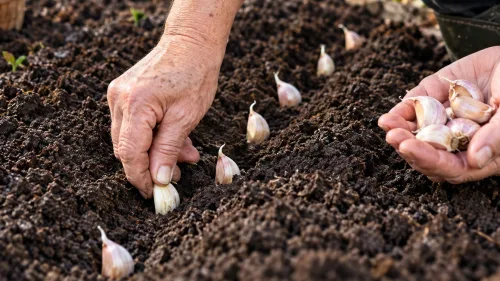
How to Grow Winter Garlic for a Much Bigger Harvest
Autumn planting is the key to strong, healthy winter garlic, but the details make all the difference. With the right timing, bed choice, seed-clove treatment and a simple bicarbonate trick, you can noticeably boost yield.
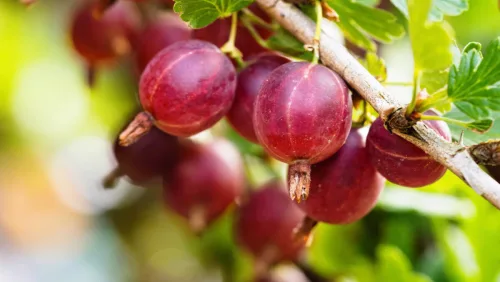
A tree or shrub planted properly in autumn can outpace spring stock and improve fruiting
Many fruit trees and soft-fruit shrubs establish better when planted in autumn, because roots keep growing while the top is dormant. Done well, this head start means stronger spring growth, less watering, and a healthier first year.
Comments (0)
Be the first to comment.