
 English
  Polski
  Deutsch
  Nederlands
  Svenska
  Norsk
Norsk  Dansk
Dansk  Français
  Italiano
  Español
  Português
  Slovenčina
  Suomi
Suomi  Gaeilge
 Homegrown Strawberries for a Fraction of the Price and One Simple Runner Trick
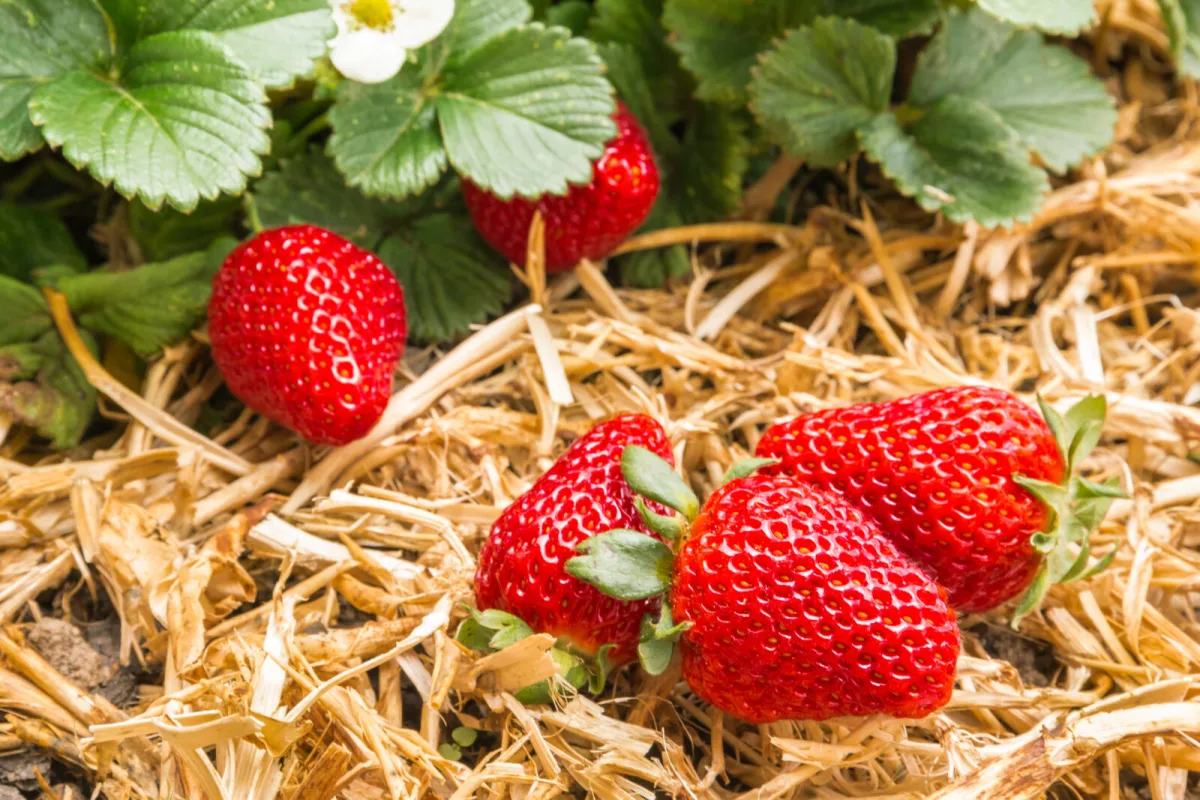
Strawberries (Fragaria × ananassa) are among the most popular fruits of early summer. Homegrown crops tend to have a stronger aroma and flavour than shop-bought fruit, because you can harvest them fully ripe. Growing them is also surprisingly easy: strawberry plants don’t take up much space, suit beds and containers alike, and with good care they can crop repeatedly. If you have room, you can establish a small strawberry bed; if not, a few plants on a sunny balcony will do. Another advantage is how easily they can be propagated from runners, so you can raise new, vigorous plants each year and gradually renew your planting.
The best strawberries are the ones that ripen on the plant and make it to the plate as soon as possible after picking.
Which type of strawberry to choose for the longest possible season
Before you buy your first plants, it pays to choose the right type. Strawberries are usually divided into three groups, differing in fruiting time, fruit size, and how readily they produce runners. By combining several types and varieties, you can harvest from early summer right through to autumn.
Summer-fruiting (June-bearing) strawberries
This is the most common choice, with large berries and a heavy crop in a short window, typically two to three weeks. There are early, mid-season and late varieties, so even within summer-fruiting types you can spread the harvest. In a warmer, sheltered spot—such as under a simple polythene tunnel or in an unheated greenhouse—you can bring the crop forward a little.
Everbearing (remontant) strawberries
These strawberries fruit in waves from early summer into autumn, sometimes right up to the first light frosts. Individual pickings are usually smaller and the berries often smaller than on summer-fruiting plants, but the reward is a long season. They also tend to produce fewer runners, so they spread less and are better suited to containers.
Wild and alpine strawberries
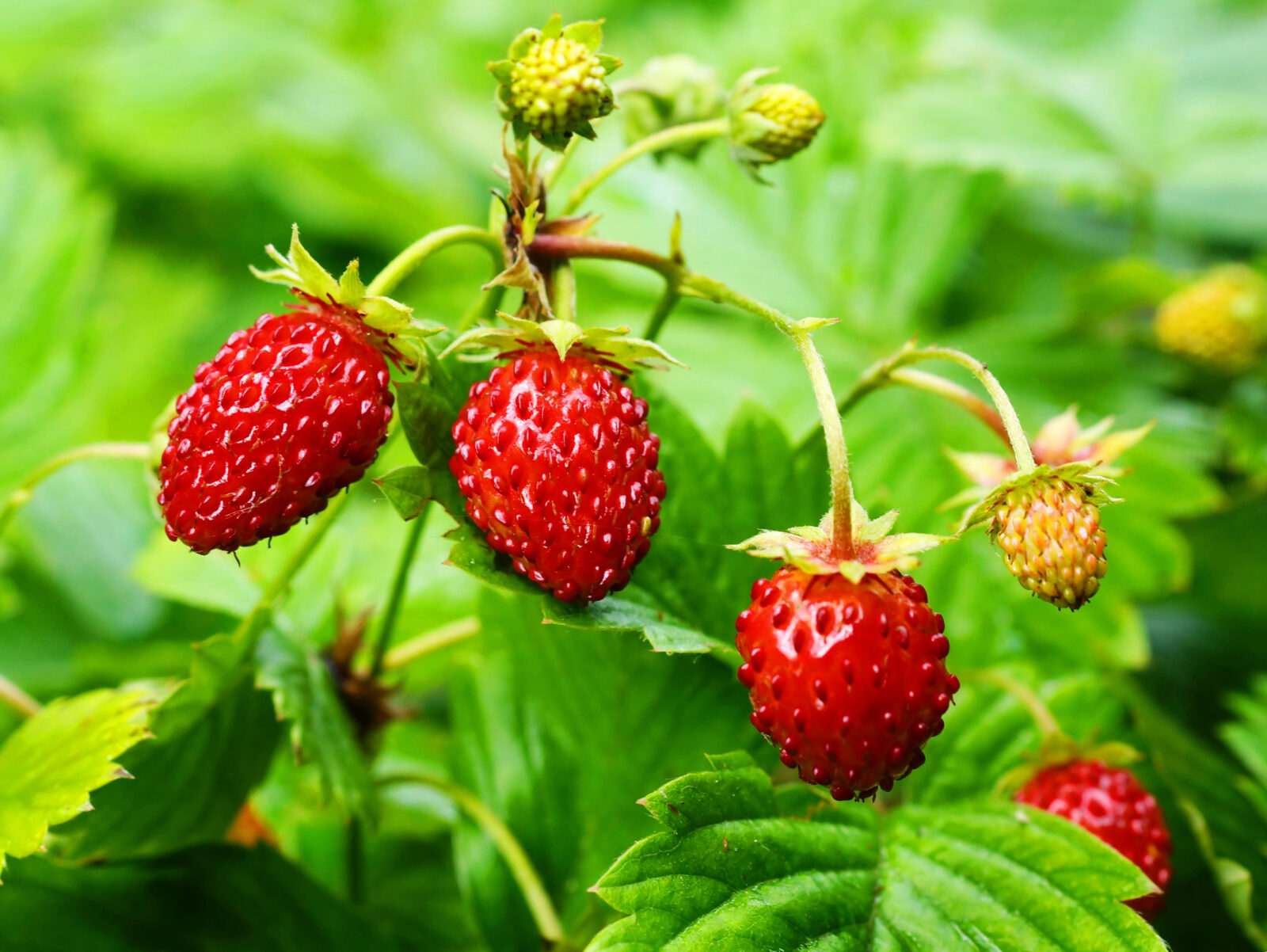
The delicate, aromatic fruits of wild strawberries (Fragaria vesca) are small but intensely flavoured. Some varieties have white or yellowish berries. They are suitable for partial shade, can behave as groundcover, and with minimal care provide small pickings all summer. Some varieties produce runners, while others are compact and work well, for example, as an edging for beds.
Where and how to buy strawberries so they’re healthy and true to type
Most often you’ll come across young plants in pots, module trays, or so-called “frigo” plants and bare-root plants. Bare-root strawberries can look like a bundle of roots with a few leaves, and that’s perfectly normal. The key is to buy from a reliable supplier, because strawberries can carry diseases and viral infections. For container strawberries, it makes sense to start with high-quality, vigorous plants, because stress from drying out or waterlogging shows up faster in pots.
Soil preparation is half the battle
Strawberries love soil that is fertile, free-draining and slightly acidic. Before planting, weed the area thoroughly and work in well-rotted compost or well-rotted manure. Ideally improve the soil in advance so it can settle, but even just before planting you can add organic matter as a surface mulch. In heavy clay soil, a raised bed is worth it, because roots suffer in persistently wet conditions. Mulch fabric or biodegradable film can also be very useful: it suppresses weeds, reduces evaporation and keeps the fruit cleaner by preventing soil splashing onto berries in rain.
Planting in beds and containers without avoidable mistakes
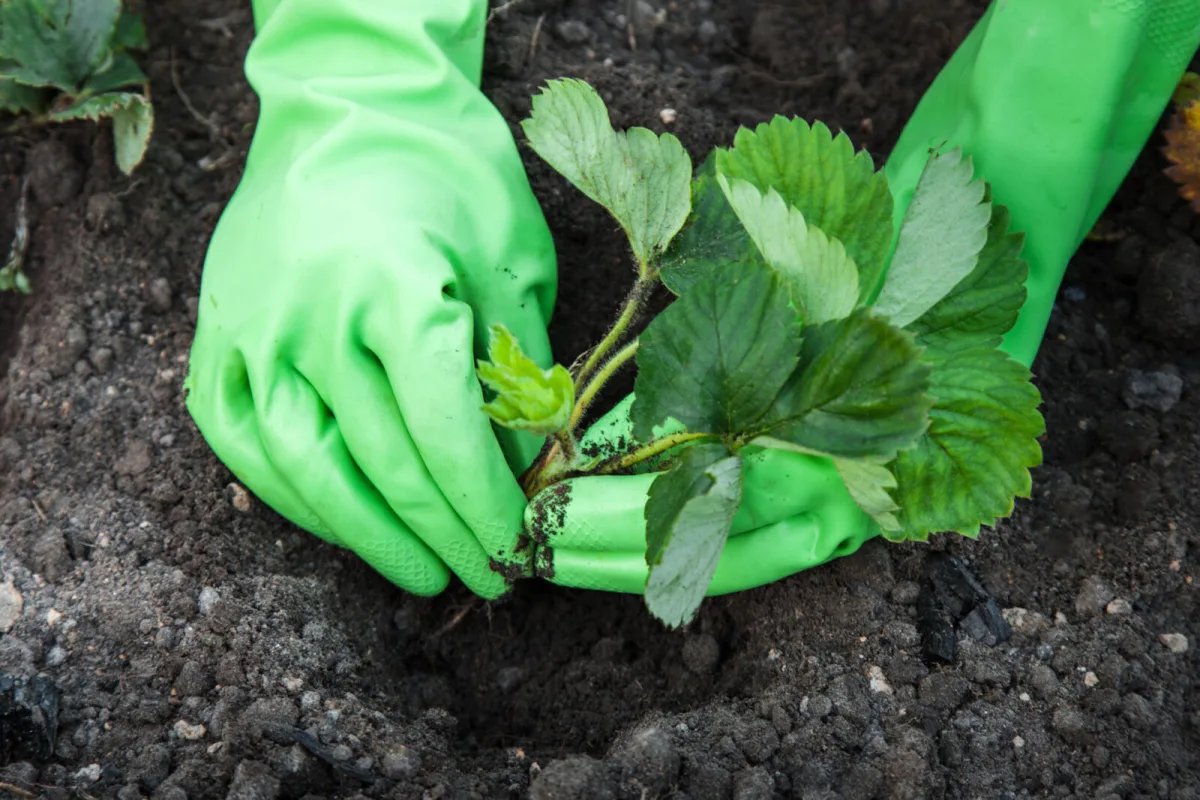
The best planting times are spring and late summer into early autumn. Autumn planting gives plants time to strengthen and crop more heavily the following year. The crucial point is planting depth: the crown (the growing point) should sit just above the soil surface. Planting too deep leads to rotting; too shallow and the roots dry out. After planting, always water thoroughly so the soil settles around the roots.
Spacing and position
In full sun, strawberries are sweeter and colour up better. Choose a sheltered spot where cold air doesn’t pool, because late frosts can damage the flowers. In a bed, give plants enough space so leaves dry quickly after rain; this reduces pressure from fungal diseases. In containers, choose a larger pot and a quality peat-free compost that holds moisture but doesn’t turn waterlogged.
Day-to-day care: watering, feeding and mulching
The most common cause of failure is irregular watering. Strawberries need moisture especially while rooting in, during flowering, and as the fruit swells. Water ideally in the morning and try not to wet the crown or the fruit, because damp conditions encourage fungal diseases. Containers dry out faster than beds, and hanging baskets faster still.
If you grow in good soil regularly enriched with compost, heavy feeding is often unnecessary. If the crop is weak, applying a fertiliser with a higher potassium content in spring can help. In containers, feeding is needed more often because nutrients leach out; once buds appear, it’s worth switching to a feed that supports flowering and fruit set. For clean, healthy strawberries, a straw mulch or mulching mats make a big difference: the berries don’t sit on wet soil and are less likely to rot. At the end of the season, though, it’s a good idea to remove the straw so it doesn’t become a haven for slugs and disease.
Protecting flowers and fruit from frost and pests
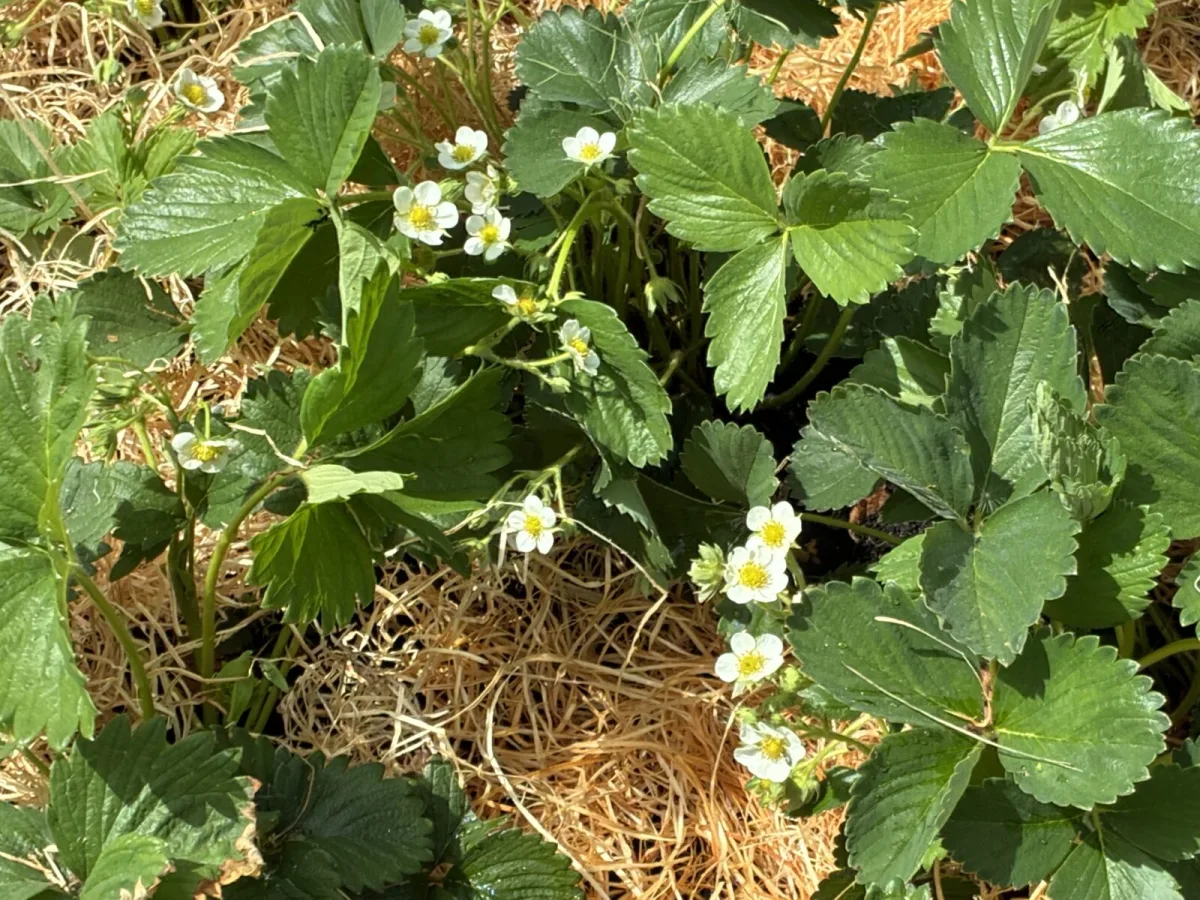
Strawberry plants are hardy, but frost at flowering is the real issue. If night-time temperatures are set to drop, cover the plants with horticultural fleece, hessian, or even an old sheet, then uncover again in the morning so they don’t overheat. Ripening fruit attracts birds; a simple frame with netting stretched over it can save most of the crop, but the net must be secured properly so wildlife can’t become tangled. In containers, also watch out for vine weevil larvae, which damage roots and can destroy a plant quickly.
Propagating from runners and renewing the bed every few years
Strawberries are best renewed regularly, because older plantings gradually weaken and the risk of disease increases. It’s practical to start a new bed from your own runners. Choose healthy, strong mother plants, pin the young plantlets into small pots filled with compost, and keep them evenly moist until they root through. Once the new plants are firmly rooted, cut them free from the mother plant. Moving strawberries to a new site also matters because of soil fatigue; growing them repeatedly in the same place often leads to poorer growth.
Harvesting: when to pick for the best flavour
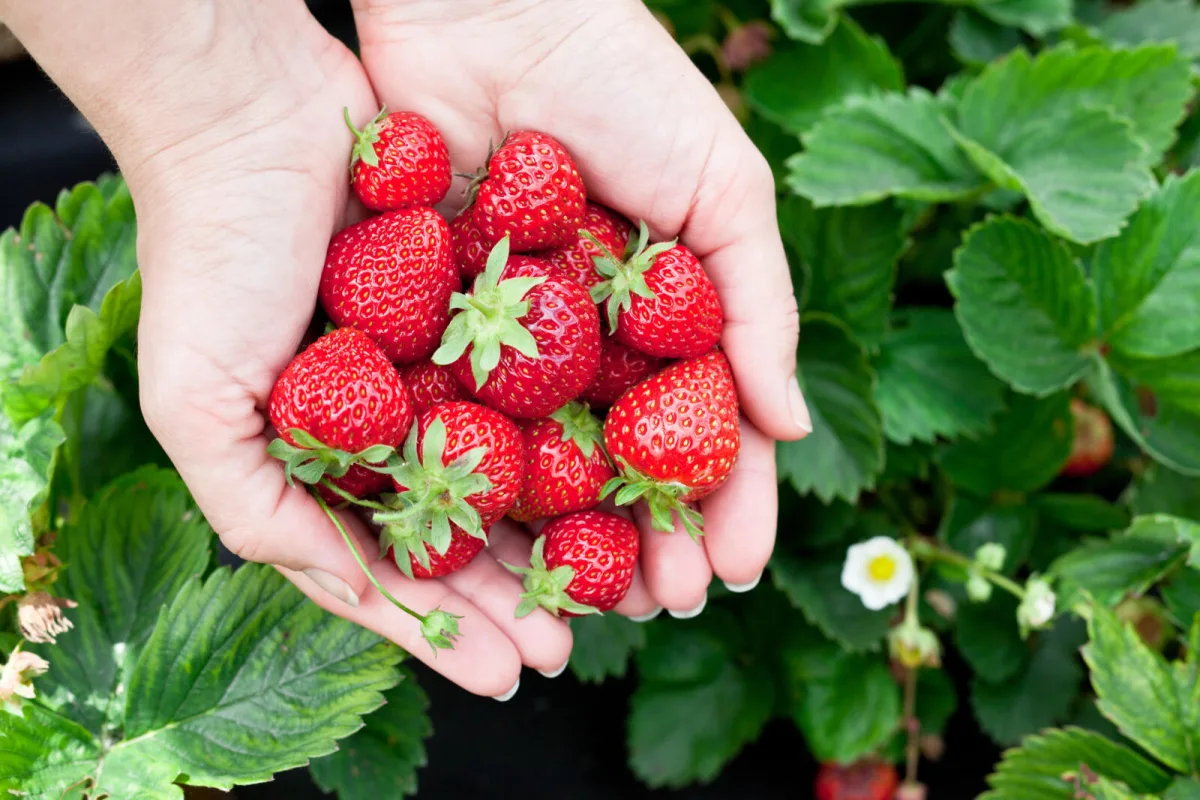
Strawberries don’t ripen after picking, so harvest only fully coloured fruit. They’re often at their best later in the day, when warmth boosts their aromatic compounds. Handle them gently—they bruise easily—and eat them as soon as you can. If you can’t get through the crop in time, you can freeze strawberries, but expect them to be softer once thawed; they’re still excellent for porridge, smoothies or desserts.
What to do after harvest so next year is even better
After the main harvest, it’s time to tidy the patch. With summer-fruiting strawberries, older leaves are often removed above the crown so the plant can produce fresh, healthy foliage. With everbearers, a gentler approach is usually better, removing mainly leaves that are damaged, dry or diseased. At the same time, decide which runners you’ll keep for propagation and which you’ll remove so the planting doesn’t become overcrowded. If you leave your strawberries neat after the season, provide steady moisture and maintain good soil, they’ll reward you next year with sweeter, cleaner fruit.
Source: Rhs, Almanac , Pestrazahrada.cz
Related articles
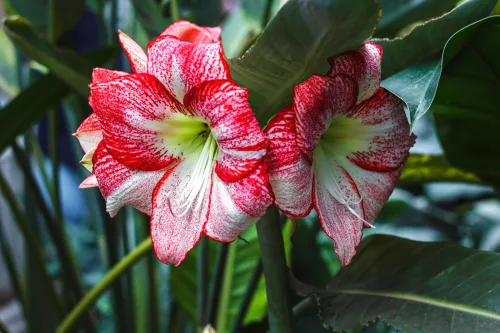
The Christmas Amaryllis That Can Bloom for Years but Most People Throw It Away After Flowering
Hippeastrum is a spectacular winter-blooming bulb that, with the right care, will flower again year after year. Learn how to plant it correctly, look after it after flowering, and bring it into dormancy so it reliably reblooms.
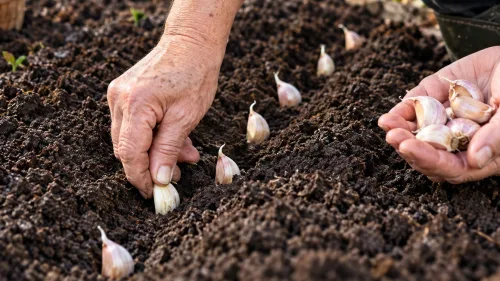
How to Grow Winter Garlic for a Much Bigger Harvest
Autumn planting is the key to strong, healthy winter garlic, but the details make all the difference. With the right timing, bed choice, seed-clove treatment and a simple bicarbonate trick, you can noticeably boost yield.
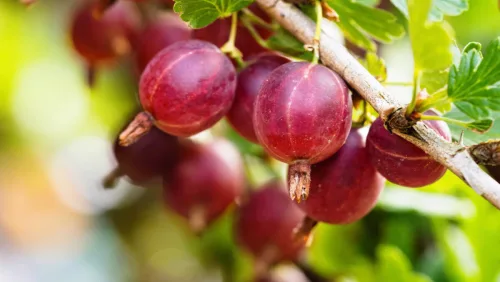
A tree or shrub planted properly in autumn can outpace spring stock and improve fruiting
Many fruit trees and soft-fruit shrubs establish better when planted in autumn, because roots keep growing while the top is dormant. Done well, this head start means stronger spring growth, less watering, and a healthier first year.
Comments (0)
Be the first to comment.