
 English
  Polski
  Deutsch
  Nederlands
  Svenska
  Norsk
Norsk  Dansk
Dansk  Français
  Italiano
  Español
  Português
  Slovenčina
  Suomi
Suomi  Gaeilge
 Grow Purslane and Make the Most of Its Medicinal Benefits
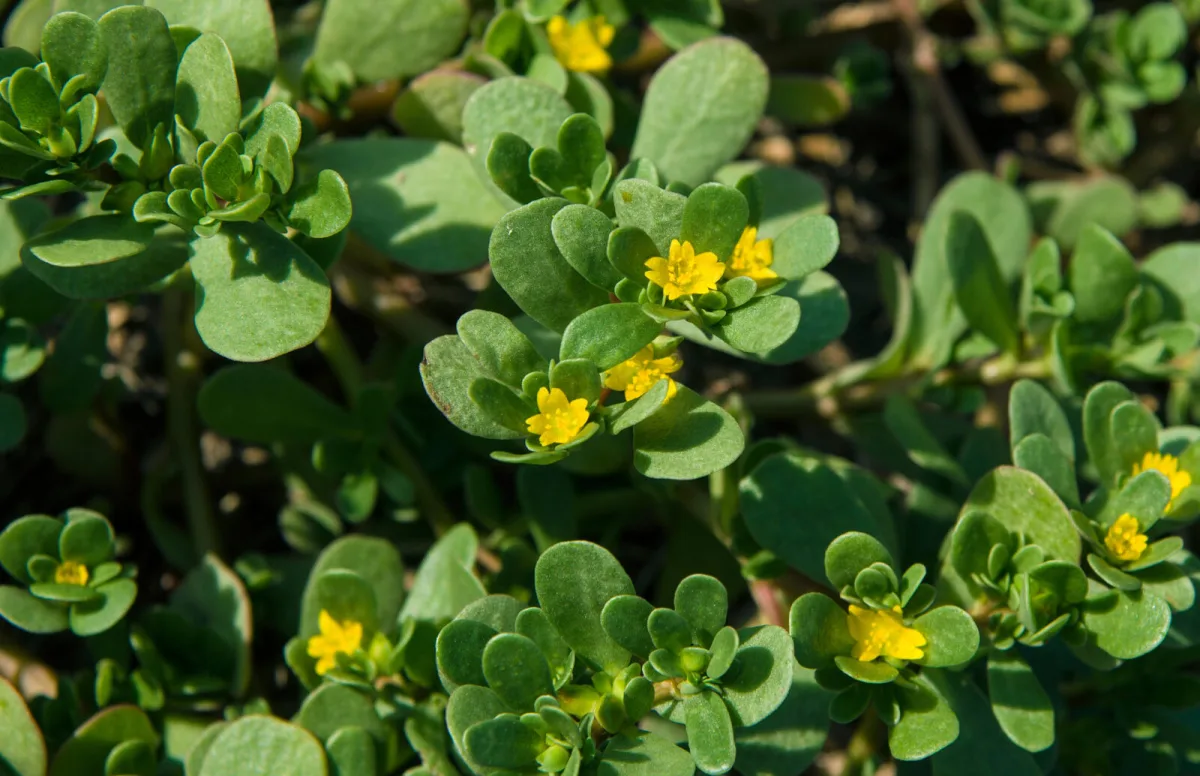
Purslane, Latin name Portulaca oleracea, is a frost-tender edible leafy plant that is often grown both as a culinary herb and as a salad vegetable. It forms fleshy, pinkish to reddish stems that are densely covered with thick, slightly lobed leaves. Depending on the variety, the foliage can be deep green or golden. The plant stays low, typically reaching about 15 to 20 cm, but it grows very quickly. From sowing, it takes roughly six to eight weeks before you can begin harvesting little and often.
How to use purslane in the kitchen and when to harvest
Young leaves are ideal for eating raw. They work beautifully in salads, in sandwiches, or as a fresh topping on bread. Older leaves and the juicy stems, on the other hand, are best used cooked, for example in soups, stir-fried vegetable mixes, or braised dishes. Purslane originates from the Mediterranean region and has been used in cooking for a very long time, because it is undemanding and quickly provides plenty of edible growth.
The leaves have a crisp, refreshing flavour reminiscent of green apples. This impression is linked to the presence of malic acid, which occurs naturally in the plant. The bolder, gently tangy taste is usually strongest in leaves harvested early in the day. If you prefer a milder flavour, harvest later, or choose younger leaves.
Name confusion and similar plants
The name “purslane” is sometimes used for other species that differ from common purslane. In some sources you may come across this name being applied to plants in the genus Claytonia, such as Claytonia sibirica or Claytonia perfoliata, known as miner’s lettuce. Although they can also have edible leaves and appear in the kitchen, they are not the same plant. When buying seed, always check the Latin name Portulaca oleracea.
Where purslane grows best
For successful growing, well-drained soil is key. Purslane dislikes heavy, waterlogged beds and it doesn’t need overly rich soil either. In very fertile soil it may grow lushly, but the quality and balance of the leaves can be less consistent. A sunny position is ideal, where plants warm up quickly and don’t sit in prolonged dampness.
In the garden, purslane can work not only in the herb or vegetable plot, but also as an interesting addition to ornamental plantings. Thanks to its low habit and succulent stems, it suits bed edges, where it can fill gaps while also providing a harvest. If you let it flower, it looks decorative yet remains subtle enough not to distract from other plants.
Sowing purslane step by step
Purslane is usually grown from seed, and that is one of its advantages. You can sow it directly where it is to grow, from spring right through to late summer. It’s important to wait for warmer weather, as this plant is sensitive to cold. Sow the seed in rows and lightly cover it with about 1 cm of soil. After sowing, gently firm the soil so the seeds make good contact with the compost, while still keeping it open and airy.
Because purslane matures quickly, successional sowing is well worth doing. If you start a new sowing roughly once a month, you’ll have a steady supply of fresh leaves for a longer part of the season. This approach is especially useful if you use purslane regularly in salads and want to keep young, tender leaves on hand.
Caring for young plants and thinning
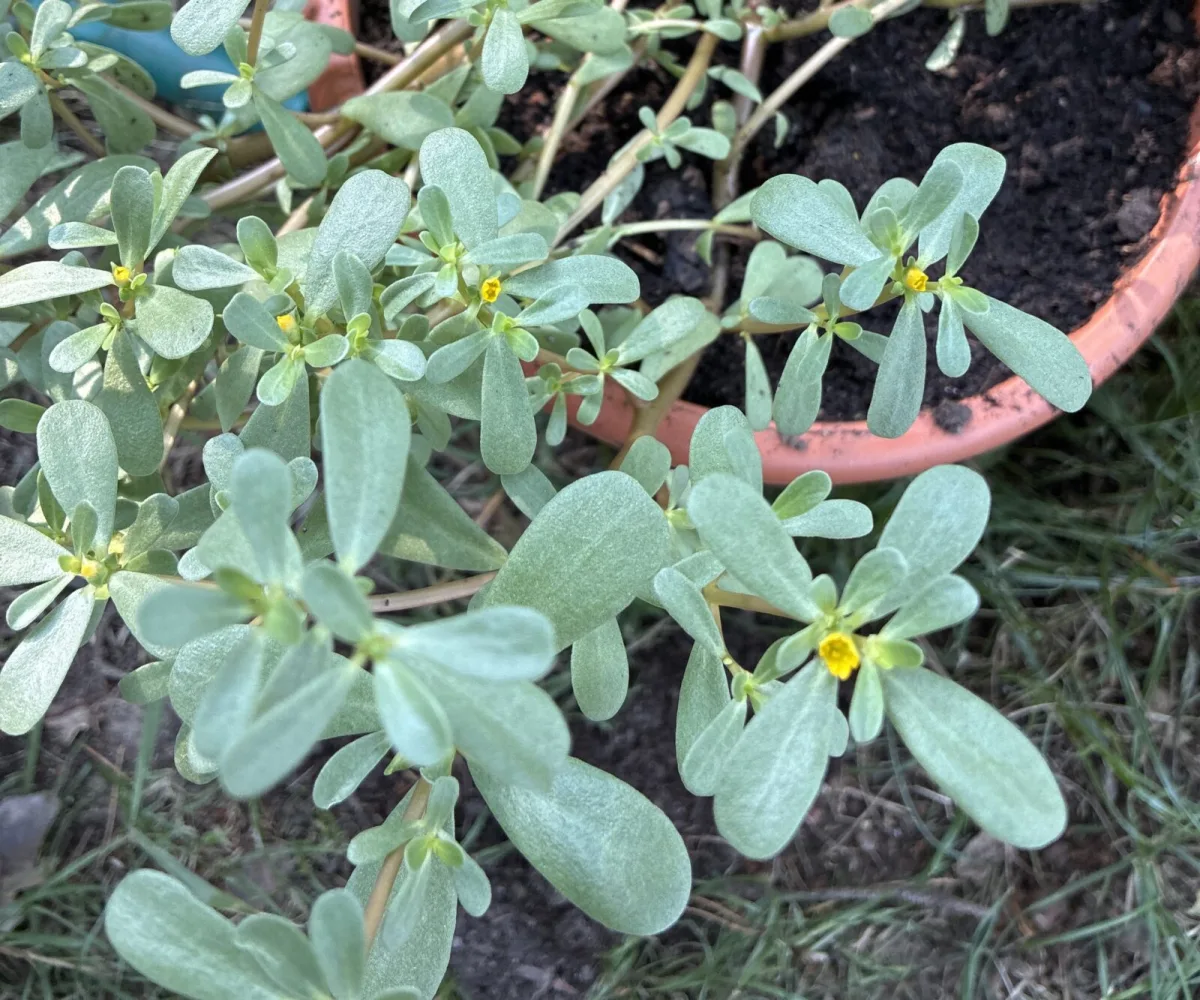
Once the seeds germinate and the seedlings have strengthened, they need thinning. Leave about 10 cm between individual plants. This gives the leaves space to develop, prevents the crop from becoming overcrowded, and reduces the risk of problems linked to excess moisture. You don’t need to throw away the thinnings; they can be used as delicate microgreens to brighten salads or cold dishes.
Purslane is naturally drought tolerant, so it will usually cope with a short spell without watering. Even so, during longer dry periods it pays to give an occasional deep watering. This can increase not only the number of leaves, but often their succulent, juicy texture as well. The key is to water sensibly so water does not sit around the roots, as permanently wet soil does not suit this plant.
Harvesting through the season and ending the crop
You can harvest little and often as needed, ideally in a way that leaves the plant with enough foliage to keep growing. If you mostly pick young leaves, you’ll keep the plants in a more tender stage and have more material for fresh eating. If you let plants bulk up, you’ll also get thicker stems and larger leaves better suited to cooked dishes.
Because purslane cannot tolerate frost, the season is usually ended by the first cold nights. At the end of the growing period, it’s practical to pull the plants up and add them to the compost. You can then prepare the bed for the next crop or leave it to rest.
Most common problems and how to prevent them
Purslane is generally trouble-free and one of the easiest plants to grow, provided it has the right conditions. The biggest risk is heavy, poorly drained soil. In such ground, young plants may rot, seeds may germinate poorly, and the crop may fail altogether. If you’re unsure about your bed, it helps to incorporate materials that improve drainage and choose the sunniest possible spot, where the soil dries more quickly after rain.
The main rule for success is simple: give purslane plenty of sun and soil that doesn’t stay wet for long. Then it will reward you with a quick harvest of fresh, crisp leaves.
Source: Gardeners World, Gardenia.net, Herbs for Everyone, Pestrazahrada.cz
Related articles
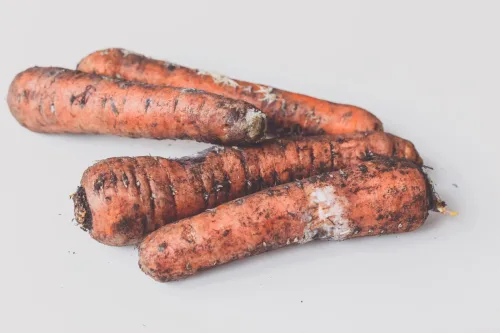
Next year you can harvest better if you don’t sow carrots where they won’t thrive
Carrot root fly can ruin carrots, parsley and celery from the inside out, often without obvious warning until harvest. Better site choice, rotation, later sowing and simple physical barriers can dramatically cut damage next season.
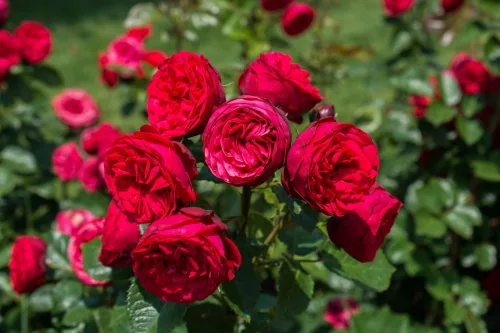
How to Propagate Roses from Cuttings at Home and Fill Your Garden with Blooms Almost for Free
Want more roses without paying for new plants? With a few healthy cuttings and a simple plastic-bottle mini greenhouse, you can root new bushes at home in just a few weeks.
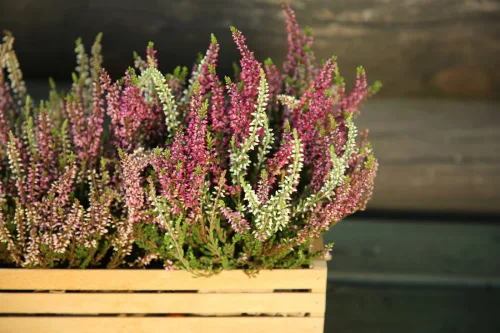
Heathers can cope where other plants won’t, but one soil detail decides everything
Heathers and heaths are tough evergreen shrubs that can flower across the seasons when you choose the right types. Success hinges on matching the plant to your soil pH and ensuring free drainage.
Comments (0)
Be the first to comment.