
 English
  Polski
  Deutsch
  Nederlands
  Svenska
  Norsk
Norsk  Dansk
Dansk  Français
  Italiano
  Español
  Português
  Slovenčina
  Suomi
Suomi  Gaeilge
 Fresh Dill Right Into October Is No Accident
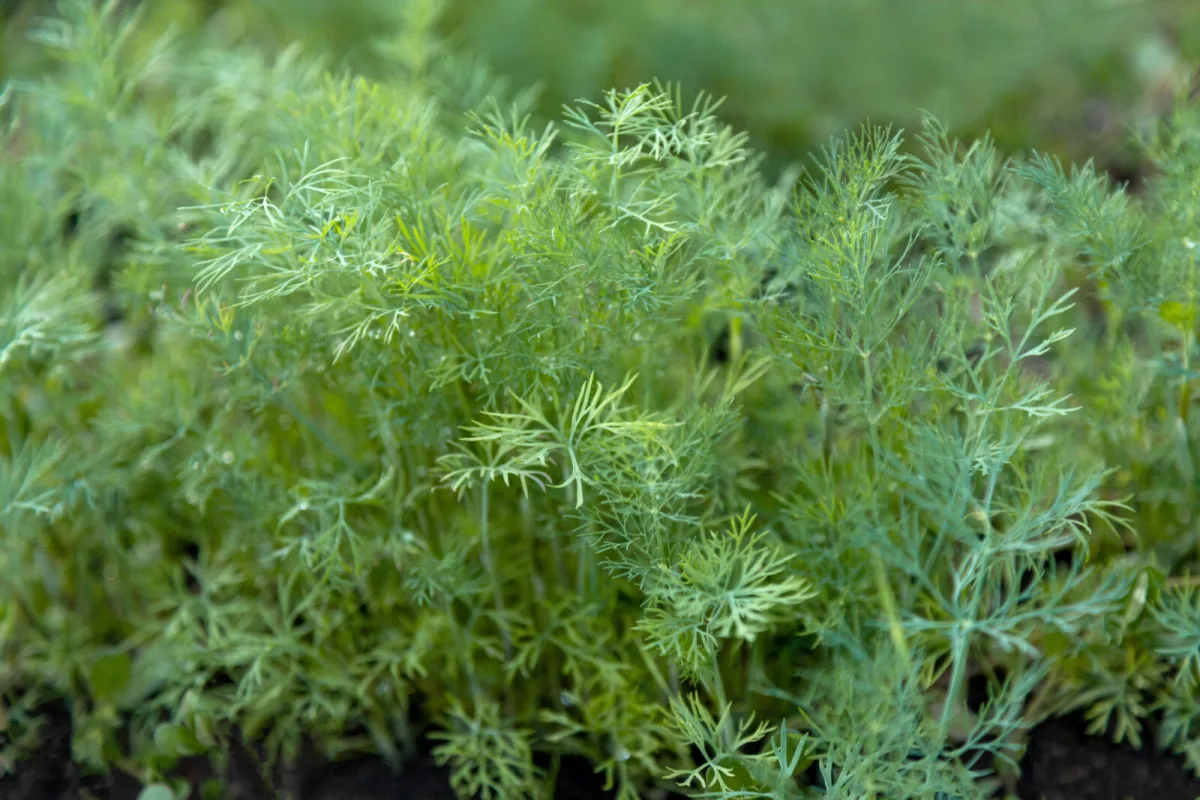
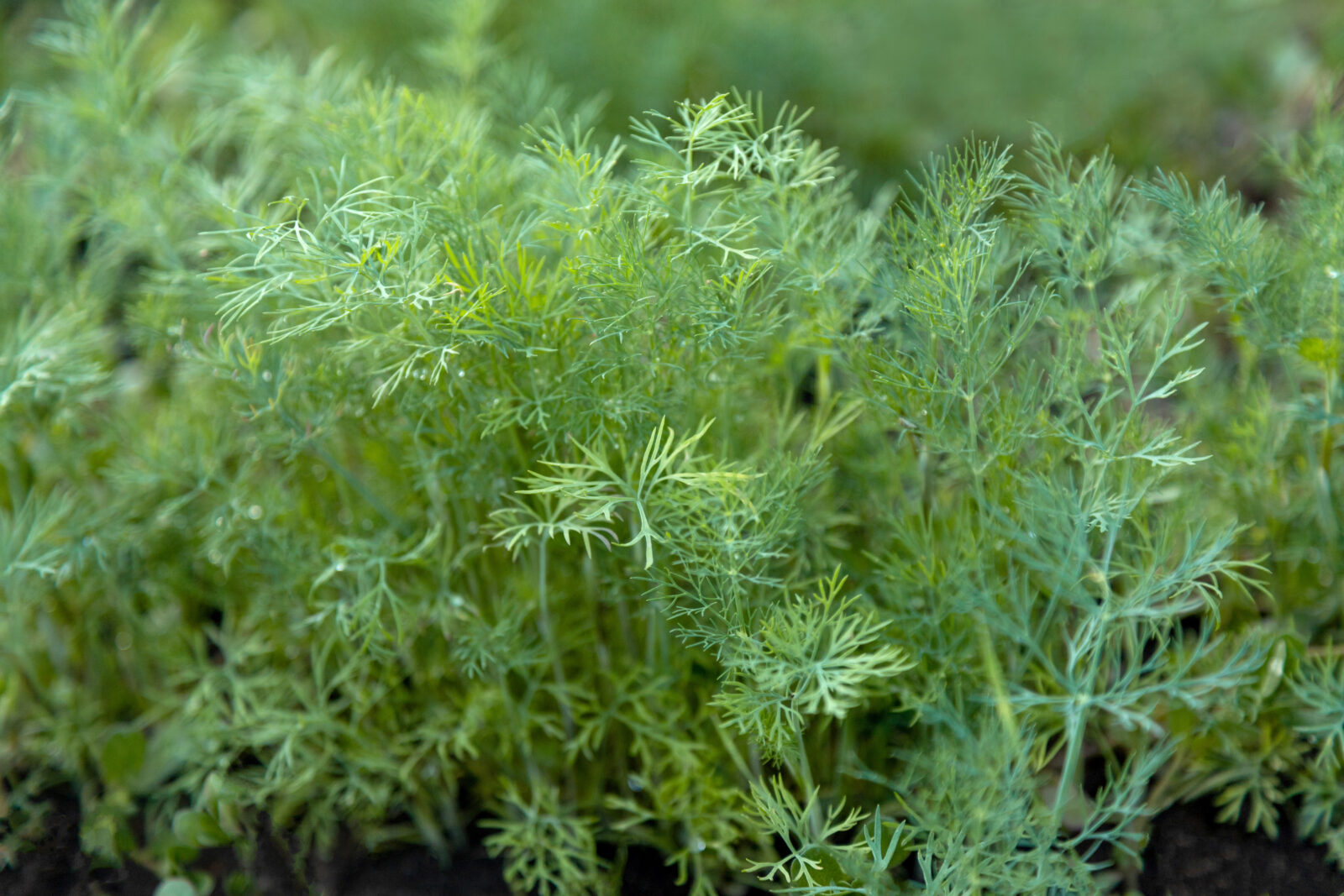
Many people associate dill mainly with the start of summer, but its season doesn’t end there at all. If you sow it again in August, you can have fresh, fragrant leaves available even through the autumn weeks. The key is not to rely on a single spring sowing. Older plants tend to bolt fairly quickly, and they stop producing the fine leafy growth we use most often in the kitchen.
Repeat sowing through the season is an easy way to extend your harvest without having to fall back on dried or frozen dill alone. What’s more, young dill is especially useful at the time when harvesting and preserving produce peaks in both the garden and the kitchen.
How to use fresh dill in late summer and autumn
The leaves from late sowings are excellent in cucumber and potato salads, in sauces, soups, and spreads. It also pairs well with fish and often comes in handy for pickling and preserving. An August sowing isn’t just a backup plan, but a practical step that keeps fresh flavour close at hand exactly when you typically need it most.
What conditions dill needs
Dill isn’t a demanding plant, but it does have a few requirements that make the difference between success and disappointment. It grows best in a sunny spot in free-draining soil that stays evenly, lightly moist. Long periods of drying out will set it back, and waterlogged soil does the same. Give it steady moisture without extremes, and it will reward you with fast growth and regular leaf harvests.
Step-by-step: how to sow dill
Preparing the sowing area
First, choose a bed or an open strip of soil where dill will get plenty of light. Clear the area carefully of weeds, because at the early stage dill can easily be overwhelmed by competition. Then loosen the soil thoroughly. A fine, airy structure is one of the main prerequisites for good germination and quick root development.
Preparing the seed before sowing
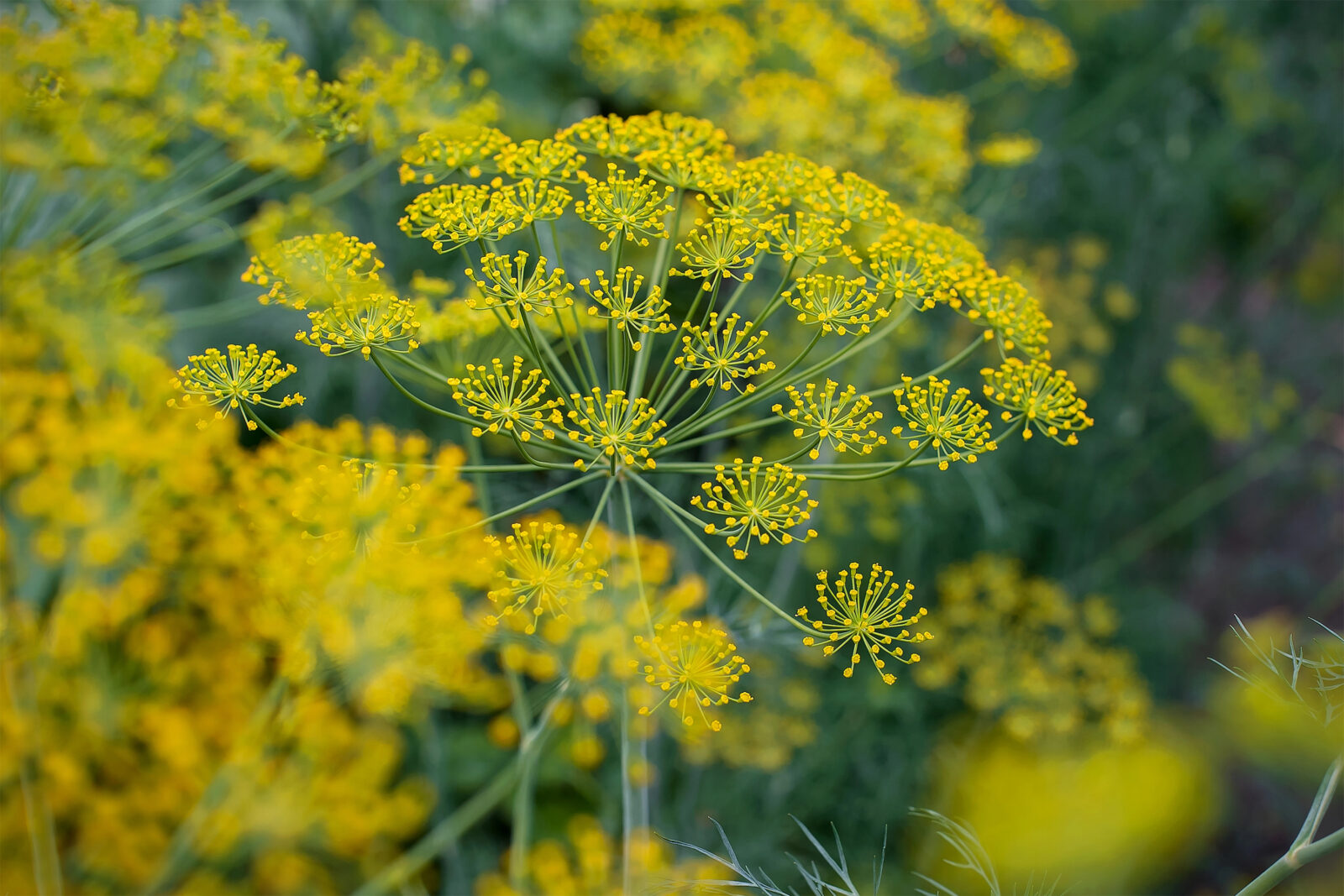
Tip the seeds from the packet into your palm so you can control them and spread them more evenly. There are several dill varieties, which may differ slightly in growth speed or the strength of their aroma. In one spot, though, it’s more practical to stick to a single variety so the stand grows evenly and the harvest is consistent.
Even sowing and a light covering
Scatter the seeds as evenly as possible over the prepared area, more as a broad sowing than in dense clumps. Then cover them very lightly with soil, just enough so they aren’t left on the surface, but not so deep that they struggle to emerge. Finally, water the area gently. Over the next few days, make sure the soil doesn’t dry out, because even moisture speeds up and improves germination.
What to watch so the harvest lasts as long as possible
If you want to harvest dill continuously, focus on young plants and snip the leaves as you need them. By repeating sowings through the season, you’ll get succession batches, and fresh dill will be available even when the spring plants have long since flowered. An August sowing is a simple trick to extend your home harvest right into autumn.
Source: Záhrada, Gardening Know How, Gardenia, Pestrazahrada.cz

A lover of nature, gardens, and everything that moves, blooms, or grows. He literally grows everything, from herbs to rare species, and he enjoys caring for animals just as much. In his work, he connects modern technology with tried-and-tested grandmotherly methods and is happy when both paths lead to the same goal.
Related articles
Drought tolerant fruit trees for Czech gardens that handle heat and winter frosts
Warmer summers and longer dry spells are changing what can be grown in Czech gardens. With the right variety and a sunny, sheltered spot, olives, pomegranates and figs can cope with heat, drought and even winter cold.
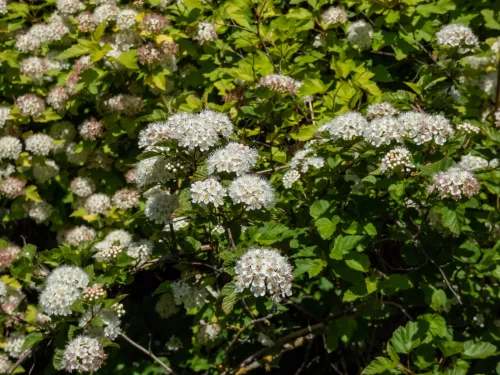
Thuja hedges are on the way out gardeners are choosing a shrub that shrugs off frost and drought and never looks dull
Thuja may be a long-standing classic, but today’s hedges are increasingly built from more varied shrubs that look better through the seasons. One standout choice is ninebark, prized for its toughness, colour and easy care.
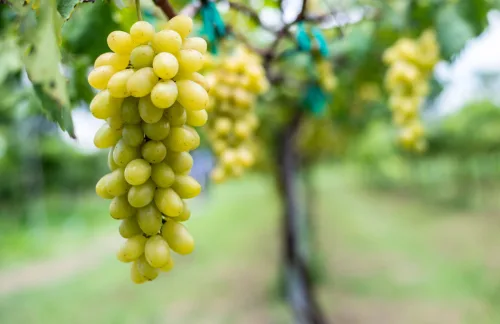
Autumn planted grapevines bud earlier the most common mistake happens before they even go in the ground
Planting grapevines in November can give them a head start in spring, as roots can still establish in warm soil. Success depends mainly on proper planting depth and reliable winter protection.
Comments (0)
Be the first to comment.